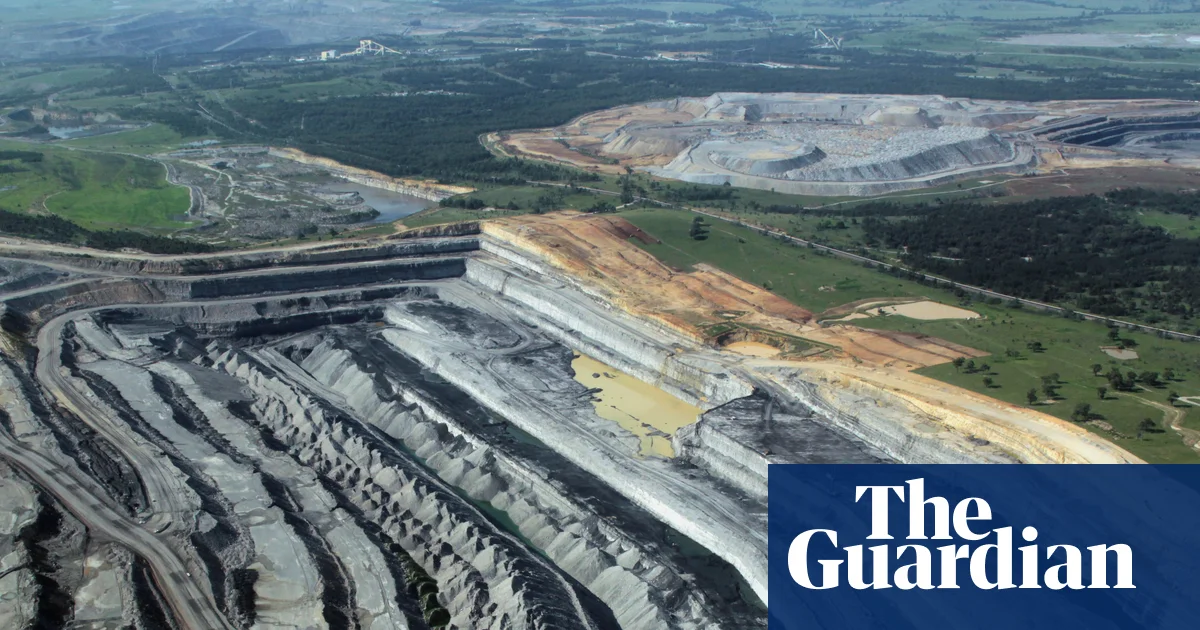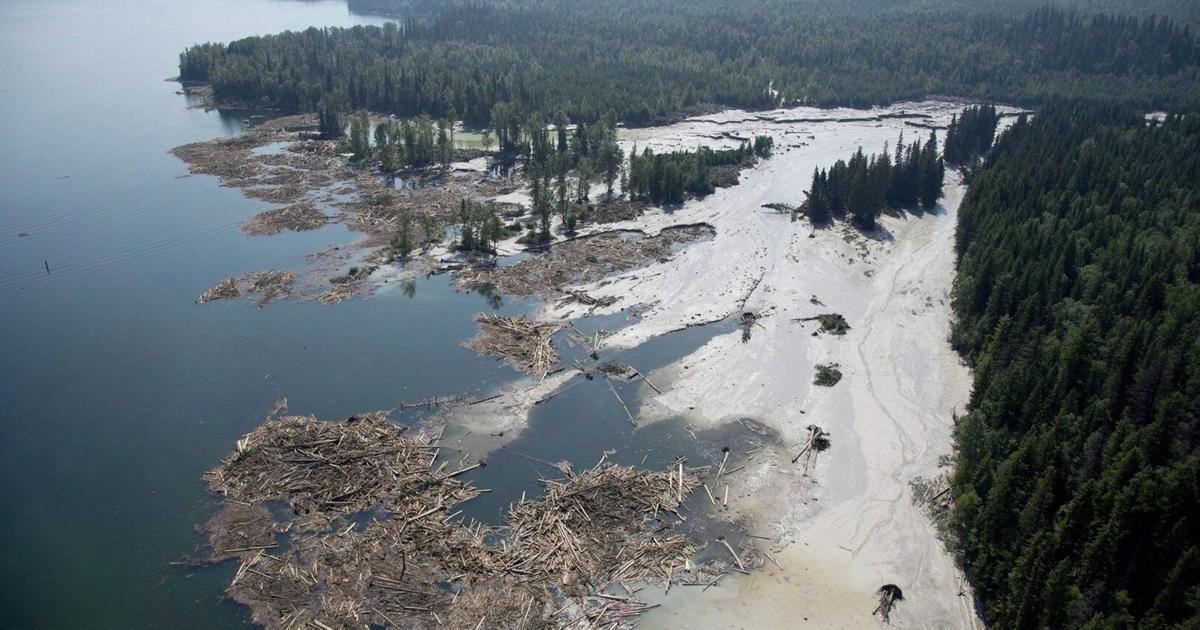
A proposed expansion of an Elk Valley Resources’ coal mine in southeast British Columbia is moving through the environmental assessment process despite concerns over pollution.Decades of coal mining in the valley has led to harmful selenium concentrations and loads downstream, in British Columbia and the U.S. states of Montana and Idaho.While EVR is making progress in line with the Elk Valley Water Quality Plan, current actions are inadequate to mitigate the selenium pollution crisis, according to researchers and experts from the Confederated Salish and Kootenai Tribes and BC nonprofit Wildsight.Proponents of the mine expansion point to the substantial contribution the mines make to federal, provincial and regional economies.
The Elk Valley in southeast British Columbia is home to Canada’s four largest coal mines. With a proposed mine expansion moving through environmental assessment, people on both sides of the Canada-U.S. border worry the valley’s decades-old pollution problem could get even worse.
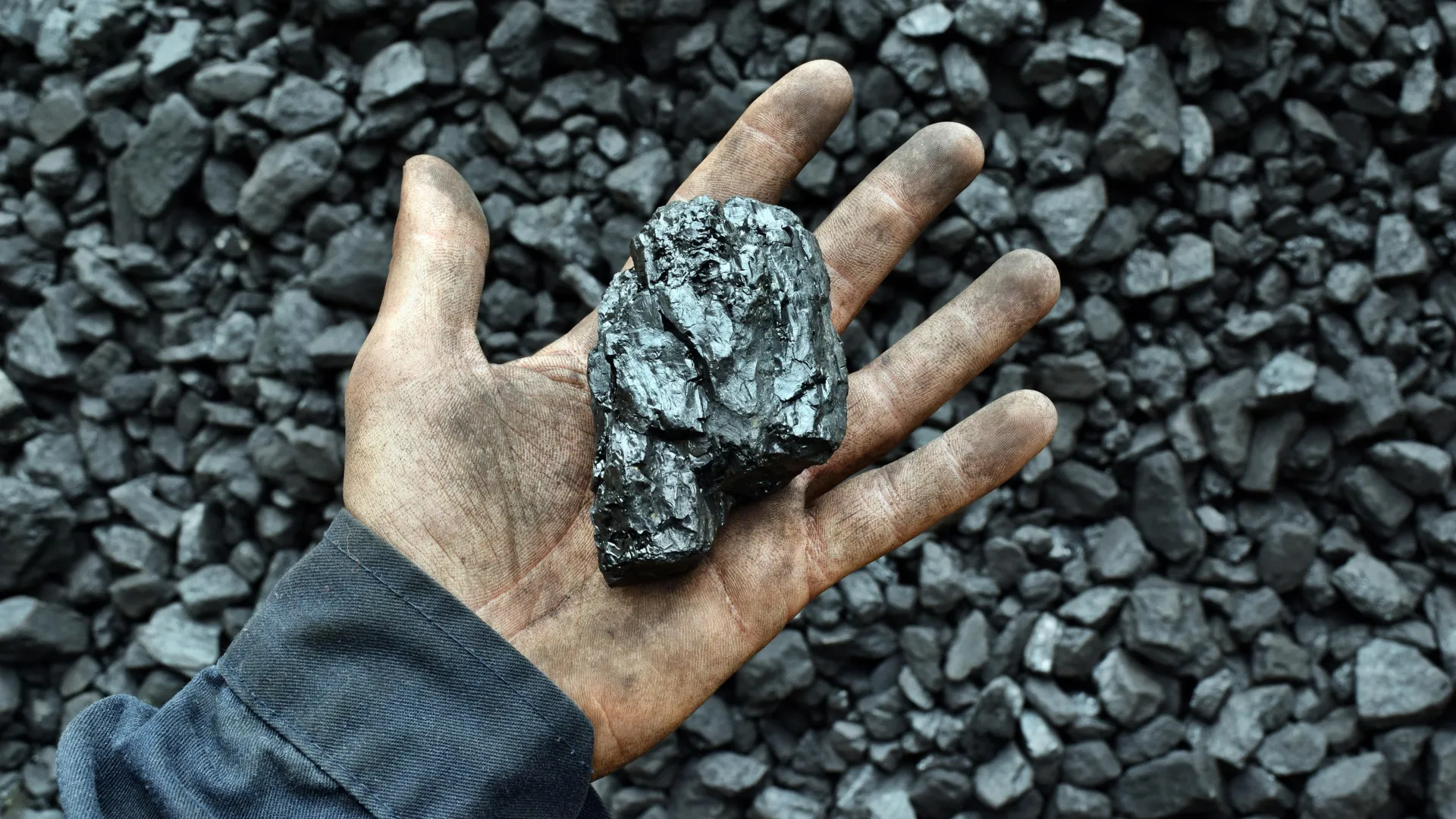
Industrial coal mining in the Elk Valley goes back more than 50 years. The valley’s mines, currently owned by Elk Valley Resources (EVR), supply 77% of Canada’s metallurgical coal, a grade of coal used in steel making, according to a 2024 report produced for EVR. The vast majority of this coal was exported to Asia.