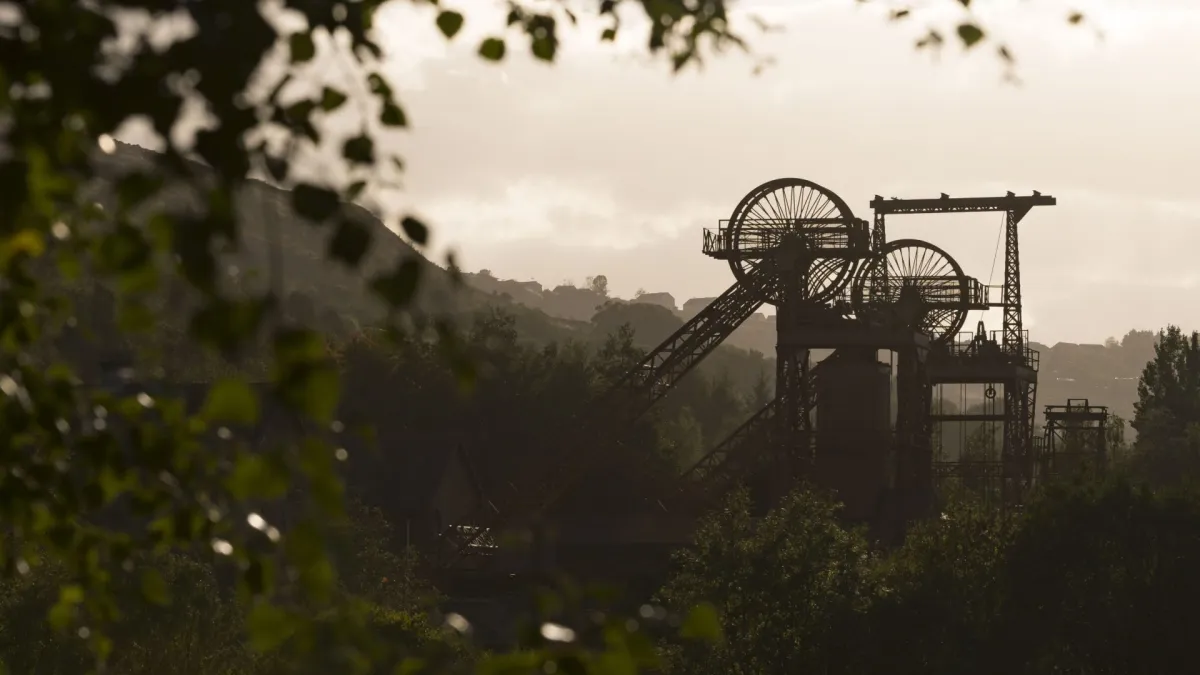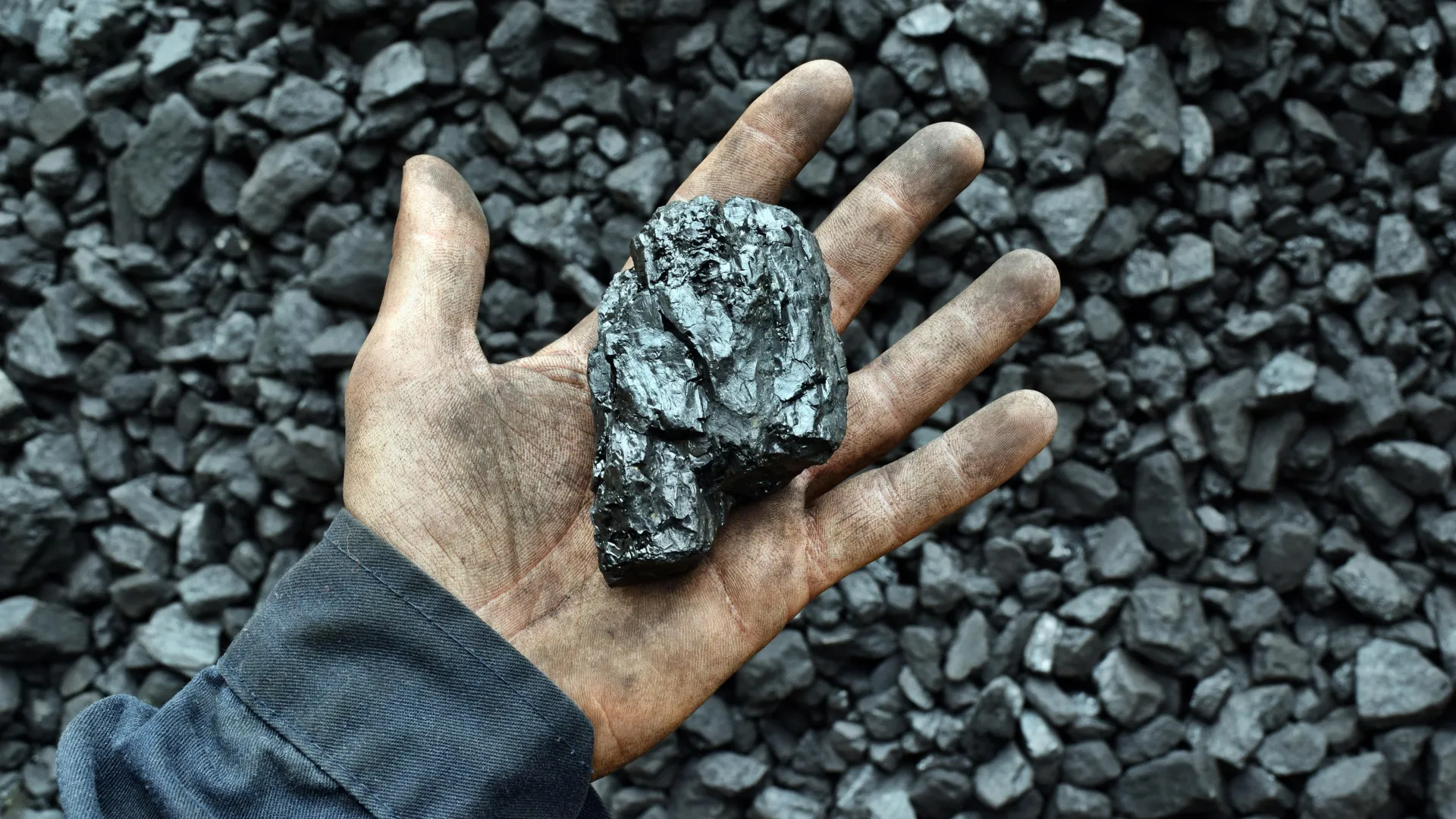
Cumberland, British Columbia, grew out of coal mining. For decades, the industry defined daily life, employing thousands of workers and sending millions of tonnes of coal around the world. When mining operations shut down after roughly 80 years, they left behind more than empty tunnels. The closures also created a lasting economic gap in the community.
Today, the same underground network that once fueled industry could help power a cleaner future. Through a partnership with the University of Victoria-led Accelerating Community Energy Transformation (ACET) initiative, Cumberland is exploring how its abandoned mine shafts and tunnels can support a new source of energy.
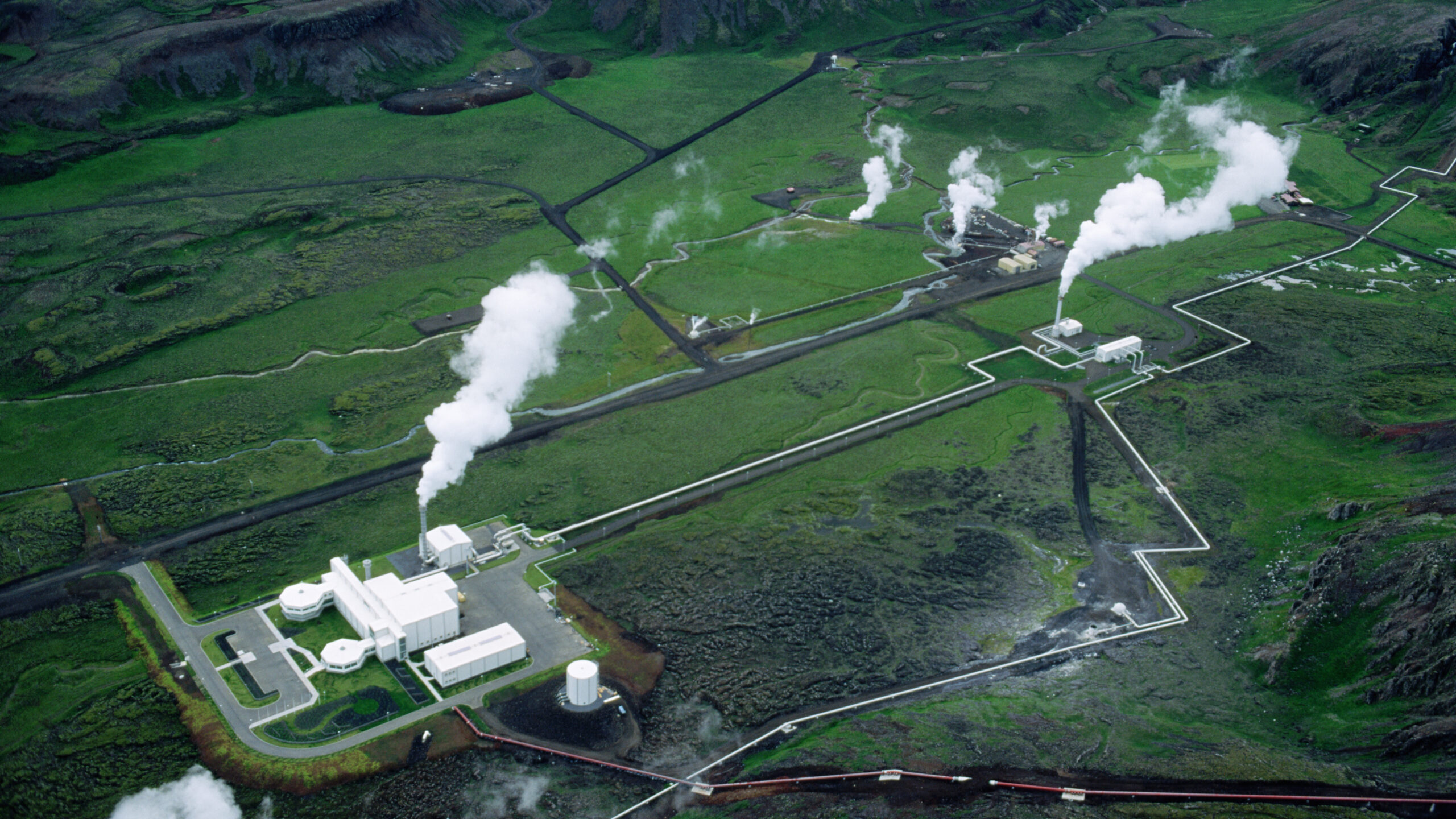
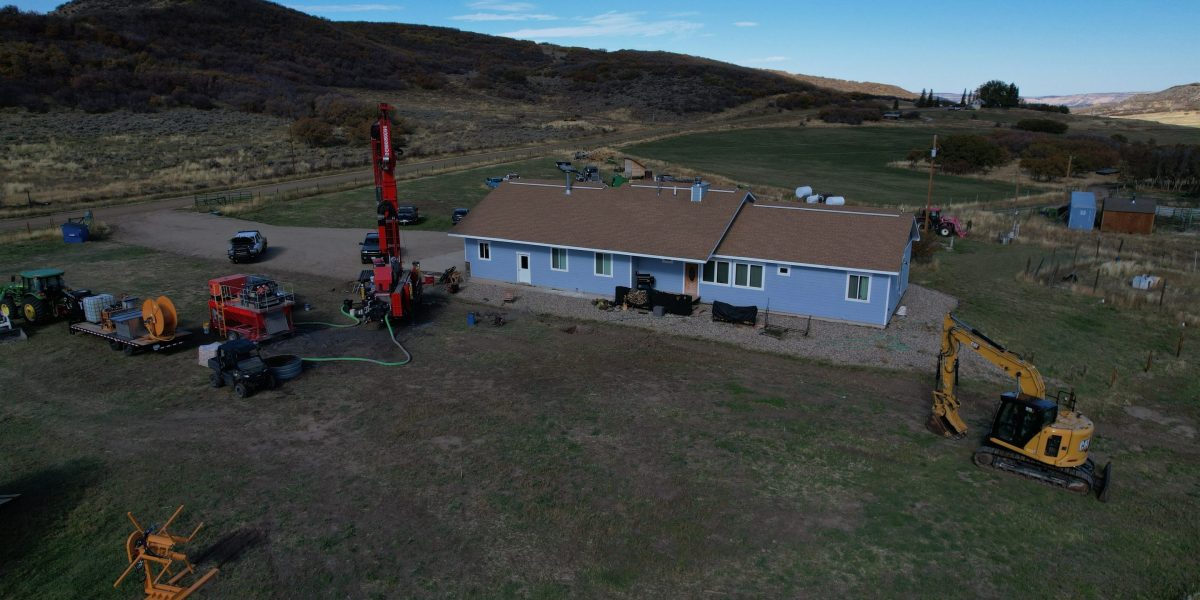
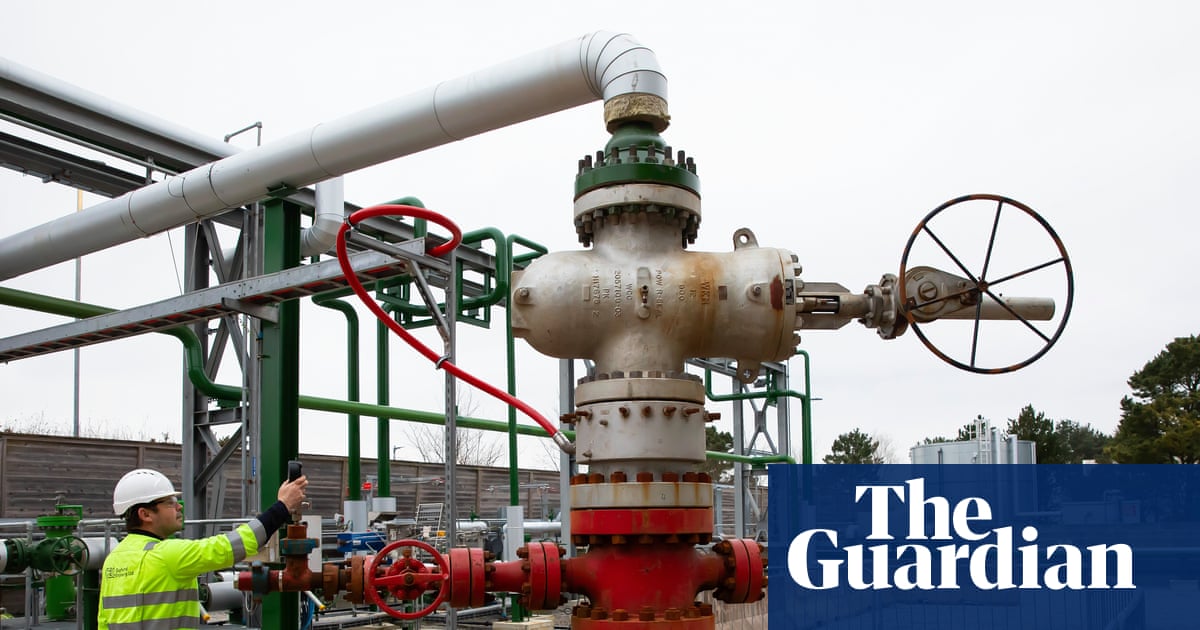
At the center of this effort is the Cumberland District Energy project. Researchers are studying how water trapped in the old mine system can be used to generate geothermal energy capable of heating and cooling buildings throughout the town.
Mayor Vickey Brown believes the project could help reshape Cumberland's identity. Already known for outdoor recreation like mountain biking and hiking, the village could also become a model for clean energy innovation.
"This is a way to highlight the history of Cumberland and bring it into a sustainable-future, clean-energy ethos," she says. "It's something that old Cumberland can be proud of, because we're using the waste of that old resource to transition to cleaner energy."