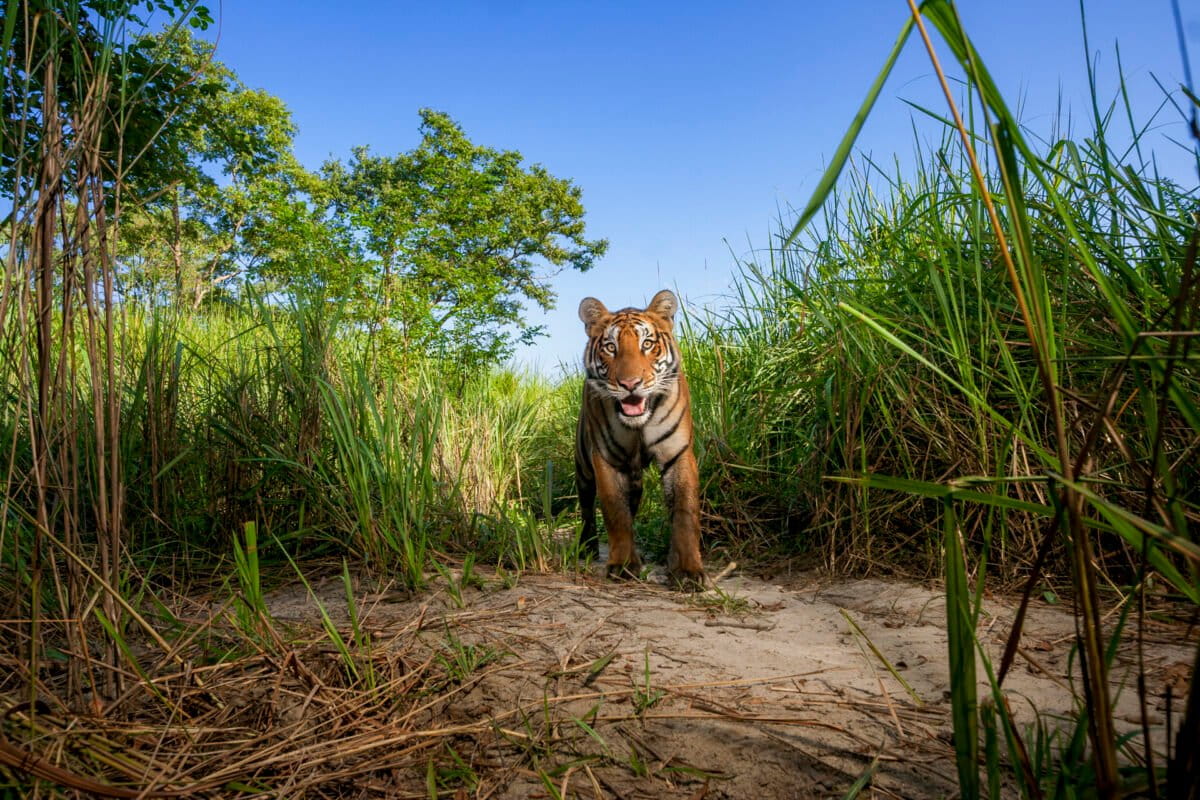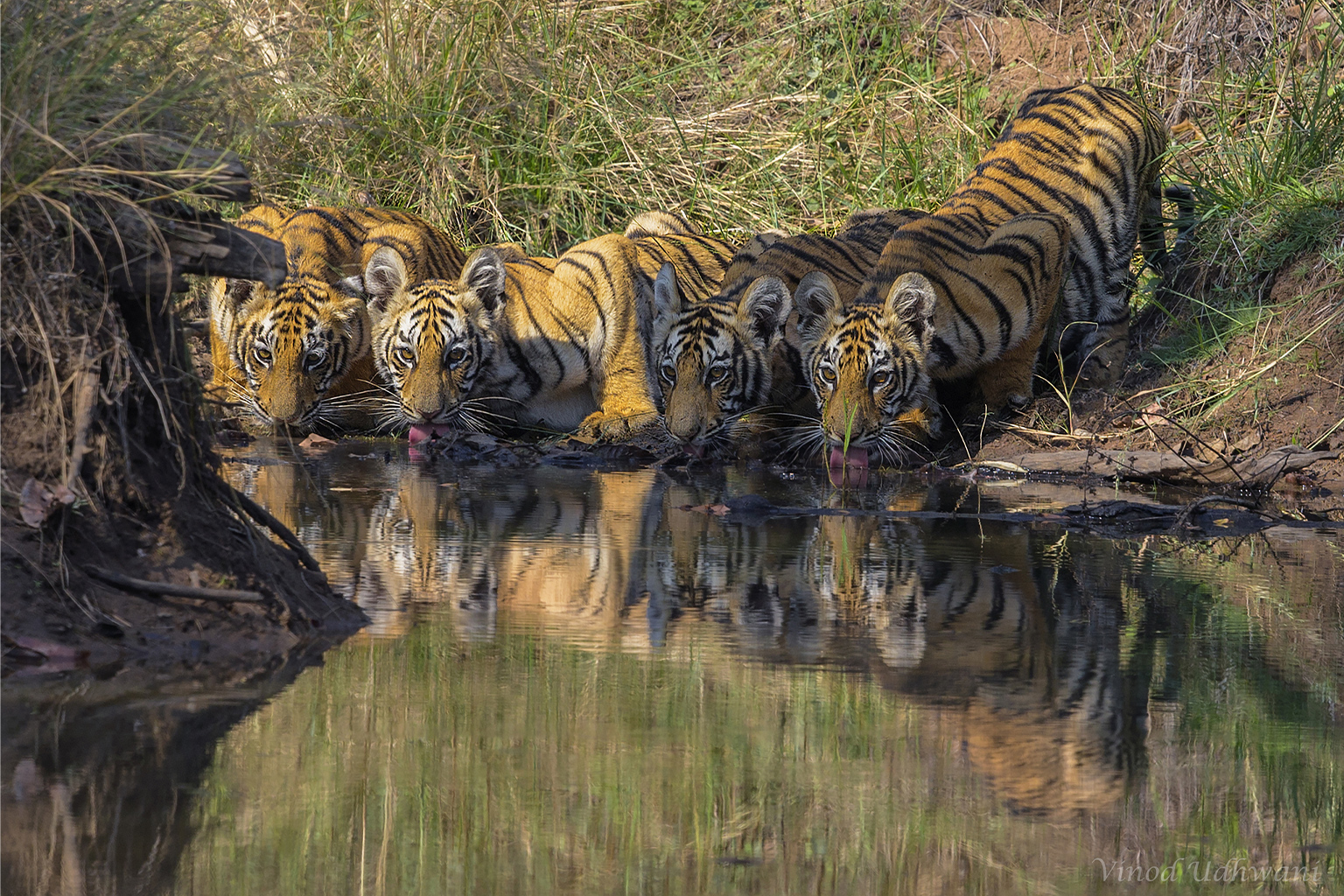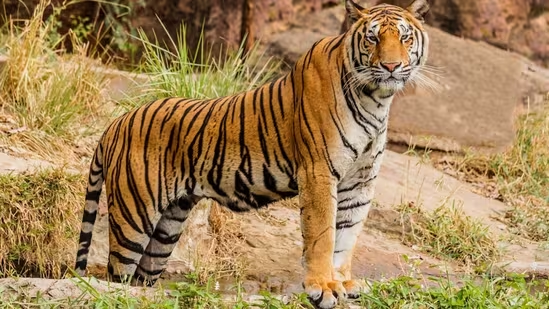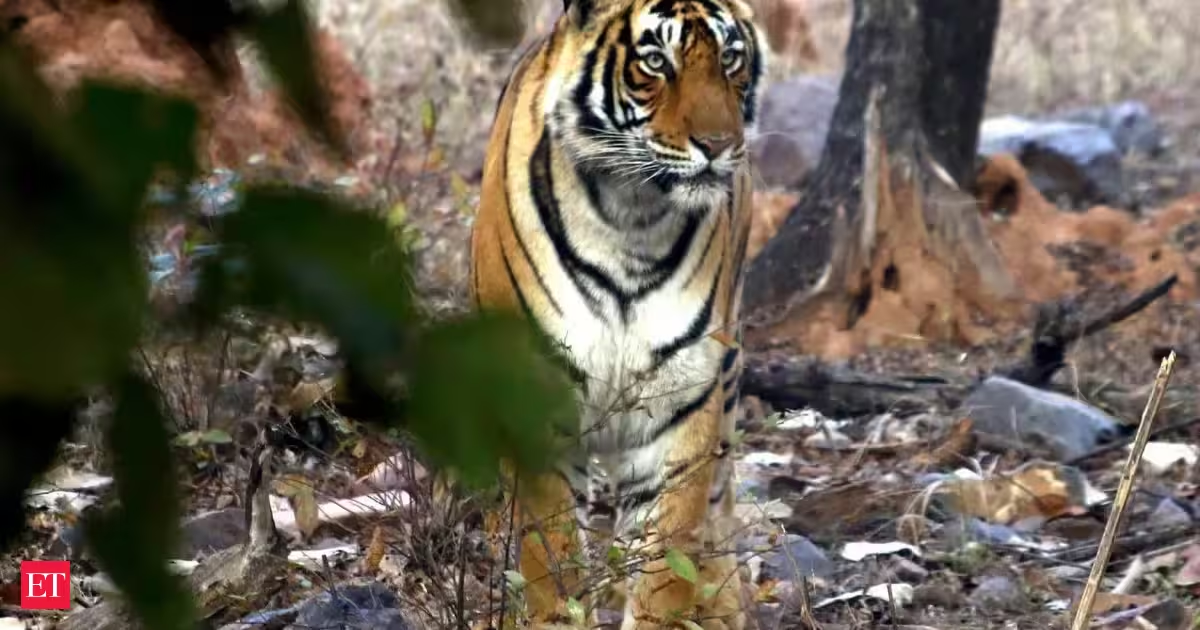
New Delhi: International Tiger Day marks one of India's biggest conservation successes. Since the day was instituted in 2010, the country's tiger population has more than doubled from 1,706 to 3,682, accounting for nearly 70% of the world's wild tigers.However, the conservation success has also brought a growing challenge-an increase in human-tiger conflict.The number of people killed in tiger attacks has risen sharply over the past decade. According to available data, 225 people died in tiger attacks between 2014 and 2019. The toll nearly doubled to 418 during 2020-25.Also Read: Adults have right to choose life partners: Calcutta HC orders protection for inter-faith weddingThe Delhi-based Centre for Science and Environment attributes the trend to habitat degradation, ecological changes, human interventions and conservation strategies that are altering tiger behaviour.Also Read: Kanwar Yatra Uttar Pradesh: Non-veg food banned along route in Muzaffarnagar, owners asked to display licencesA study published in Animal Conservation, a journal of the Zoological Society of London, says the remarkable recovery of tigers in India and Nepal is now being accompanied by rising human-tiger conflicts that could threaten long-term conservation gains.Researchers Ashish Bista, Rekha Warrier and Jonathan Salerno of Colorado State University said tiger attacks not only result in deaths and injuries but also impose psychological and economic costs on affected families.
India's tiger population doubles, but human-wildlife conflict rises alongside
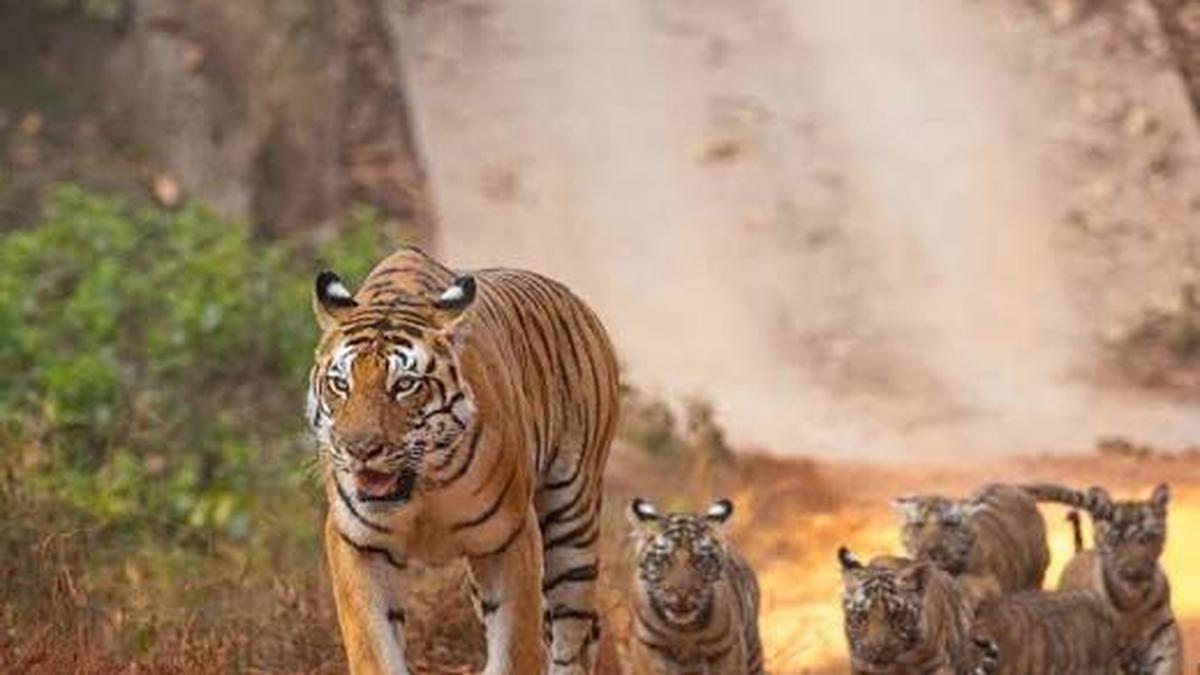
Rajasthan's tiger population has increased to 149 across five reserves this year. Ranthambore houses the largest population, with 72 tigers, tigresses, and cubs. This growth signifies healthier forests and a thriving tiger ecosystem in the state. Experts note challenges in managing the expanding tiger population within reserves. Conservation efforts, including habitat management, are crucial for future tiger survival.
213 words~1 min read