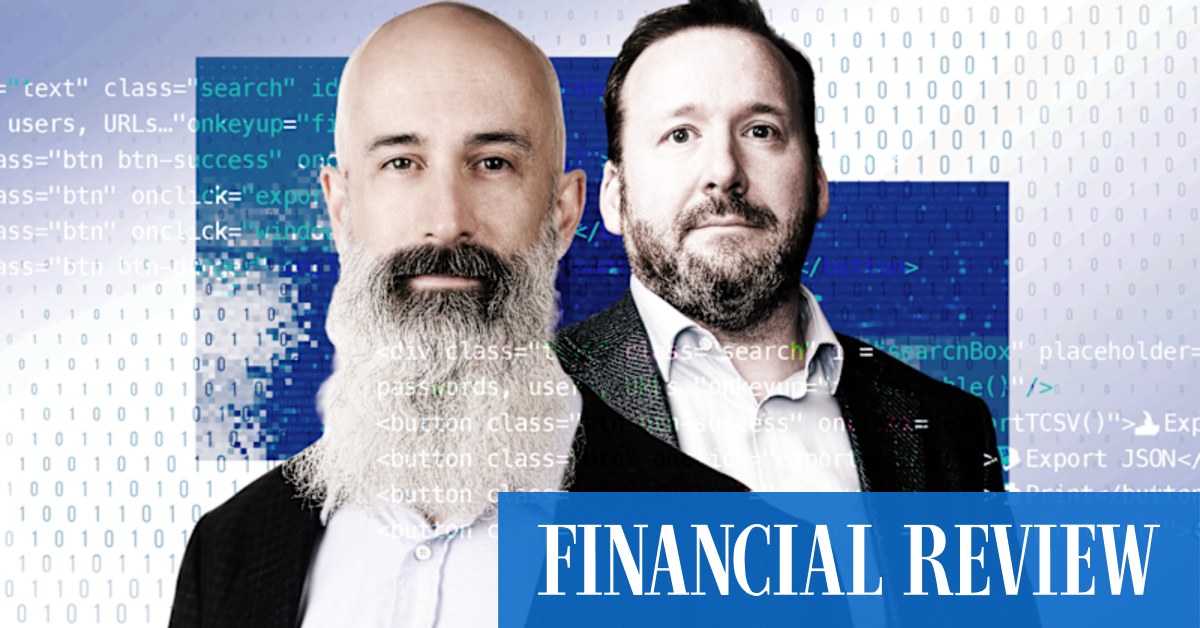
Jul 30, 2026 – 5.00amWhen an organisation suspects they’ve suffered a cyber breach, CyberCX’s digital forensic and incident response team are first on the scene. Last year while poring over a client’s code they spotted something unusual: a series of emojis – magnifying glass, printer, refresh button – sprinkled across a piece of malware that was trying to crack open an internal password database.The attack was ultimately unsuccessful, but the emojis and tutorial-style descriptions in code comments were a clue that the hacker had relied on generative AI tools to carry out the attack.Subscribe to gift this articleGift 5 articles to anyone you choose each month when you subscribe.Subscribe nowAlready a subscriber? Tess BennettTechnology reporterTess Bennett was a technology reporter at The Australian Financial Review.Fetching latest articles
Vibe-coding makes light work for unskilled hackers
AI tools have lowered the skill barrier for cyber criminals, writing custom malware, speeding up attacks and leaving defenders less time to respond.
TL;DRAI
CyberCX found malware with AI-generated code comments and emojis, enabling less-skilled attackers to execute targeted database exploits. GenAI lowers malware-creation barriers—security teams must accelerate threat detection and revise incident response budgets.
127 words~1 min read