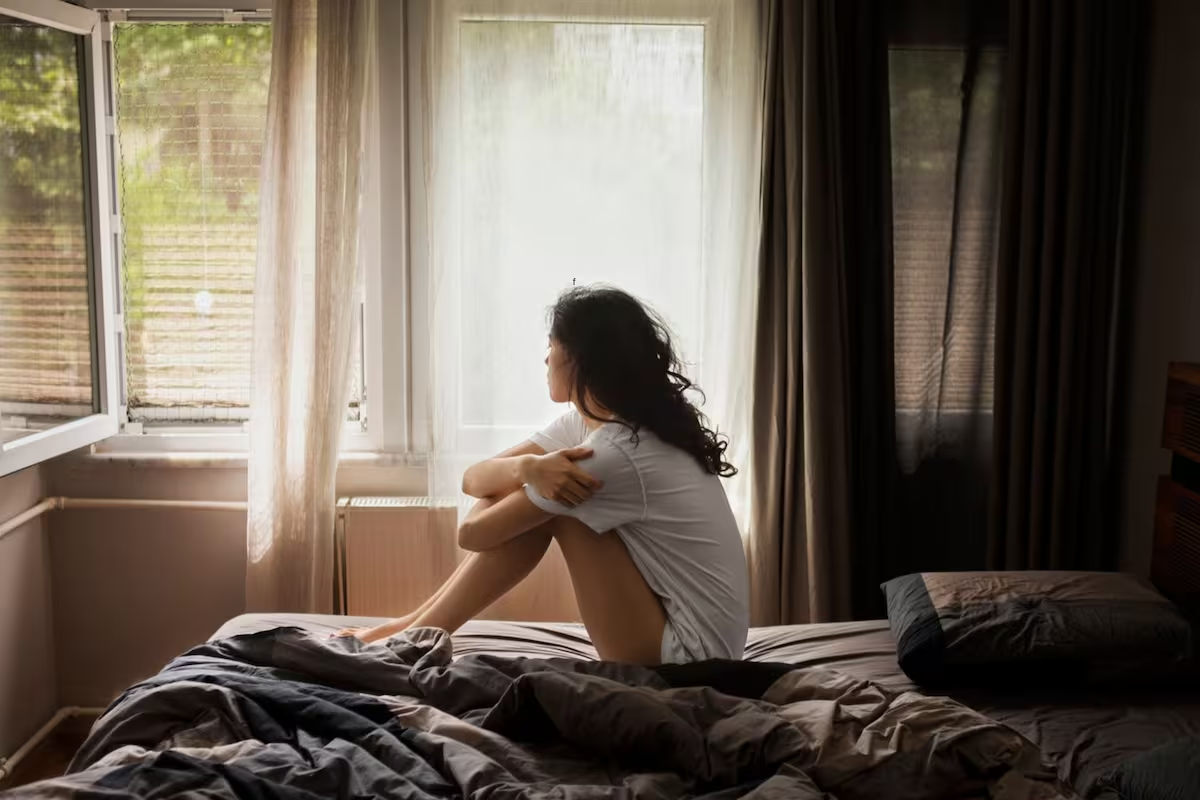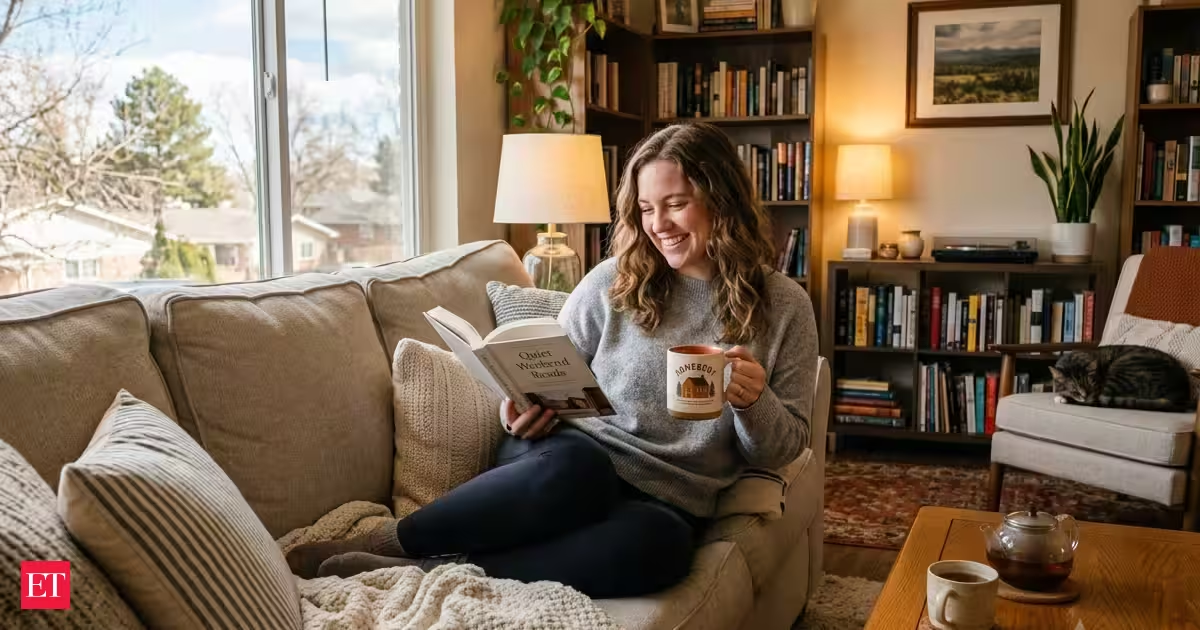
Psychology says people who like to stay at home on weekends instead of going out aren't necessarily avoiding society or rejecting friendships. Many people spend weekdays working, studying, or managing responsibilities. Weekends become an opportunity to recover from physical and mental demands. Staying at home may help reduce stress, improve concentration, and restore energy. Psychology explains that this choice often reflects personality, emotional needs, and lifestyle preferences rather than loneliness or poor social skills. Researchers also suggest that healthy social behavior includes knowing when to interact with others and when to spend time alone.Looking beyond common assumptionsPeople often believe that staying home every weekend means someone is shy or dislikes meeting others. Psychology does not fully support this belief.Many people choose to stay home because they enjoy activities such as:Reading booksWatching movies or documentariesCooking mealsSpending time with familyPlaying gamesGardeningExercising at homeLearning new skillsListening to musicRelaxing after a busy weekThese activities help many people feel refreshed before a new week begins.You Might Also Like:What Psychology says?Psychology explains that people have different social needs. Some people gain energy by spending time with groups. Others recover their energy through quiet time alone or with close family members.Choosing to stay home during weekends does not automatically mean someone dislikes people. It may simply mean they value peace, routine, or personal space. Mental recovery is an important part of emotional health. After several days of work or study, many individuals need time without schedules, meetings, or social obligations.Understanding the meaning of this behaviorEvery person manages stress in different ways. For some, going out with friends helps them relax. For others, staying home creates comfort and stability.This behavior may show that a person:Understands personal limitsValues emotional balancePrefers meaningful relationshipsEnjoys independent activitiesWants time for hobbiesFocuses on personal growthNeeds recovery after busy workdaysPsychology suggests that recognizing personal needs supports long-term well-being.Why do some people choose this lifestyle?There are many reasons why people stay home during weekends.Some common reasons include:Physical tiredness after workMental exhaustionFinancial planningFamily responsibilitiesPersonal hobbiesHealth concernsPreference for quiet surroundingsDesire to avoid crowded placesBetter sleep schedulesTime for planning the coming weekThese reasons are practical and differ from person to person.The psychology theory behind this behaviorOne explanation comes from Carl Jung's Theory of Personality. Jung described two broad personality orientations. Introversion refers to people who often regain energy through solitude or small social settings. Extraversion refers to people who often gain energy from interacting with larger groups and social activities.Modern psychology also uses the Big Five Personality Theory, which measures personality across several dimensions. One of these dimensions is extraversion. People who score lower on extraversion often enjoy calm environments and smaller social circles. This does not indicate poor mental health or weak communication skills. Instead, it reflects one way of processing experiences and restoring emotional energy.This psychology study saysMany psychological studies have found that solitude can provide important benefits when it is chosen voluntarily.Researchers have reported that planned alone time may:Lower stress levelsImprove concentrationIncrease creativitySupport emotional regulationHelp people reflect on personal goalsReduce mental fatigueStudies also note that healthy solitude is different from unwanted isolation. Healthy solitude is a personal choice. Social isolation happens when people want connection but cannot access it. The emotional outcomes of these two situations are different.The principle behind the behaviorPsychology explains this behavior through the idea of energy management. Every activity requires mental energy. Work, travel, conversations, meetings, and problem-solving all demand attention. During weekends, many people intentionally reduce these demands.By staying home, they create opportunities to:Recharge mentallyImprove emotional controlPrepare for upcoming responsibilitiesStrengthen personal routinesSpend quality time with familyThis balance helps many people function better during the following week.What can people learn from this behavior?Psychology encourages people to respect individual differences. Not everyone relaxes in the same way.Some important lessons include:Personal well-being matters.Rest is productive.Boundaries support mental health.Quality relationships matter more than the number of social events.Personal choices should match emotional needs.Balance between social time and personal time is important.Understanding these differences can reduce misunderstandings between friends, family members, and coworkers.Life lessons from staying home on weekendsThis behavior offers several practical lessons.Listen to your body's need for rest.Avoid comparing your lifestyle with others.Build routines that improve well-being.Spend time on meaningful activities.Make space for self-care.Value both relationships and personal time.Understand that different personalities require different forms of relaxation.Psychology suggests there is no single correct way to spend a weekend. What matters most is whether the activity supports physical, emotional, and mental well-being while maintaining healthy social relationships over time.
Psychology says people who like to stay at home on weekends instead of going out aren't antisocial: What this behavior means and the psychology behind it
Psychology says people who like to stay at home on weekends instead of going out aren't always avoiding people. Psychology explains that many people use weekends to rest, recover, and recharge. This behavior can support mental well-being, reduce stress, and improve focus. Different personality traits, lifestyle choices, and psychological theories help explain why many people prefer staying home instead of attending social events.
734 words~3 min read