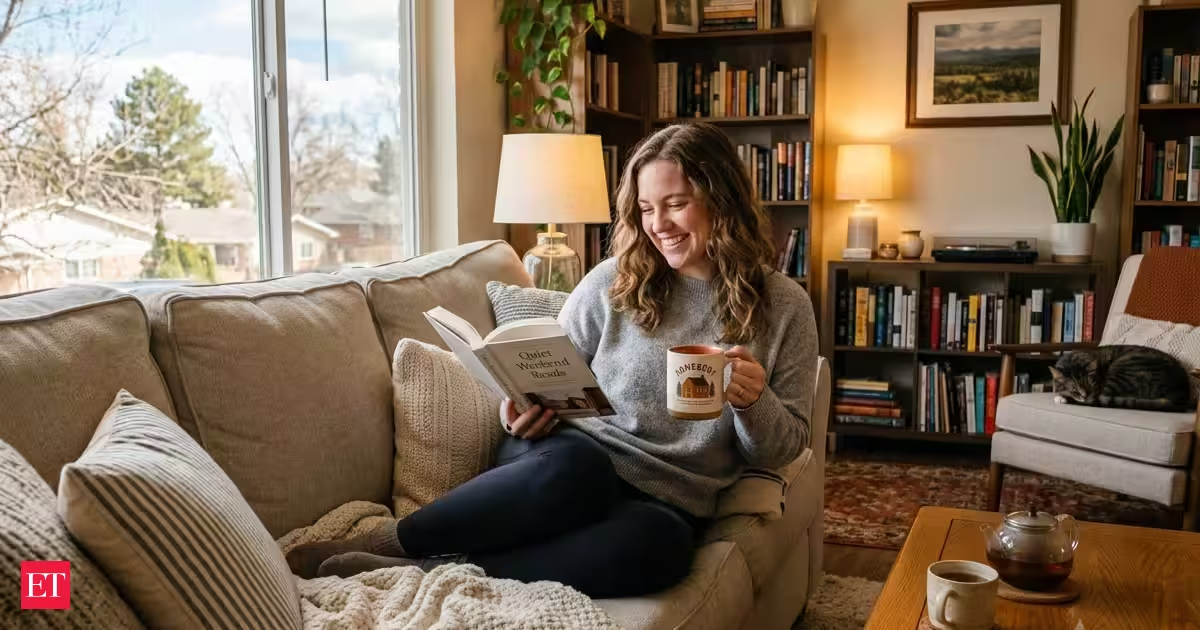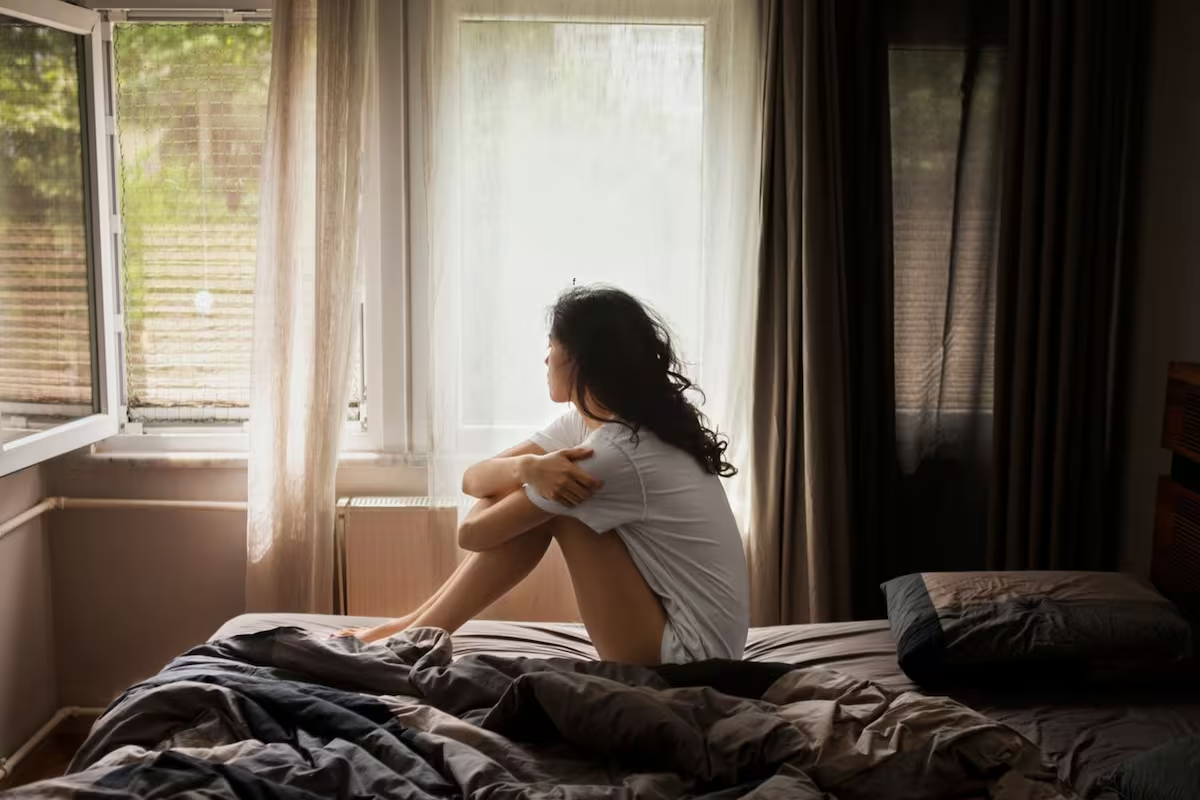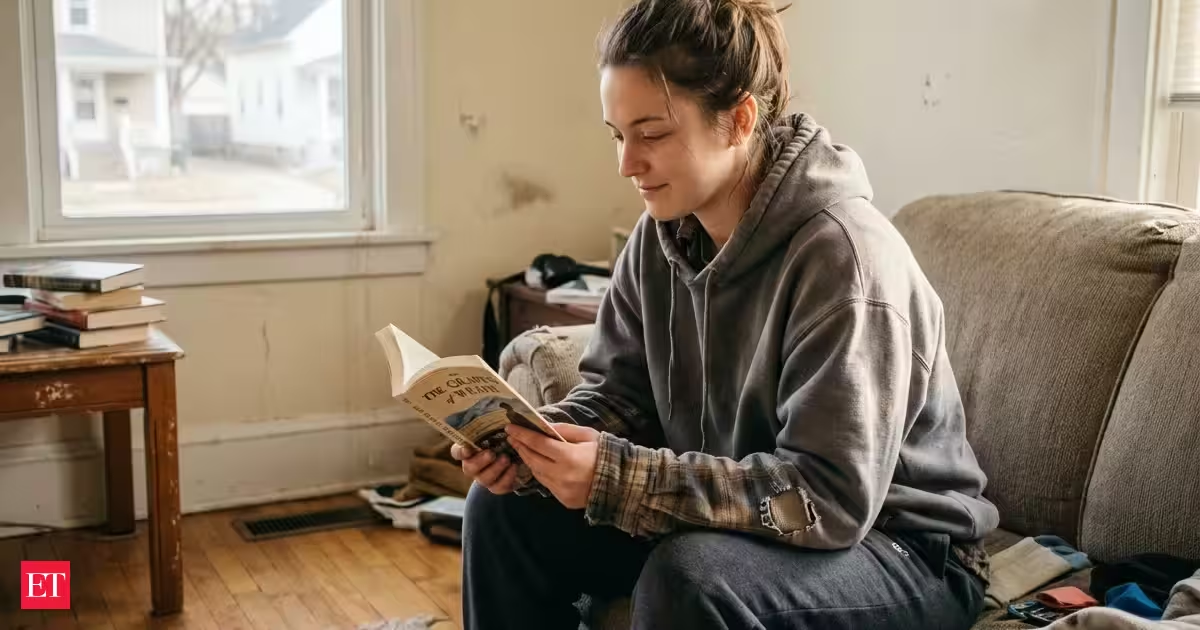
People who prefer staying at home or frequently cancel social plans often do so due to differences in emotional energy, stress levels, and personality traits such as introversion. Psychology suggests that this behavior is not about avoiding people but about managing mental fatigue, protecting personal boundaries, and choosing environments that feel calm and safe. While social interaction is an important part of life, not everyone gains energy from constant engagement. For many individuals, solitude, rest, and quiet routines are essential for restoring balance and maintaining emotional well-being in daily life. Research also indicates that people often rely on indirect communication when declining plans to avoid discomfort or conflict. In this way, staying home or postponing social activities can reflect self-care, recovery, and the need to recharge rather than disinterest in relationships or social connection.10 phrases people who prefer staying home often useMaybe“Maybe” is a flexible reaction that avoids commitment while keeping possibilities open. It is often used when someone genuinely needs to participate but cannot forecast their future energy or mood. I’m dealing with a lot right now This phrase usually appears when someone is mentally overloaded. It may include work pressure, emotional fatigue, or simply the requirement for quiet time away from demands. Rather than describing everything in detail, individuals use this phrase as a short method to feature they are at capacity.I made plansThis phrase is often used as a soft boundary when someone feels uncomfortable saying no directly. The “plans” may or may not be fixed, but the phrase helps design a space without confrontation. Research from Michigan State University indicates that while indirect refusals can sometimes result in misunderstandings in relationships, they are commonly used when people struggle to express boundaries openly. I’m tired / I had a long dayThis is one of the most universally understood reasons for canceling plans. It reflects both physical exhaustion and emotional depletion from work, responsibilities, or overstimulation. For introverts especially, even routine social interaction can feel draining after a demanding day. I haven’t had a second to do nothingIn today’s fast-paced environment, doing nothing has become a form of self-care. Wellness discussions have increasingly recognized that rest is not wasted time. Hartford Hospital experts note that even 10 minutes of doing nothing can improve mental clarity and reduce stress levels. When someone uses this phrase, it usually means they are prioritizing recovery over social activity. Next timeThis is one of the most common gentle deflections used when someone lacks the energy to meet but does not want to say no directly. As per the University of California study, individuals often use softened language when canceling plans. In reality, “next time” is often a protective phrase. It keeps the door open socially while enabling the person to withdraw without guilt. I’ll let you knowThis phrase reflects uncertainty and fluctuating social energy. It is often used when someone genuinely does not know how they will feel later or already suspects they may not attend but wants to avoid an immediate refusal.I’m not feeling wellThese phrases are commonly used as rapid exits from social plans. They offer an immediate and socially acceptable reason to remain home without deeper explanation.I think I’ll sit this one outThis phrase is often used when someone chooses to withdraw from a social situation without rejecting it entirely. It reflects a calm, non-confrontational decision to skip an event due to low energy or preference for quiet environments.I need some alone timeThis is one of the most direct and honest phrases used by introverts and homebodies. It clearly communicates the need for solitude without ambiguity or excuse-making. The people who understand introversion recognize that this phrase is not about rejecting others. Instead, it reflects the need to recharge after social interaction. Why these phrases matterPeople who prefer staying home are not necessarily avoiding others, they are managing limited social energy. Introversion research consistently indicates that alone time helps restore focus, emotional balance, and motivation after periods of interaction.While it’s important to maintain honesty in relationships, these phrases often emerge from a need to protect personal boundaries in situations where direct refusal feels uncomfortable. Over time, learning to balance honesty with self-care becomes essential for healthier communication. Ultimately, whether someone says “Next time” or “I need some alone time,” the underlying message is often the same: a need to pause, reset, and return when energy is restored.Source: YourTangoFAQs:Q1. Why do people prefer staying home? People often stay home to recharge their mental and emotional energy. It helps them feel relaxed and less overwhelmed.Q2. Is canceling plans a bad habit? Not always. Occasional cancellations can be normal if they reflect genuine fatigue or personal needs.
Psychology says people who prefer staying home often have these 10 phrases in common
Psychology suggests that people who prefer staying home often use familiar phrases that reflect their need for rest, boundaries, and emotional balance. Expressions like “Im tired,” “lets do it another time,” or “Ill let you know” are not always excuses but signals of social fatigue or low energy. While extroverts gain energy from interaction, homebodies recharge in quiet environments.
774 words~4 min read