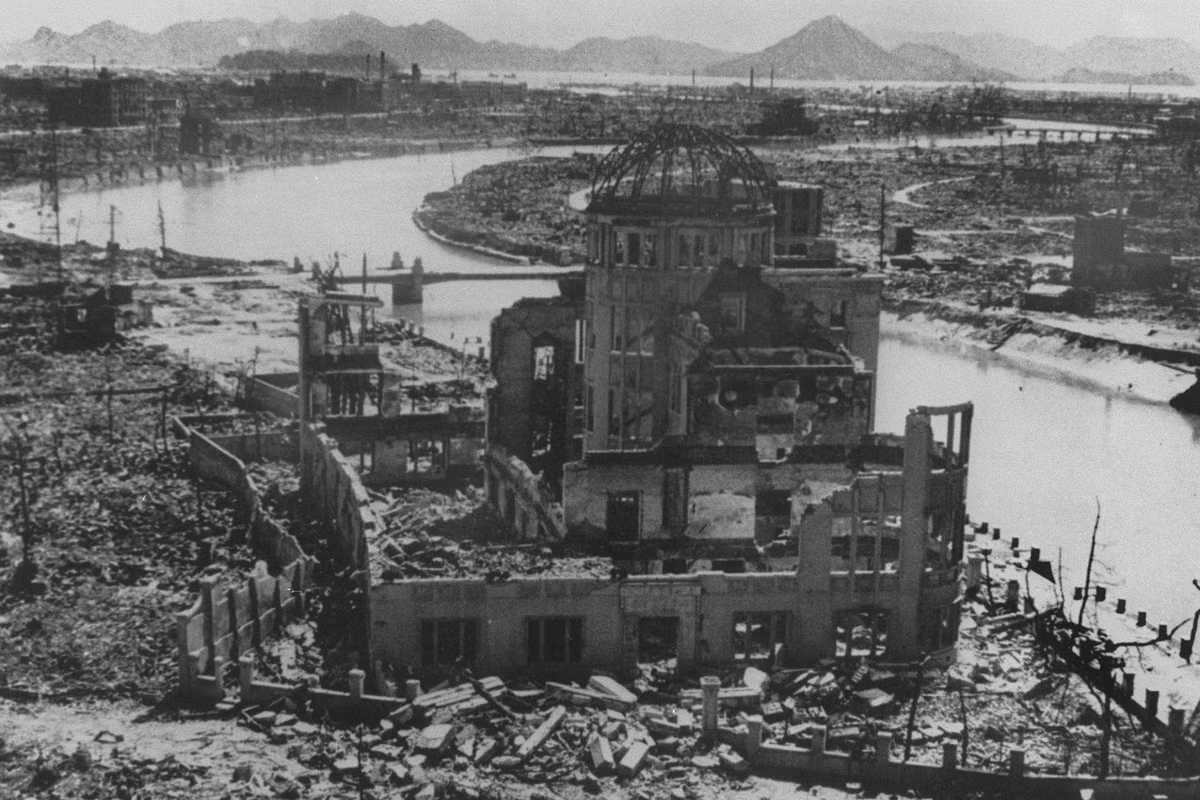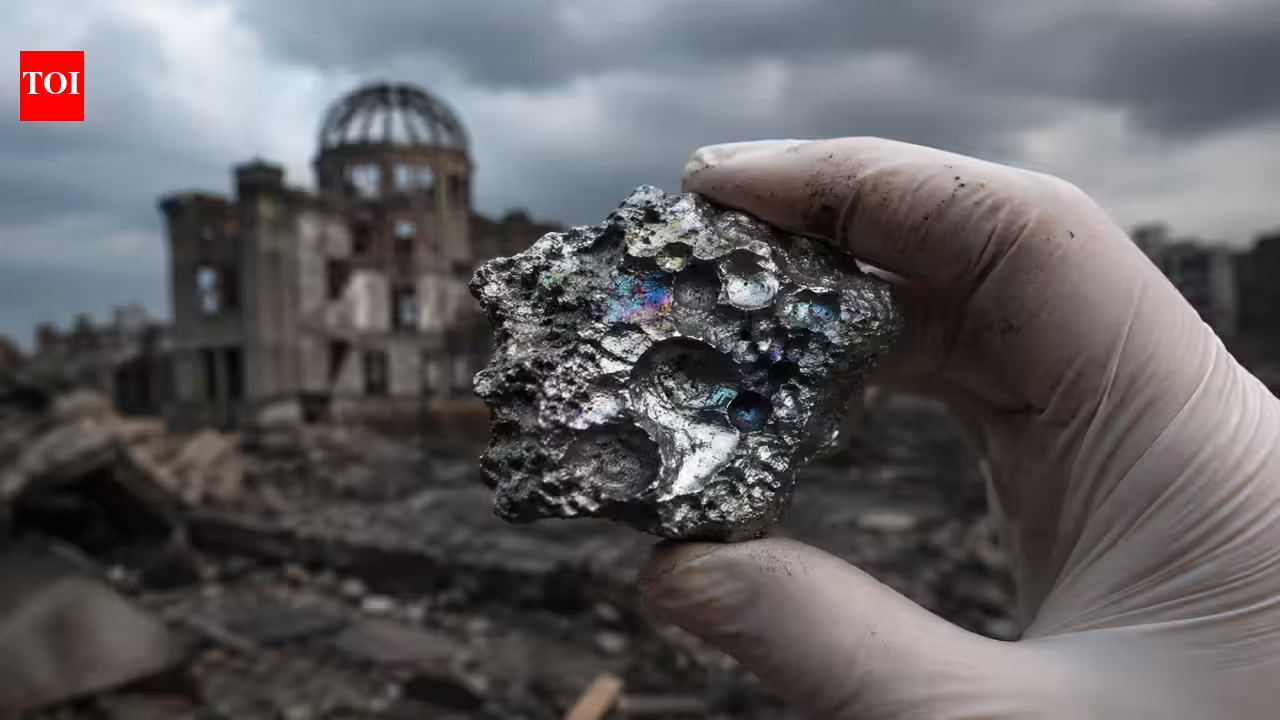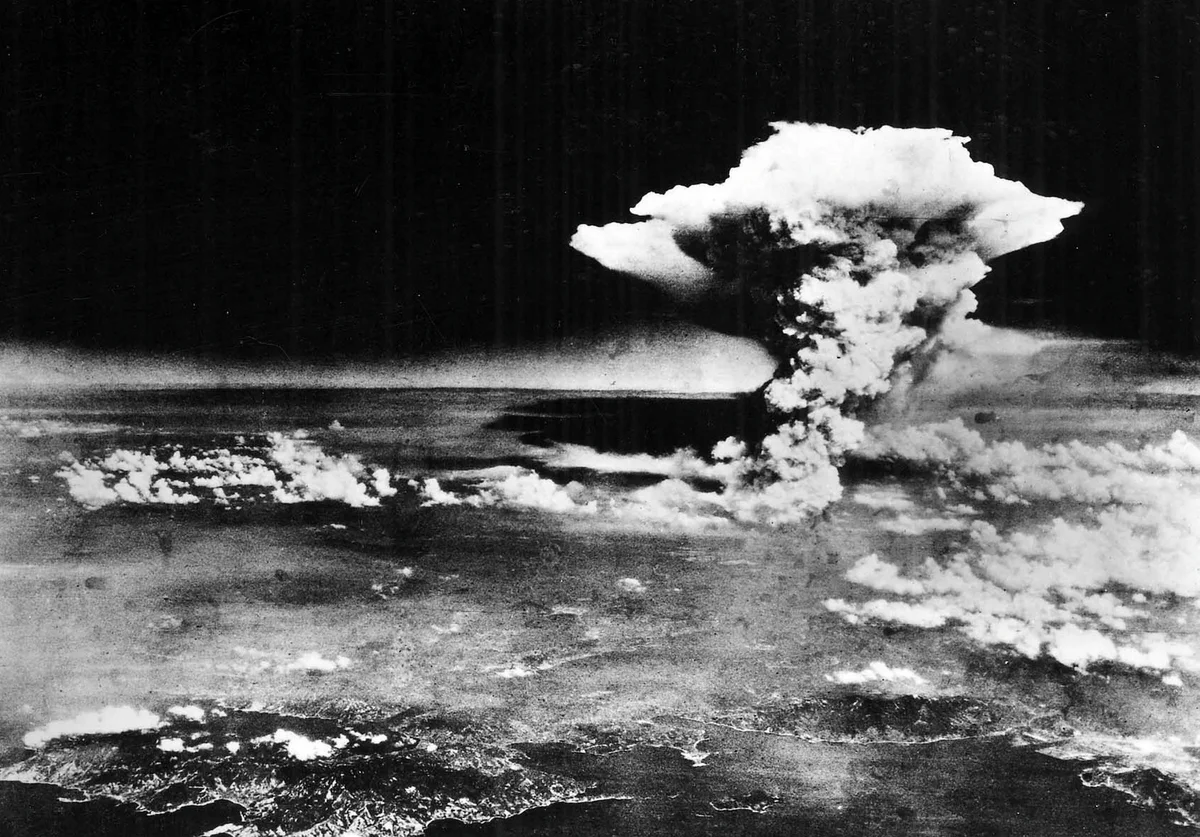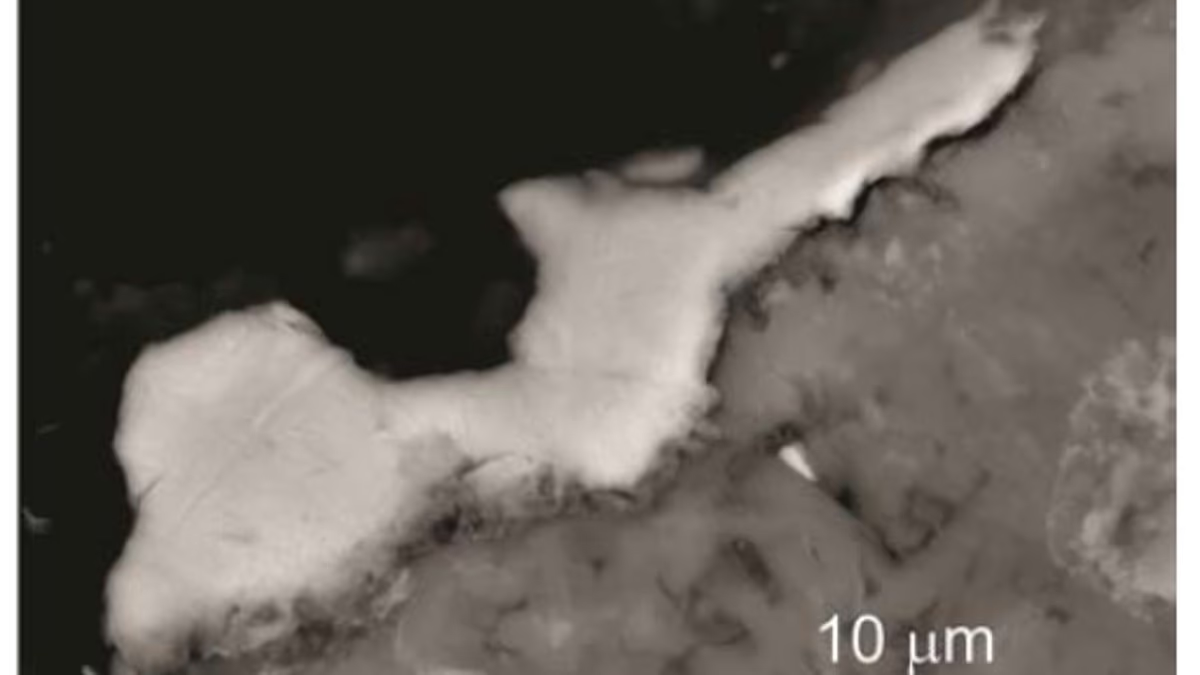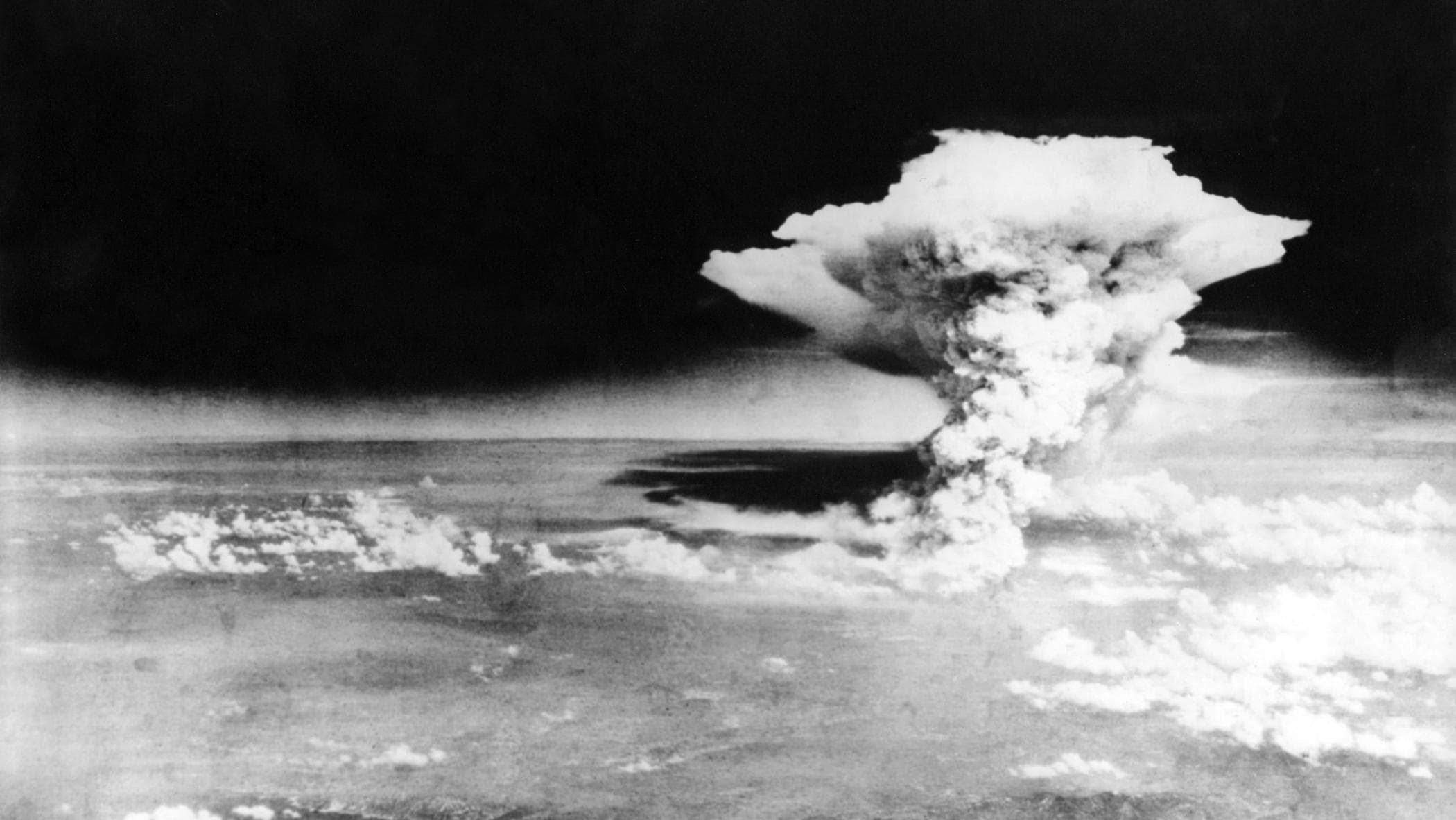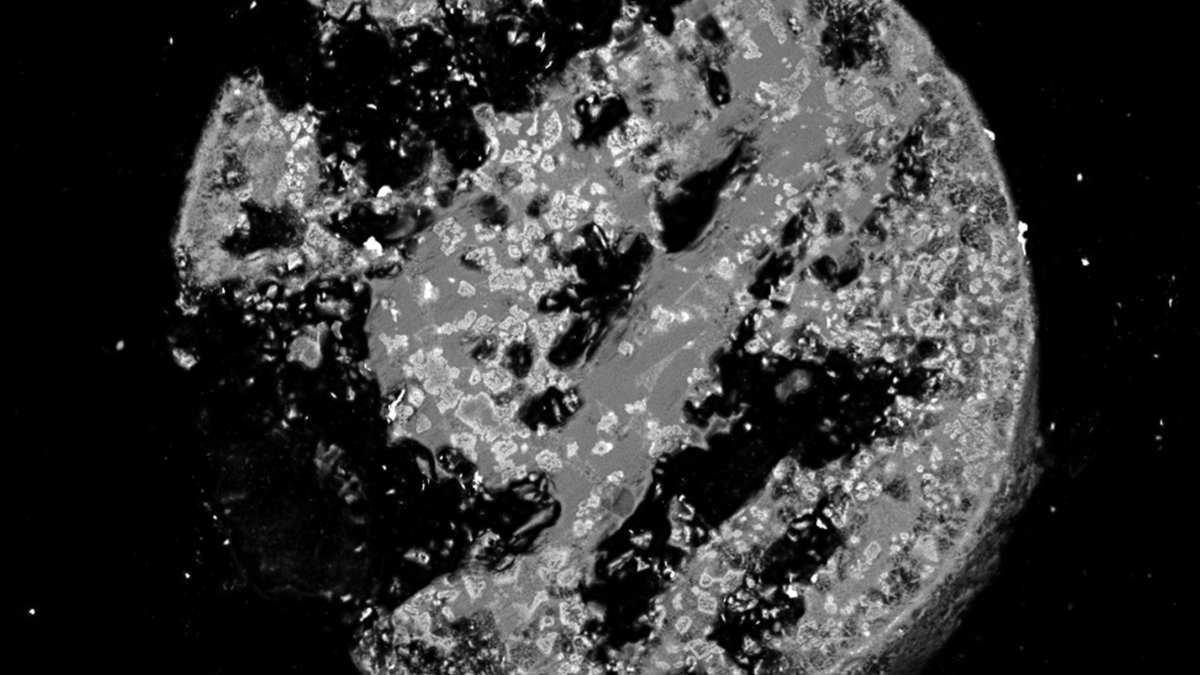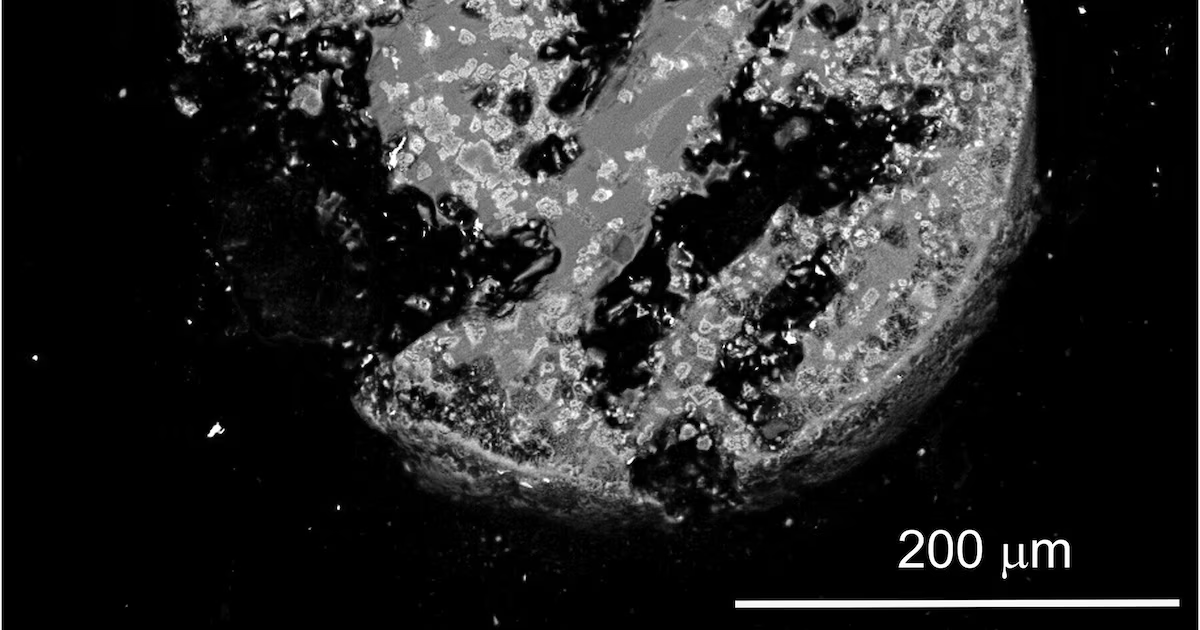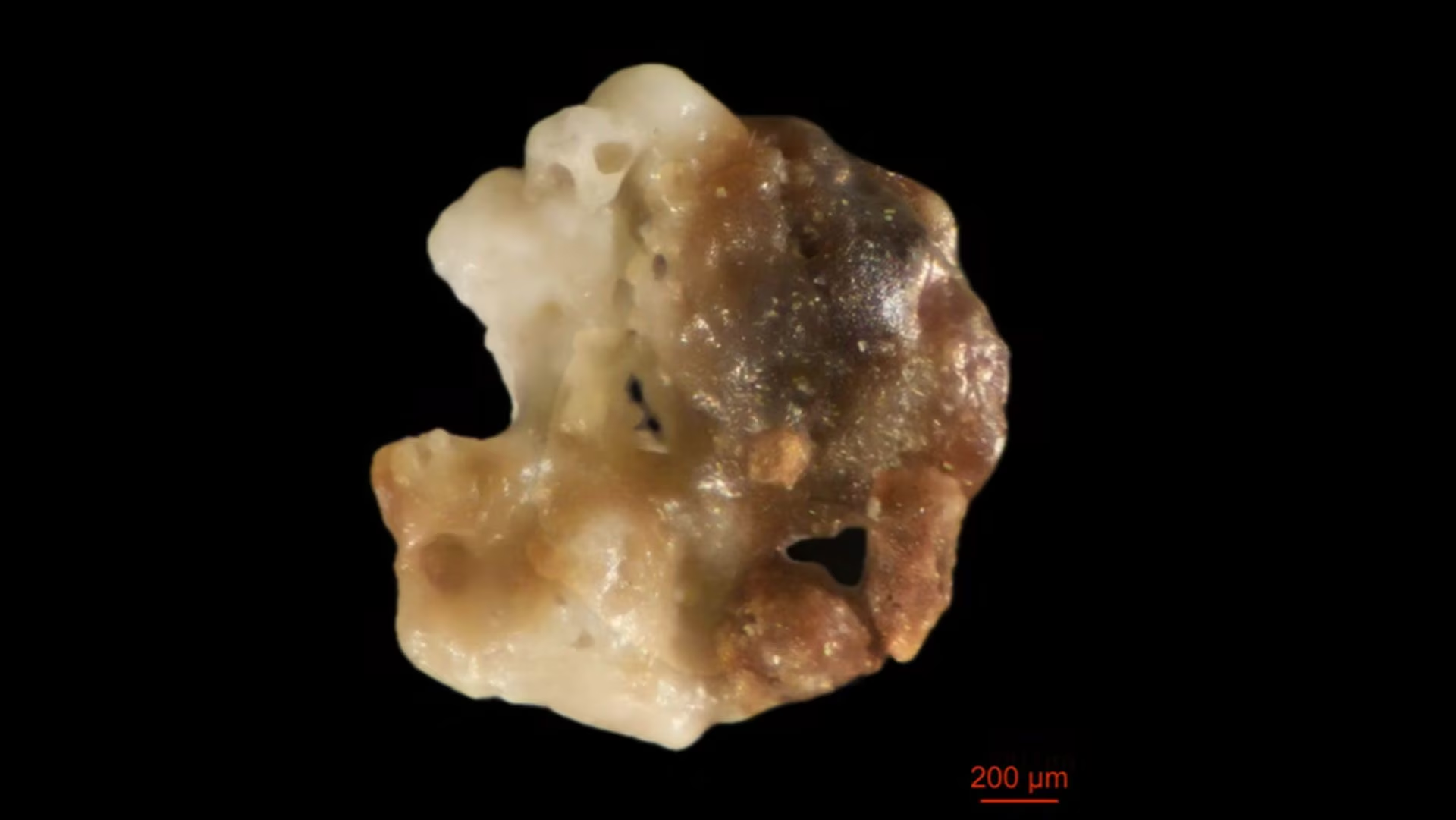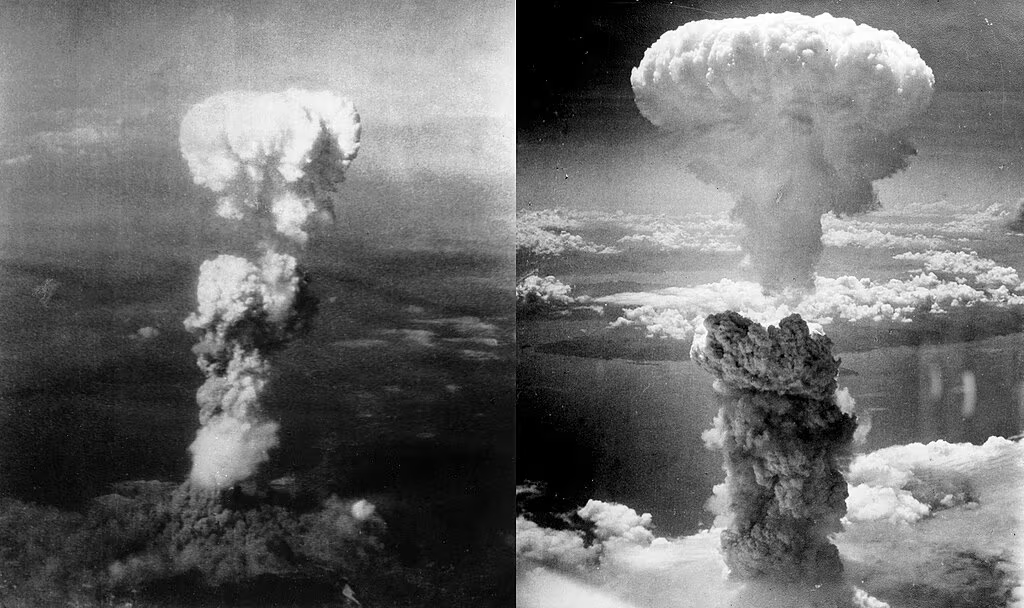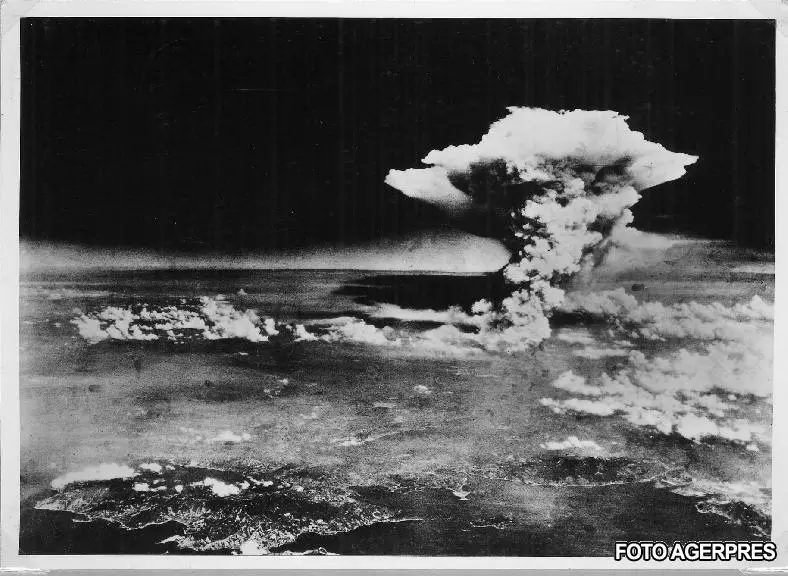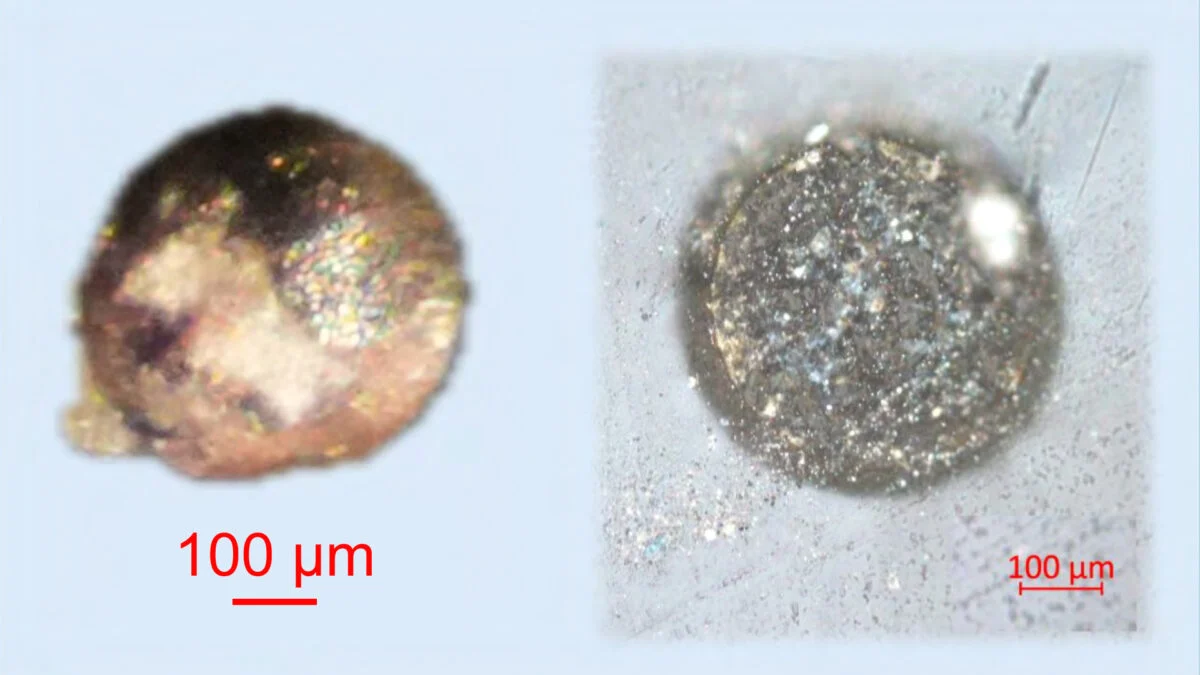
In the summer of 1945, atomic bombs struck the Japanese cities of Hiroshima and Nagasaki. Within seconds, the explosions turned into expanding fireballs that completely transformed the landscape—so much so that, 80 years later, scientists are still discovering the unexpected consequences of the explosions. A Science Advances paper published today details the discovery of a previously unknown, silicon-rich alloy that formed during the atomic bombing of Hiroshima. The crystalline compound was a multicomponent alloy, or a mix of five or more principal metallic elements, according to the paper. Luca Bindi, the study’s first author, also led a recent project that discovered a new crystal forged in the aftermath of the Manhattan Project’s Trinity test. These extreme events forged entirely new types of chemical compounds—not just simple deformations but complex structures with unique compositions. “We discovered a previously unknown, silicon-rich multicomponent alloy inside a microscopic spherule formed during the Hiroshima atomic blast,” Bindi, a geologist and crystallographer at the University of Florence in Italy, told Gizmodo. “Together with our earlier discoveries in Trinity debris, [the finding] suggests that extreme, rapidly quenched environments can systematically explore unusual regions of structural and chemical phase space.”
Physicists Discover Previously Unknown Substance Born From Hiroshima Atomic Bombing
The most destructive events in human history seem to have created our strangest chemistry labs.
619 words~3 min read