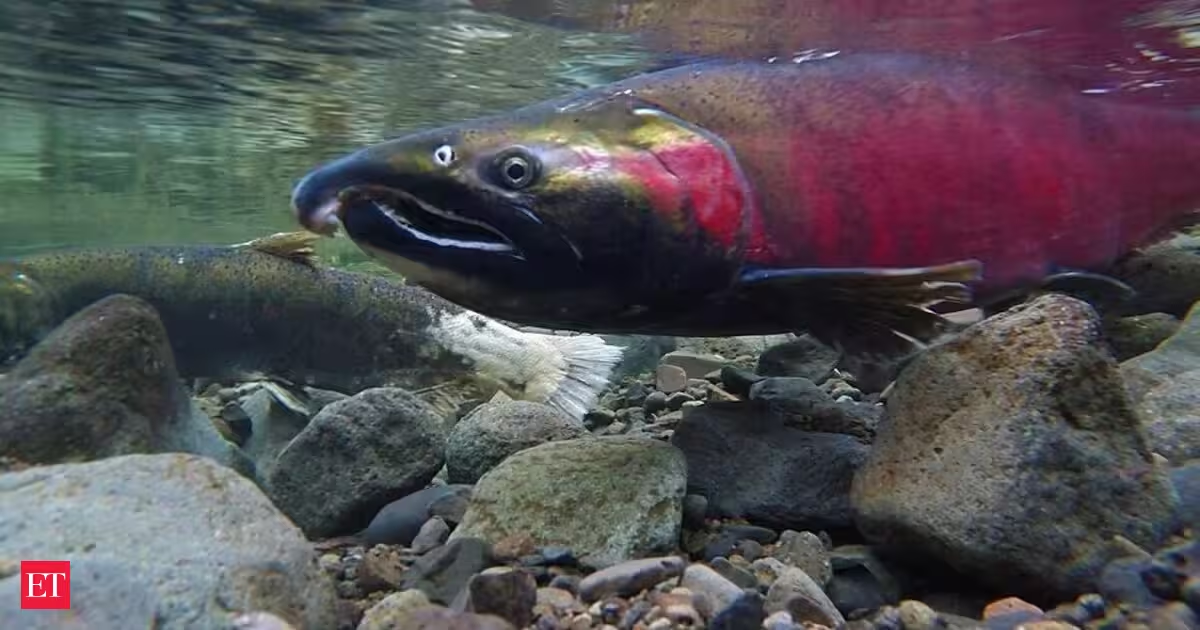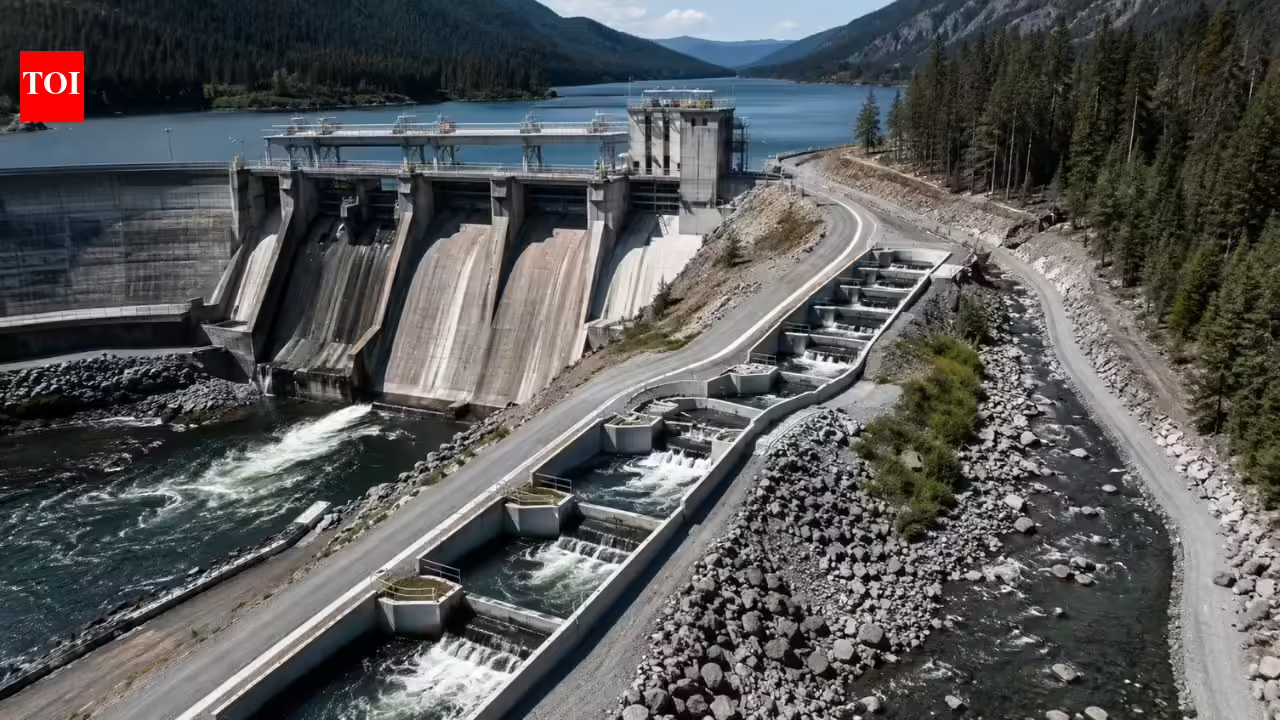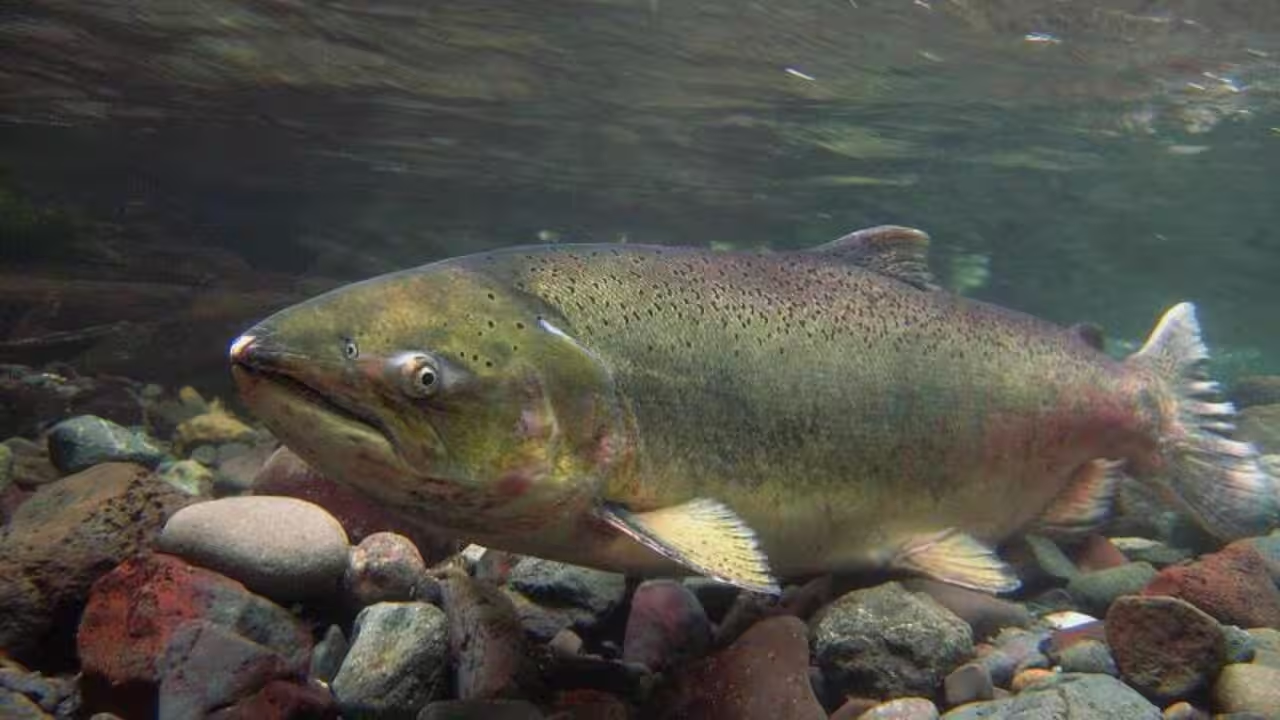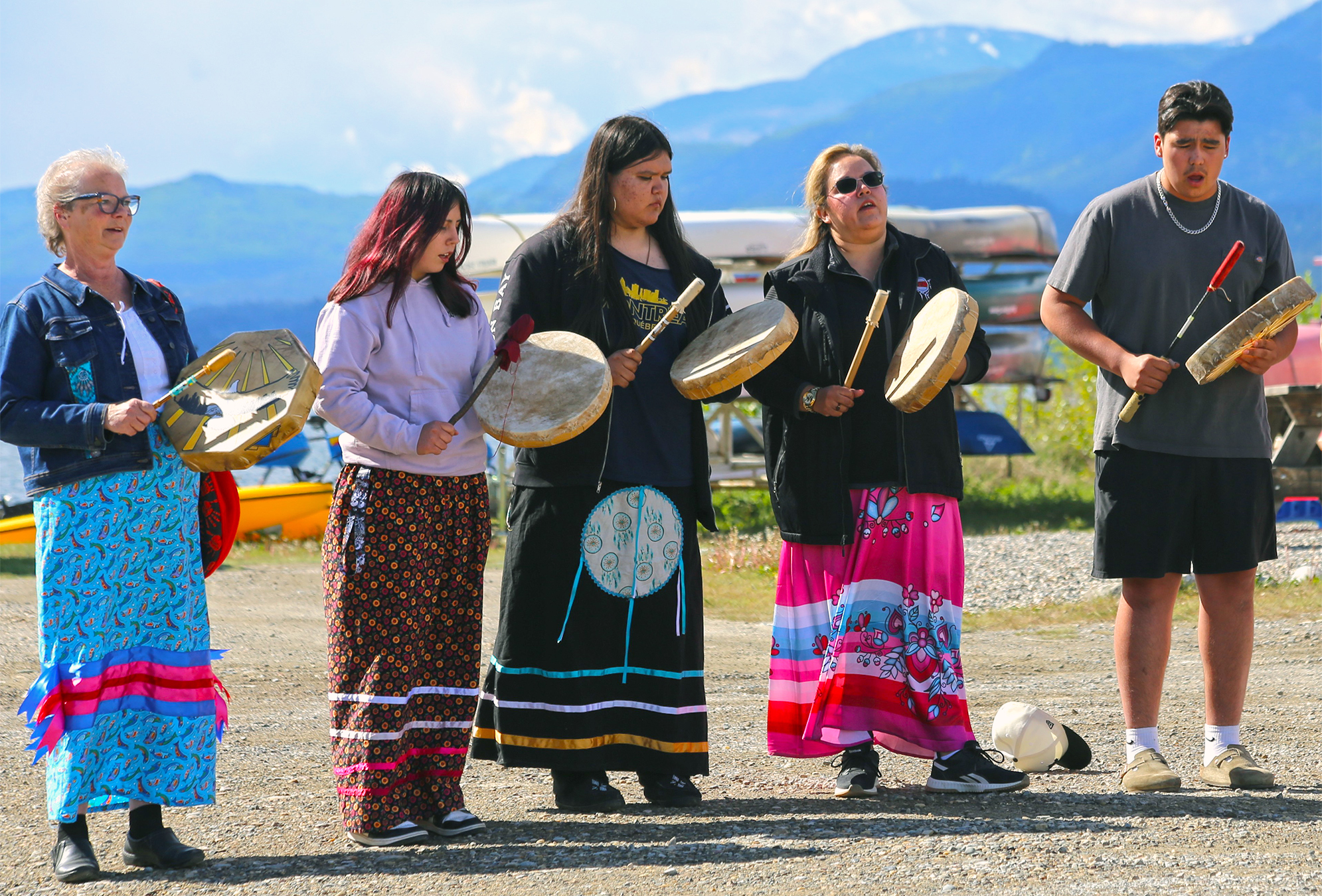
First Nations in British Columbia, western Canada, are working to restore salmon to the Upper Columbia Basin and leading ceremonial salmon fry releases to reestablish connections between salmon and salmon people.The Columbia River was once one of the greatest salmon-bearing rivers in North America, but the construction of the Grand Coulee Dam, built without fish passage mechanisms, blocked salmon from a significant portion of the river’s length.The loss of salmon has profoundly affected Indigenous nations and tribes, with a loss of food sovereignty and cultural connections.The Bringing the Salmon Home initiative, led by the Secwépemc, Syilx-Okanagan and Ktunaxa nations, in partnership with the governments of British Columbia and Canada, is advancing salmon reintroduction to the Upper Columbia Basin, with technical studies showing reintroduction is feasible.
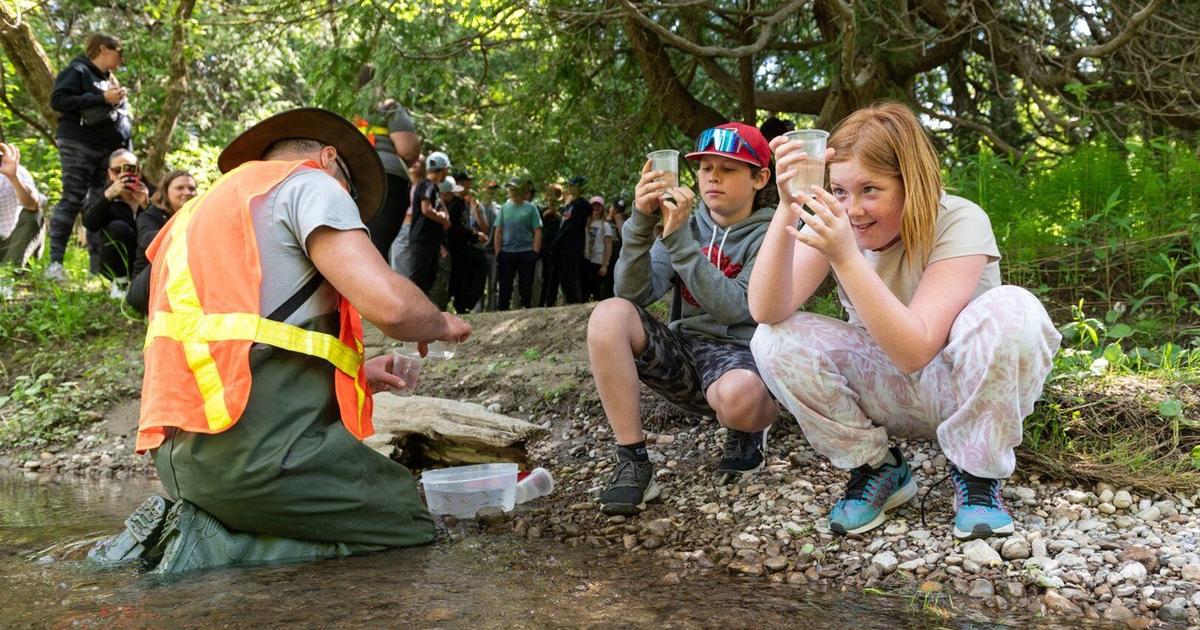
INVERMERE, Canada — Mark Thomas, Secwépemc salmon chief for the Upper Columbia, welcomes groups of students to a narrow stretch of the Columbia River, between the Rocky and Purcell mountains in western Canada. It’s late May, and snow still graces the distant peaks.
For the past five months, students from schools nearby towns have raised sockeye salmon (Oncorhynchus nerka) in their classrooms. They have watched pea-sized eggs transform into tiny, newly hatched fish known as alevin, with an egg sac still attached to their silvery bodies, and then to free-swimming fry. This morning, they will slip the fry into the river, just downstream from its headwaters in the province of British Columbia.