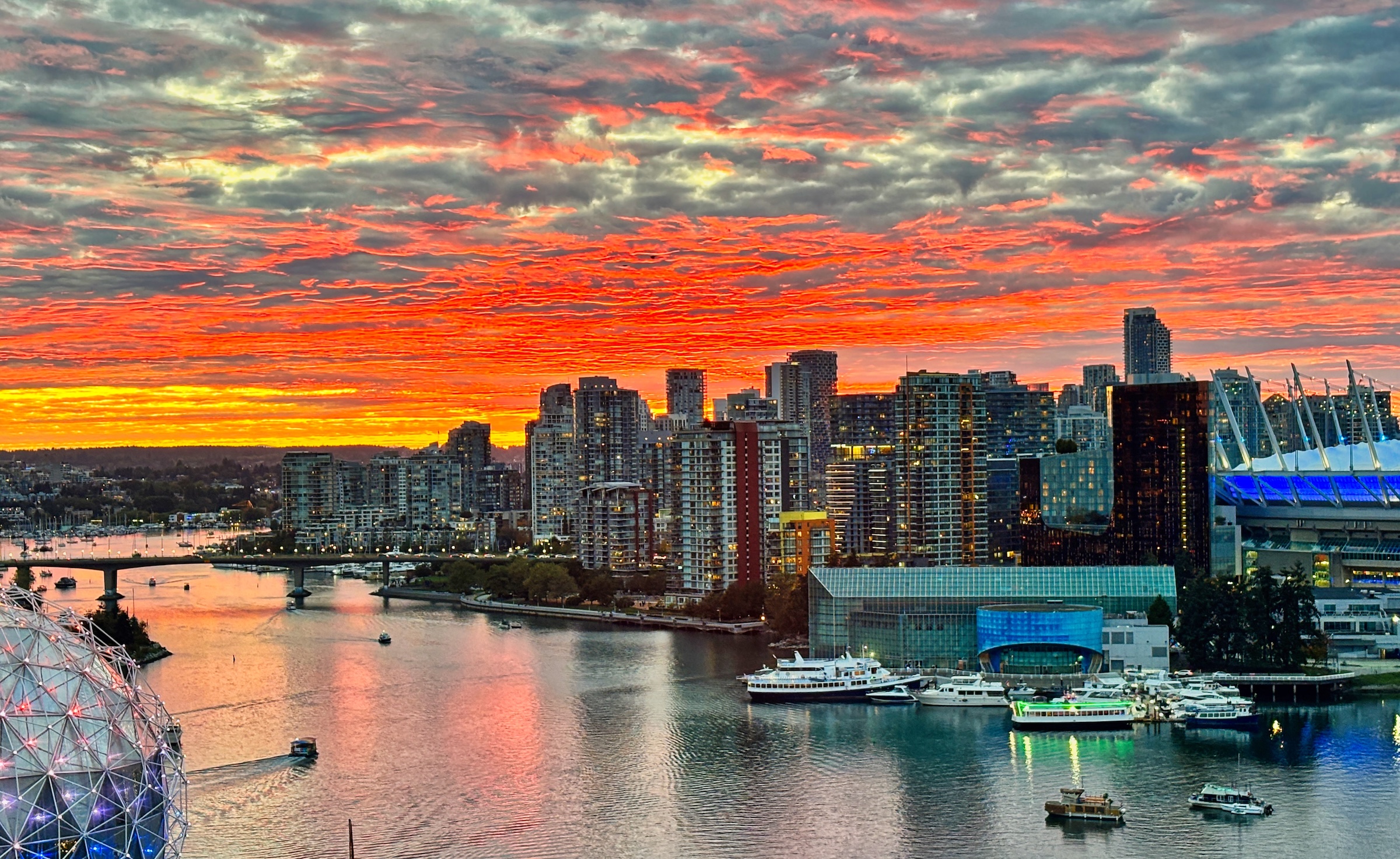
A group of advocates is seeking to transform False Creek, a tidal inlet in Vancouver, Canada, from a polluted city inlet into a place where nature thrives and people can safely swim in the water.Facing jurisdictional challenges over who gets to decide the future of this once vital marine ecosystem, advocates have explored various governance models for the inlet, such as getting it designated as an urban marine park or granted environmental personhood.Not everyone agrees, and now, they are pushing for the surrounding community to voice their desires and negotiate for False Creek’s future.
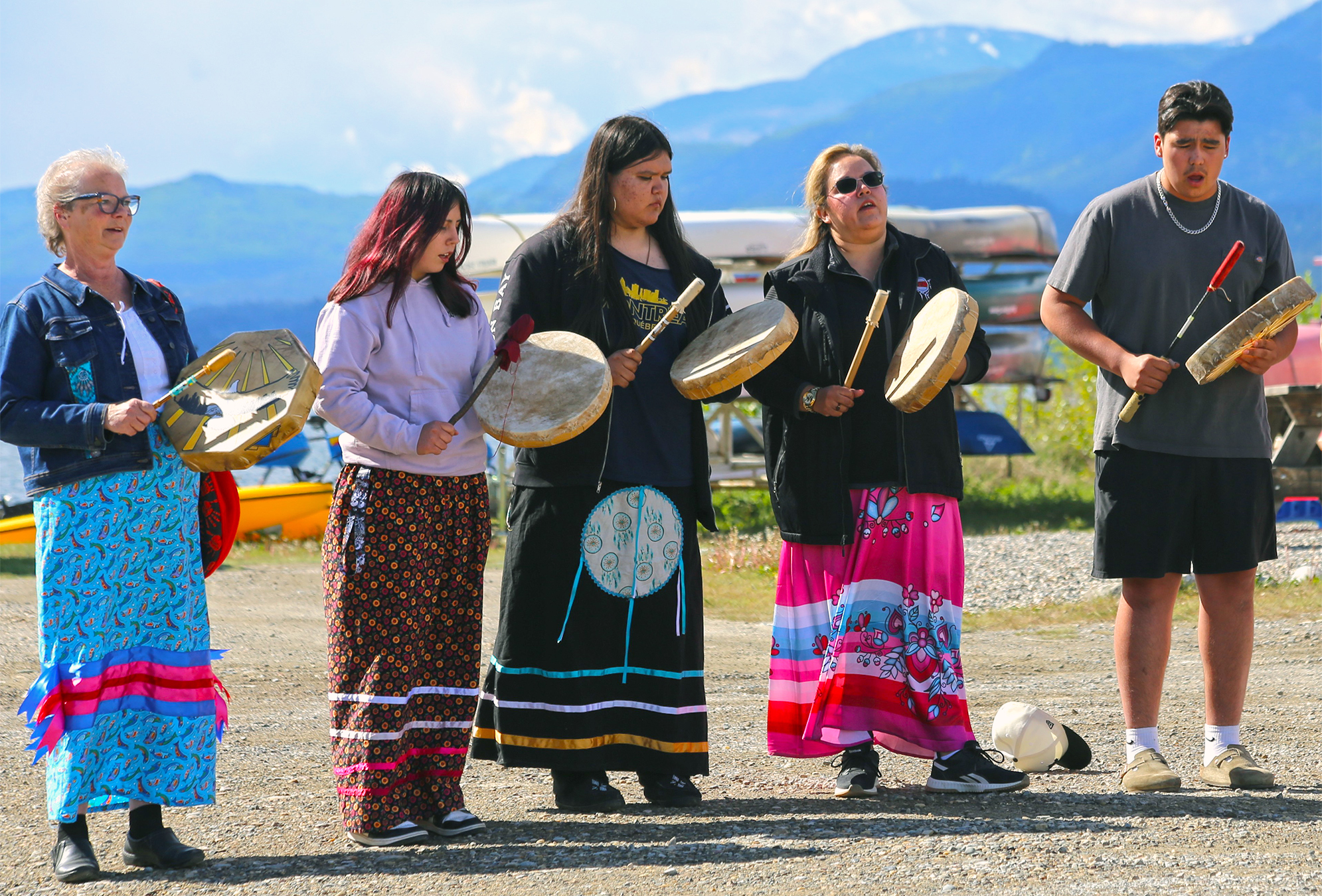
VANCOUVER — Two hundred years ago, Talaysay Campo’s ancestors harvested clams and cockles along the shore of Vancouver’s False Creek. “It was a huge aquaculture site,” Campo, a member of the Squamish First Nation and operations manager of Talaysay Tours, a company dedicated to sharing the history of Indigenous peoples, tells Mongabay.
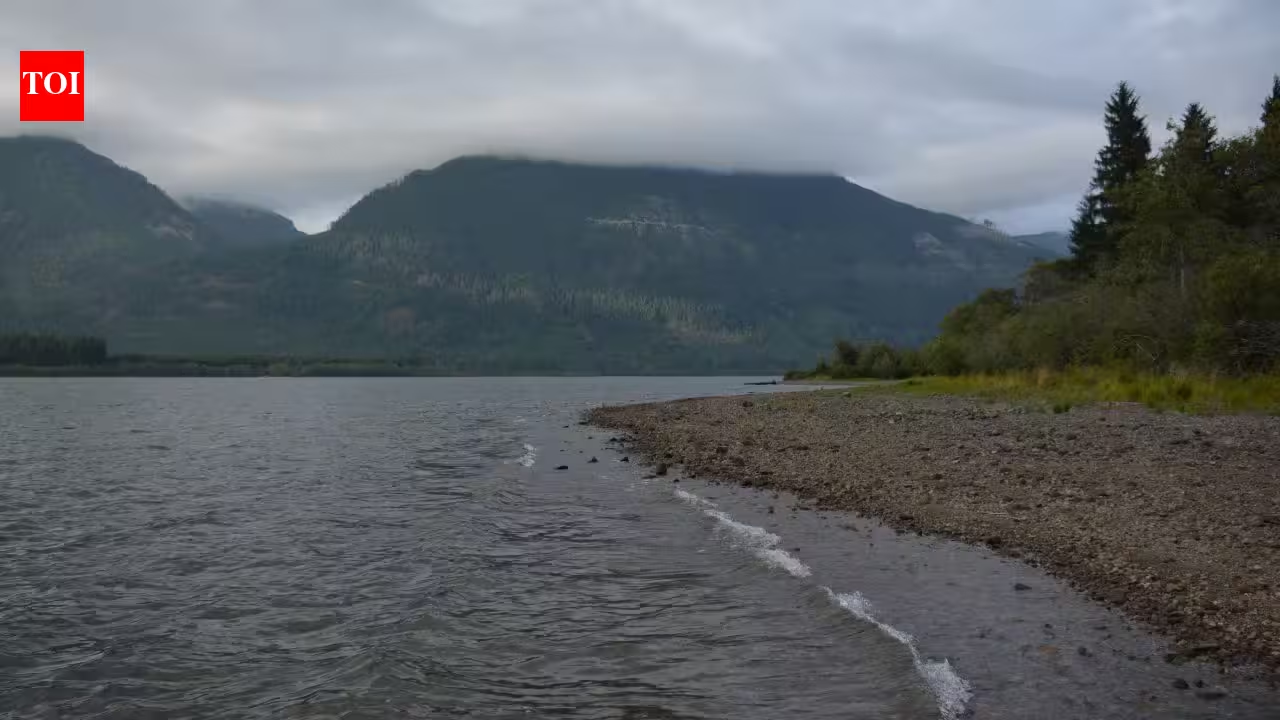
Today, little remains of the abundance Campo describes. Even the name False Creek obscures the ecological richness that once defined the waterbody. This narrow, 3-kilometer (almost 2-mile) long waterway traversing the heart of Vancouver is not a freshwater creek as the name implies, but a saltwater tidal inlet. It received its name in 1859 from a British sea captain who discovered he’d been mistaken in believing he’d been traveling through a creek and called it False Creek as a warning to other mariners.