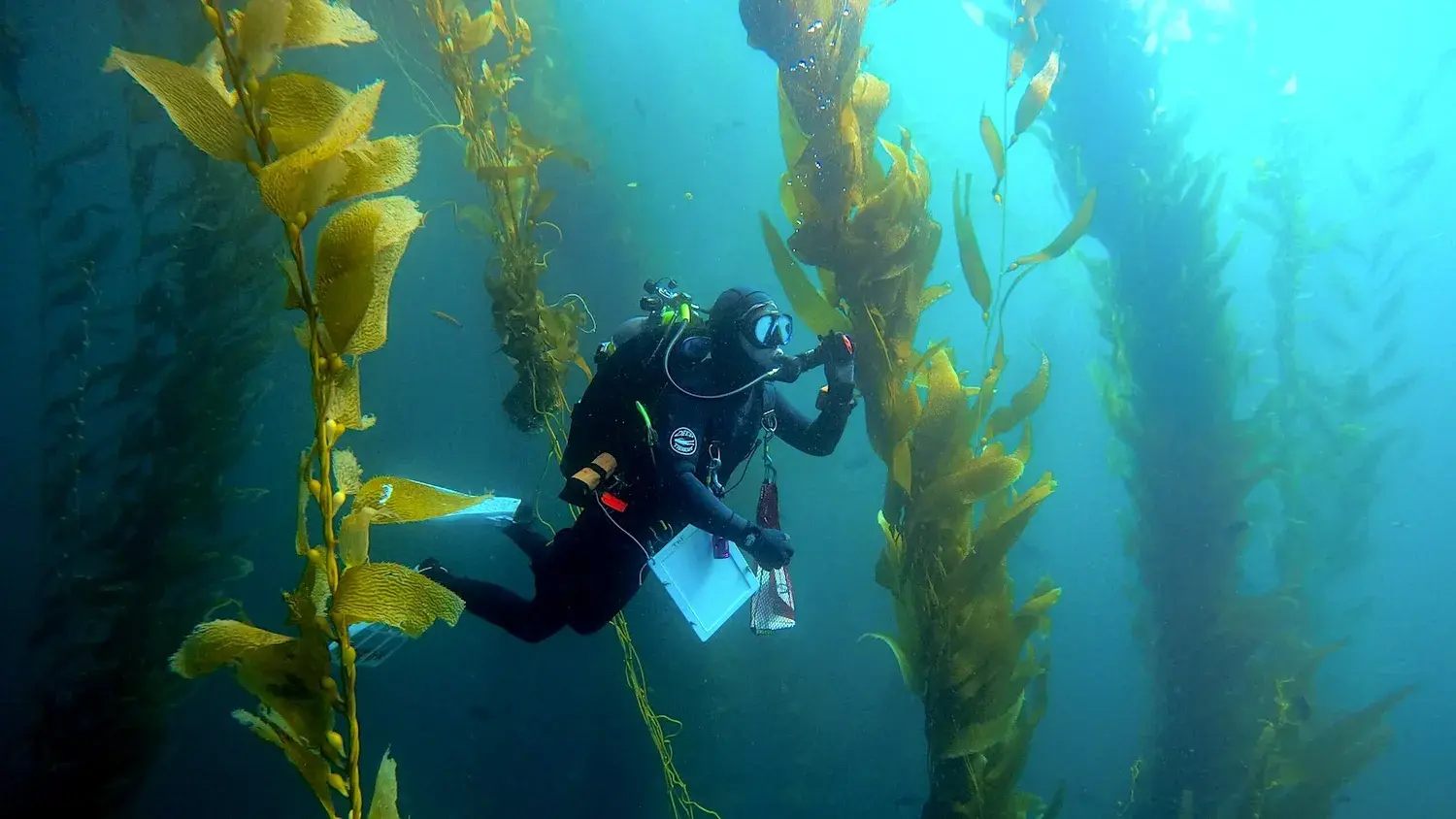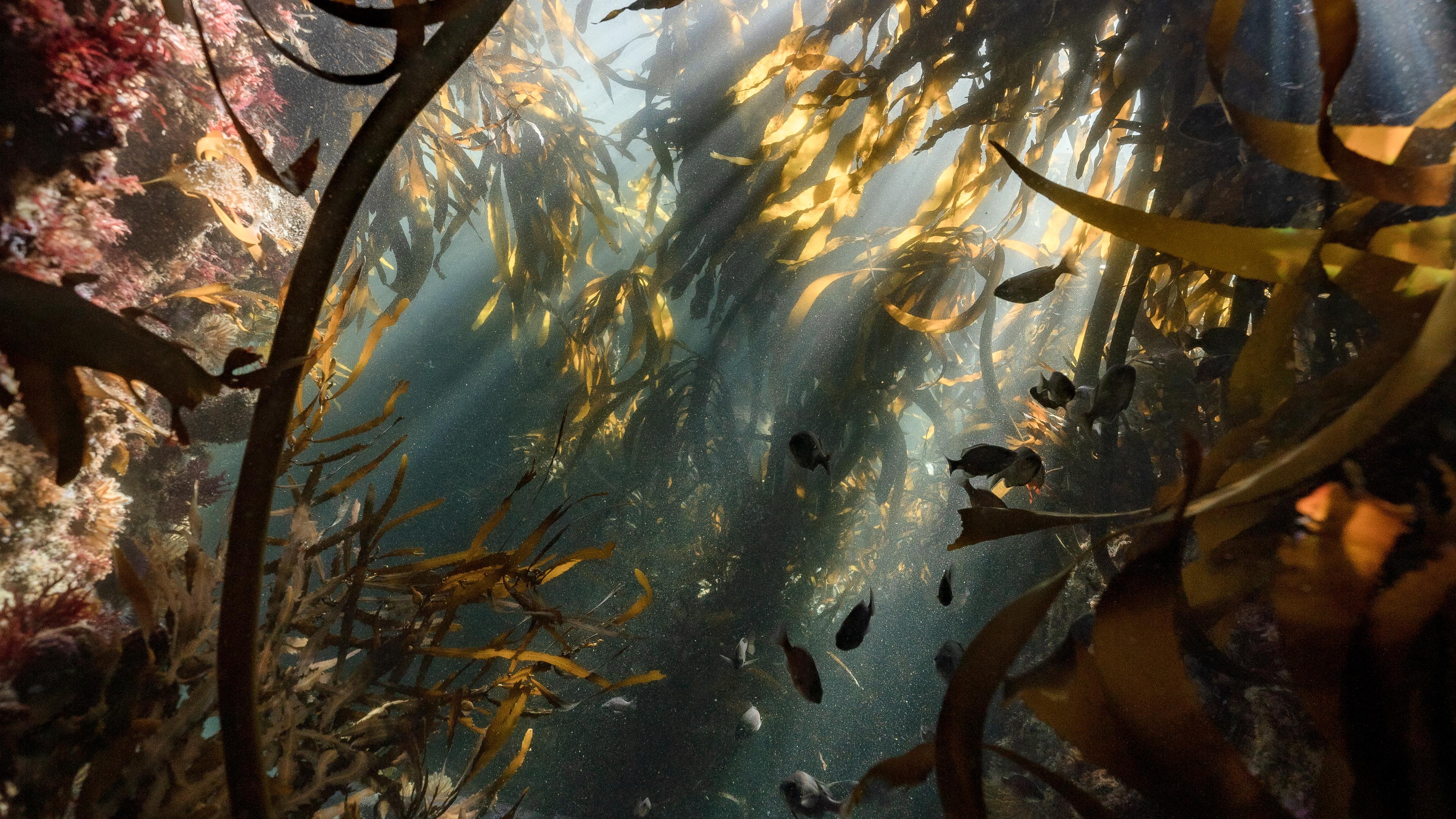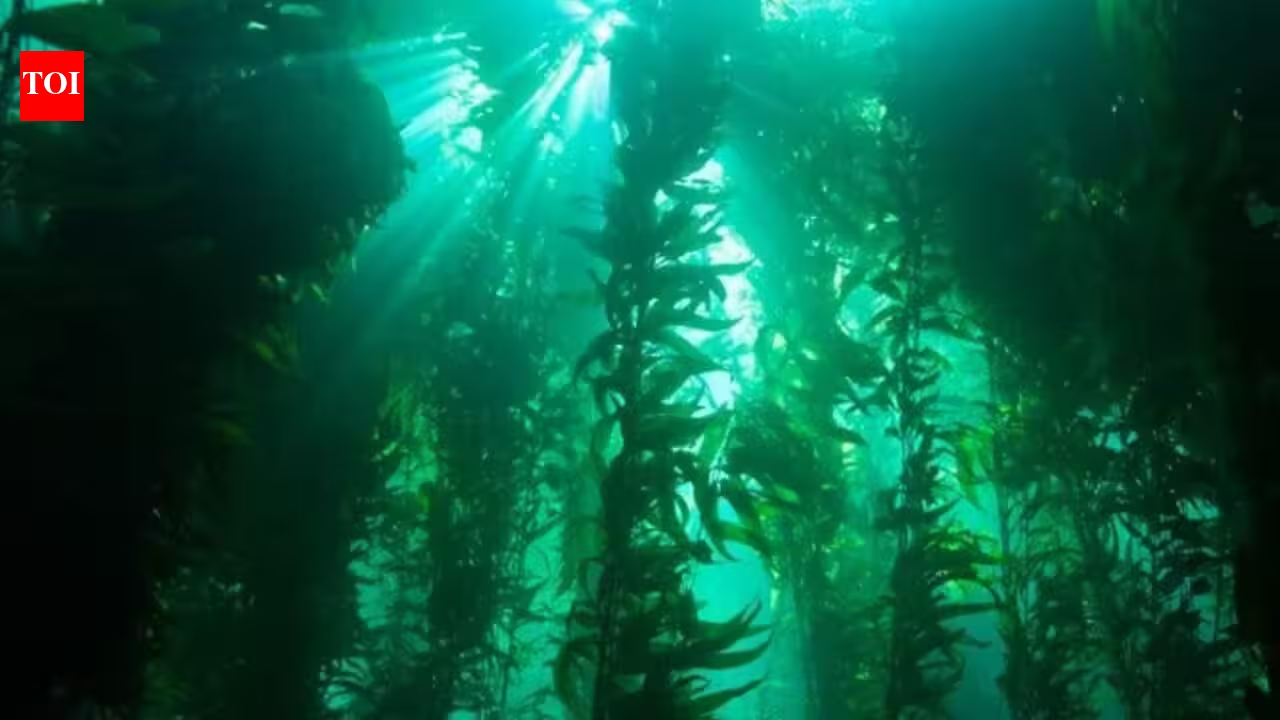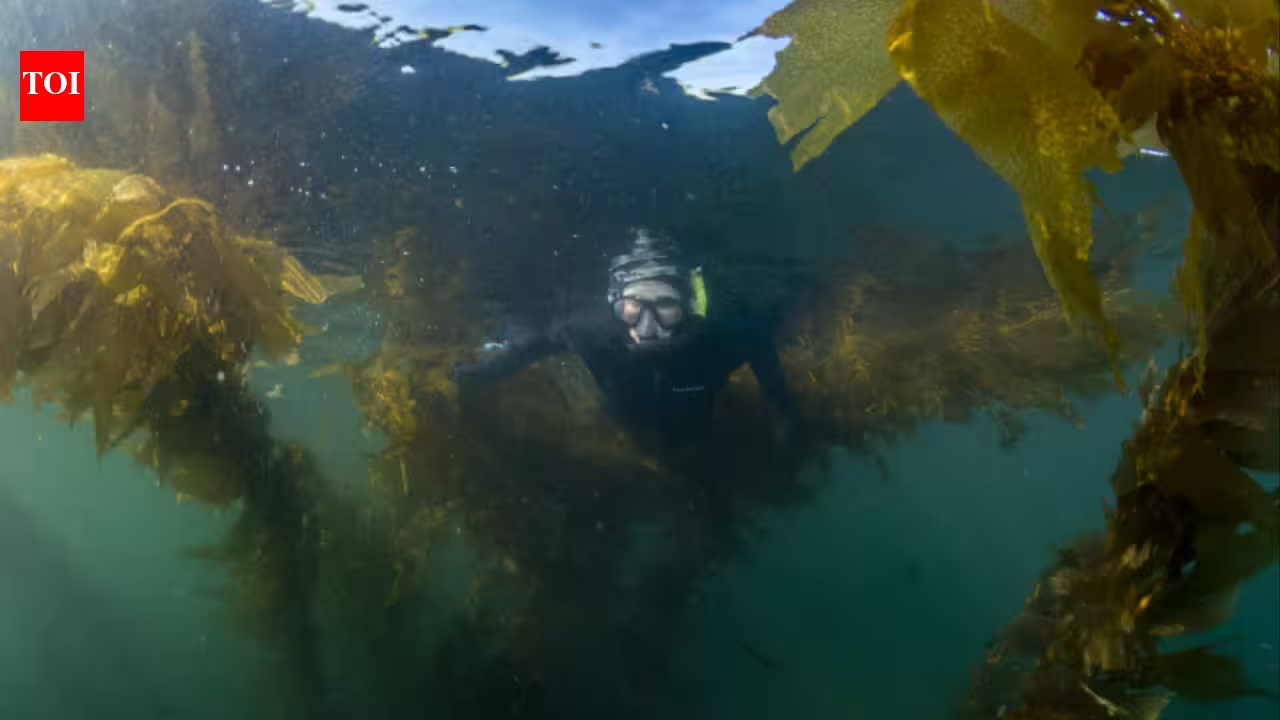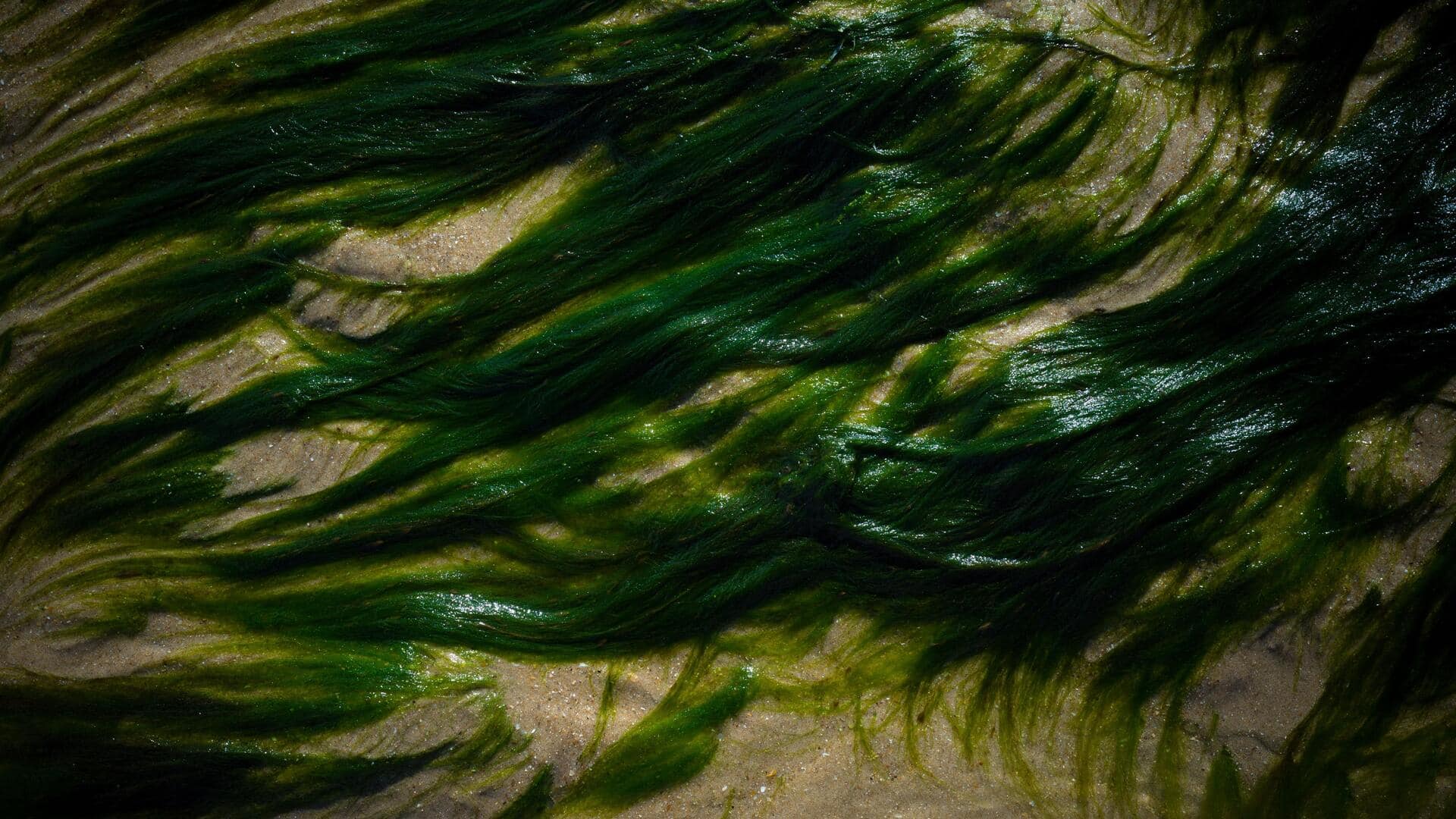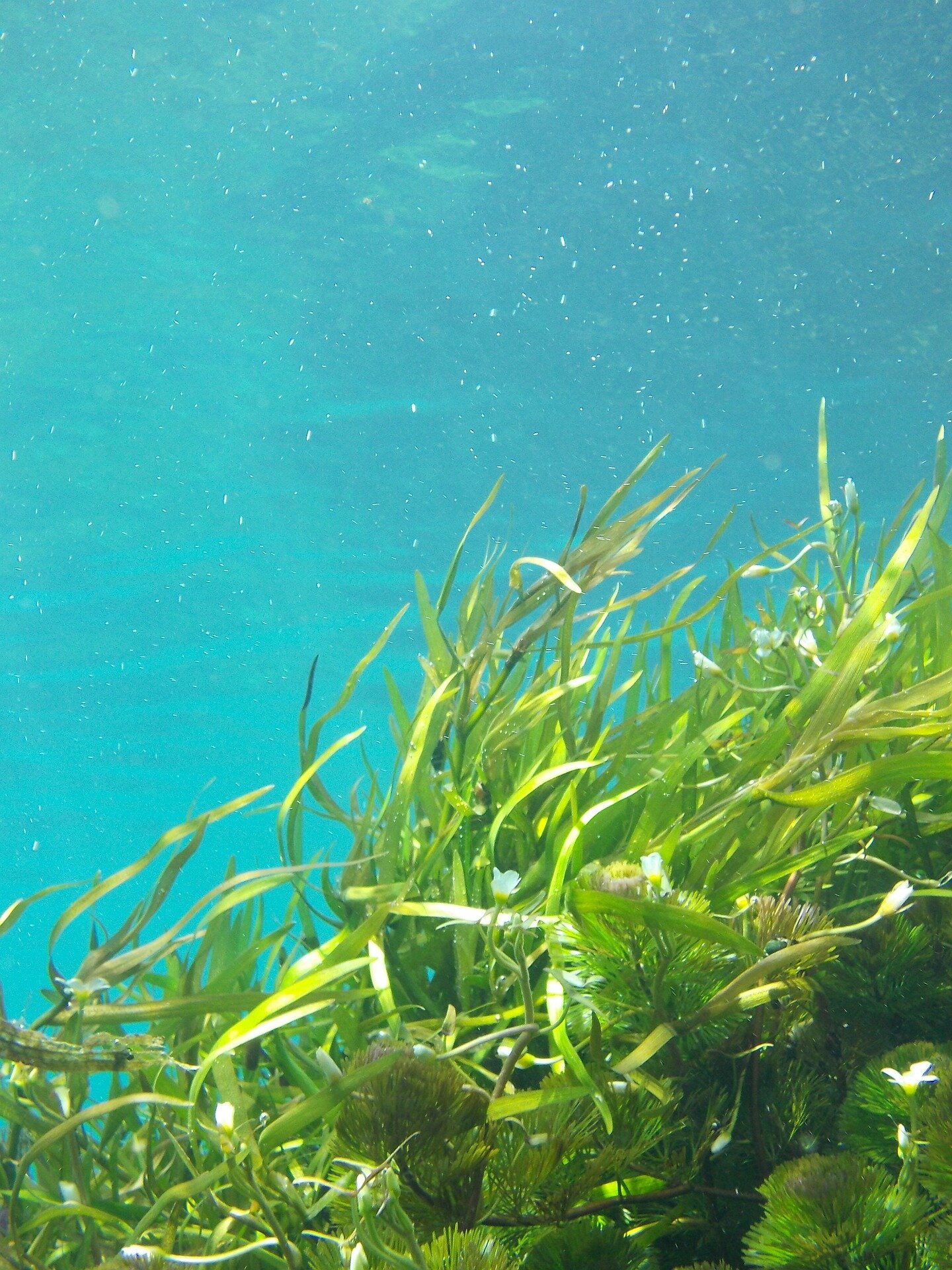
From sea lettuce adorning tidal pools and bull kelp left in windrows at the high tide line to towering underwater forests of giant kelp providing refuge and food for countless species, British Columbia's seaweeds are both prominently visible along shorelines and hidden from sight in the deep.
With iconic species like salmon, whales and bears dominating popular attention and imagination, B.C."s seaweeds are often easy to overlook. Now, however, the province's suitability for growing seaweed is attracting attention at a time when seaweed aquaculture is becoming recognized for its potential to yield many benefits.
Our team recently reviewed how well suited the province's existing regulations are for managing the potential ecological effects of a B.C. seaweed aquaculture industry.
Seaweed aquaculture
A primary attraction of seaweed is that it grows with minimal intervention from people. It requires no fertilization or hormones, no light or temperature control, no warming or cooling, and no herbicides or pesticides.