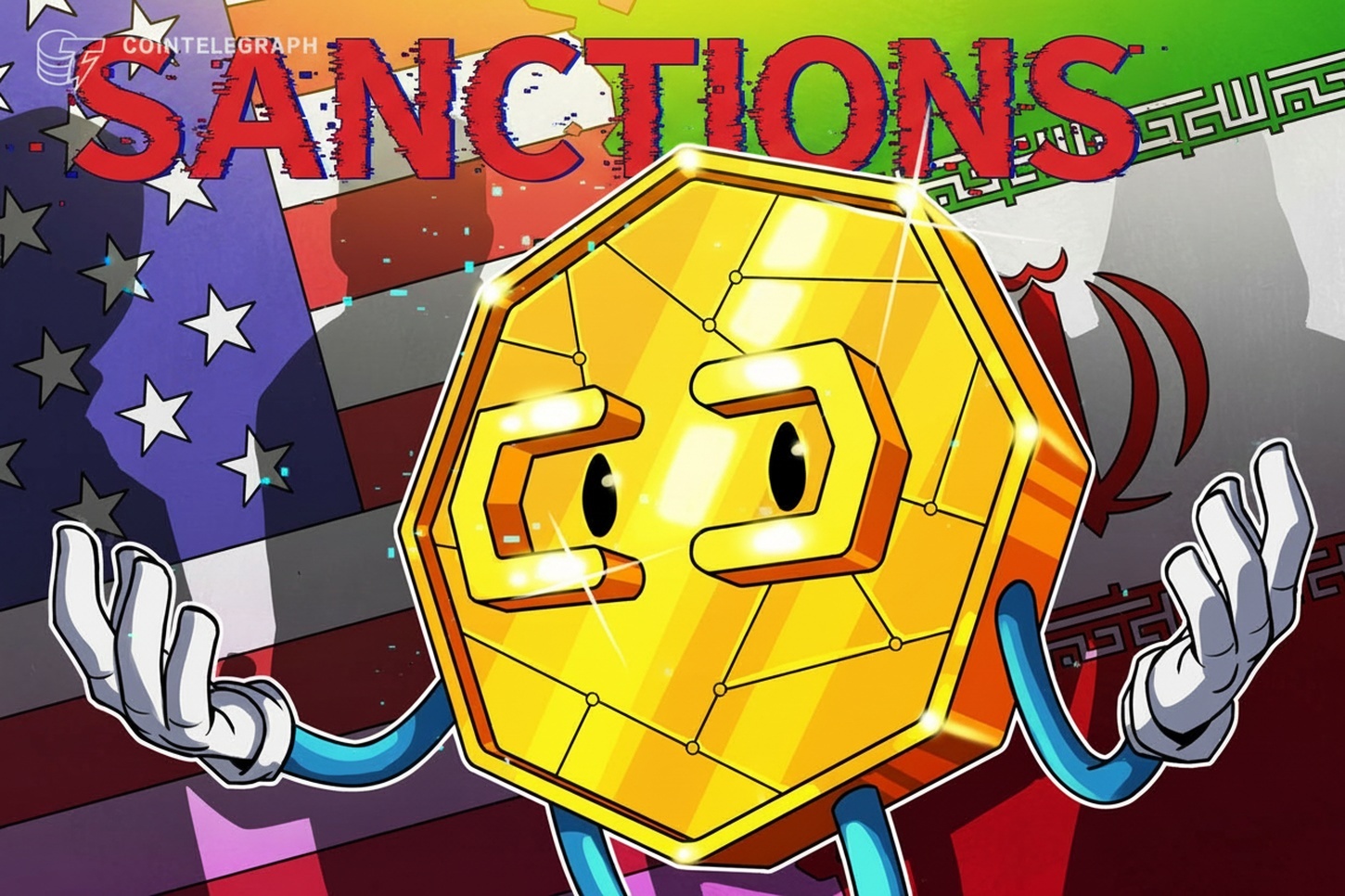
The US Treasury just took a sledgehammer to Iran’s crypto infrastructure. On June 2, the Office of Foreign Assets Control sanctioned four of Iran’s largest digital asset platforms, accusing them of funneling money to the Islamic Revolutionary Guard Corps through a web of stablecoin transactions, ransomware payments, and maritime extortion schemes.
The exchanges hit: Nobitex, Bitpin, Ramzinex, and Wallex. Together, they represent the backbone of Iran’s domestic crypto market. Nobitex alone reportedly processed over 50% of the country’s digital asset inflows in 2025, making it less of an exchange and more of a financial artery for the regime.
The money trail and the maritime connection
Here’s where it gets interesting. The Treasury didn’t just flag these platforms for generic sanctions evasion. The designation specifically calls out “toll” payments, digital asset fees allegedly paid to IRGC-linked entities for safe passage through the Strait of Hormuz.
In English: the IRGC has apparently been running a crypto-powered protection racket in one of the world’s most critical shipping lanes. About a fifth of global oil passes through that strait daily, so the leverage is obvious.