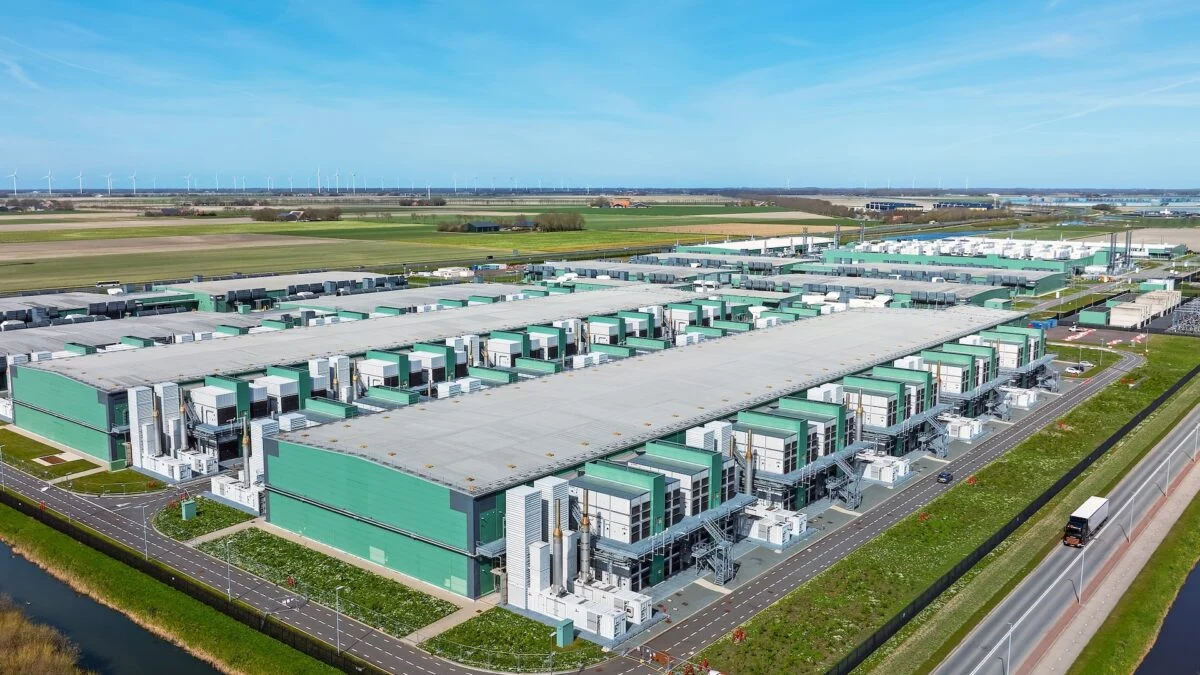
The criticality of uptime doesn’t need to be explained to data center professionals. In an industry where just 99.9 percent uptime is considered risky to the most powerful and active centers, every detail must be accounted for.
As server capacity and processing power continue to grow, driven by the increasing demands of artificial intelligence and other technologies, so too does the need for reliable and consistent cooling strategies. Irregularities in cooling can lead to inefficiencies in processing power, or in a worst-case scenario, outright failure, creating catastrophic outcomes for data centers.
Data center operators must take every measure to ensure optimal temperature control, and one important factor should be top of mind: highly engineered fluids that keep modern cooling systems operating as intended. While immense engineering and design effort goes into optimizing data center cooling systems, and these systems fundamentally rely on specialized fluids to transfer and dissipate heat, far less attention is paid to the equally critical engineering behind those fluids themselves, despite their central role in enabling systems to operate efficiently and reliably at scale.
From traditional air-cooling systems to liquid cooling systems, fluids supporting both are far more than simple lubricating oils, especially as data centers take advantage of both technologies to meet their cooling needs. These fluids are critical in the efficient, effective, and reliable operation of modern cooling strategies. In this article, we’ll explore the role of refrigeration compressor lubricants and their ability to contribute to more effective air cooling for data centers, the risks of misapplication, as well as how new advances in fluid engineering are taking immersion cooling to new heights.