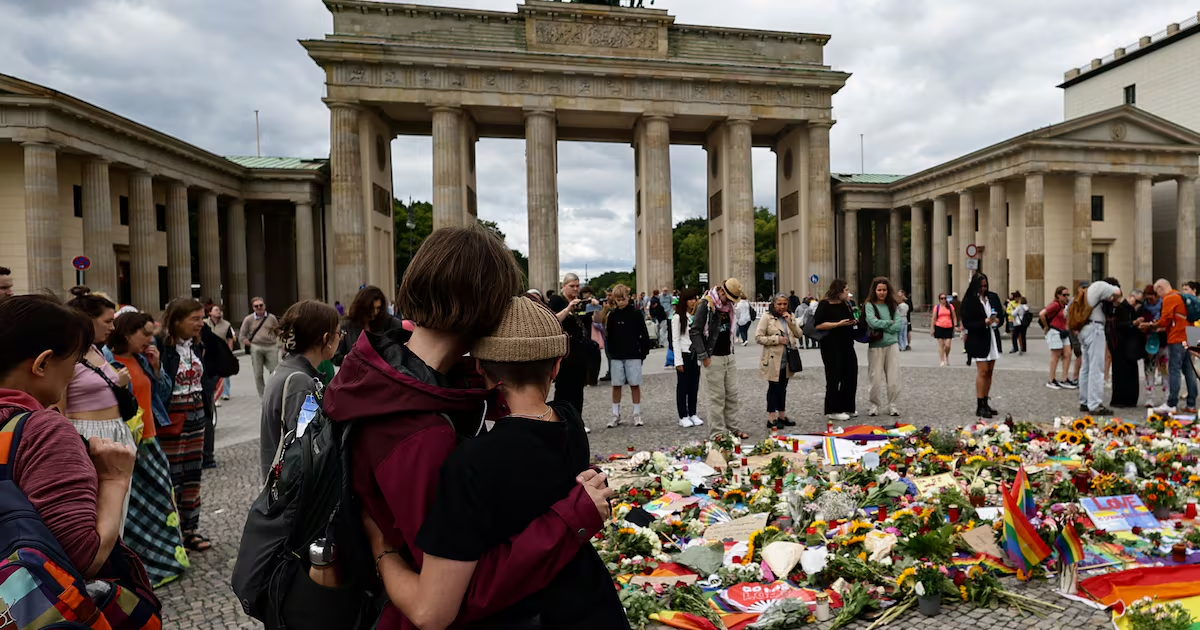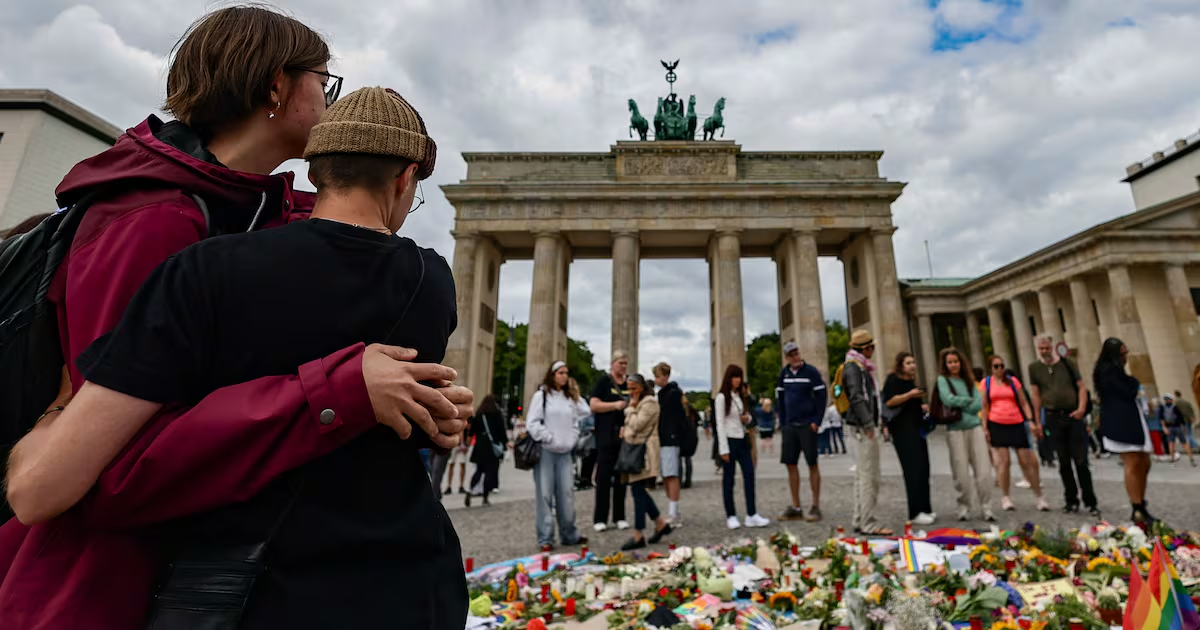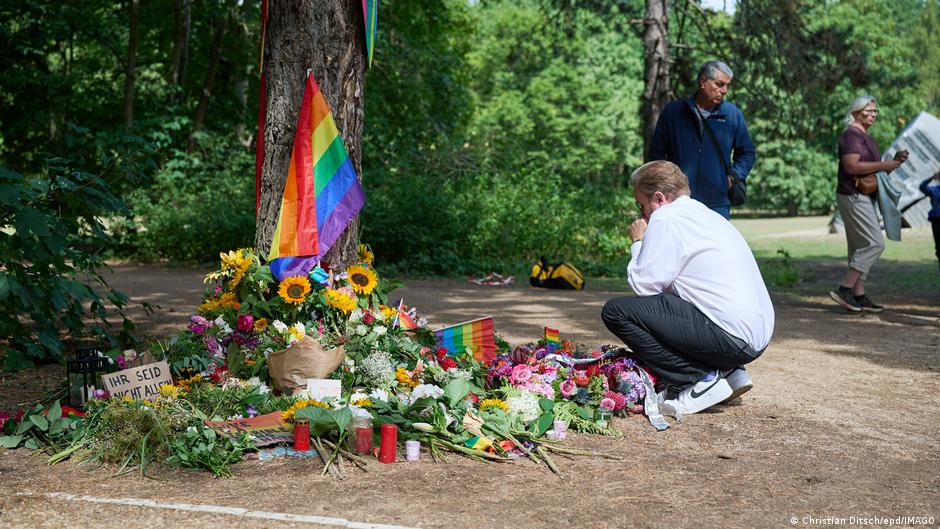
Following Saturday's deadly attack by suspected Islamist assailant Abdul B. against Berlin's Pride event, a debate has erupted in Germany over what lessons the country should draw from the incident. The 21-year-old, who was later shot and killed by police while he was on the run, had had two intake interviews in June and July as part of a deradicalization program in Berlin.
However, according to Thomas Mücke, executive director of the Violence Prevention Network, it did not appear that Abdul B. genuinely wanted to turn his back on the Islamist scene — and it is unlikely that he would have been accepted into the program.
Similar cases have also occurred periodically in the Islamism Exit Program (API).
"We then have to conclude that assistance in exiting is not possible at that point because we have no reason to believe the individual actually wants to distance themselves." API exit program counselor and social worker Stefanie Adler* tells DW.
The Islamism Exit Program API is based in Germany's most populous state of North Rhine-Westphalia. It was established in 2014 to support people who want to break away from Islamist circles, including many who are considered potential threats by security services.Berlin attack: When deradicalization programs don't workTo view this video please enable JavaScript, and consider upgrading to a web browser that supports HTML5 video