More than 30 facilities disrupted in 'coordinated cyberattack,' though officials have yet to name a culprit
Security researchers at Tenable suspect the Iran-linked faux hacktivist outfit CyberAv3ngers was behind the cyberattack that disrupted more than 30 Minnesota water facilities.Neither state-level nor federal officials have made any claims regarding attribution for the attacks, however, Tenable reckons the operational pattern is consistent with the crew's previous raids, noting the timing relative to recent government warnings.The Cybersecurity and Infrastructure Security Agency (CISA) updated an advisory on Iran-linked attackers targeting programmable logic controllers (PLCs) across critical infrastructure on July 22, four days before Minnesota said the attacks targeted its systems.
The advisory warned that Iran-linked hackers were attempting to disrupt operations using tactics previously associated with CyberAv3ngers. Government facilities, water and wastewater systems, and energy providers were among those urged to remain on high alert.
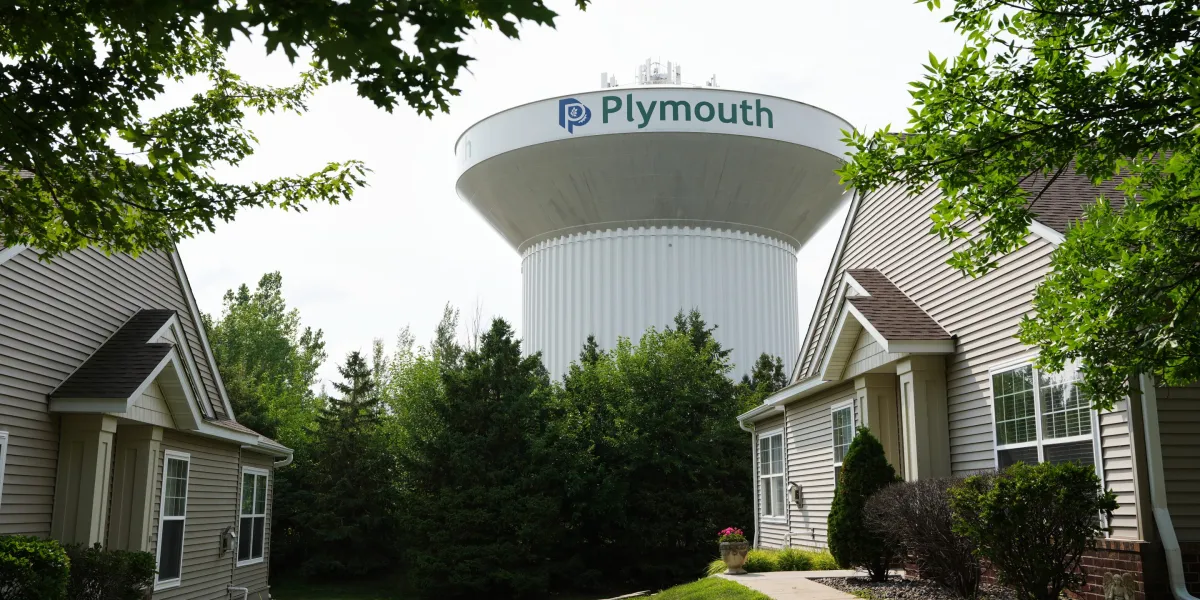
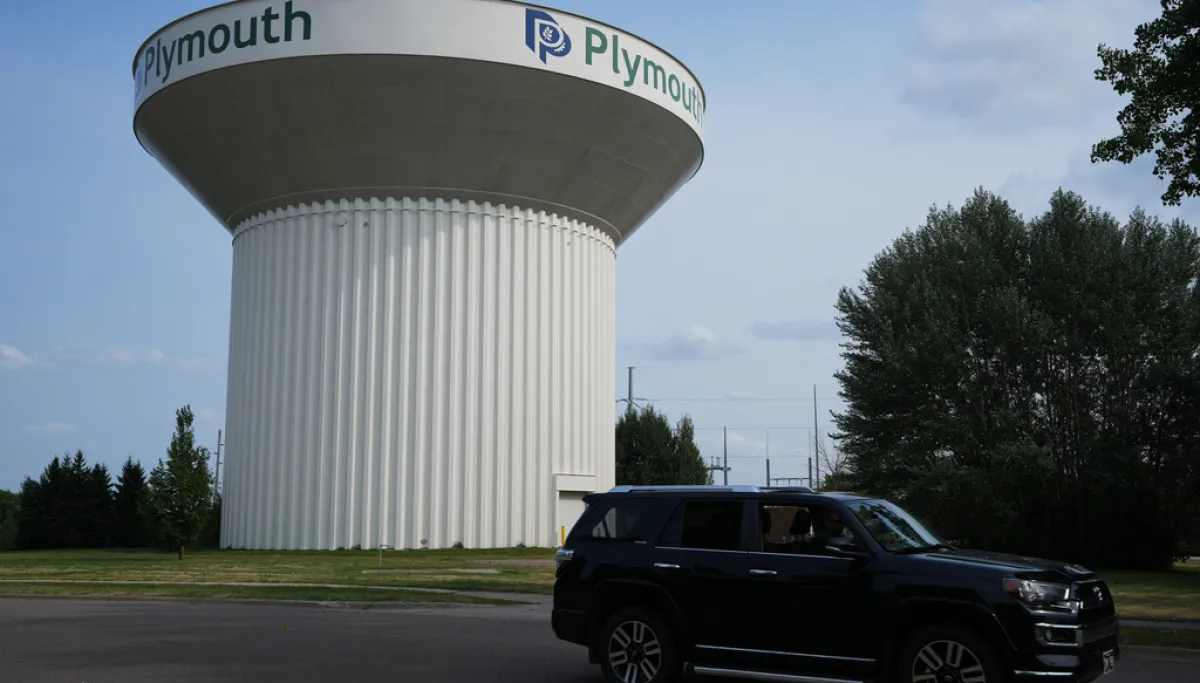
What happened in Minnesota?On July 26 and 27, more than 30 community water systems across Minnesota were disrupted by what officials called "a coordinated cyberattack" targeting operational technology (OT).Minnesota IT Services (MNIT), the state's IT agency, said the Department of Health is working with the affected water facilities to ensure public health is maintained. No cities have yet asked citizens to modify the amount of drinking water they consume, per MNIT's latest update.The agency did not offer many other details about the attacks, other than to mention all the different agencies, organizations, and bodies it is working with as part of the investigation.One of the first cities to report issues, Braham, warned that its water reserves were limited in its initial notice. Citizens were asked not to water their lawns or use water for recreational purposes, although the problems were resolved the same day. No such directives were issued in other affected cities. Maple Plain declared a state of emergency, allowing it greater flexibility to coordinate resources, but did not ask residents to adjust their consumption. The same was true in the Twin Cities suburb of Plymouth and in South St. Paul, which both confirmed cyber-related problems on July 27 but did not ask residents to curb water use."Cyberattacks against critical infrastructure require a coordinated, whole-of-government response," said John Israel, MNIT assistant commissioner and Minnesota CISO.