S
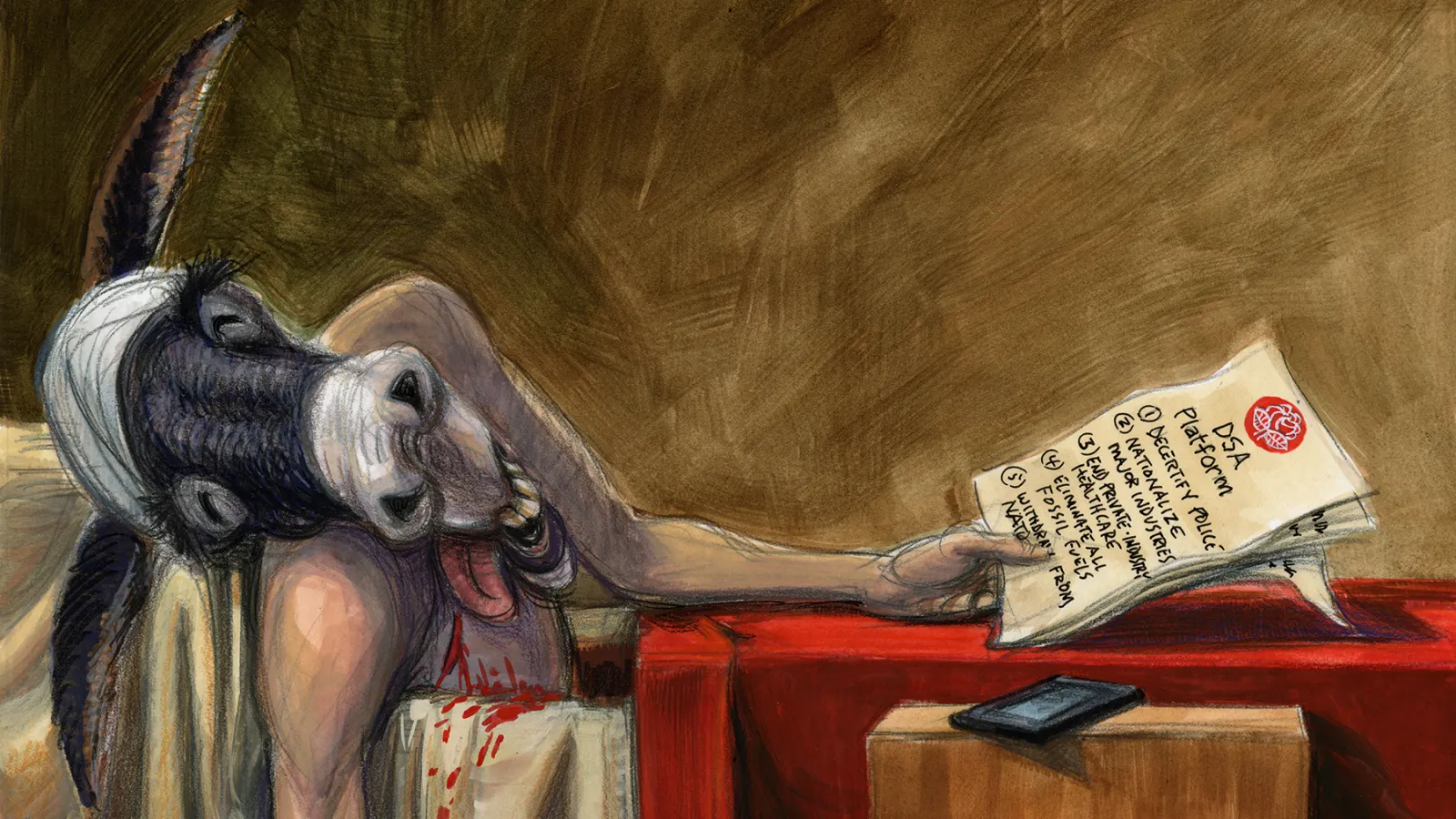
everal years ago, around the time Bernie Sanders’ second presidential campaign was gathering force, my friend Ken Baer said something that stuck with me. Baer, a centrist Democrat who served in Barack Obama’s budget office, told me I was missing a fundamental shift in the party, which we’d both spent many years thinking and writing about. “It’s not a battle between moderates and liberals anymore,” he said. “It’s between liberals and socialists.”
At the time, this seemed to me a bit dramatic. Sanders defined himself politically as an independent and ideologically as a democratic socialist, rather than as a Democrat, but most of us considered that a distinction without a difference; he had been caucusing with Democrats in Congress for 20 years, and his signature proposals, “Medicare for All” and higher taxes for the rich, hardly made him Eugene Debs. That Sanders could somehow seek the nomination of a party he didn’t even belong to — and never had — tells you how seriously anyone really took his credentials as a socialist.
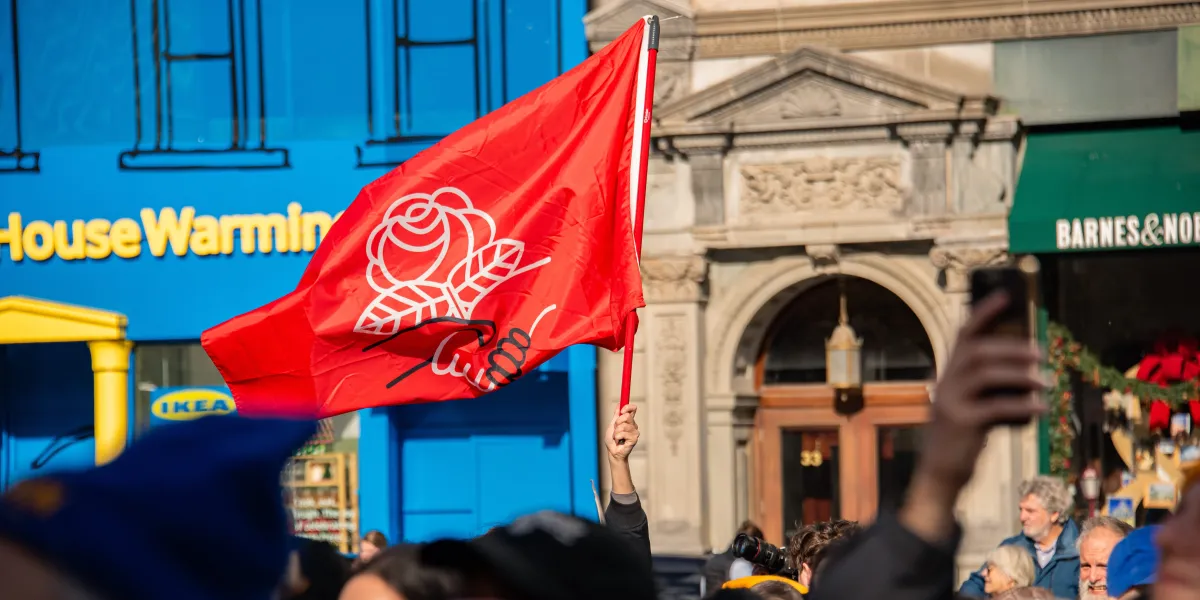
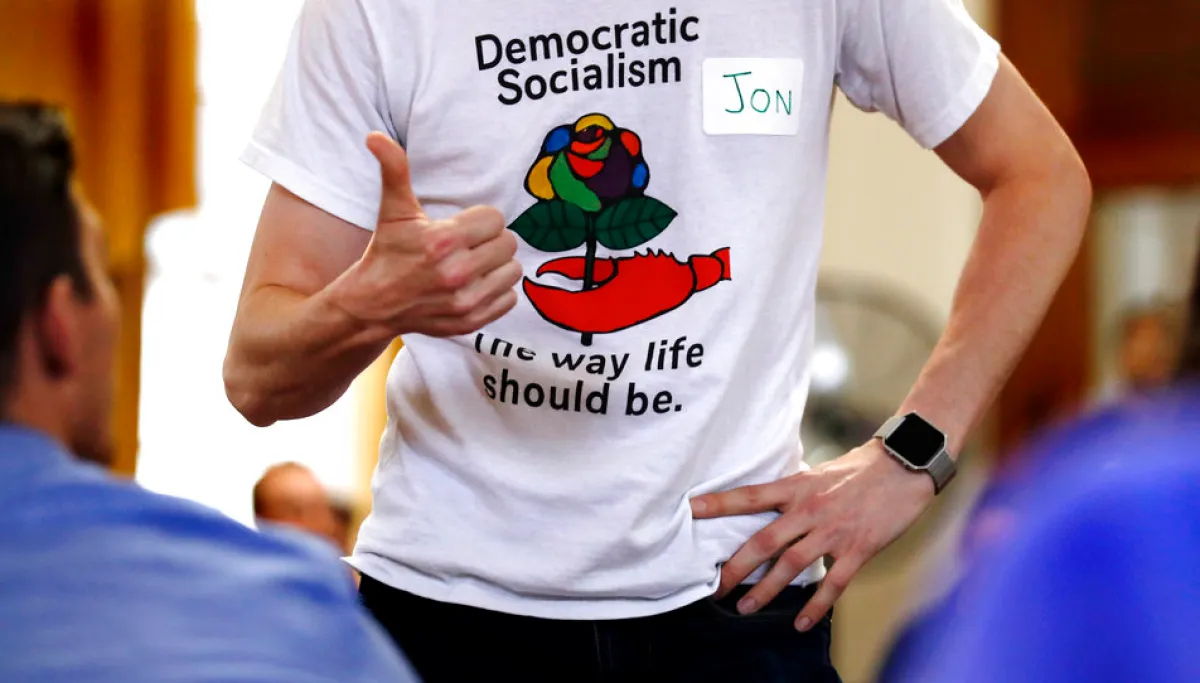
It seems evident now, though, that Sanders was a Trojan horse. (A clichéd metaphor, I know, but The Odyssey seems to be on people’s minds.) He infiltrated the party and reintroduced the concept of socialism to a generation that had no memory of Soviet bread lines and gulags, Cuban émigrés on rafts, or Britain’s Winter of Discontent. In some ways, today’s democratic socialists are very much the successors to more conventional anti-war movements of earlier eras; in opposing Israel’s relentless war on the Palestinians, they’re raging at the moral unraveling of a played-out generation. But as Baer reminded me recently, there’s a critical difference. This movement isn’t really a movement, or not solely. It’s an actual party, with members and officers and even a line of merch. Where other social movements existed merely to push the Democratic Party further left, democratic socialists are gunning to replace it.