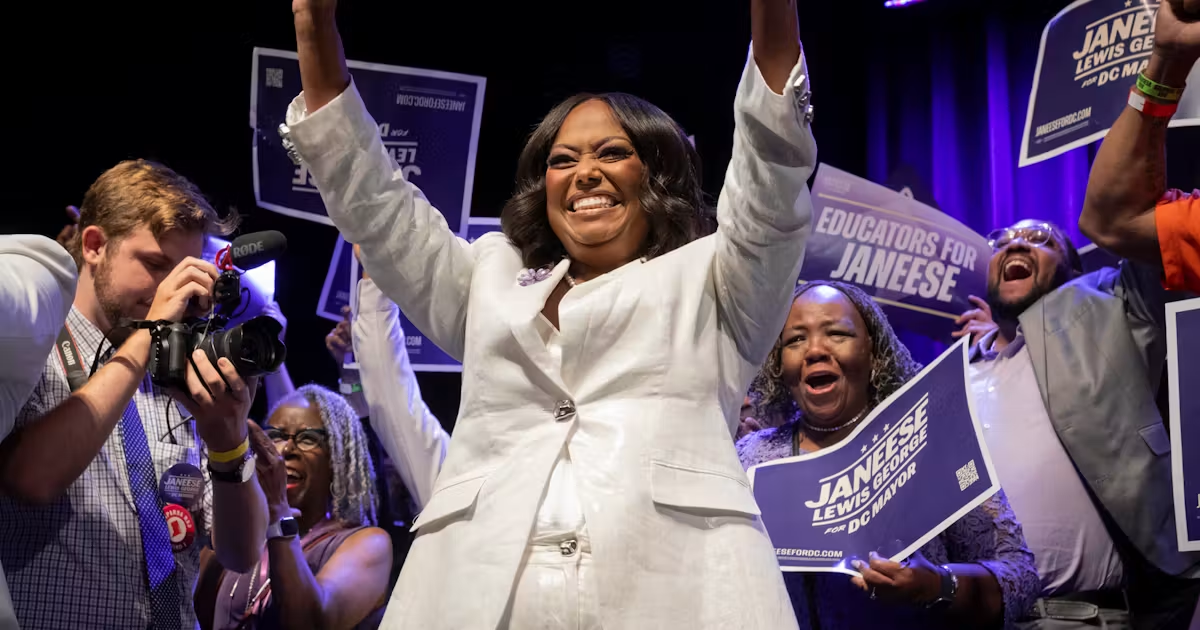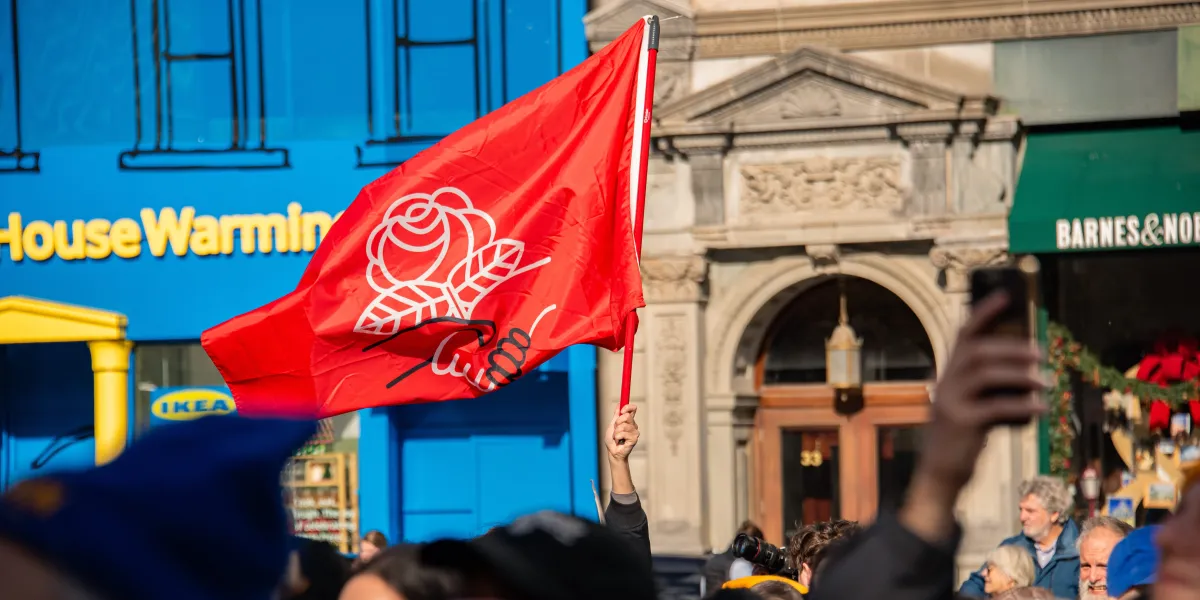
The Democratic Socialists of America secured a slate of candidates who notched high-profile victories in New York, fueling new questions about whether the organization’s brand of progressive politics is finding a broader audience within the Democratic Party.While many national Democratic leaders have focused the party’s midterm messaging on taking back control of Congress and opposition to President Donald Trump, a review of campaign websites, interviews, and messaging from several socialist candidates shows a different emphasis.Housing affordability, healthcare, opposition to Israel, labor rights, and the influence of wealthy donors frequently occupy center stage for socialist candidates. Criticism is more often directed at the establishment Democratic incumbents’ lack of action than at Republicans.
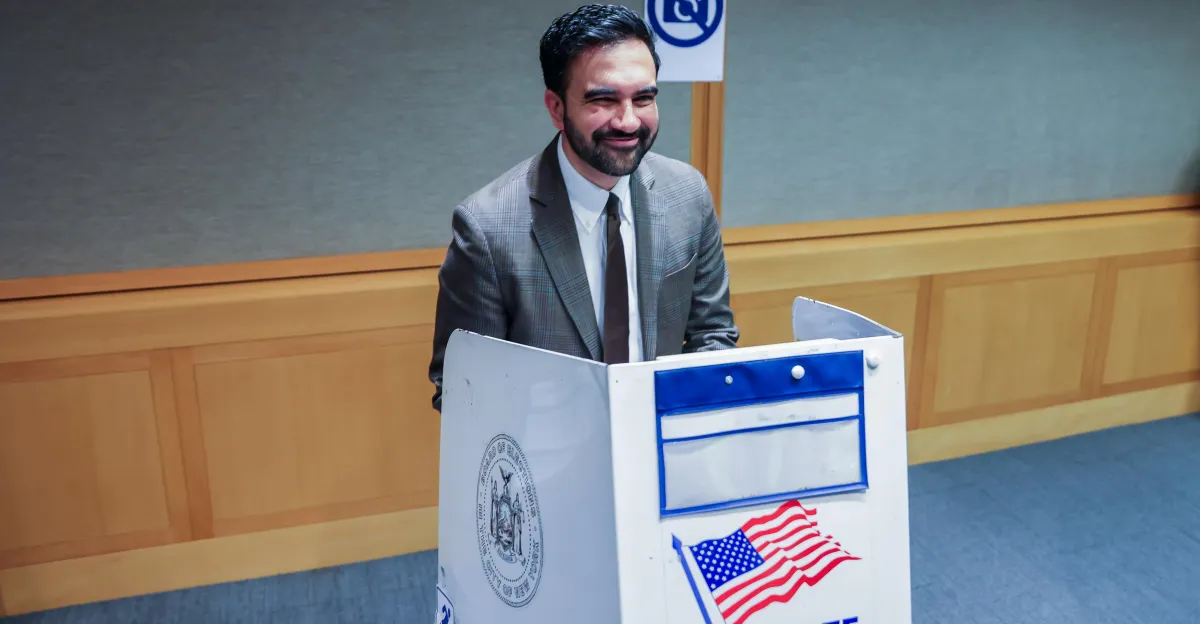
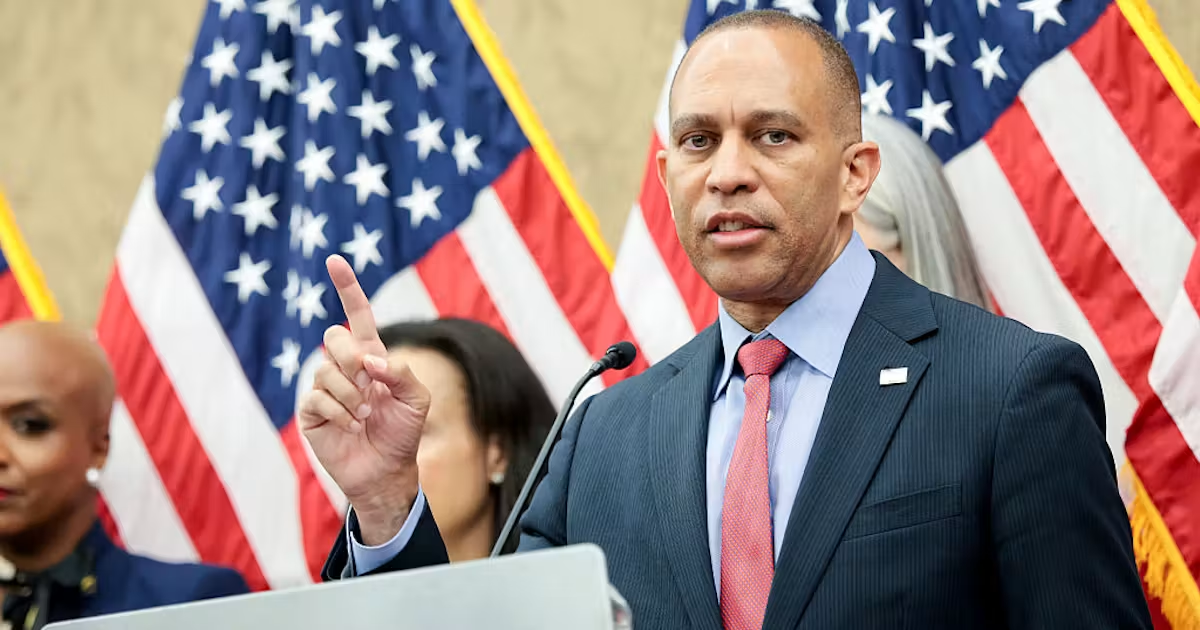
DSA is an organizational machine that feeds the socialist movement, but it is not a political party. Many candidates campaign on the organization’s values, but are not active members. Instead, DSA supports candidates aligned with its views, who typically register as Democrats to increase their chances of winning. The New York victories were particularly notable because they unfolded in the political backyard of Senate Minority Leader Chuck Schumer (D-NY) and House Minority Leader Hakeem Jeffries (D-NY). Several of the socialist candidates have argued the party’s leadership has failed to meet the moment, openly calling for a new generation of Democrats willing to embrace a more confrontational, economically populist agenda.That approach paid dividends in New York this week, where socialist Mayor Zohran Mamdani’s endorsed slate swept three closely watched primaries, defeating two incumbent members of Congress and another establishment-backed candidate. Brad Lander ousted Rep. Dan Goldman (D-NY), Claire Valdez defeated Brooklyn Borough President Antonio Reynoso in an open-seat contest, and Darializa Avila Chevalier unseated five-term Rep. Andriano Espaillat (D-NY). While each race had its own dynamics, the candidates shared common campaign themes: lowering the cost of living, expanding healthcare, and sharply criticizing Democratic leaders they argued had become too closely aligned with corporate donors or had failed to push aggressively enough for progressive priorities.Their victories have emboldened socialists nationally, who now see similar opportunities in Democratic primaries across the country.