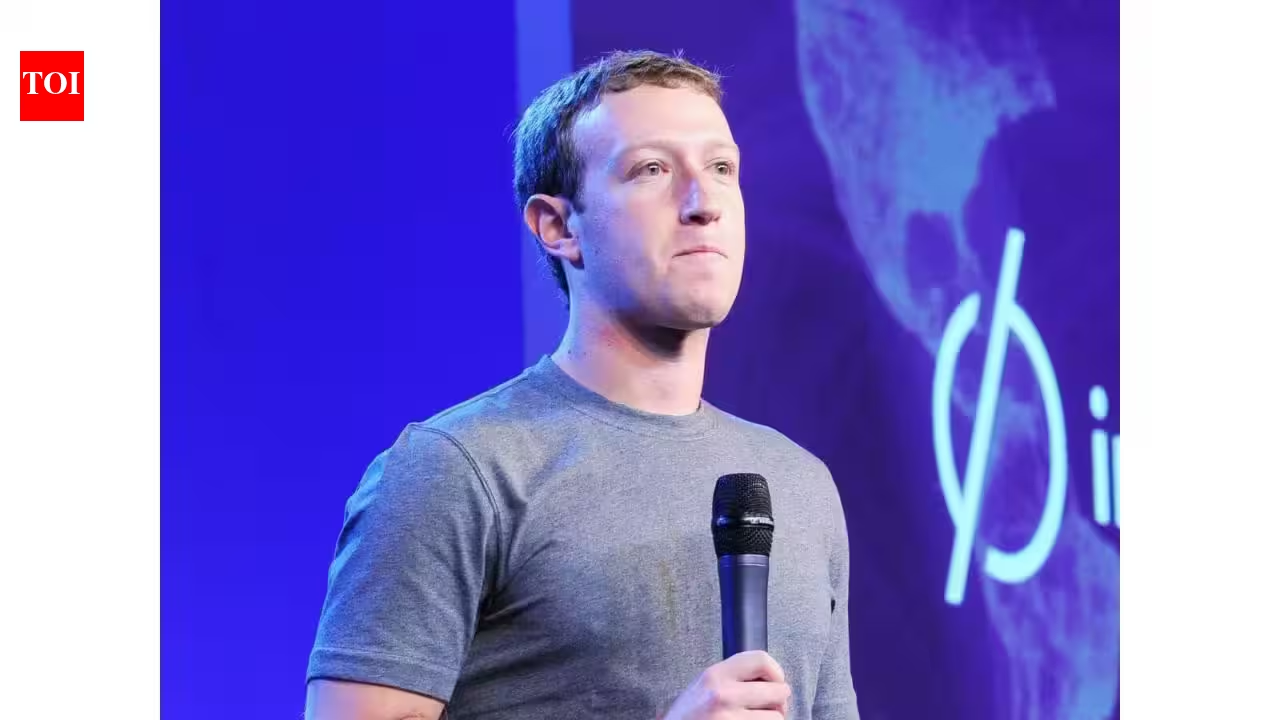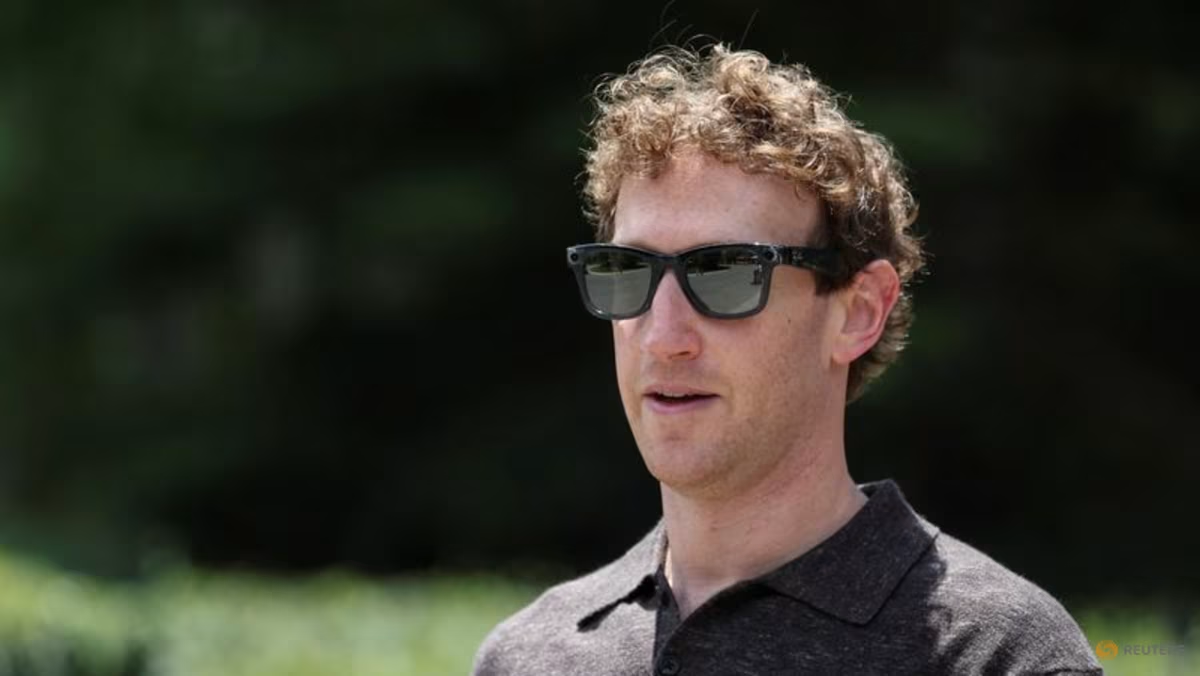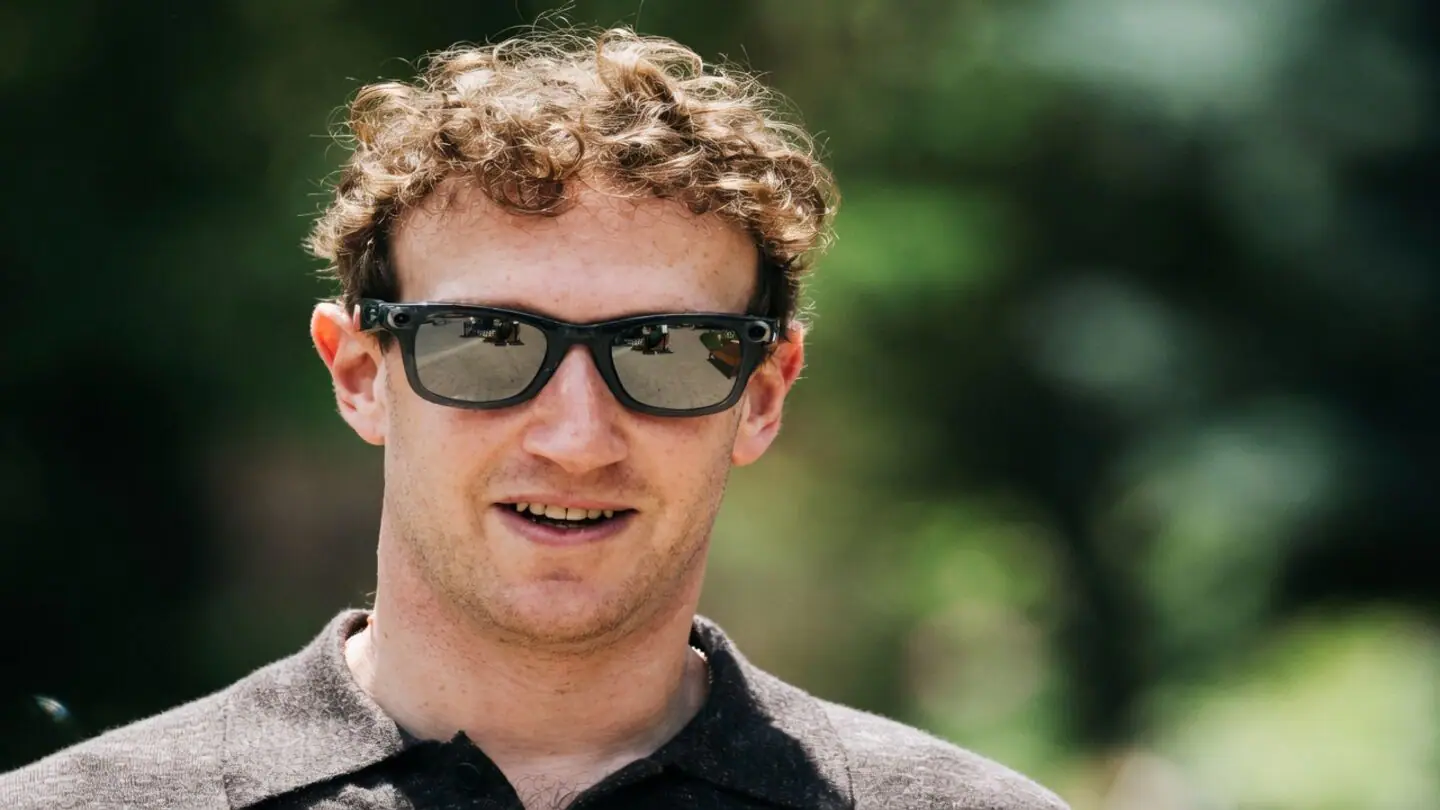
Mark Zuckerberg wants the US to compete with China on AI, not hide from it. In a Financial Times interview on July 28, the Meta CEO pushed back against proposals to ban Chinese AI models from the US market, calling such restrictions “not an effective solution” and warning they could backfire in ways that hurt American innovation.
The core of his argument is one that should sound familiar to anyone who’s watched regulatory dynamics play out in crypto: the companies with the most resources tend to shape the rules in their favor. Zuckerberg specifically flagged the risk of “regulatory capture,” where a small number of dominant AI laboratories end up dictating the regulatory framework, effectively pulling up the ladder behind them.
The open-source play
This is not altruism dressed up as policy commentary. Meta has spent years positioning itself as the standard-bearer for open-source AI through its Llama model series. Banning foreign competitors and locking down model access would directly undermine that strategy. If the US government restricts which models can operate domestically, closed-source labs with deep government relationships stand to benefit the most.
Here’s the thing: when a billionaire CEO warns about regulatory capture, it’s worth asking whose capture he’s worried about. In this case, the answer seems to be labs like OpenAI and Google DeepMind, which have cultivated closer relationships with policymakers and would likely benefit from a more restrictive regulatory environment.