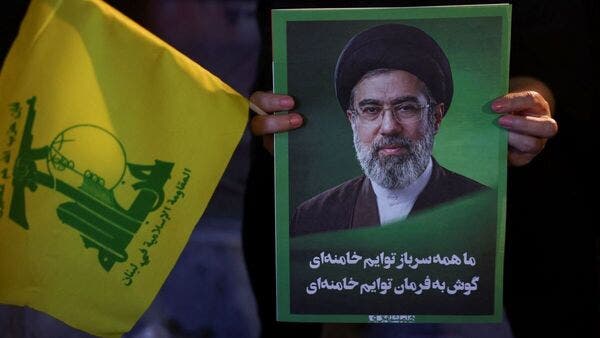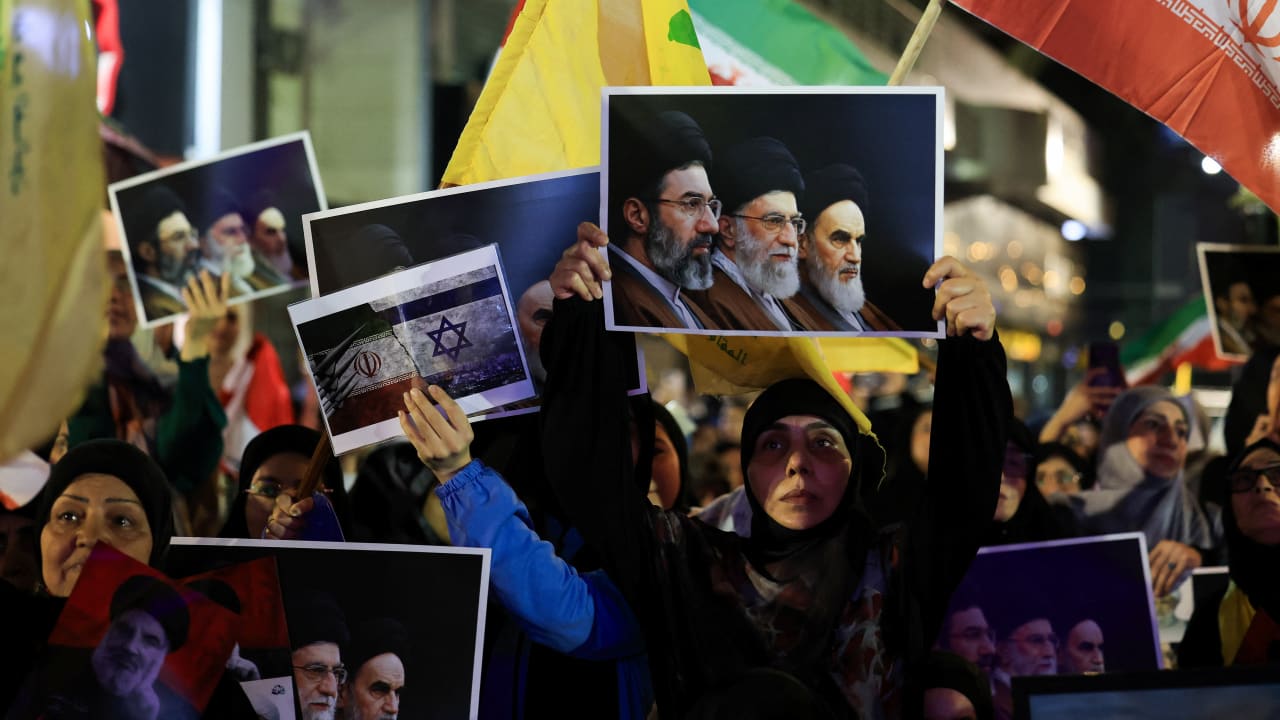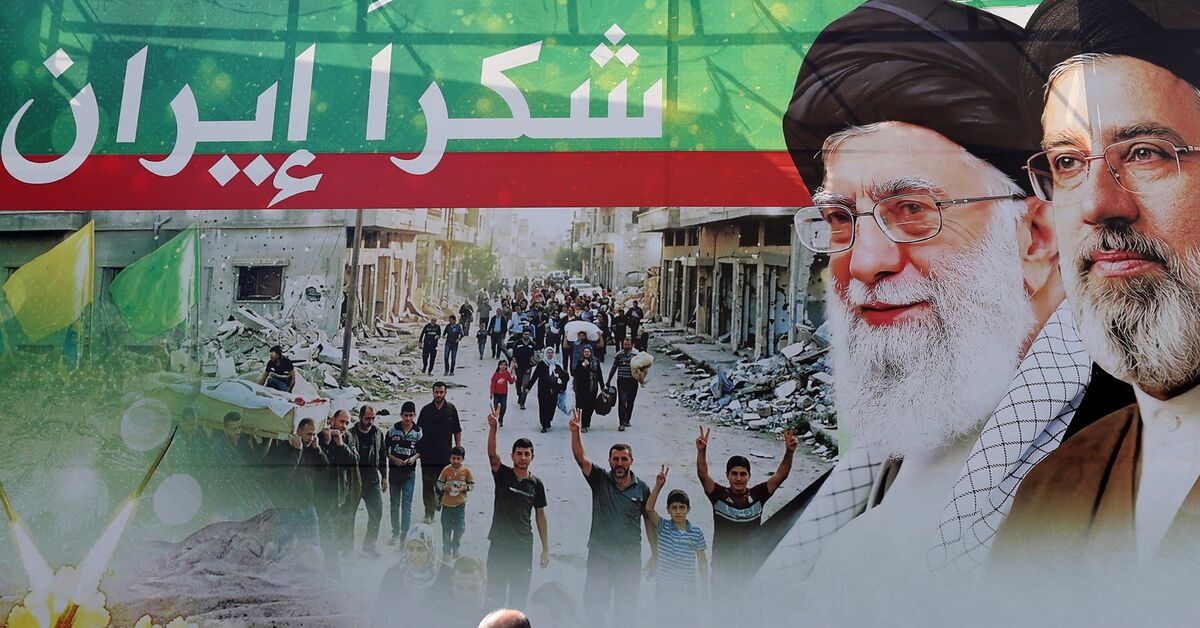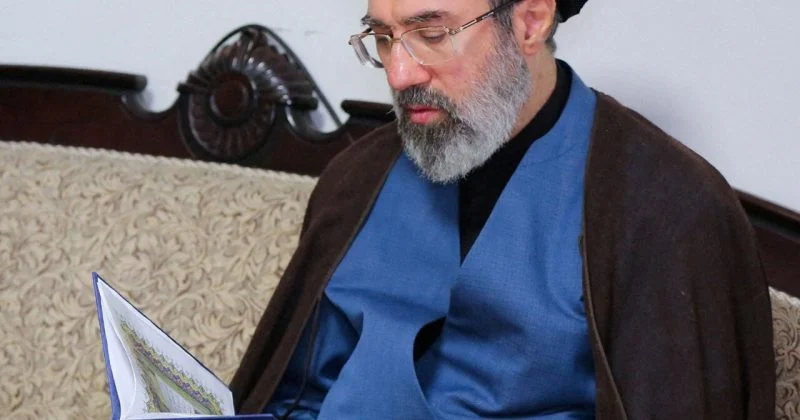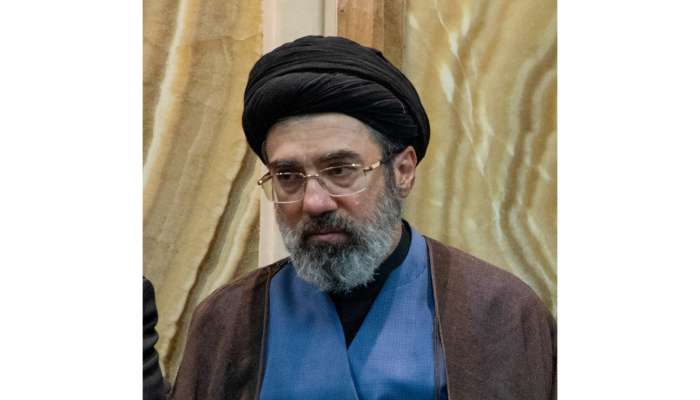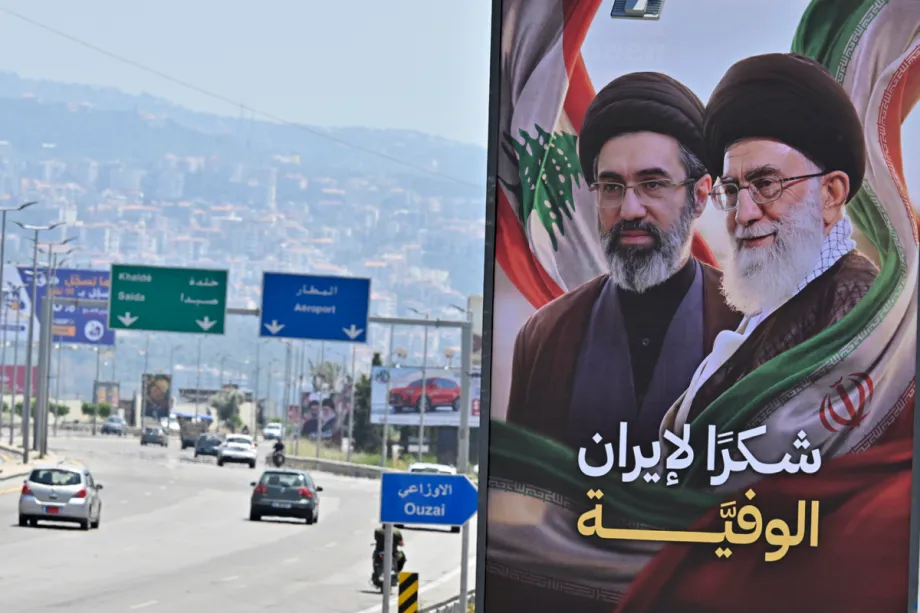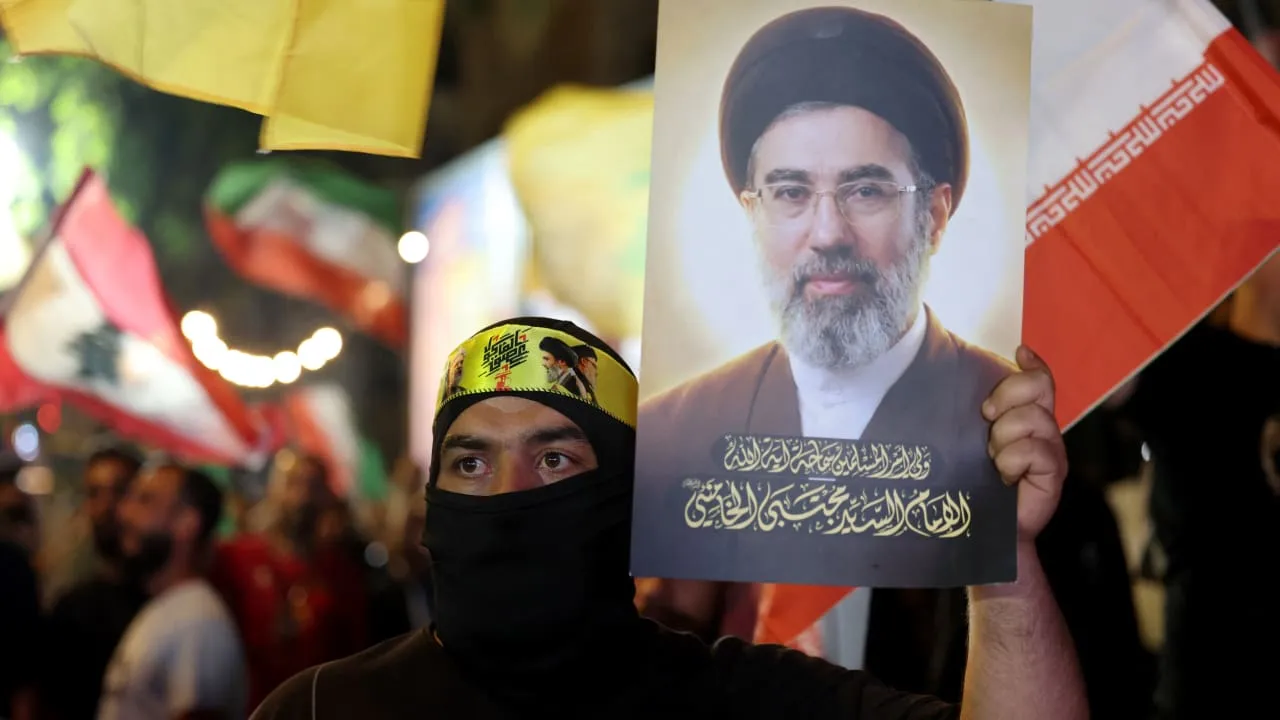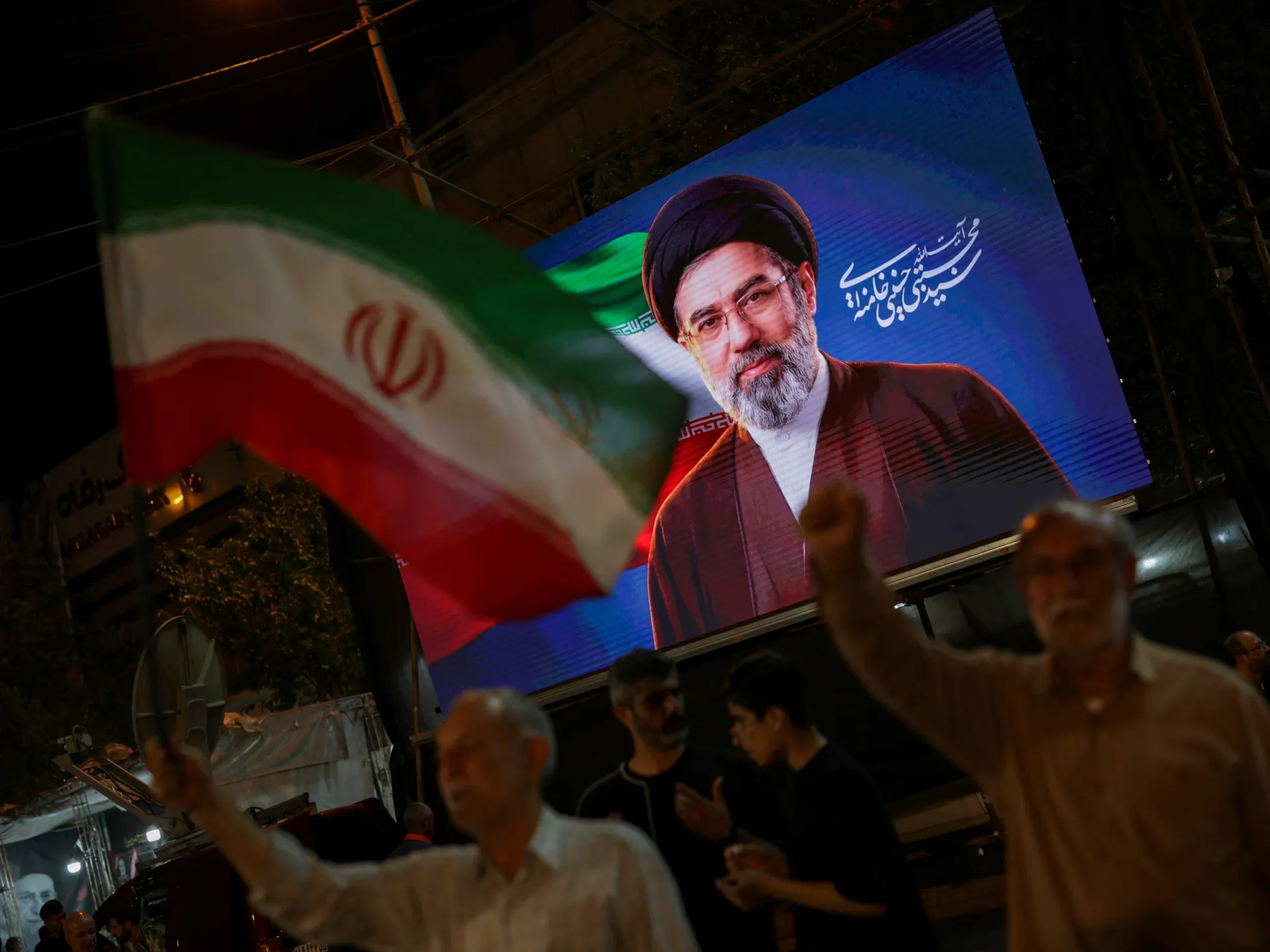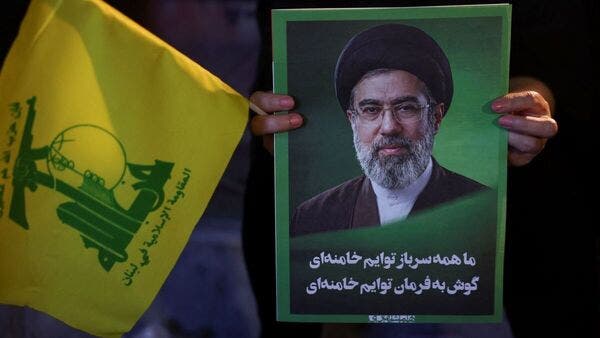
A written message attributed to Iran’s new Supreme Leader Mojtaba Khamenei was sent to Hezbollah Secretary-General Naim Qassem, reaffirming Tehran’s commitment to defending the Lebanese group. The message praised Hezbollah’s steadfastness and insisted that protecting it, preserving Lebanon’s territorial integrity and ending Israeli attacks were essential conditions for any broader understanding between Iran and the United States. For all the latest headlines, follow our Google News channel online or via the app.At first glance, this may sound like another ceremonial exchange between old allies. In reality, it is something more revealing: Another confirmation of how Iran views Lebanon, and particularly its Shia population.It does not see them primarily as citizens of a sovereign Arab country. It sees them as strategic assets in a regional confrontation – people whose homes, livelihoods and children may be placed at the service of a project formulated elsewhere.The letter speaks of defending Hezbollah as though Iran were offering Lebanon protection. There is a certain dark comedy in this claim.The new supreme leader has not appeared publicly since his appointment in March. He was reportedly wounded in the attack that killed his father and predecessor, Ali Khamenei, and has communicated through written statements rather than public appearances, recordings or even photographs. Iran’s own foreign minister has said that he has never met him in person and that only a small number of people have. Yet from somewhere behind the walls of the Islamic Republic, a leader who cannot safely show his face promises to protect Lebanon.One does not need to mock physical injury or personal fear to recognize the political absurdity. A regime that failed to protect its own supreme leader, senior commanders and security establishment now presents itself as the guardian of Lebanese families living hundreds of kilometers away.Protection, in the Iranian lexicon, has acquired a peculiar meaning.It means encouraging Hezbollah to open a front, then leaving Lebanese villages to absorb the consequences. It means praising sacrifice from Tehran while families in southern Lebanon search for shelter. It means transforming Lebanese Shias into the human infrastructure of an Iranian regional strategy, then calling their suffering “steadfastness.”Iran does not protect the Lebanese Shias. It repeatedly exposes them.This is perhaps the greatest moral deception of the so-called axis. It persuades communities that their destruction is evidence of their dignity, that their isolation is proof of their purity and that every new funeral confirms the righteousness of the cause.But suffering is not a political program. Nor is permanent war a form of social protection.Lebanese Shia need functioning schools, hospitals, businesses, farms and state institutions. They need secure villages and economic access to the Arab world. They do not need another letter from Tehran congratulating them on their capacity to endure disasters Tehran helped create.The letter is also a reminder that Hezbollah’s relationship with Iran is not a conventional alliance between two autonomous actors. Hezbollah’s entry into the latest conflict deepened its isolation inside Lebanon after it launched attacks in support of Iran, provoking a devastating Israeli response and anger even among parts of its traditional constituency. The Lebanese government subsequently banned the group’s unauthorized military activities and insisted that decisions of war and peace belong to the state. That distinction matters.Hezbollah presents itself as a Lebanese resistance movement supported by Iran. The reality increasingly appears to be an Iranian military project operating through a Lebanese organization.Reuters reported that Iran’s Revolutionary Guard Corps rebuilt much of Hezbollah’s command after its losses in 2024, filled gaps with Iranian officers, restructured the organization and helped plan the war it later fought in support of Tehran. So, who is actually directing the battlefield in southern Lebanon?Is it a Lebanese leadership making independent judgments according to Lebanon’s interests? Or is it the Revolutionary Guard, supported by Iran-linked networks and fighters whose connection to Lebanese society begins and ends with the territory they use?This is not resistance in any meaningful national sense. It is the outsourcing of Iranian deterrence to Lebanese land and Lebanese blood.Mojtaba Khamenei may be the formal head of the Islamic Republic, but the system speaking through his letter is larger than him. It is a deep security state built around the Revolutionary Guard, ideological institutions and a political theology that treats continuous confrontation as proof of revolutionary legitimacy.The individual leader may be absent, wounded or hidden. The machine continues.And that machine has shown little concern for the Iranian people themselves. It has answered domestic dissent with repression, imposed political and economic hardship in the name of confrontation and placed the country at the center of an expanding war. It would be naïve to imagine that the same system will show greater concern for Arabs in Lebanon, Iraq, Syria or Yemen.The Gulf states have also experienced the consequences of Iran’s regional behavior, from threats to shipping and energy routes to attacks by Tehran and its aligned groups. For Lebanon, continued alienation from the Arab world – especially the Gulf – is not an abstract diplomatic disagreement. It carries economic, political and social consequences that ordinary Lebanese have already paid for. Lebanon cannot afford to remain a forward operating base in Iran’s wars while expecting Arab countries to finance its reconstruction, welcome its workers and rescue its economy.Hassan Nasrallah and those around him repeatedly claimed that their weapons reflected superior judgment and strategic foresight. Yet the Lebanese, particularly the Shias, were asked to pay the price whenever that judgment failed. Their neighborhoods were destroyed, their children displaced and their economic future tied to decisions they did not make.Now Mojtaba Khamenei appears to be attempting to revive Hezbollah’s exhausted body by repeating the same sacred vocabulary: loyalty, steadfastness, sacrifice and victory.But repeating the language cannot restore the reality.Hezbollah does not need another Iranian blessing. Lebanon does not need another Iranian promise of protection. Lebanese Shias do not need to be congratulated for surviving yet another war fought in someone else’s name.They need release from a project that has confused their wellbeing with Iran’s influence for far too long.The most honest response to Khamenei’s letter is therefore not gratitude but a question: If Iran cannot protect its own leadership, on what basis does it claim the right to endanger ours?
A letter from the shadows: Iran’s promise to ‘protect’ Hezbollah
A written message attributed to Iran’s new Supreme Leader Mojtaba Khamenei was sent to Hezbollah Secretary-General Naim Qassem, reaffirming Tehran’s
1,026 words~5 min read