The debate comes as India’s 377-million-strong Gen Z population is projected to influence nearly $2 trillion in consumer spending by 2035
| Photo Credit:
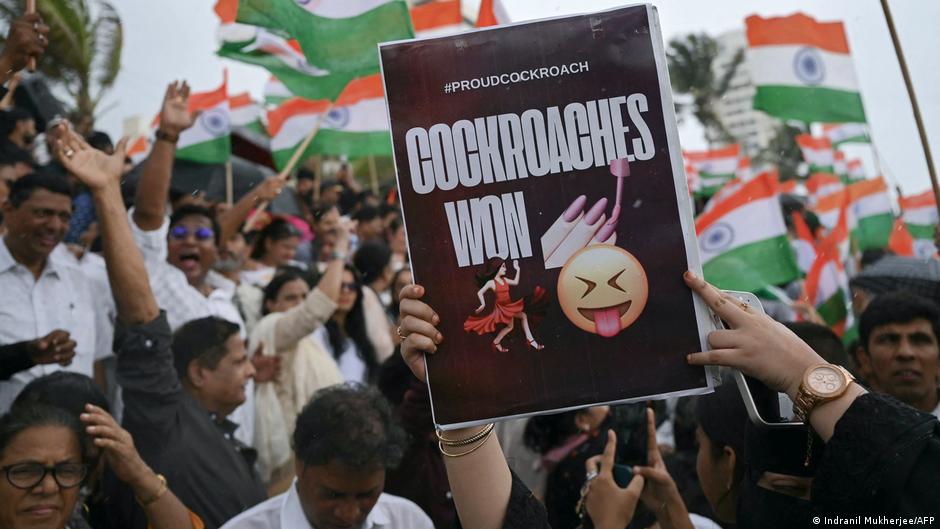
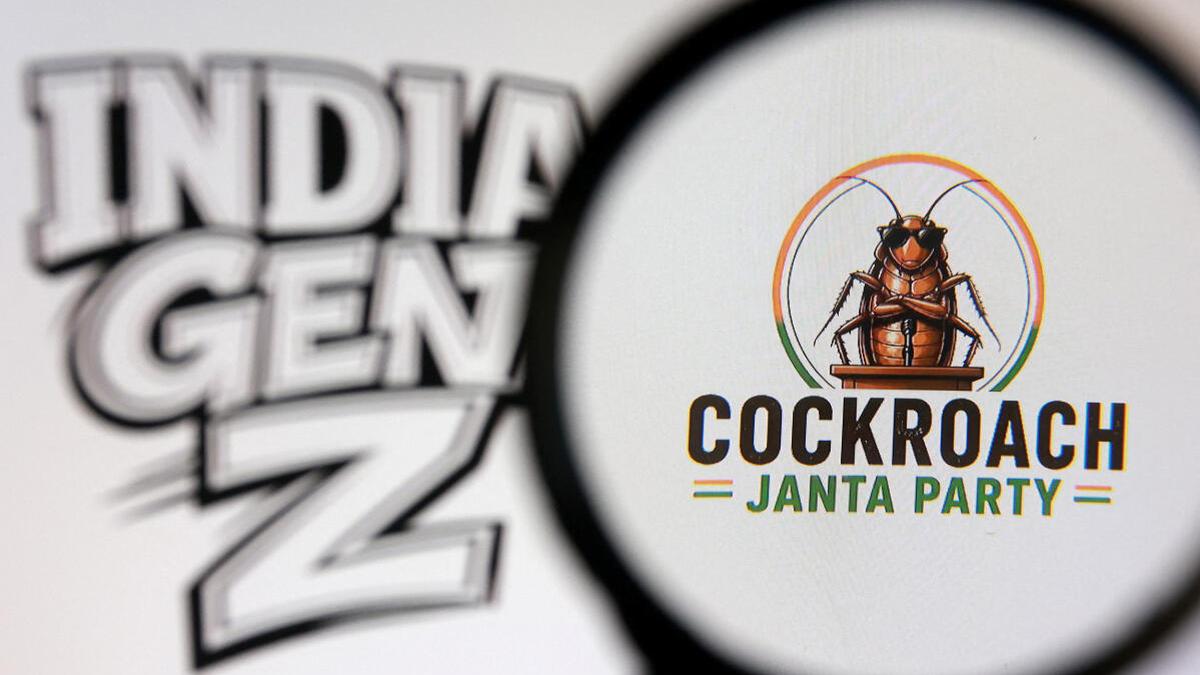
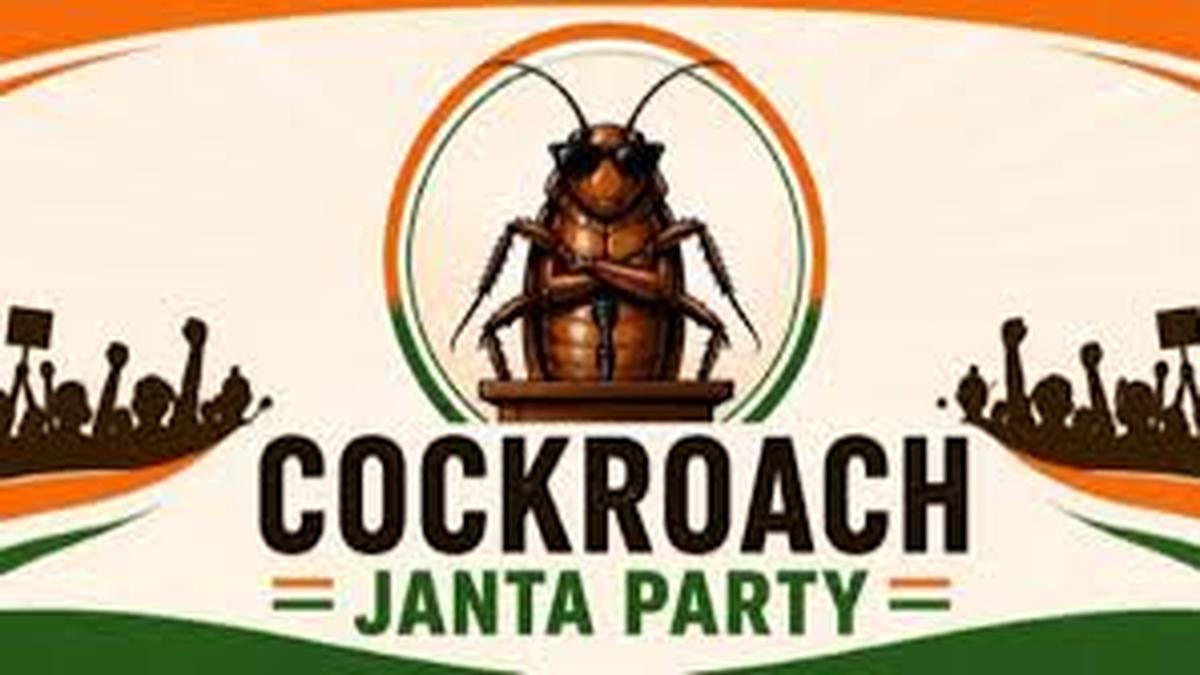
The Cockroach Janta Party’s (CJP) rapid rise from a youth protest movement to a national talking point is drawing attention well beyond politics, with branding experts saying its ability to connect with Gen Z offers valuable lessons for corporate India as legacy brands struggle to remain culturally relevant to the country’s youngest consumers.The Cockroach Janta Party’s emergence as one of India’s most talked-about youth-led movements is prompting branding experts to rethink how companies engage younger consumers. Experts argue that the movement’s ability to turn criticism into identity, build highly participative communities, and respond to culture at internet speed offers lessons for brands across FMCG, automobiles, financial services, and technology.The debate comes as India’s 377-million-strong Gen Z population is projected to influence nearly $2 trillion in consumer spending by 2035, even as fewer than one in five marketers believe they have an effective strategy to engage this cohort, according to BCG research.“From a pure branding and brand-building perspective, there’s plenty to learn from the Cockroach Janta Party. Our brands, whether in toothpaste, tea, or technology, can draw important lessons from it. In consumer markets, the old shall not win. The new will,” Harish Bijoor, Brand & Business Strategy Expert and Founder of Harish Bijoor Consults Inc, told businessline.Changing ConsumerFor Bijoor, the movement highlights the widening gap between how India’s youngest consumers interact with ideas and how many established companies continue to market to them.“Marketing has become a profession dominated by heritage-brand thinking. Brand managers are often reluctant to break away from traditional branding formats. Is it time for these legacy approaches to be shaken up? That is the key question,” he said.The challenge is significant. India’s Gen Z already influences an estimated $860 billion in consumer spending through direct purchases and household buying decisions, according to BCG, Snapchat, and Redseer Strategy Consultants.From campaigns to communitiesRather than relying on traditional advertising, CJP built what marketers describe as a participatory ecosystem through humour, symbols, insider references, and shared cultural cues that encouraged supporters to become contributors.“Brand building has traditionally been a reverent science. The CJP protest represented a highly irreverent approach,” Bijoor said.The same shift is visible across consumer markets. Beauty brands such as Minimalist, Dot & Key, and Aqualogica have built loyal followings through creator-led education rather than celebrity endorsements, while Blinkit and Zepto have embedded themselves into consumers’ daily routines through convenience and speed.Brand expert Dr Ujjwal Chugh describes the approach as “radical reframing” — the art of turning controversy into audience ownership rather than relying on corporate broadcasting.Speed wins“Consumers change with every generation. Brands, sadly, do not,” Bijoor said.CJP transformed a news event into a recognisable movement within days, while many companies still operate through lengthy internal approval processes. With product discovery increasingly happening through creators and short-form video content, marketers say brands that respond to culture quickly are gaining an advantage.Beyond analyticsCompanies spend heavily on consumer analytics, AI-powered insights, and social-listening tools. But CJP suggests that data alone does not build loyalty.By addressing concerns around examinations, employment, and institutional accountability with candour and humour, the movement demonstrated that empathy and authenticity can create stronger emotional connections than polished corporate messaging.Lessons For Corporate IndiaFor corporate India, the lesson is not to replicate the Cockroach Janta Party but to understand what made it resonate. As younger consumers increasingly reward brands that reflect their language, values, and culture, marketing is becoming less about broadcasting messages and more about earning participation.With Gen Z set to shape nearly $2 trillion in consumer spending over the next decade, that shift is fast becoming a business imperative. As Bijoor says, “In consumer markets, the old shall not win. The new will.”Published on July 29, 2026