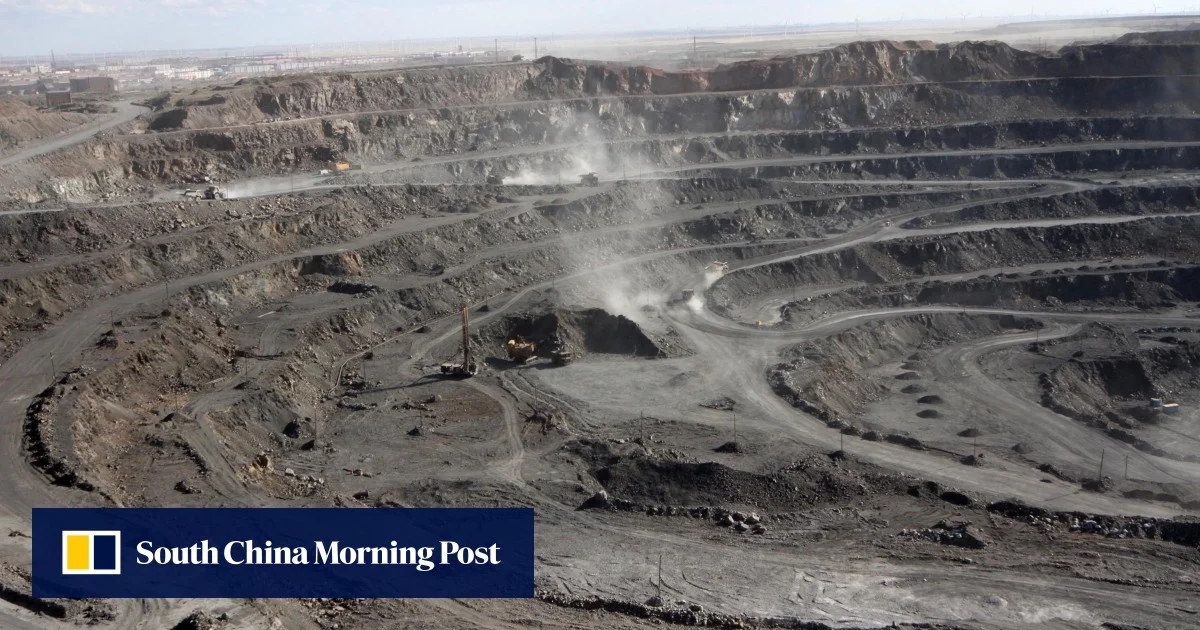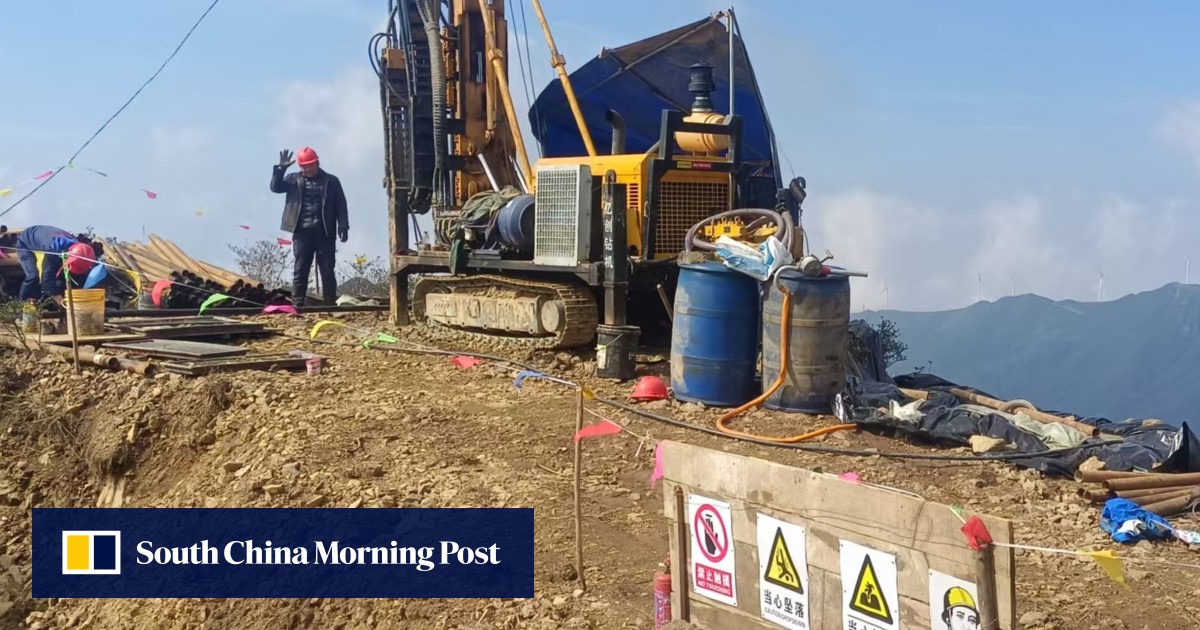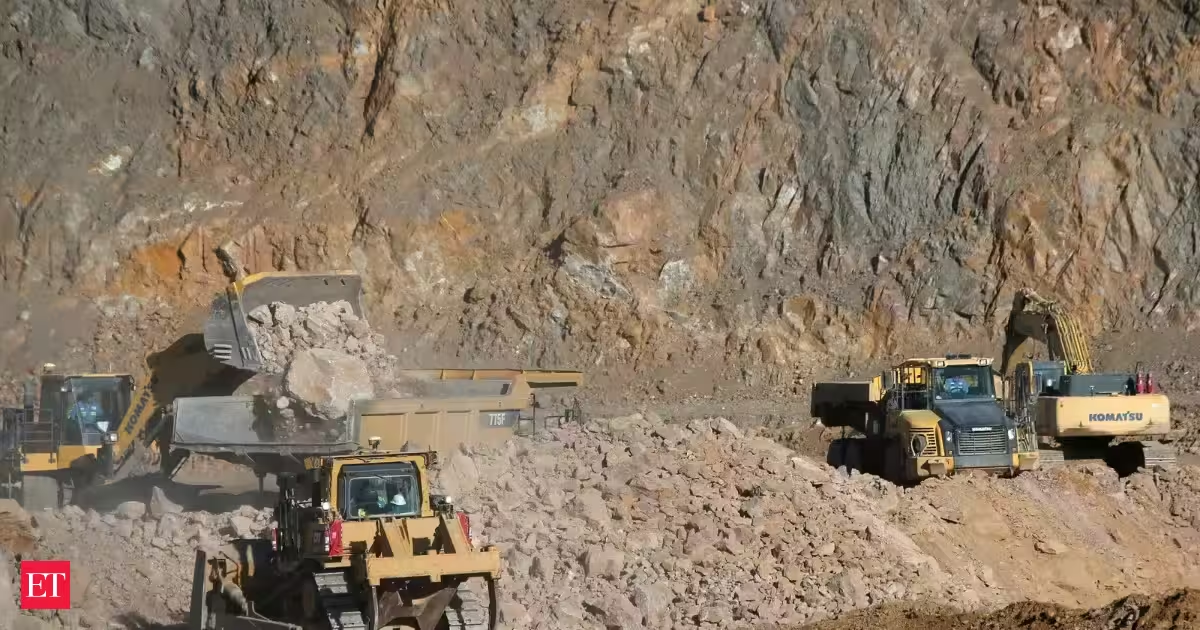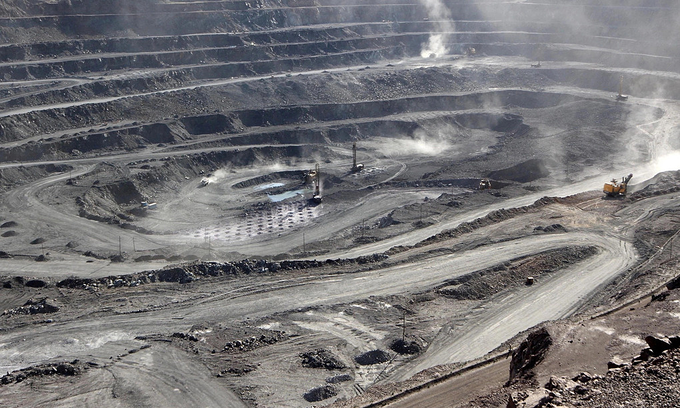
A 2025 study by Yang Li, a geologist at Peking University, found that the deposit, in China's Inner Mongolia autonomous region, was formed through multiple episodes of carbonatite activity rather than a single geological event.
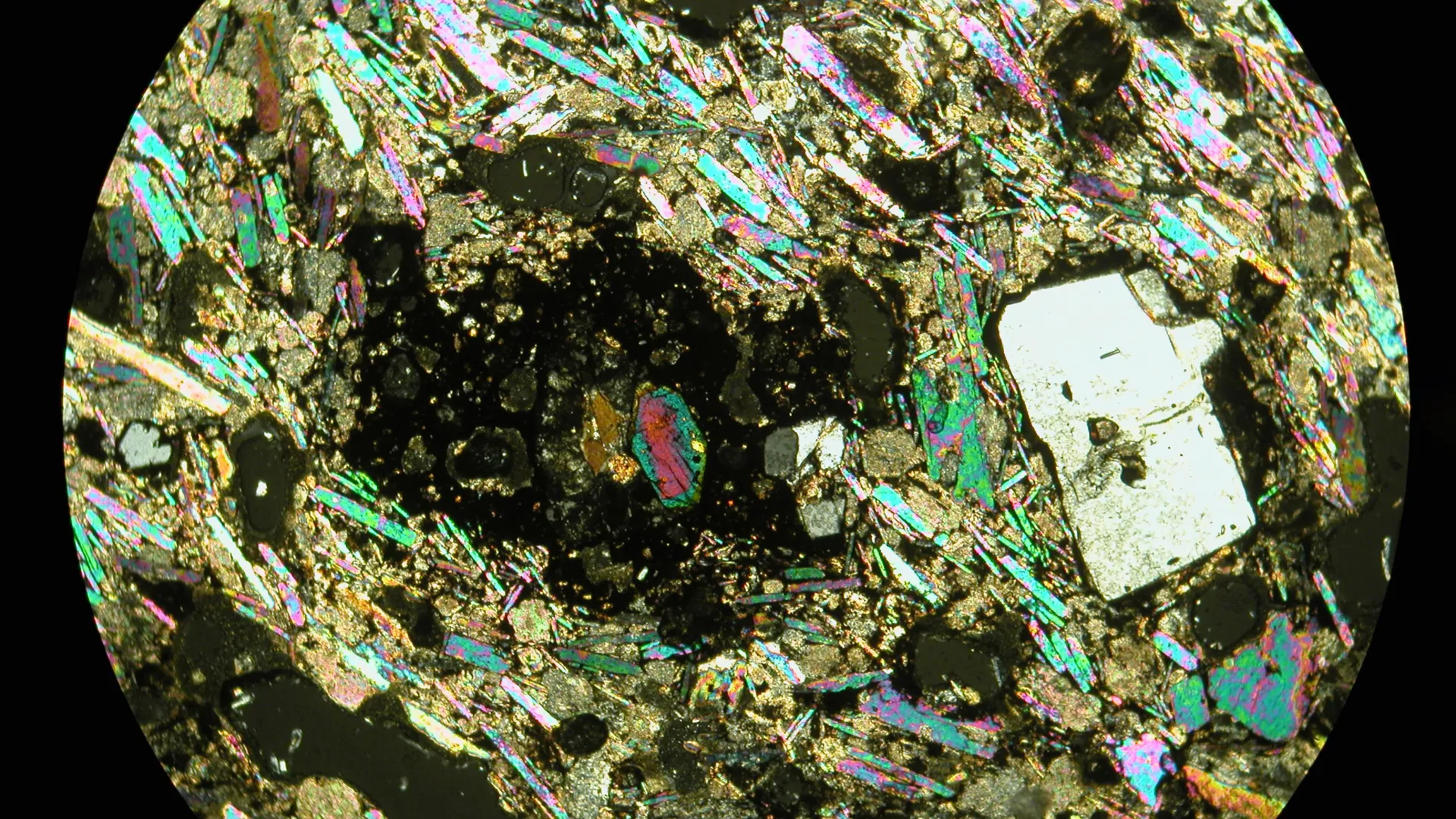
Yang said that Bayan Obo contains both 1.3-billion-year-old igneous carbonatite and 430-million-year-old carbonatite, with the latter playing a key role in rare earth mineralization, according to the South China Morning Post.
Bayan Obo contains 100 million tonnes of rare earth reserves and has been the world's dominant source of rare earth production since the 1990s.
Rare earths are a group of 17 metallic elements, including scandium, yttrium and the lanthanides. Although they are more abundant than gold, they are difficult and costly to extract and process, and their production can have major environmental impacts, according to CNN.
They are used in a wide range of technologies, including smartphones, wind turbines, LED lighting, flat-screen televisions, electric vehicle batteries, MRI scanners and cancer treatment equipment.