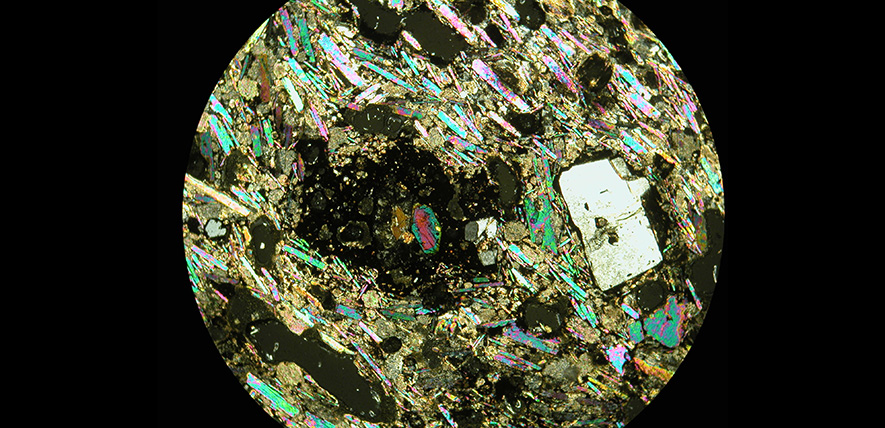
Researchers have created a new global map showing where unusual volcanic rocks linked to rare earth elements are found, uncovering a striking connection to the oldest and thickest parts of Earth's continents.
The international team, led by scientists from the University of Cambridge's Department of Earth Sciences, found that these rare earth-rich igneous rocks are strongly associated with variations in the lithosphere, the rigid outer shell of the planet. Their findings suggest that thick lithosphere plays a major role in forming the kinds of rocks capable of concentrating valuable metals over time.
The study, published in Nature Geoscience, could help scientists identify new rare earth deposits around the world.
"Our research is beginning to provide a kind of predictive power for where we can expect these rocks and, by extension, their associated rare earth element deposits, to form," said Dr. Emilie Bowman, lead author of the study from Cambridge Earth Sciences.
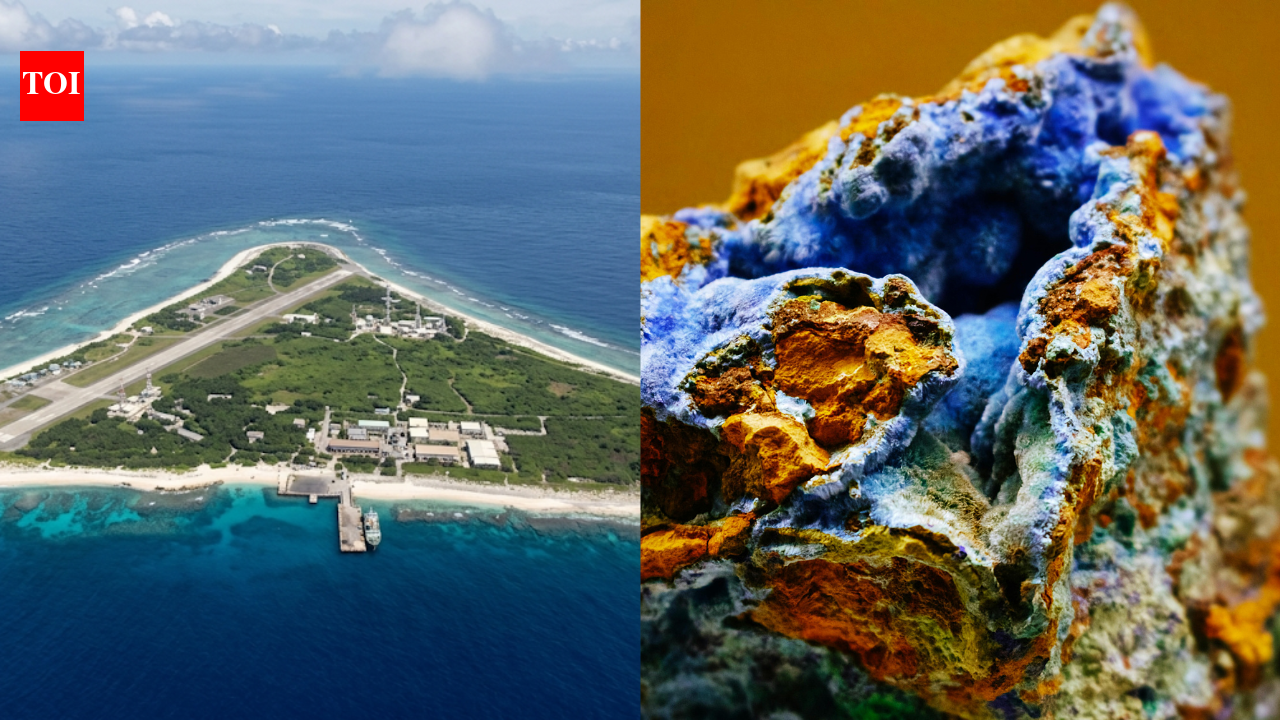
Rare earth elements are critical components in many modern technologies, including smartphones, electric vehicles, and wind turbines. As demand for clean energy technologies rises, countries are increasingly searching for secure domestic supplies instead of relying heavily on imports from China.