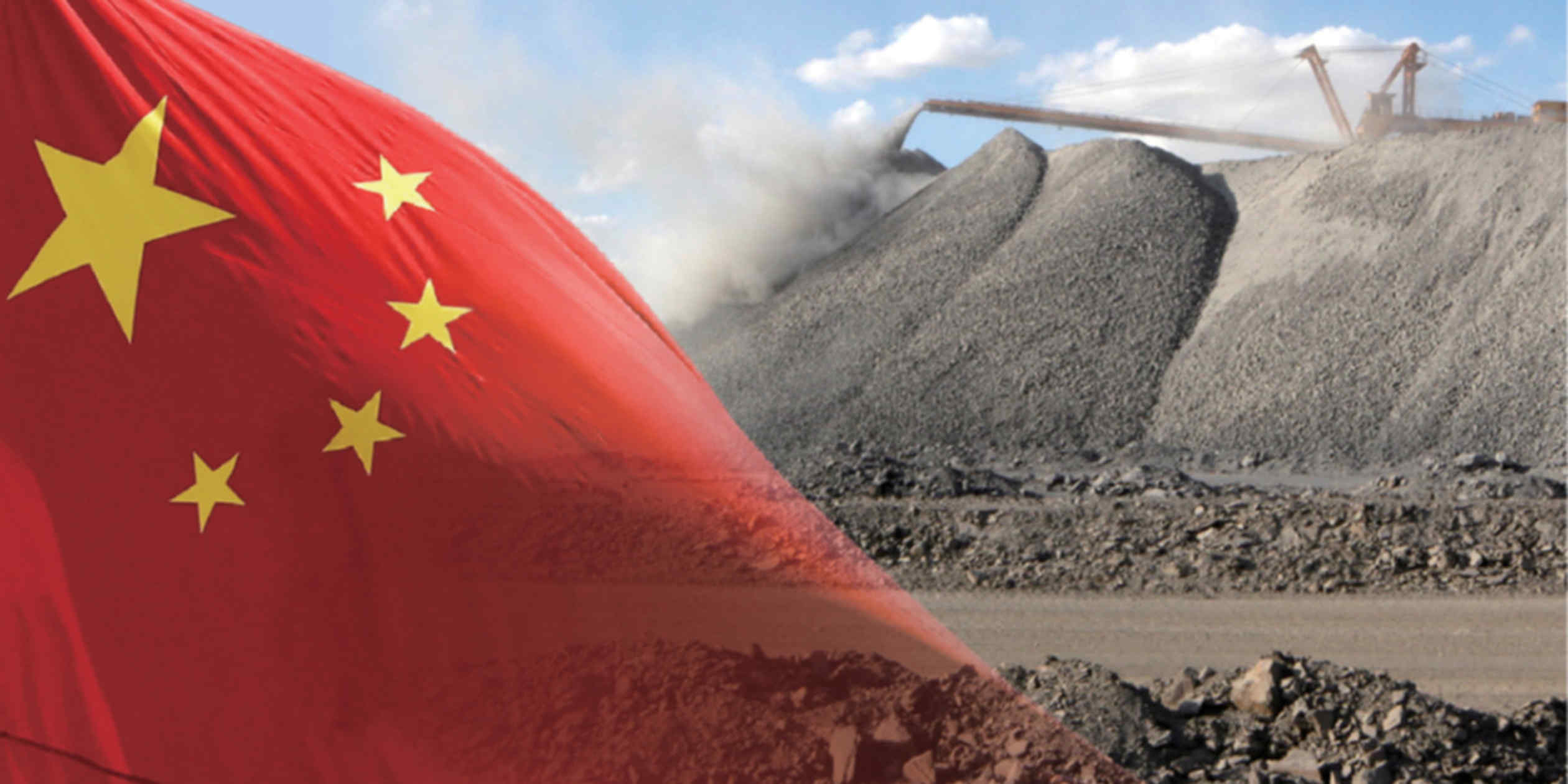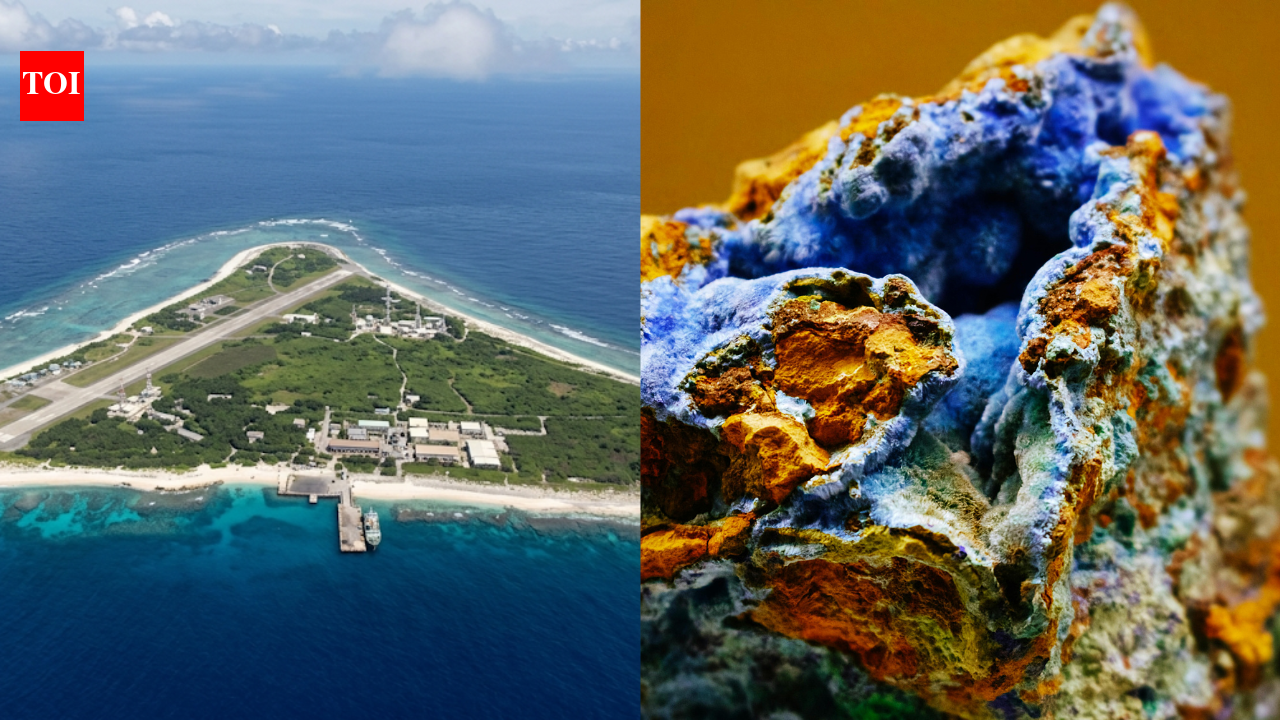
For decades, the global supply of rare earth elements has been shaped by a simple reality: most countries depend heavily on China for the materials that power electric vehicles, wind turbines, advanced electronics, and defence systems.
Japan learned the risks of that dependence firsthand during supply disruptions in 2010.
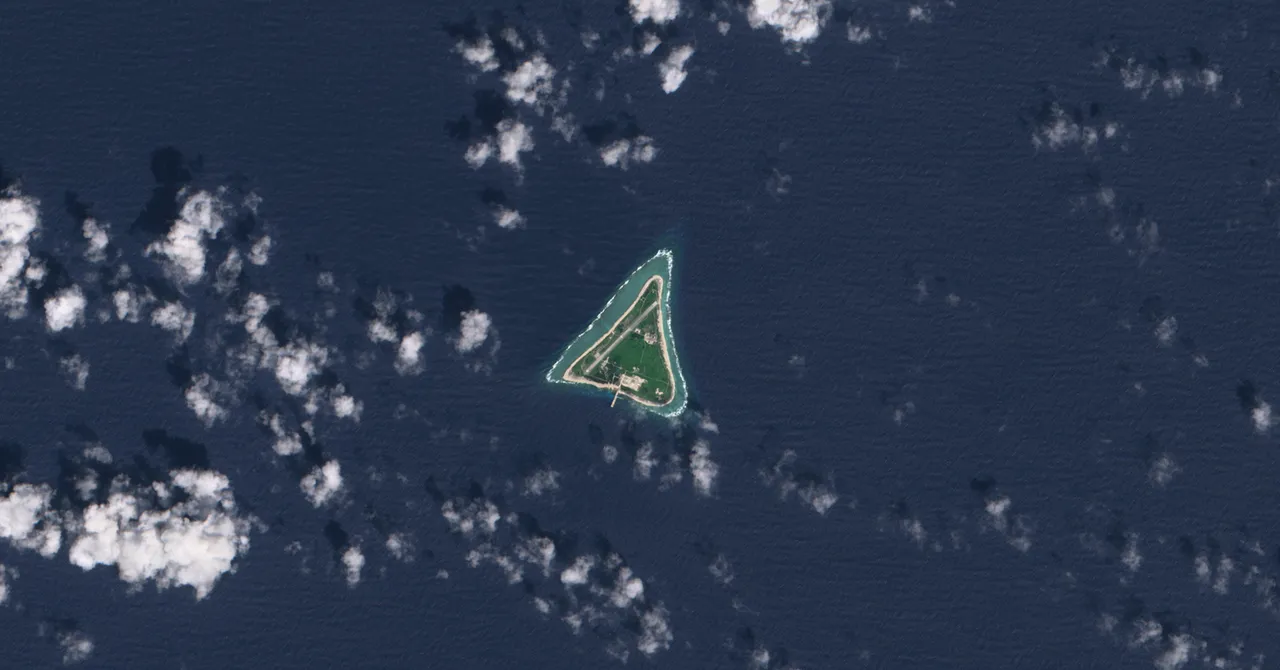
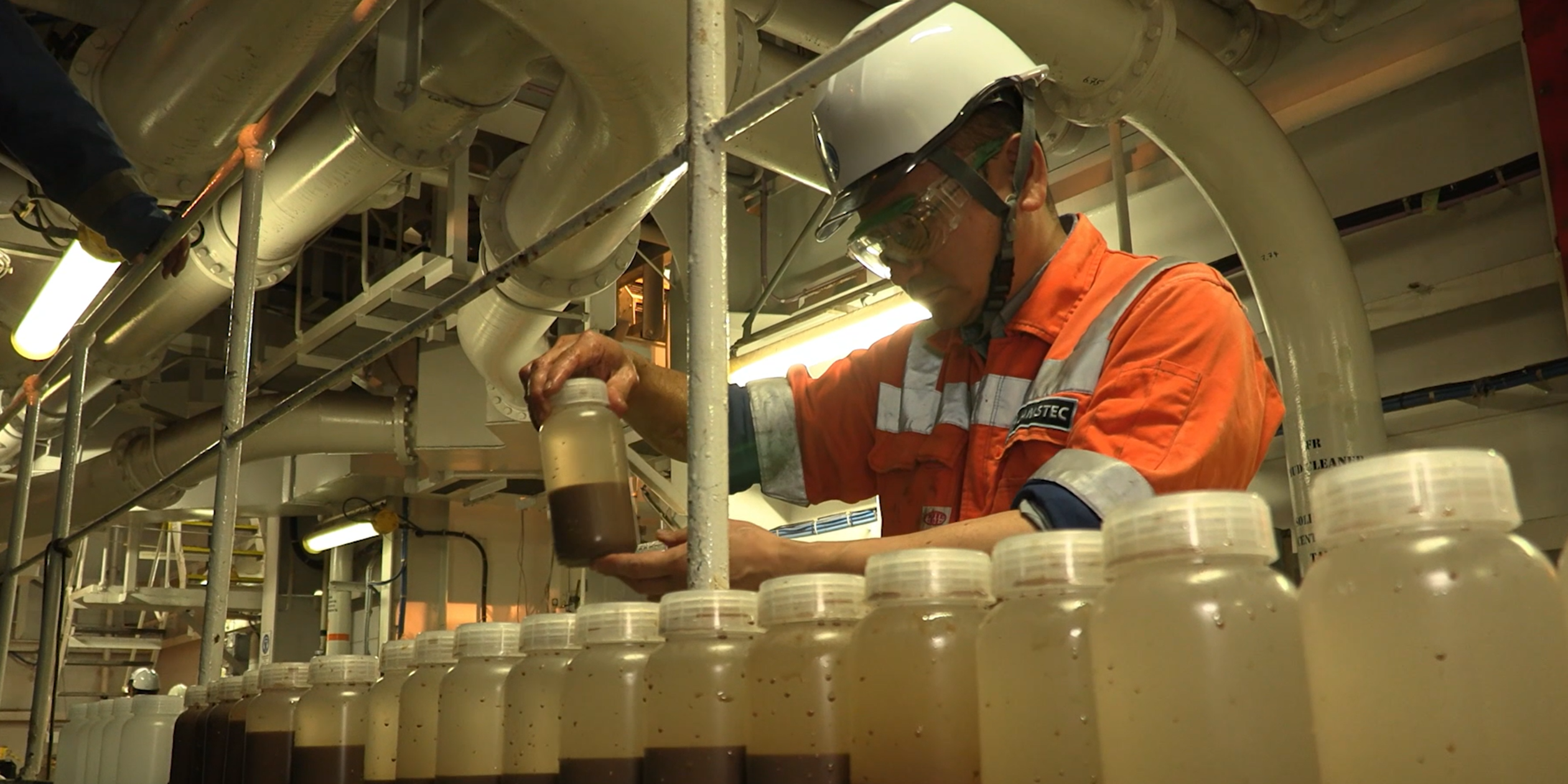
Now, attention is turning to a remote coral island nearly 1,900 kilometres south-east of Tokyo that few people have ever heard of.Minamitorishima, an isolated outpost surrounded by some of the deepest waters in Japan's exclusive economic zone, sits above what researchers describe as one of the world's largest known deposits of rare-earth-rich mud.
Scientists estimate the seabed contains enough dysprosium and yttrium to satisfy global demand for centuries.
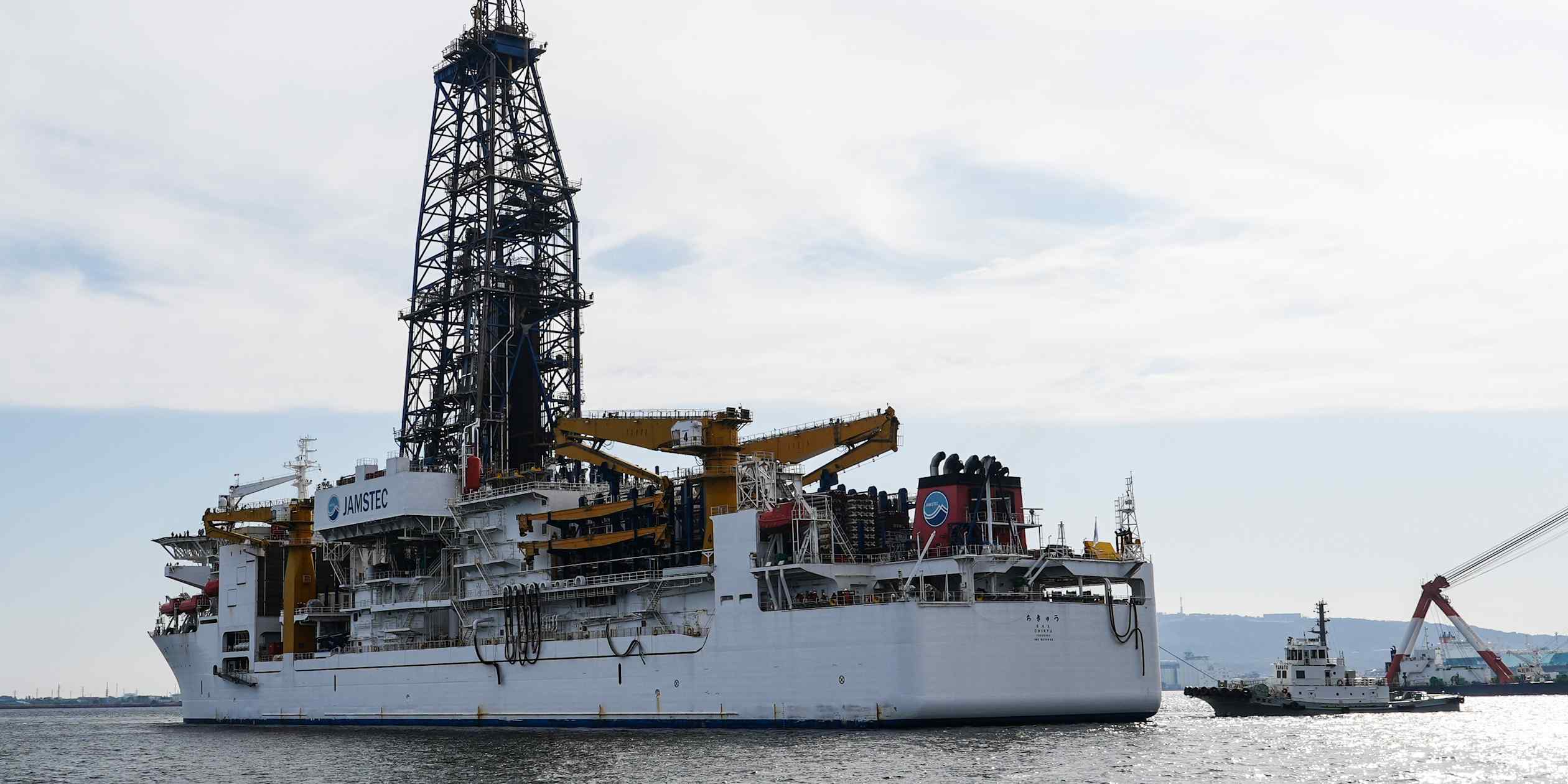
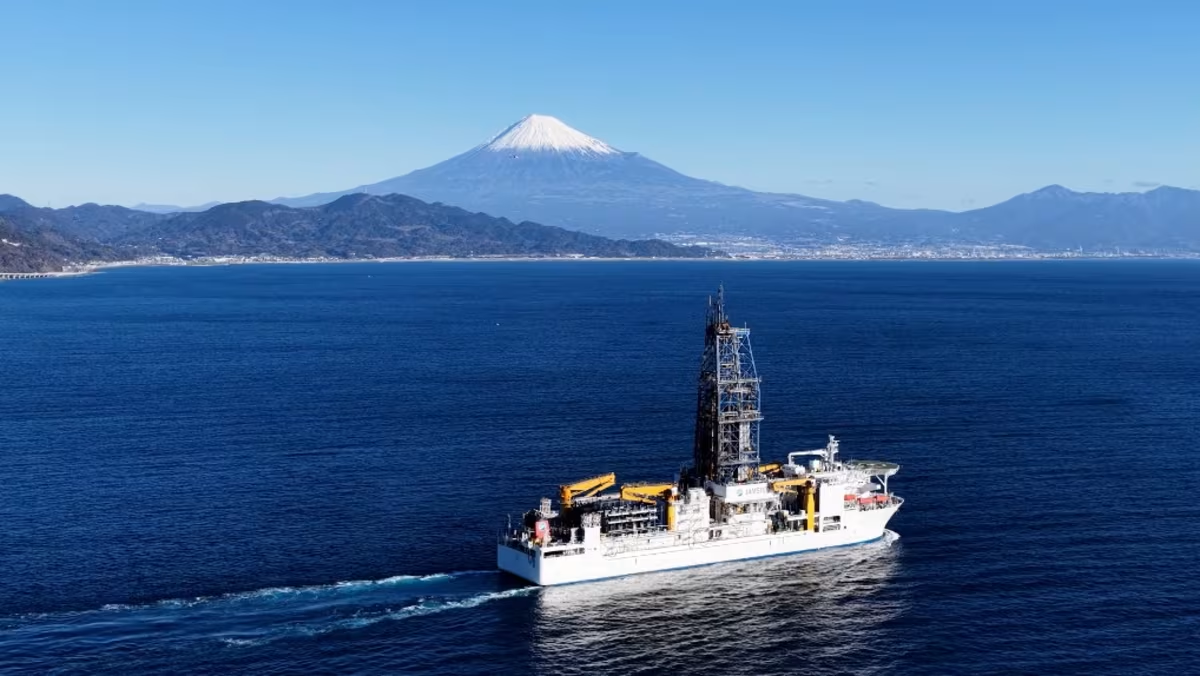
To reach it, Japan is developing advanced autonomous underwater vehicles capable of operating 6,000 metres below the Pacific Ocean, opening a new chapter in the race for critical minerals.Why Minamitorishima's rare earth deposit could reshape global supply chainsAccording to the Ocean Policy Research Institute, the discovery traces back to research led by scientists from the University of Tokyo and the Japan Agency for Marine-Earth Science and Technology (JAMSTEC).