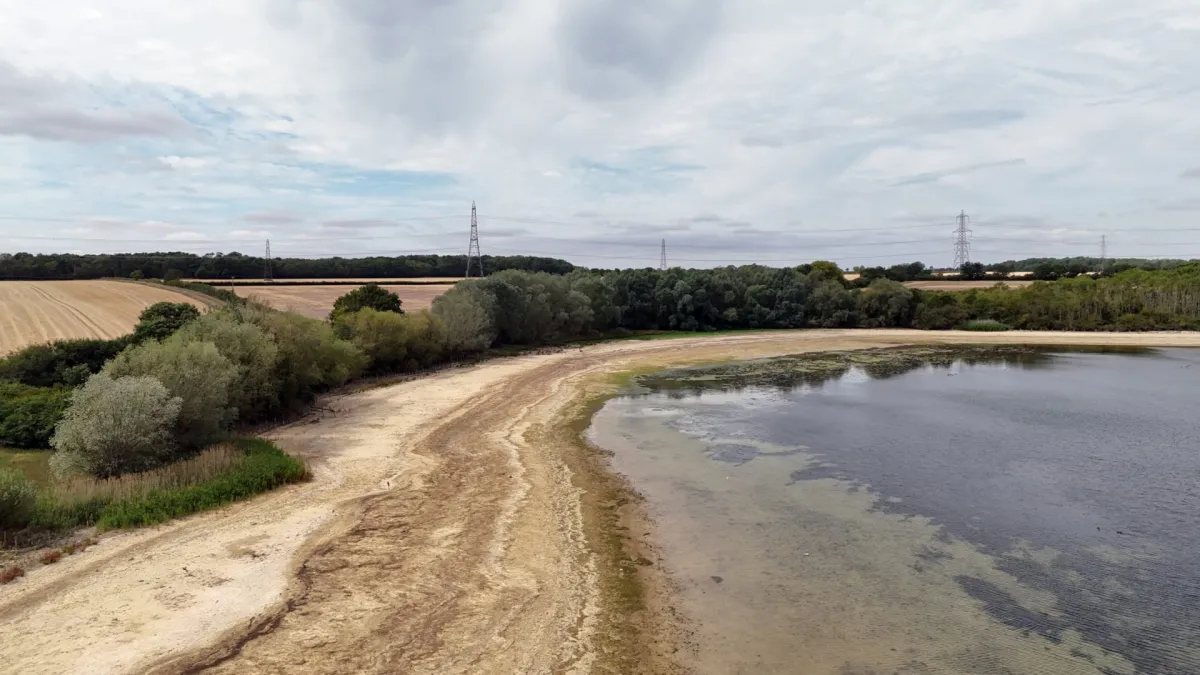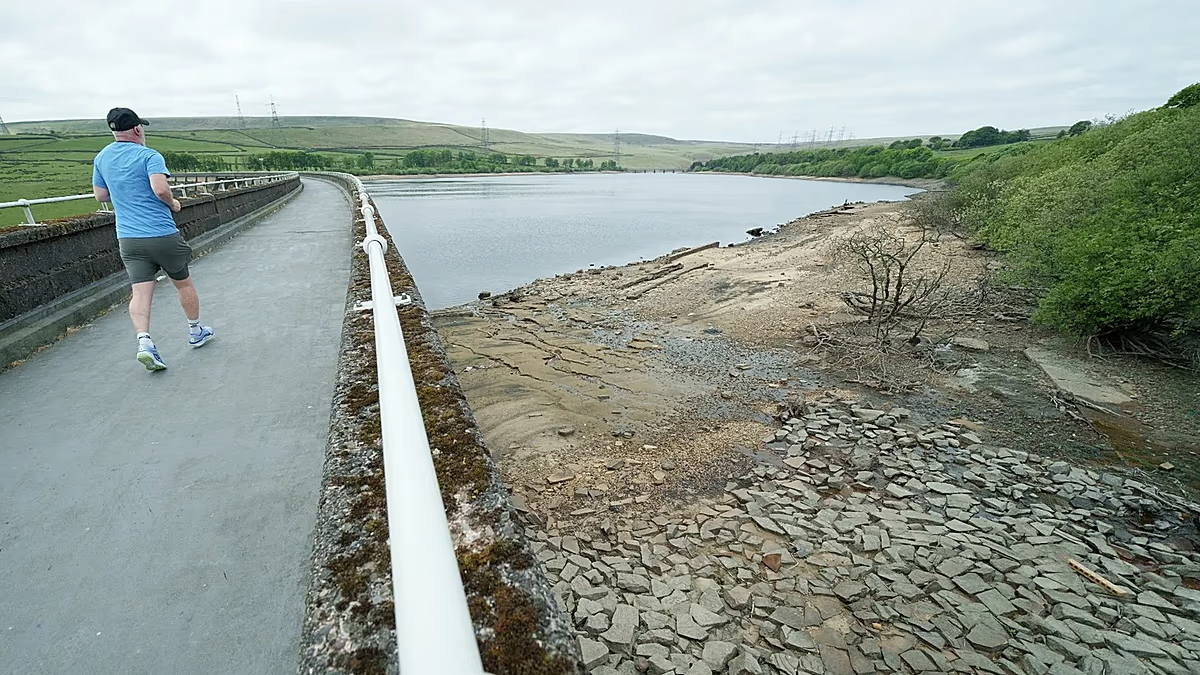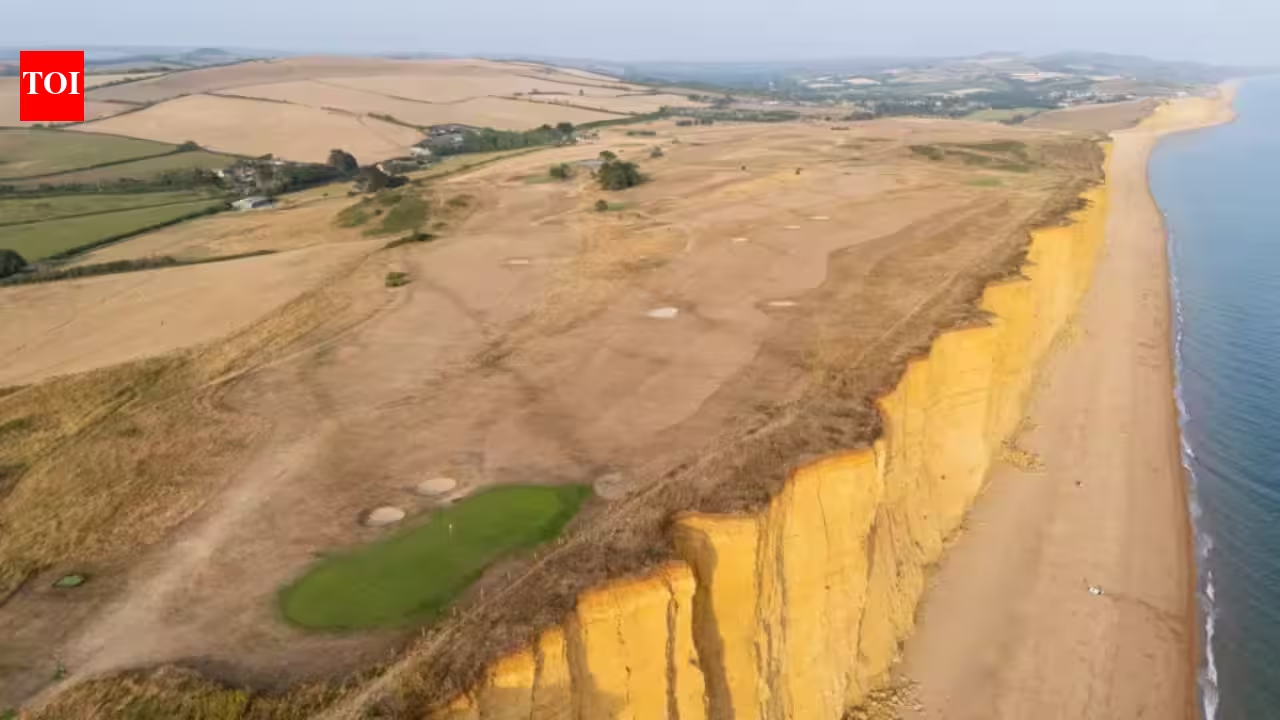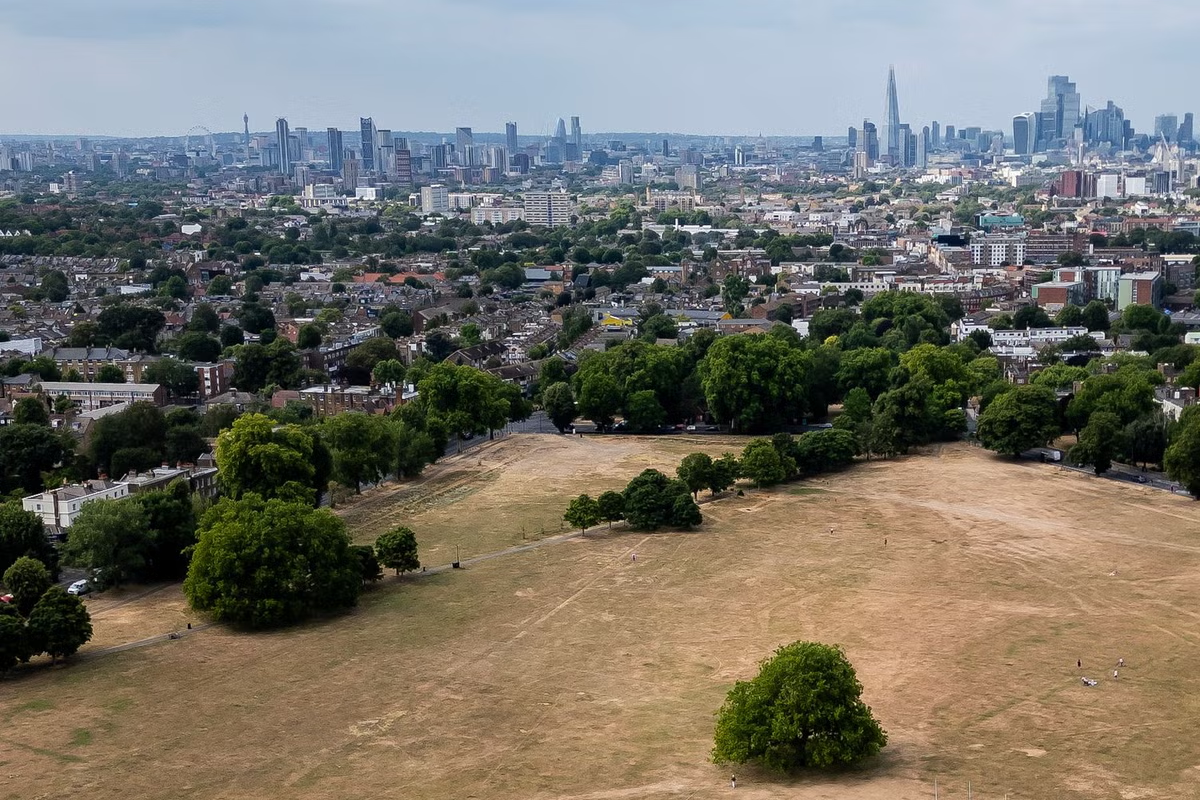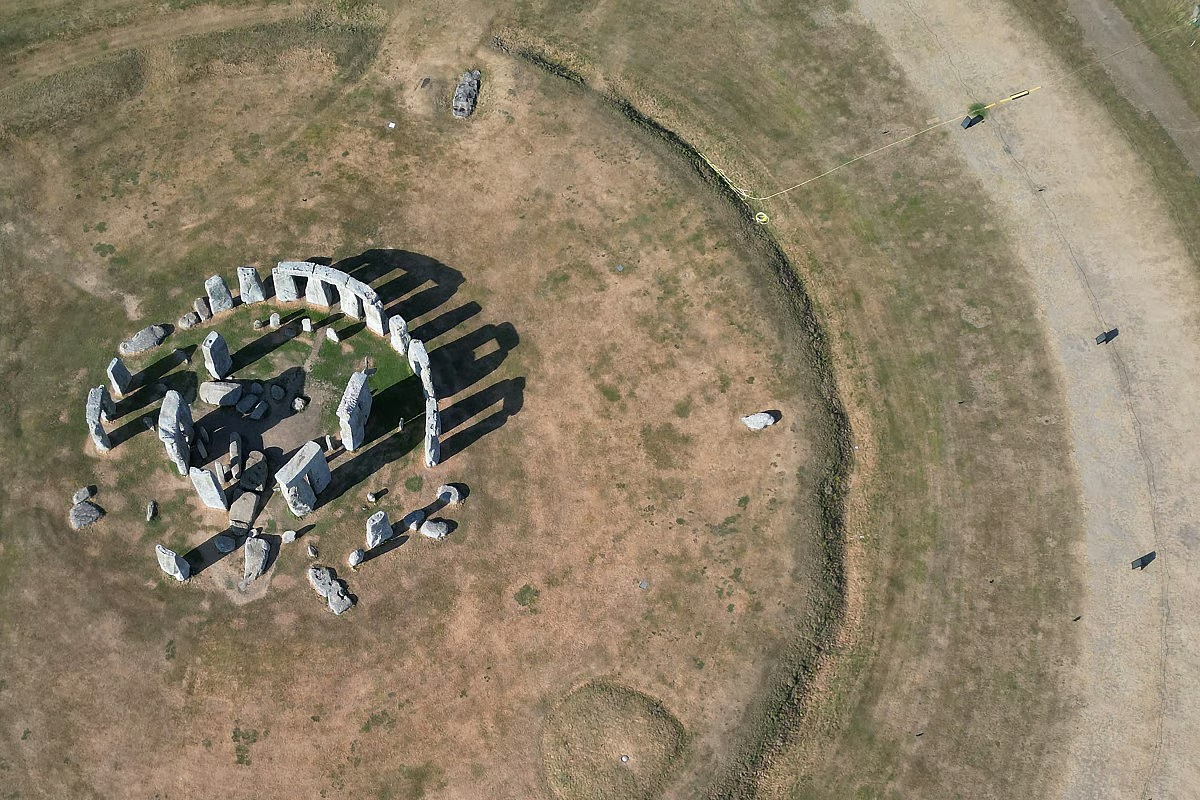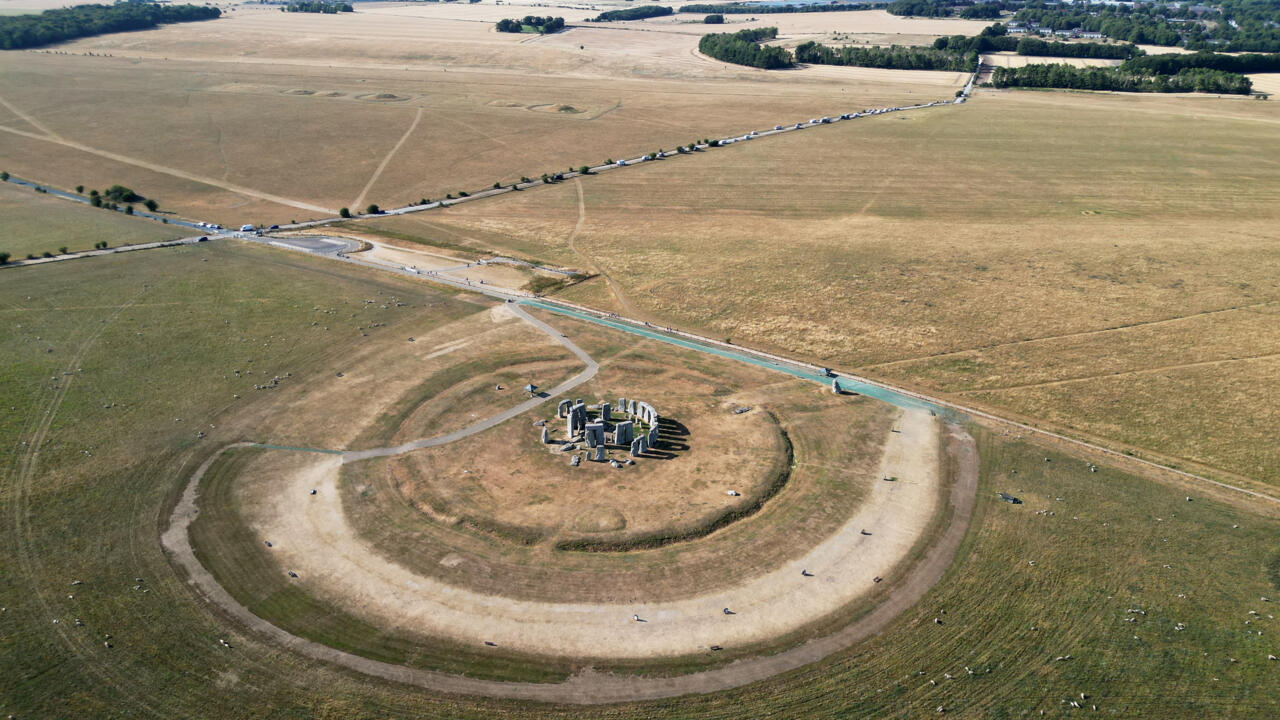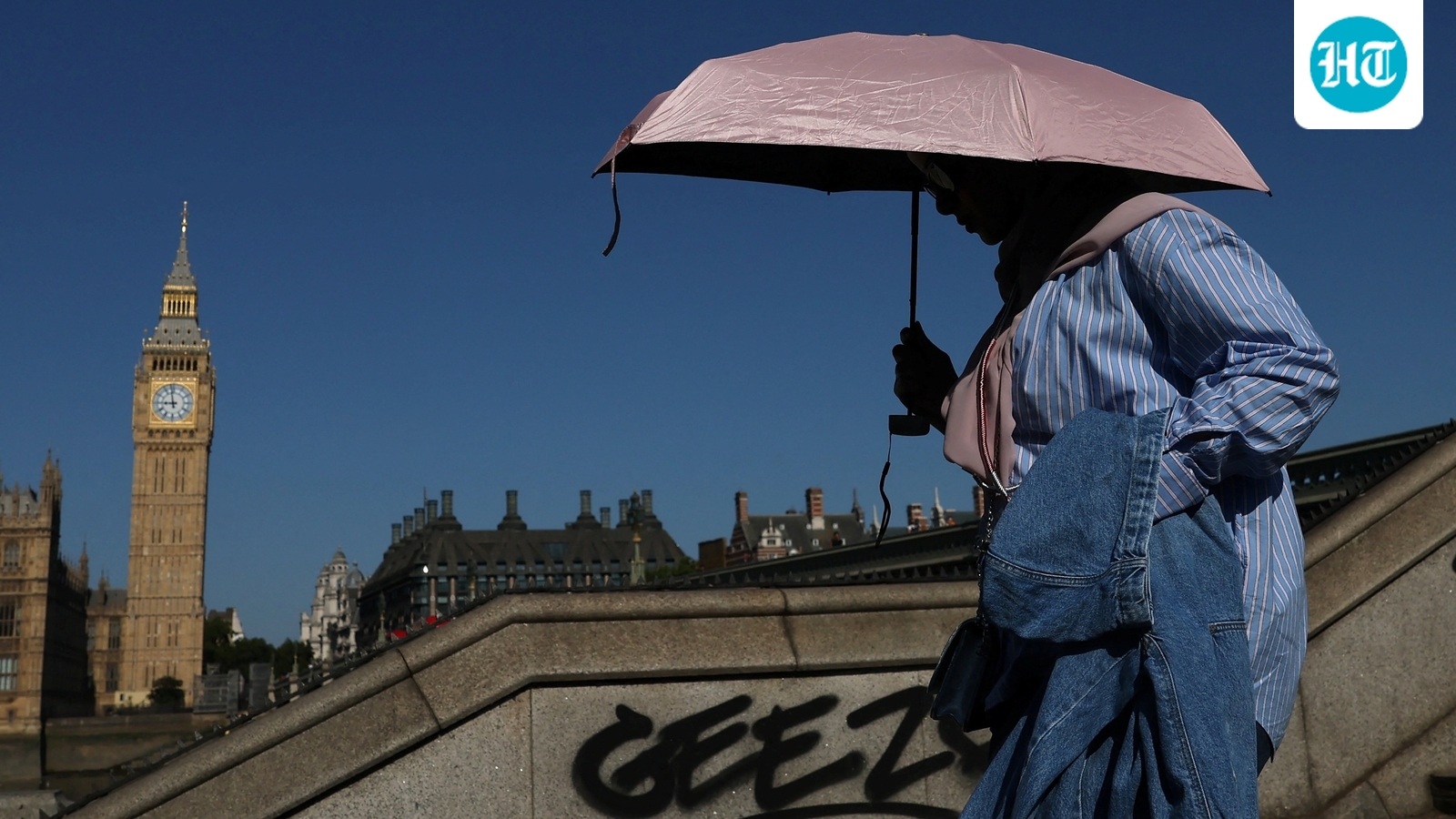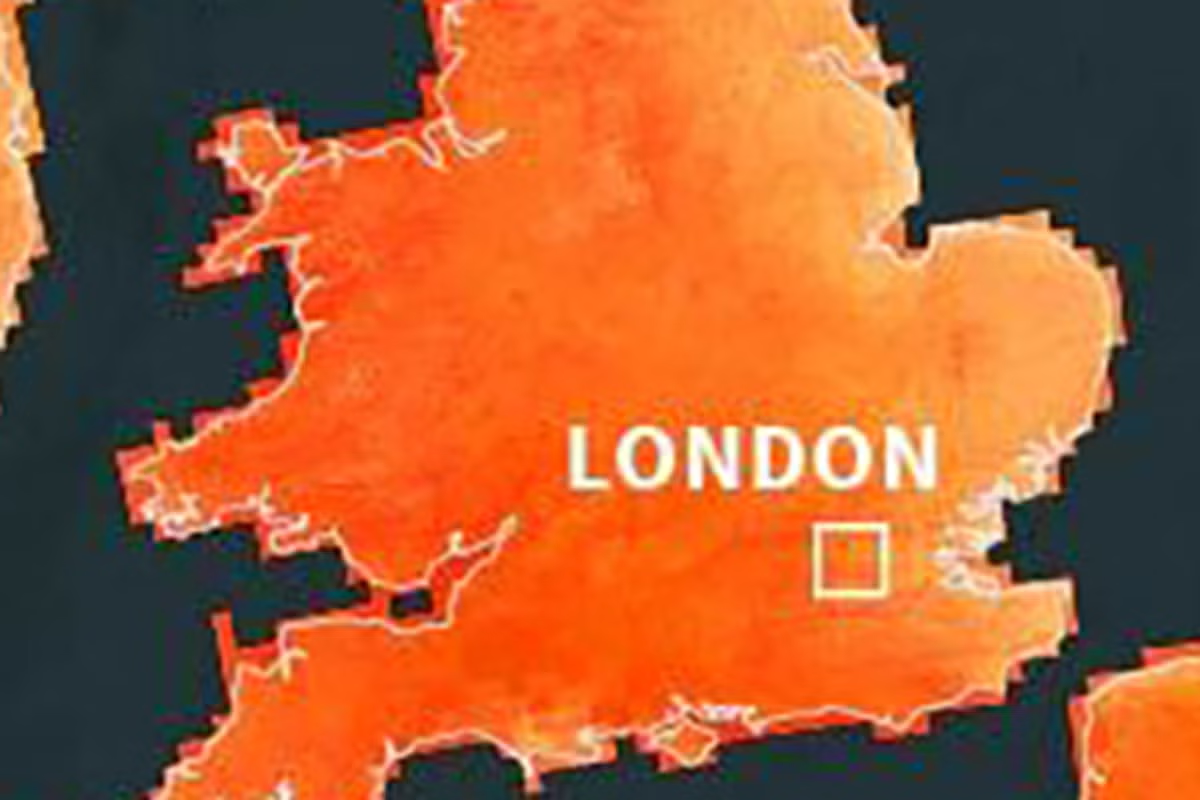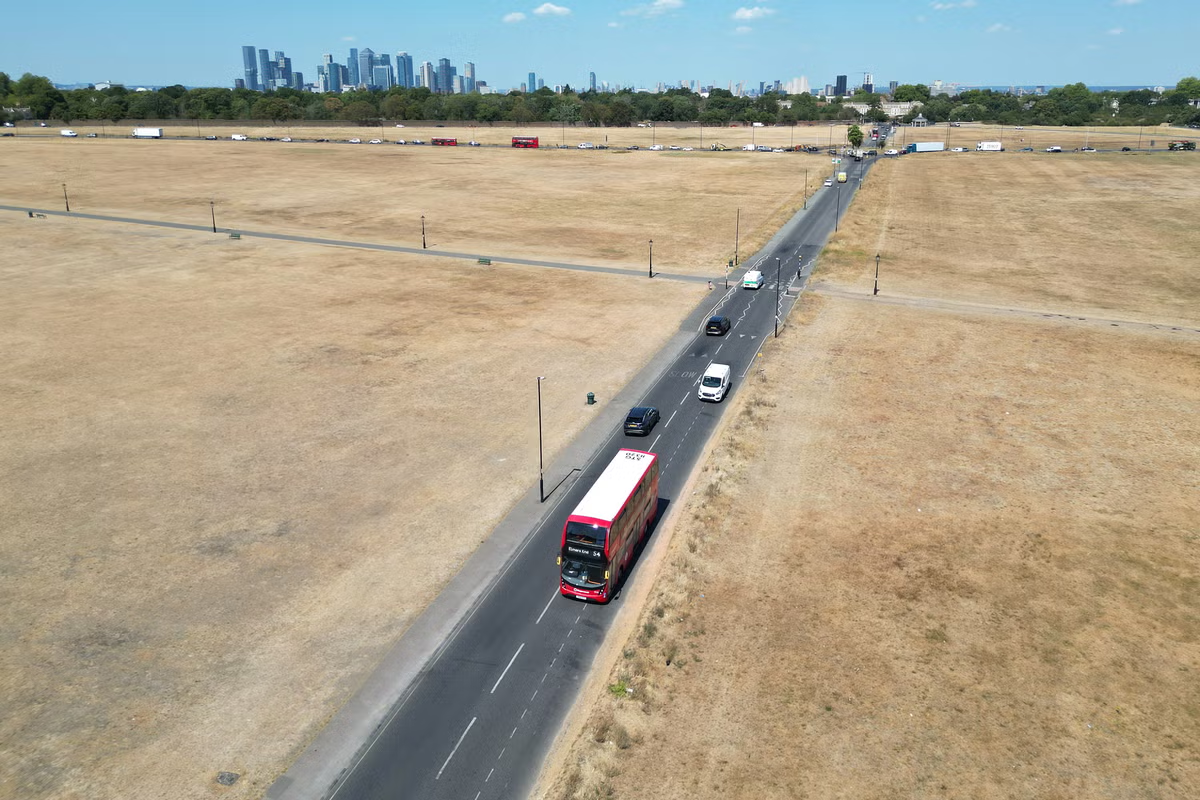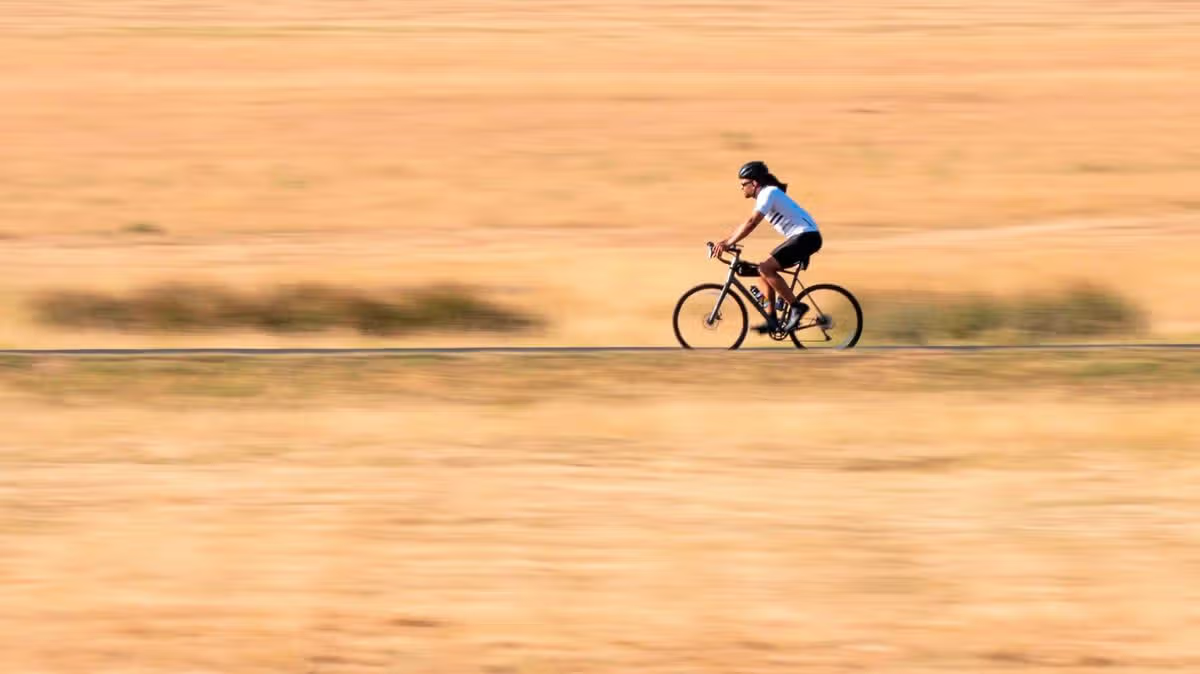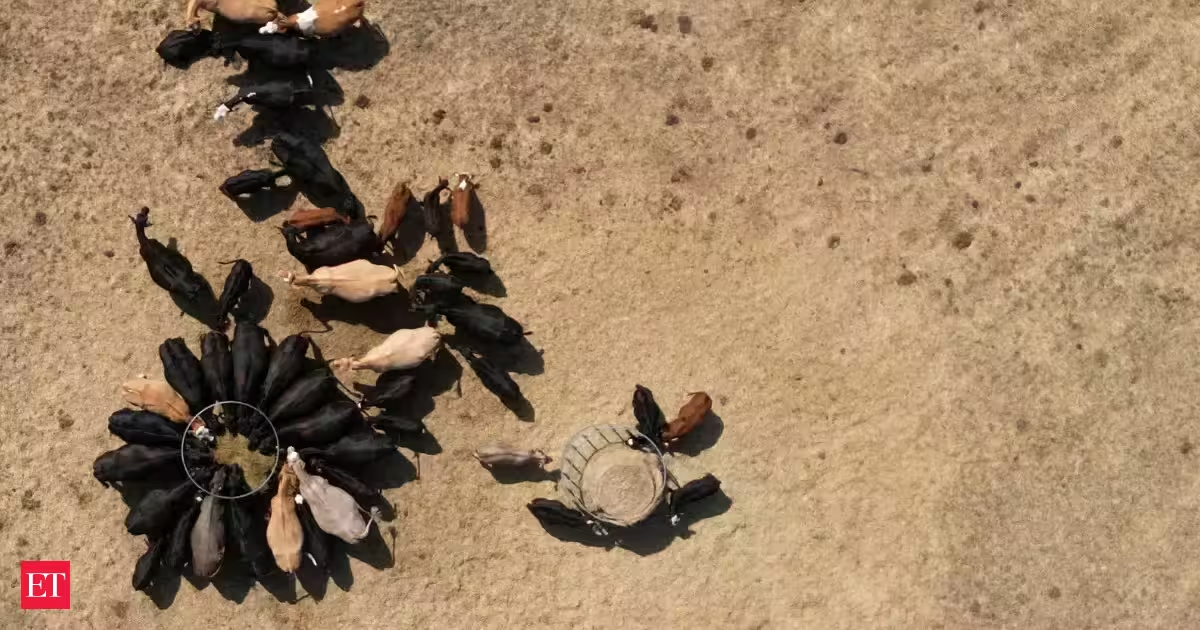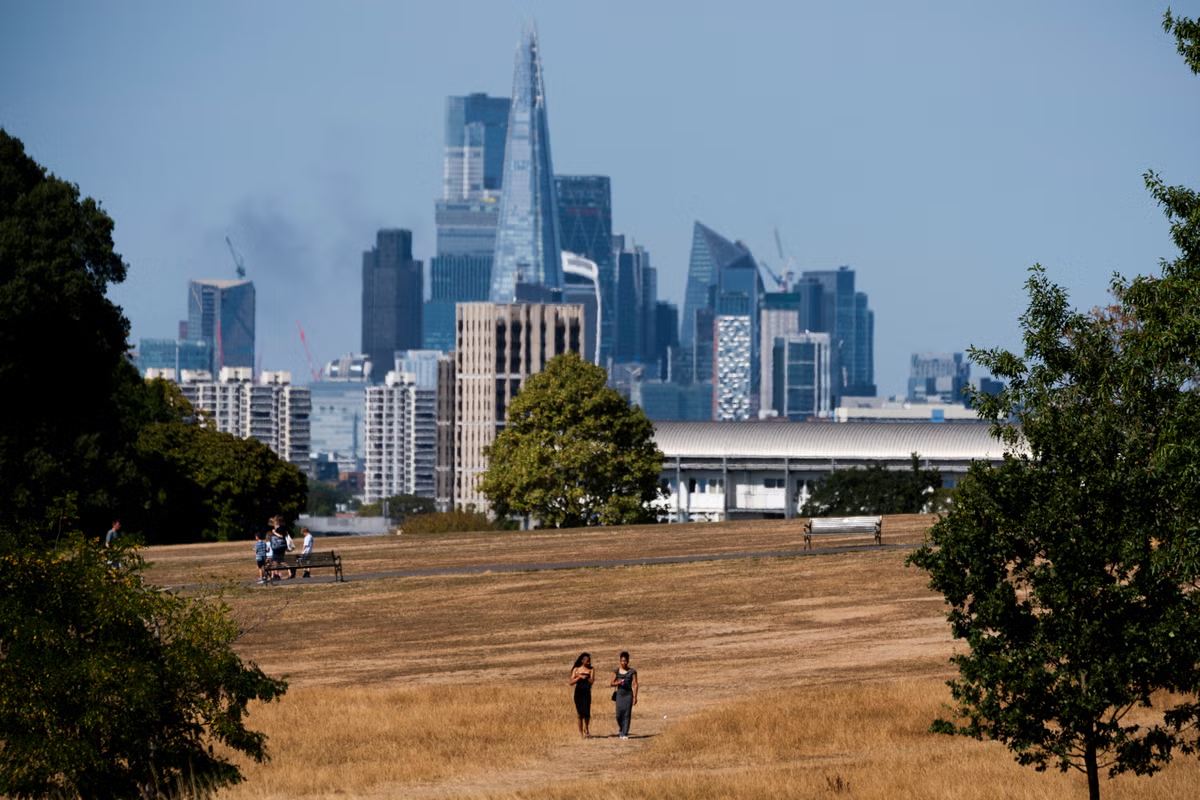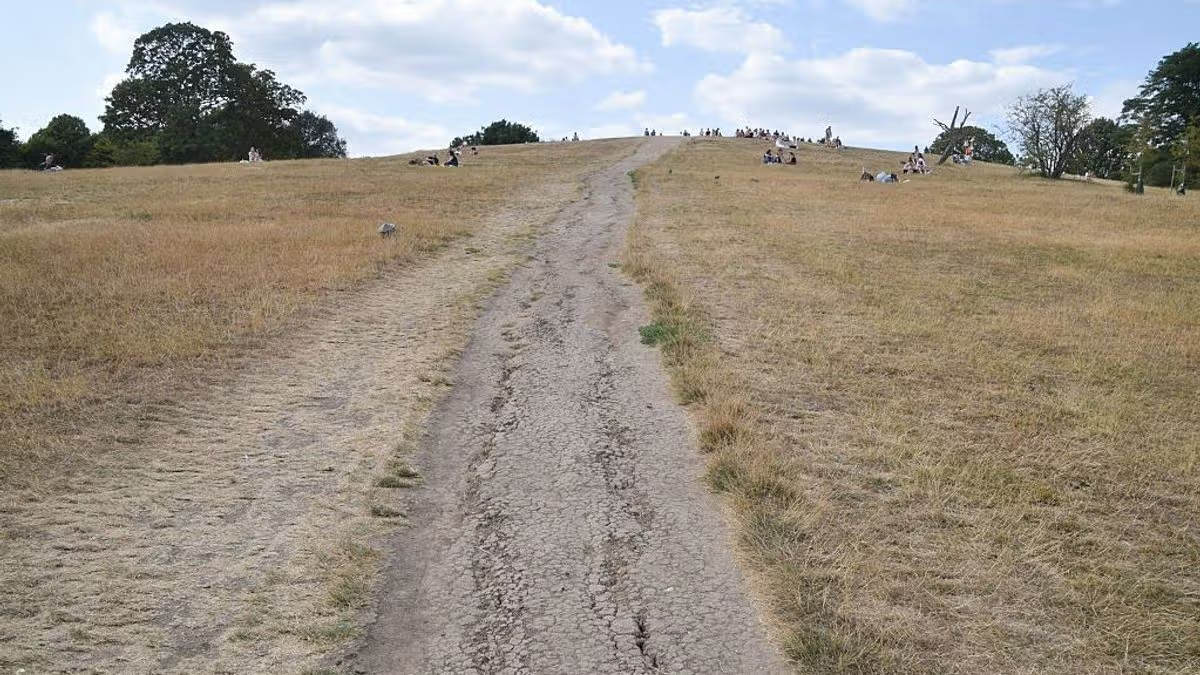
Small steps, such as turning off the taps when brushing teeth, can help13:52, 29 Jul 2026Updated 13:52, 29 Jul 2026The Department for Environment, Food and Rural Affairs and Environment Agency have today, July 29, declared that half of England is facing a drought. Seven areas of England are now officially in drought after record low rainfall and exceptionally high temperatures.The government has said that river levels in affected areas are very low and that crops are being picked early. There is also a greater risk of wildfires. Millions of people are being urged to follow restrictions and use "a little less water" where possible. The government says it is closely monitoring water levels and limiting how much water people can take from rivers.This is the third drought the UK has had in five years, with droughts also declared in 2022 and 2025. The seven areas in drought are:East AngliaHertfordshire and the whole of LondonThames ValleyHampshire and the Isle of WightDevon and CornwallThe West MidlandWessex (covering Dorset, Somerset, Wiltshire, and south Gloucestershire)Helen Wakeham, Director of Water at the Environment Agency and Chair of the National Drought Group, said: "The hot and dry weather means we are currently using water faster than nature can replenish it. A second consecutive summer drought is an exceptionally serious situation and one that will have long-lasting impacts on our environment, wildlife, and the economy. We want everyone to stay safe and hydrated during the hot weather but every drop we can save is a drop more for nature and agriculture."Following a very wet winter this year, the UK went on to face a very dry summer. Most of the rain expected in July never fell. Many parts of southern England have seen almost no rain at all. The hot weather is drying up the water in the ground. According to the Met Office, more heatwaves are coming, and there is no rain in the forecast.Met Office Chief Meteorologist, Will Lang, said: "The warm and exceptionally dry conditions experienced across much of England over recent months are continuing to have a significant impact. Many areas have received very little or no rainfall throughout July, extending a period of below-average rainfall that has persisted across parts of the country since spring."While there are indications of occasional unsettled spells during the first part of August, bringing the chance of rain to some locations, there is currently little sign of the widespread, sustained rainfall that would be needed to make a significant difference to the areas most affected by the dry weather. The Met Office continues to work closely with the Environment Agency and partners across the water sector, providing expert meteorological information and forecasts to support drought monitoring, planning and response activities."Alongside seven areas in drought, these areas are now in prolonged dry weather:Kent and East SussexCumbria and LancashireGreater Manchester, Merseyside and CheshireEast MidlandsLincolnshire and NorthamptonshireThe rest of Solent and the South DownsJust Yorkshire and the North East remain in normal status, with the situation under close review.A statement on Gov.uk reads: "With everyone’s help in using a little less water and following restrictions, our current reserves should be enough for the coming months until the next period of sustained rainfall. Small steps, such as turning off the taps when brushing teeth or shaving, taking a shorter shower or fixing a leaking toilet can really add up."How to save water at homeThere are many ways that you can save water around your home. According to the Water Services Regulation Authority (Ofwat), these tips may be helpful:Use a bowl in the sink when washing fruit, vegetables, or dishes. You can then use the wastewater to water your plants. Fill a jug of water and put it in the fridge for when you want a cool drink. Turn off the tap when you clean your teeth. A running tap uses up to nine litres of water a minute.Wait until you have a full load before using your washing machine or your dishwasher. Some new washing machines use less than seven litres of water per kilogram of clothes, while modern dishwashers use as little as 10-15 litres per cycle.If possible, take a shower instead of a bath. A five-minute shower uses about 40 litres of water. This is about half the volume of a standard bath. Use a water-saving device in your toilet cistern. Depending on the size of your cistern, you could save between one and three litres each time you flush the toilet.Article continues belowUsing a watering can in the garden instead of a sprinkler or a hosepipe. Garden sprinklers and hosepipes left running can use between 500 and 1,000 litres of water an hour.Think about fitting a water butt to collect rainwater from your roof. Water butts usually store about 200 litres of water. In addition to being better for watering your plants, using rainwater in the garden reduces the amount of treated water you use. Check your property regularly for leaks on your internal plumbing.
Use less water at home tips as drought declared in half of England
Small steps, such as turning off the taps when brushing teeth, can help
827 words~4 min read