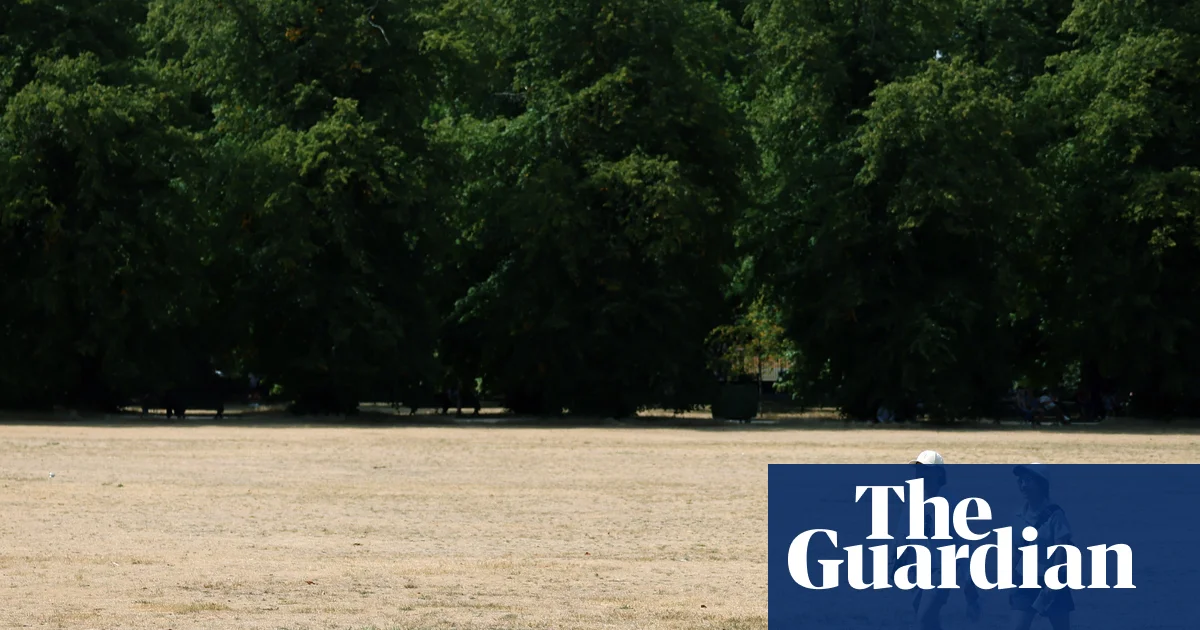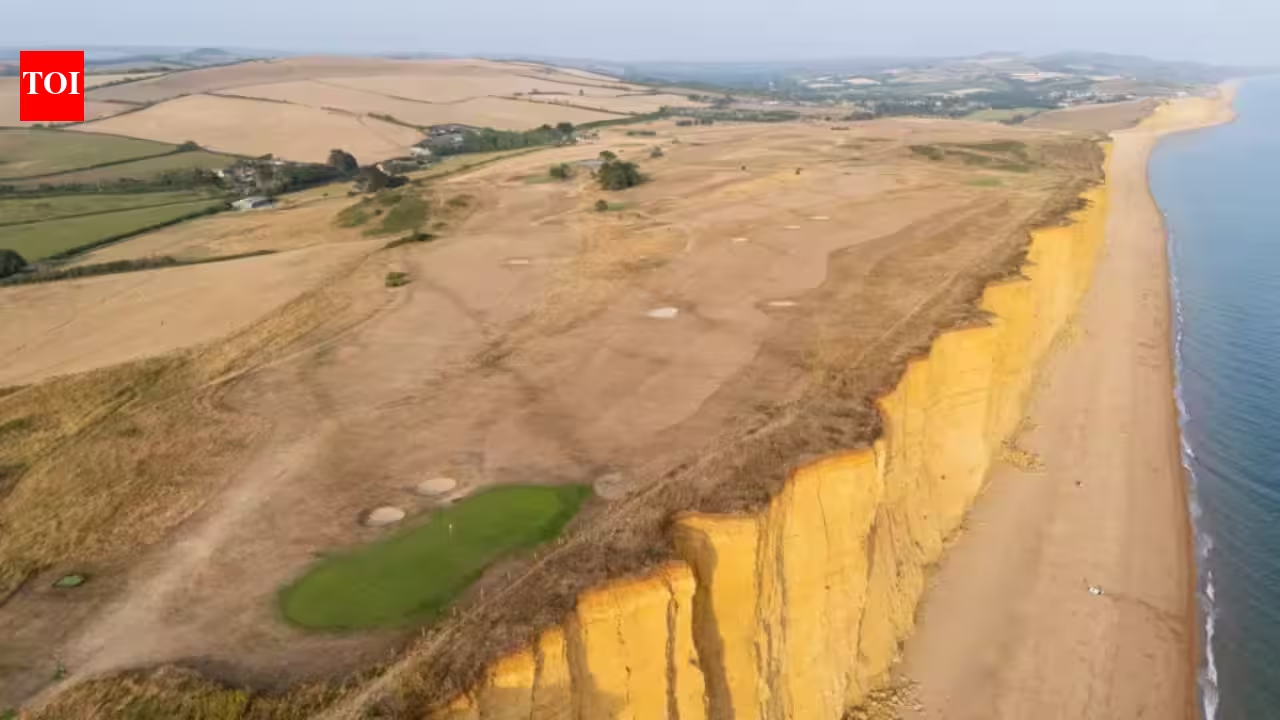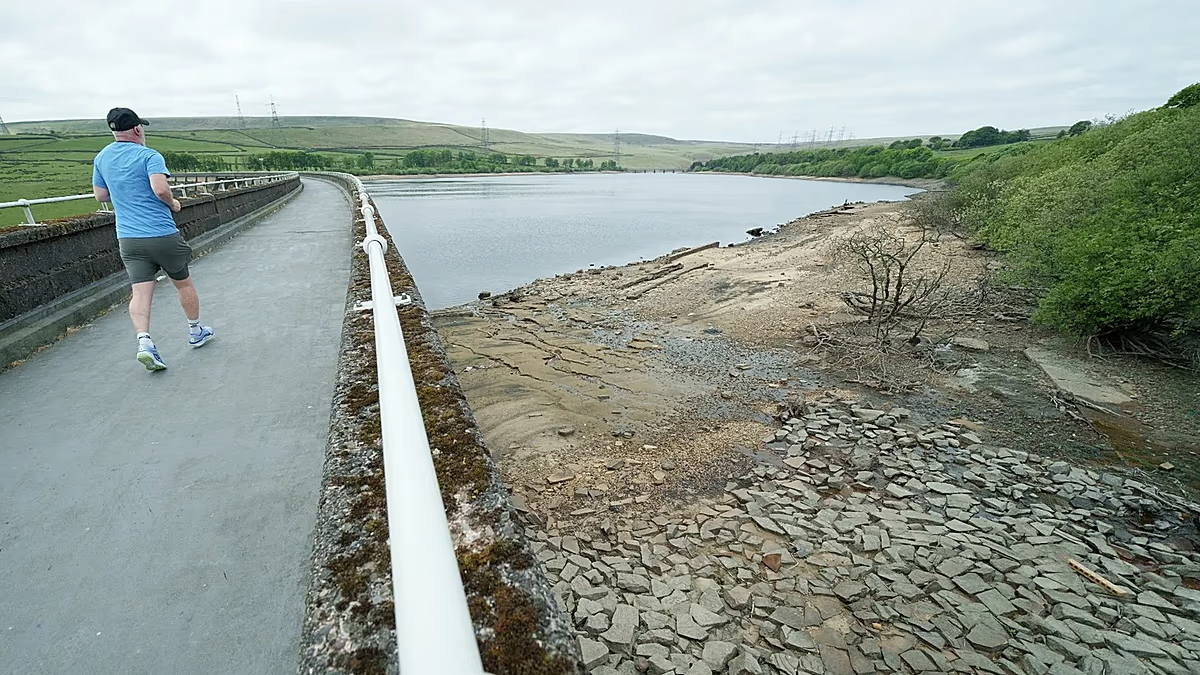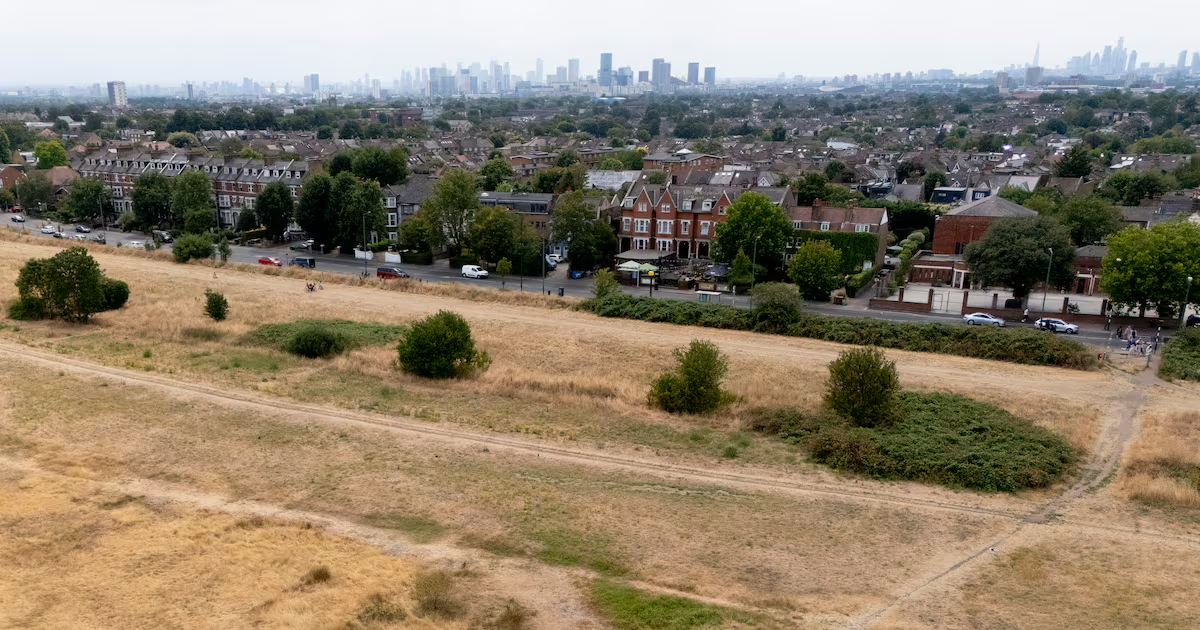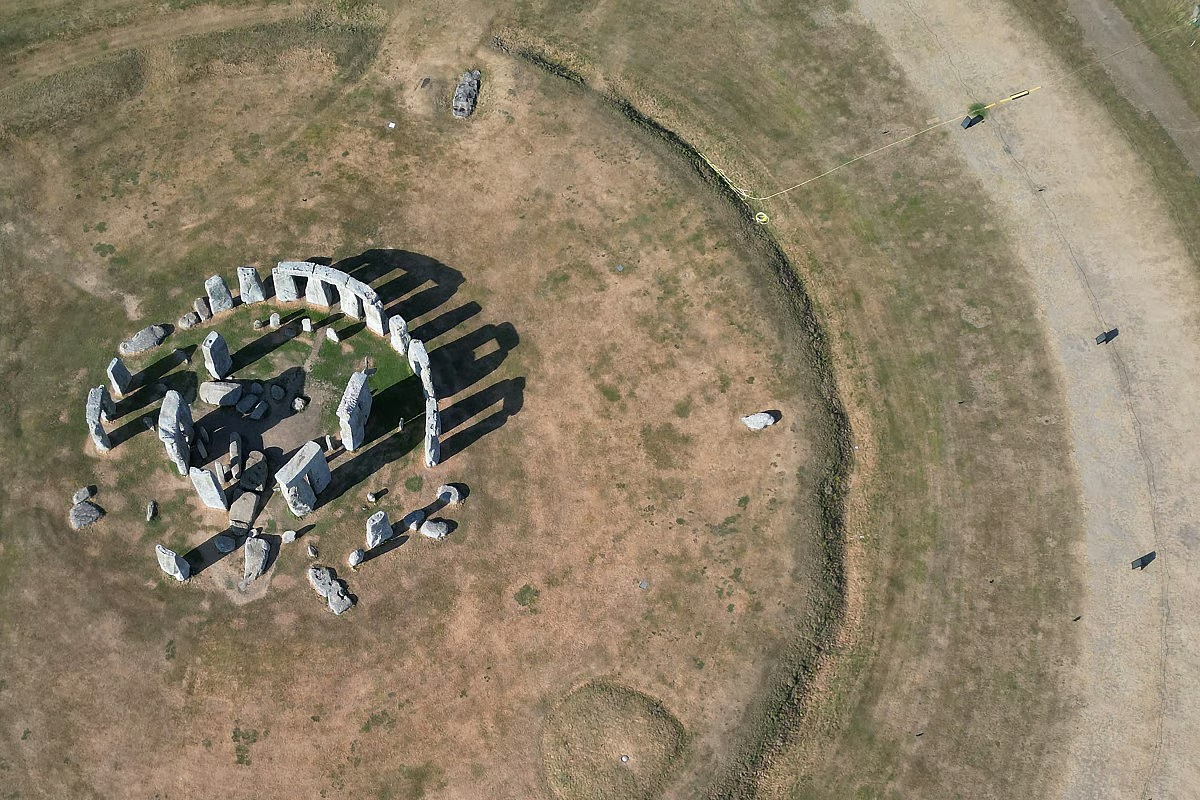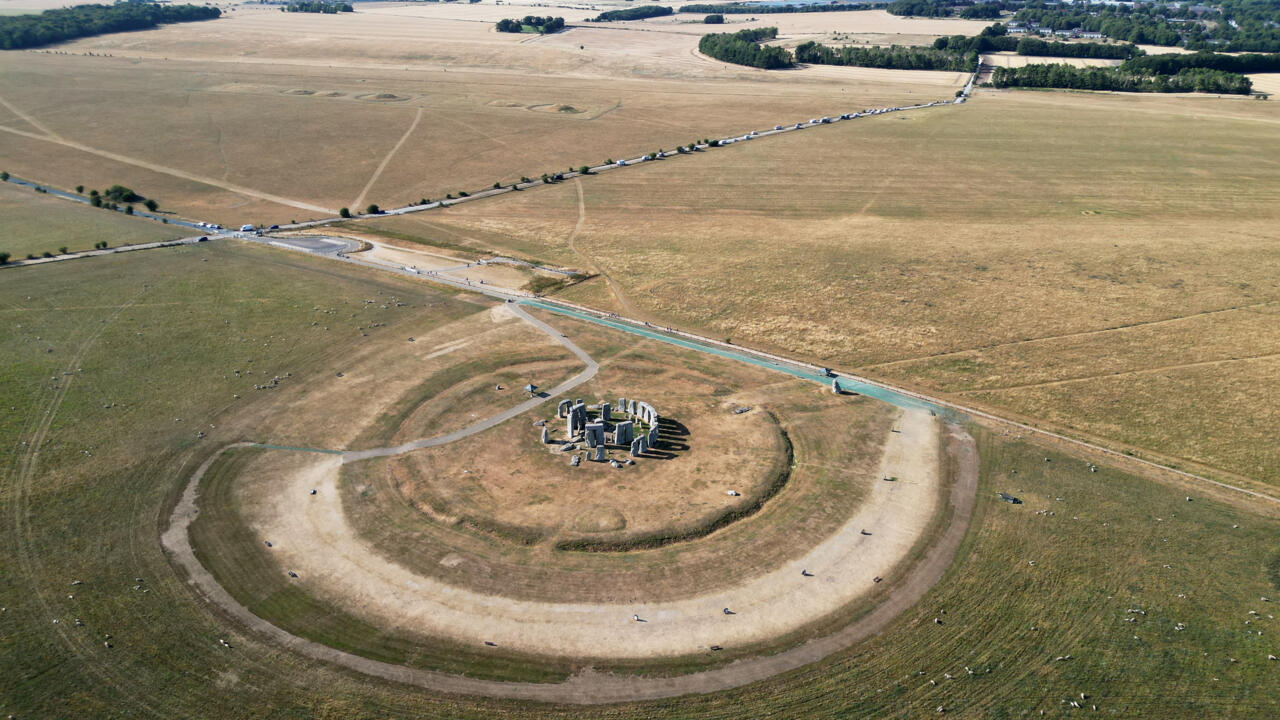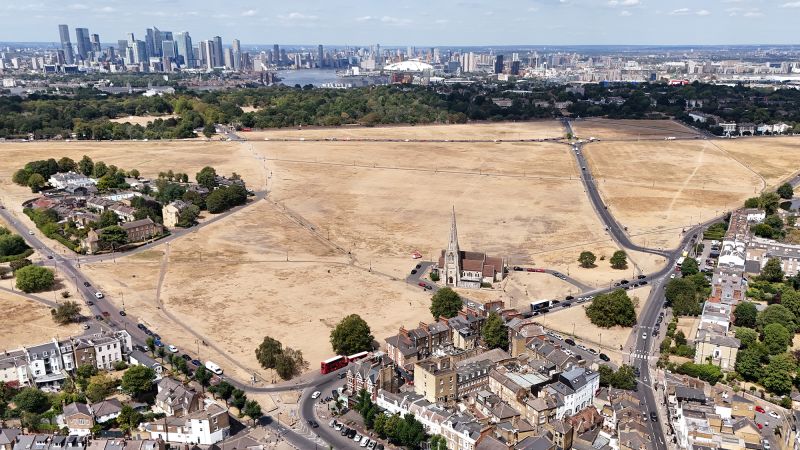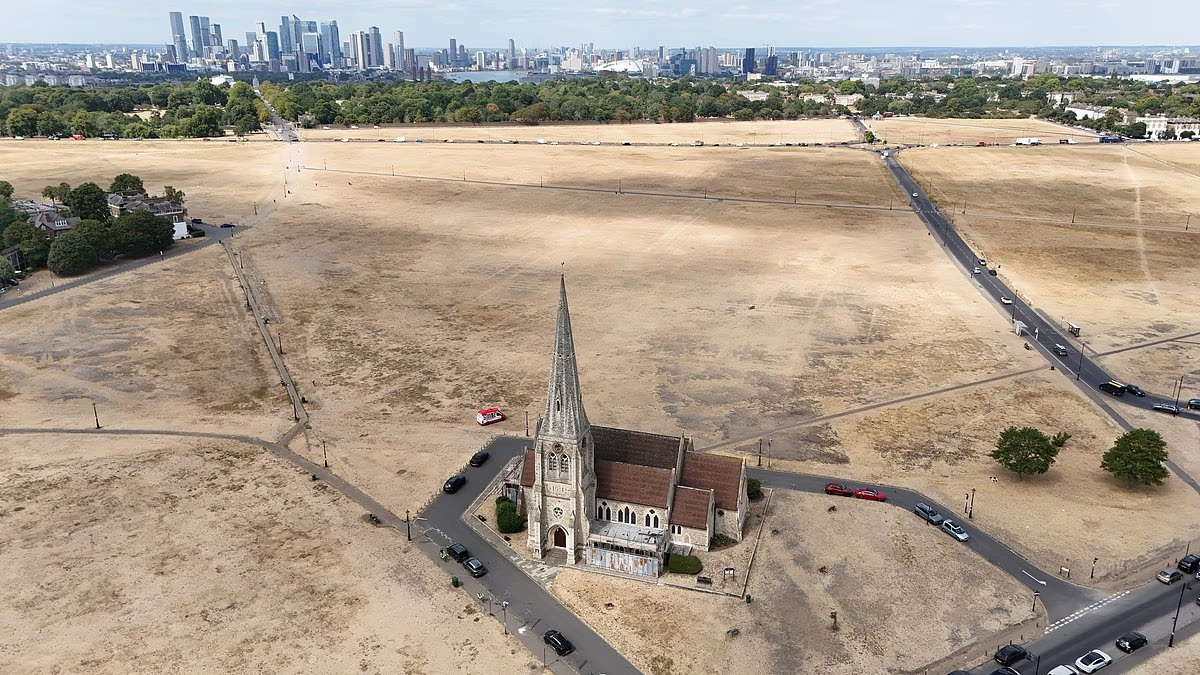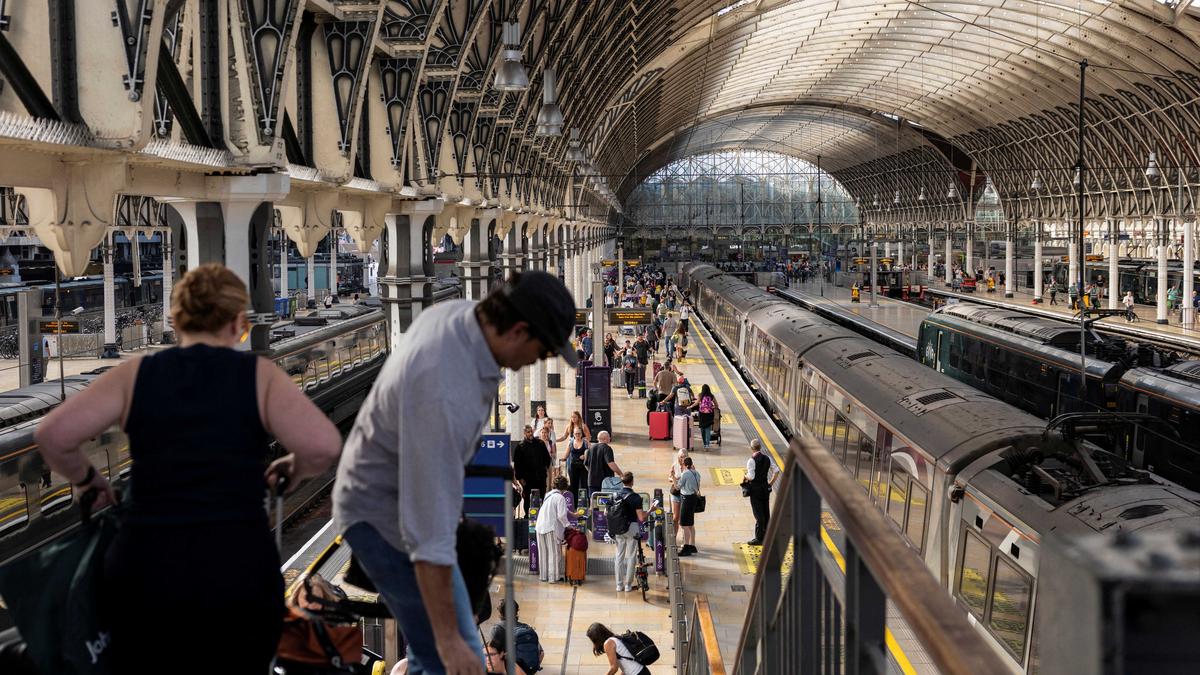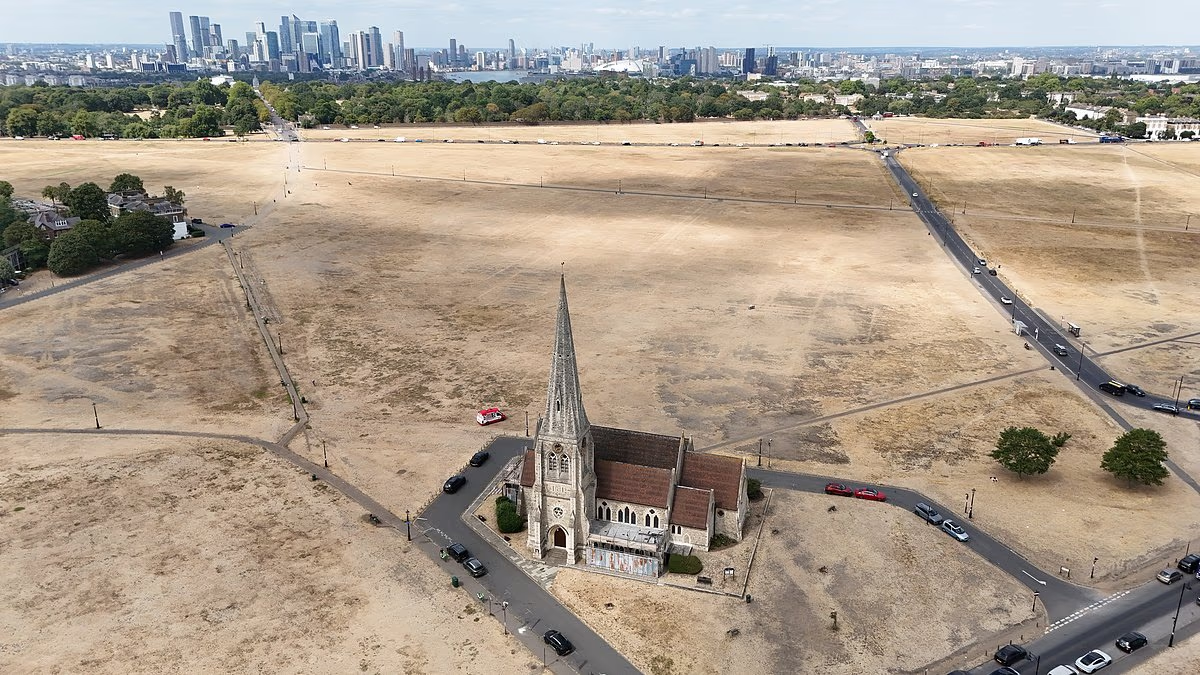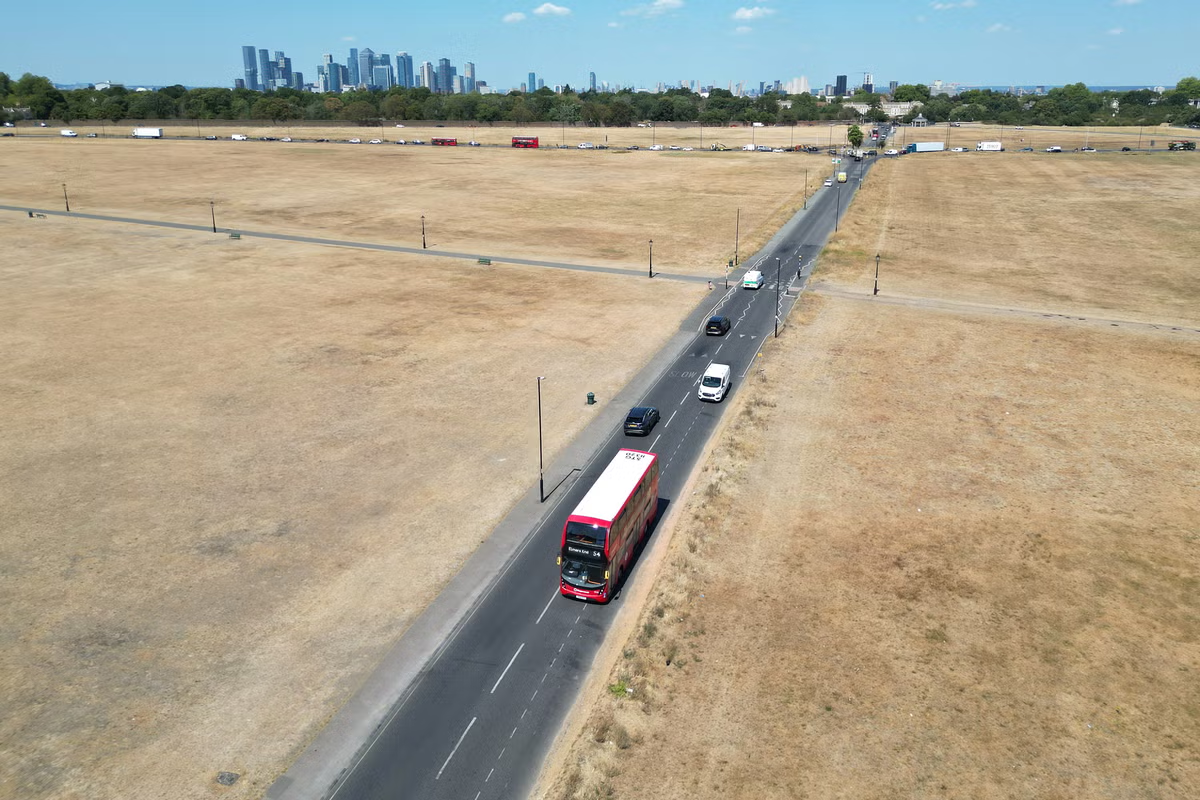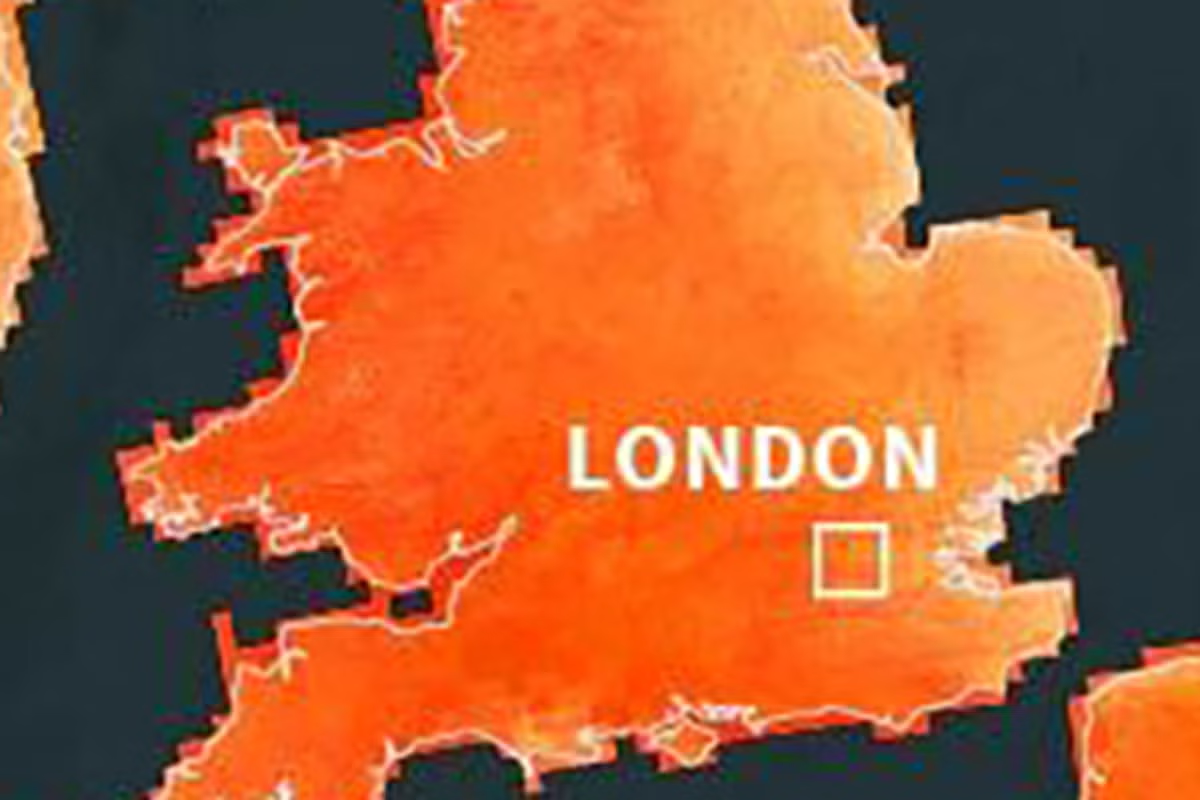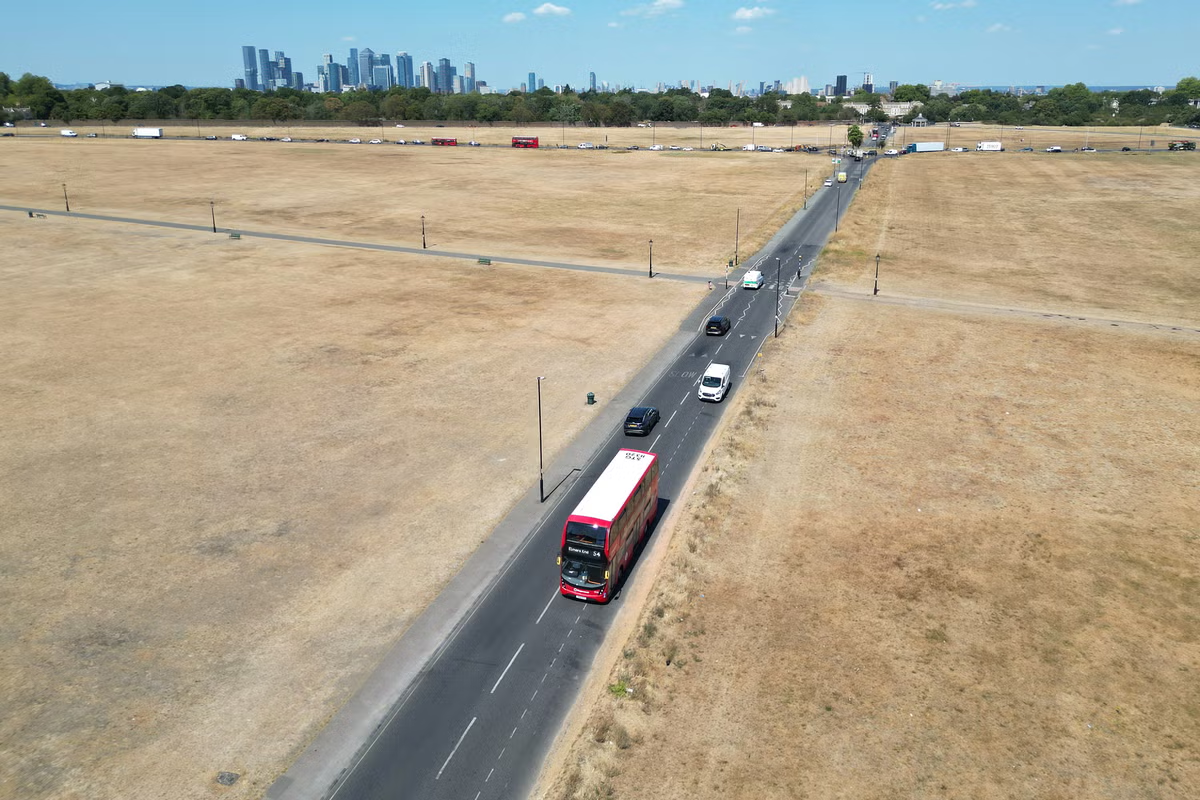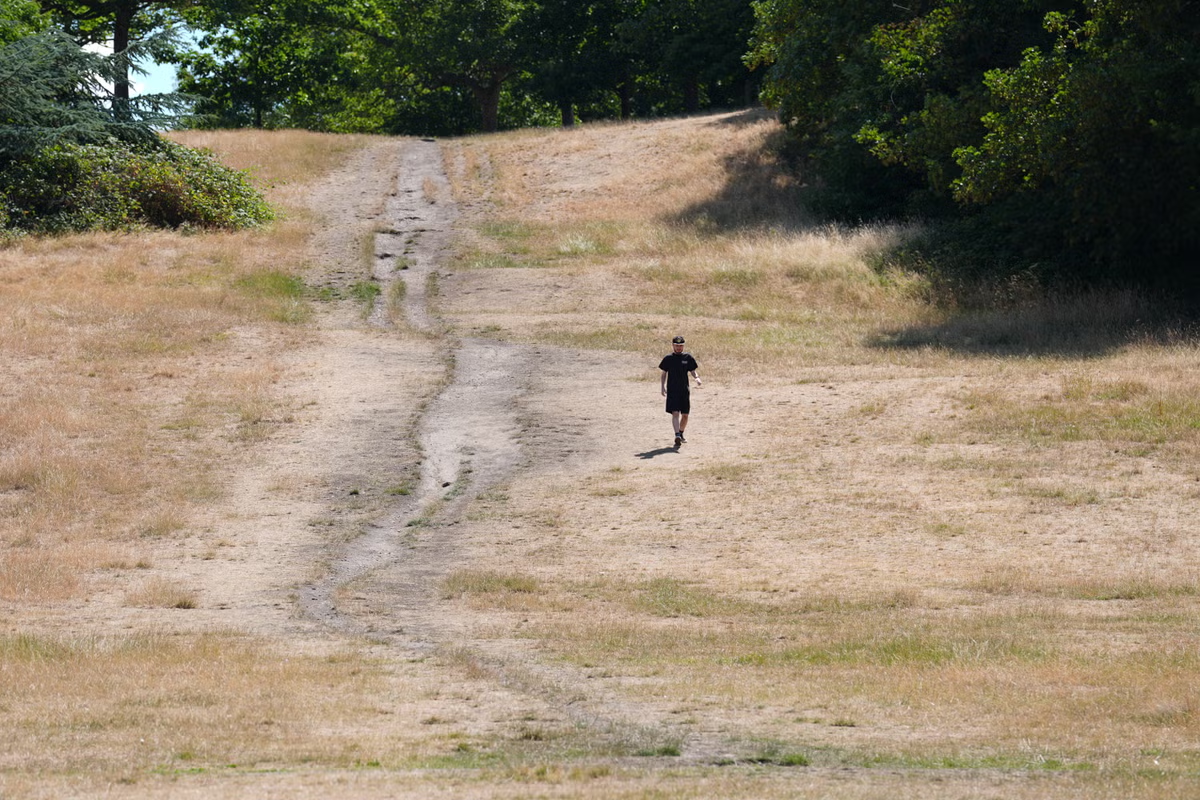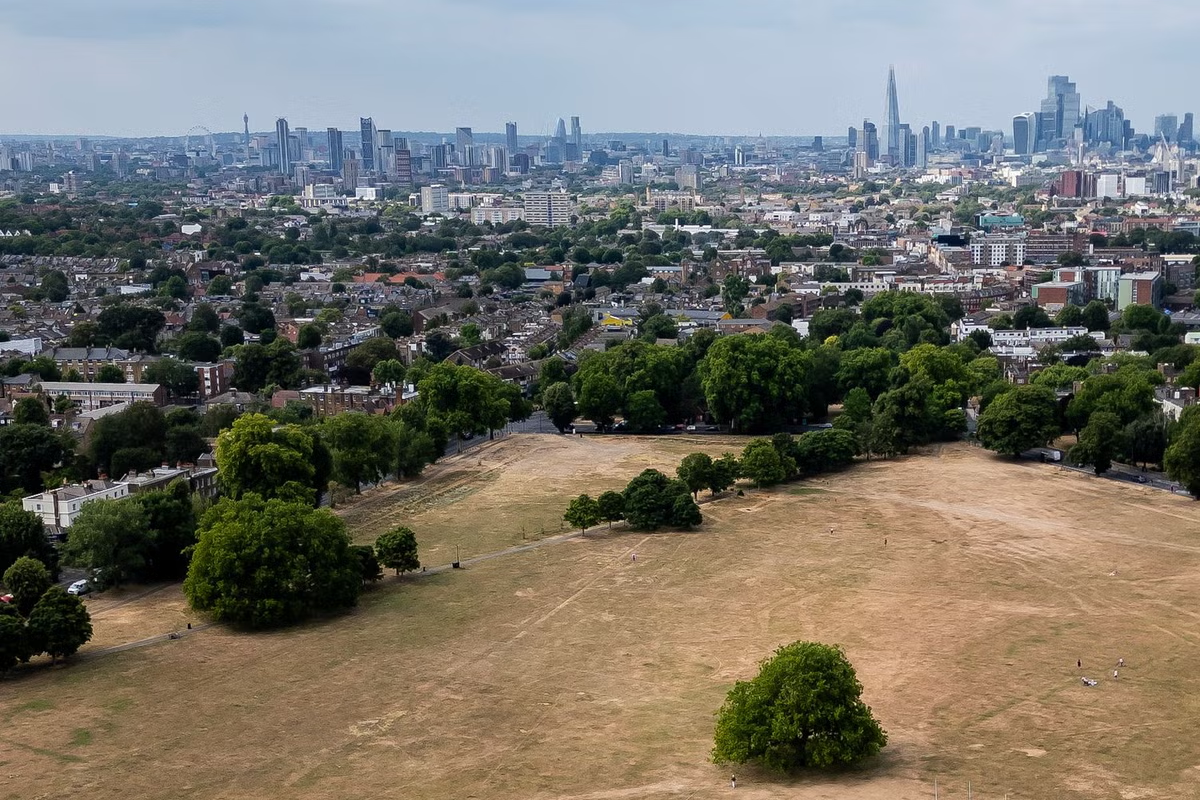
Drought has been declared in seven English regions following a period of low rainfall and back-to-back heatwaves, the Environment Agency has confirmed.Up to 28 million people – almost half of England’s population – live in the affected areas across central, eastern and southern England. The areas are East Anglia, Hertfordshire and the whole of London, Thames Valley, Hampshire and the Isle of Wight, Devon and Cornwall, the West Midlands, and Wessex – covering Dorset, Somerset, Wiltshire and Gloucestershire.The Environment Agency has described the conditions as a “flash drought”, with July set to be England’s driest month on record.The country is expected to see seven per cent of its expected rainfall this month, dropping to just one per cent for southern regions.It marks the second consecutive year that parts of the country have experienced drought, despite substantial rainfall in the winter replenishing reservoirs and groundwater.Helen Wakeham, director of water at the Environment Agency and chairwoman of the National Drought Group, said: “The hot and dry weather means we are currently using water faster than nature can replenish it.“A second consecutive summer drought is an exceptionally serious situation and one that will have long-lasting impacts on our environment, wildlife and the economy.“We want everyone to stay safe and hydrated during the hot weather but every drop we can save is a drop more for nature and agriculture.”The announcement comes as parts of the UK experience a fourth heatwave of the summer, with temperatures reaching into the 30s in some places.The prolonged high temperatures and dry conditions have severely impacted agriculture and water levels, and led to wildfires and hosepipe bans for millions of people.May and June recorded record-breaking heatwaves, with a new June temperature record of 38C recently confirmed by the Met Office.Almost a third of England – including Yorkshire, parts of the South East and North West – remains in “prolonged dry status”, with only the North East still seeing “normal” conditions for the time of year.Water minister Emma Hardy said: “Our climate is changing, droughts are becoming increasingly common, and we need to be prepared for this new normal.“We’re delivering long-term change in the water industry and driving record investments in infrastructure, including nine new reservoirs.“We expect water companies to follow their drought plans, to go further and faster to reduce leaks, and to ensure supplies are not disrupted even in the driest of weather.”
Drought declared for half of England – find out if your area is affected
England is facing an ‘exceptionally serious situation’, officials have said
395 words~2 min read