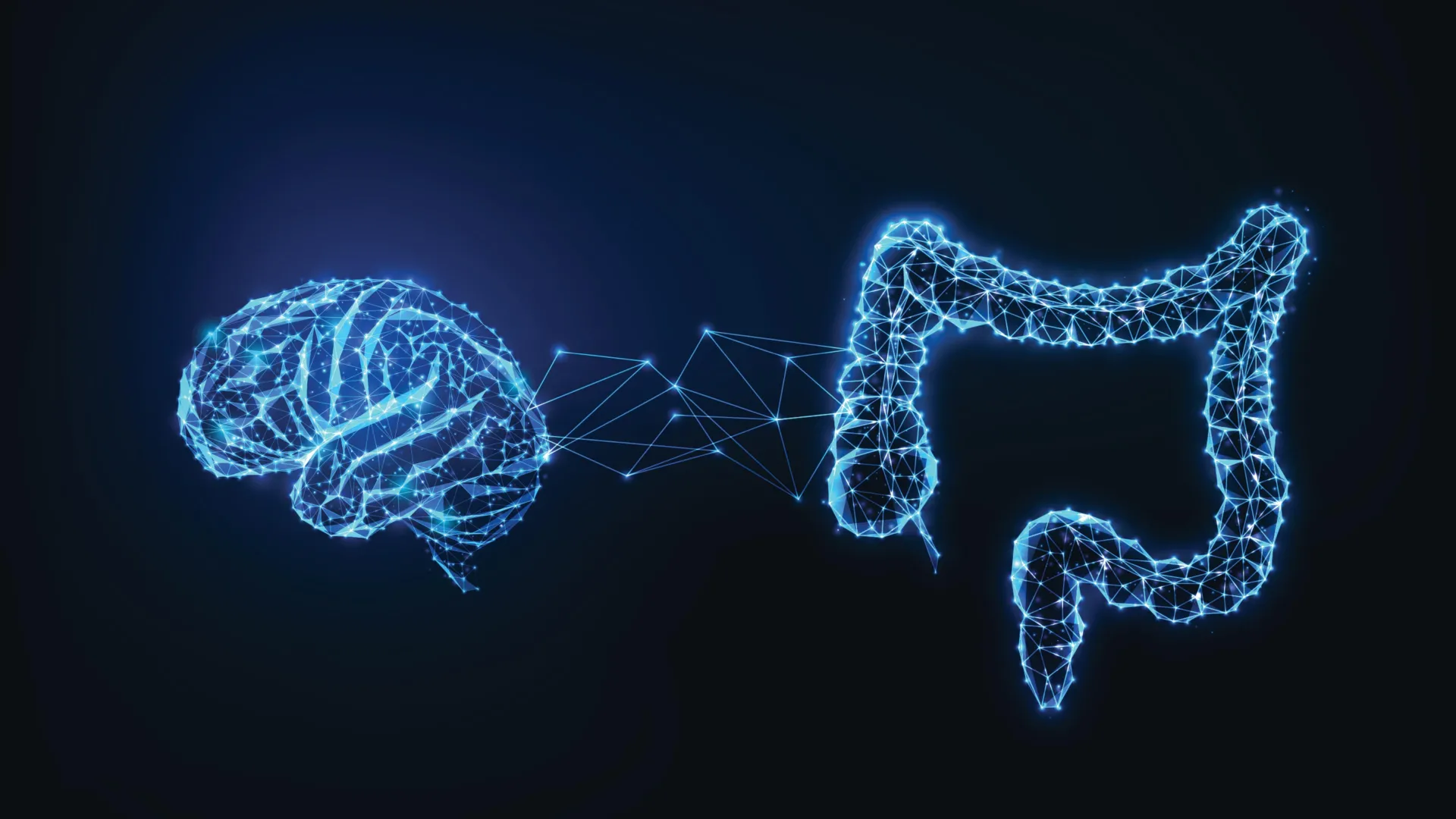
The taste of a madeleine famously sent French writer Marcel Proust back into vivid memories of childhood. New research suggests that this kind of recollection may involve more than the brain alone. Signals from the digestive system may also help determine which food-related experiences become memories.
The study, led by Scott Kanoski, professor of biological sciences at the USC Dornsife College of Letters, Arts and Sciences, indicates that the gut may contribute to memory formation, particularly when an experience involves finding and consuming food.
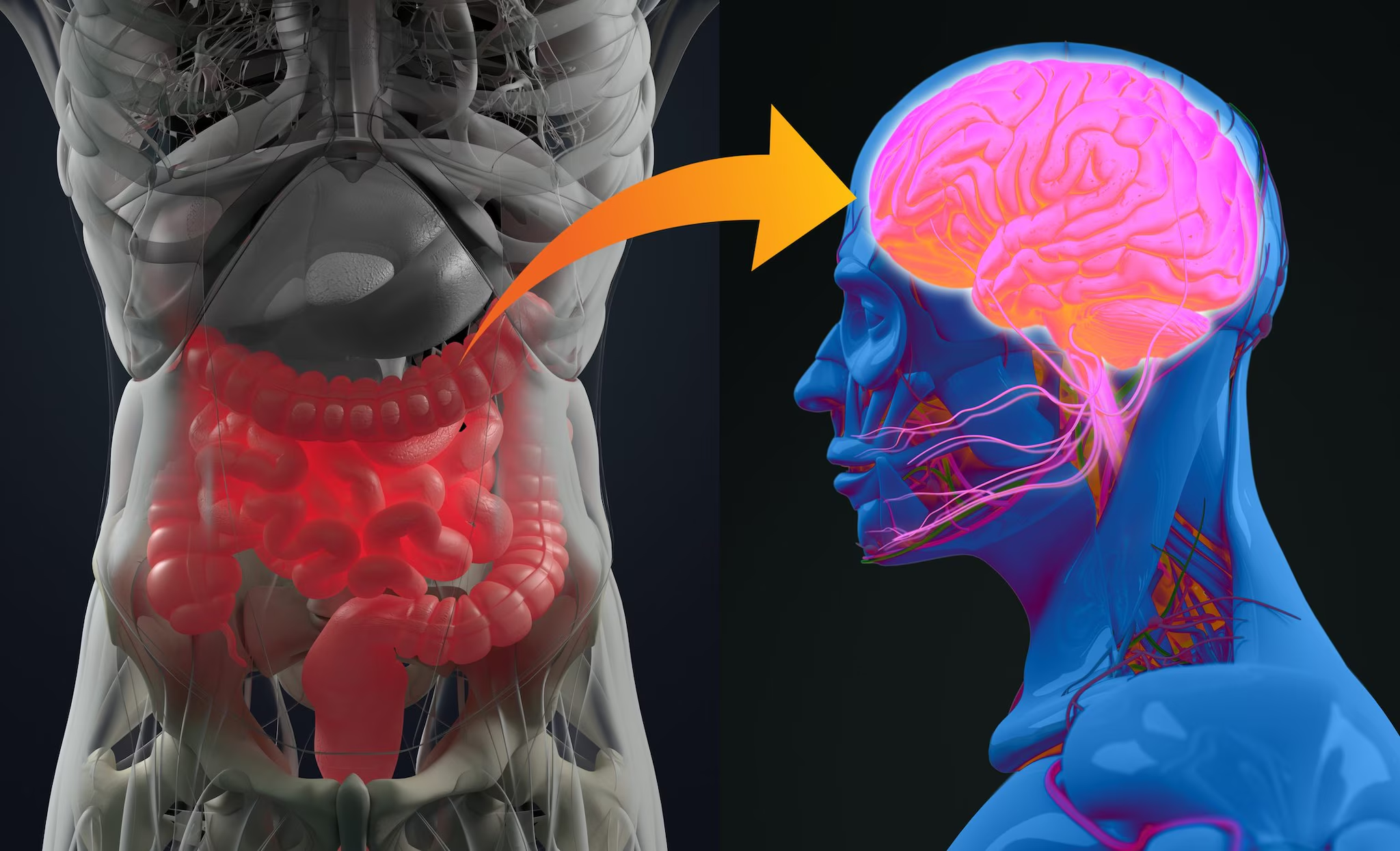
Published in Nature Communications, the research examined the vagus nerve, one of the body's main communication routes between the digestive system and the brain. The nerve is already known to influence digestion, appetite, and feelings of fullness. The new findings suggest that it may also carry information that helps the brain store memories.
How Gut Signals Reach the Memory Center
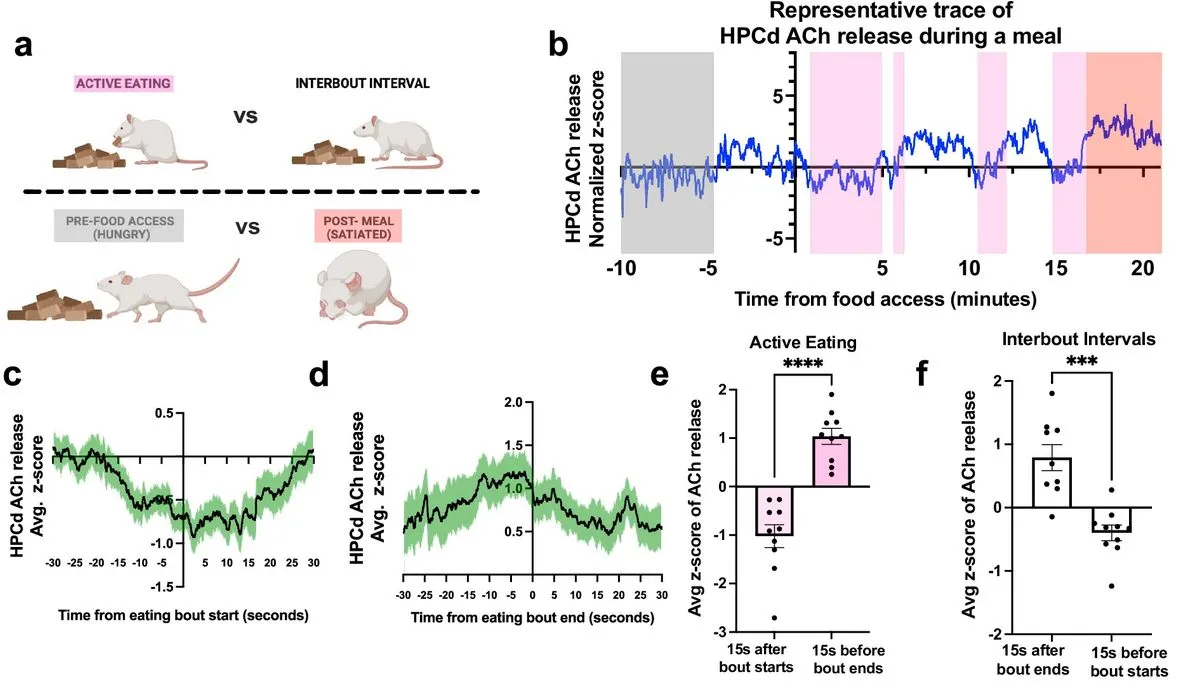
In experiments with rats, the researchers found that eating nutrient-rich foods increased the release of acetylcholine in neurons connected to the hippocampus. The hippocampus is a brain region that plays a central role in learning and memory.