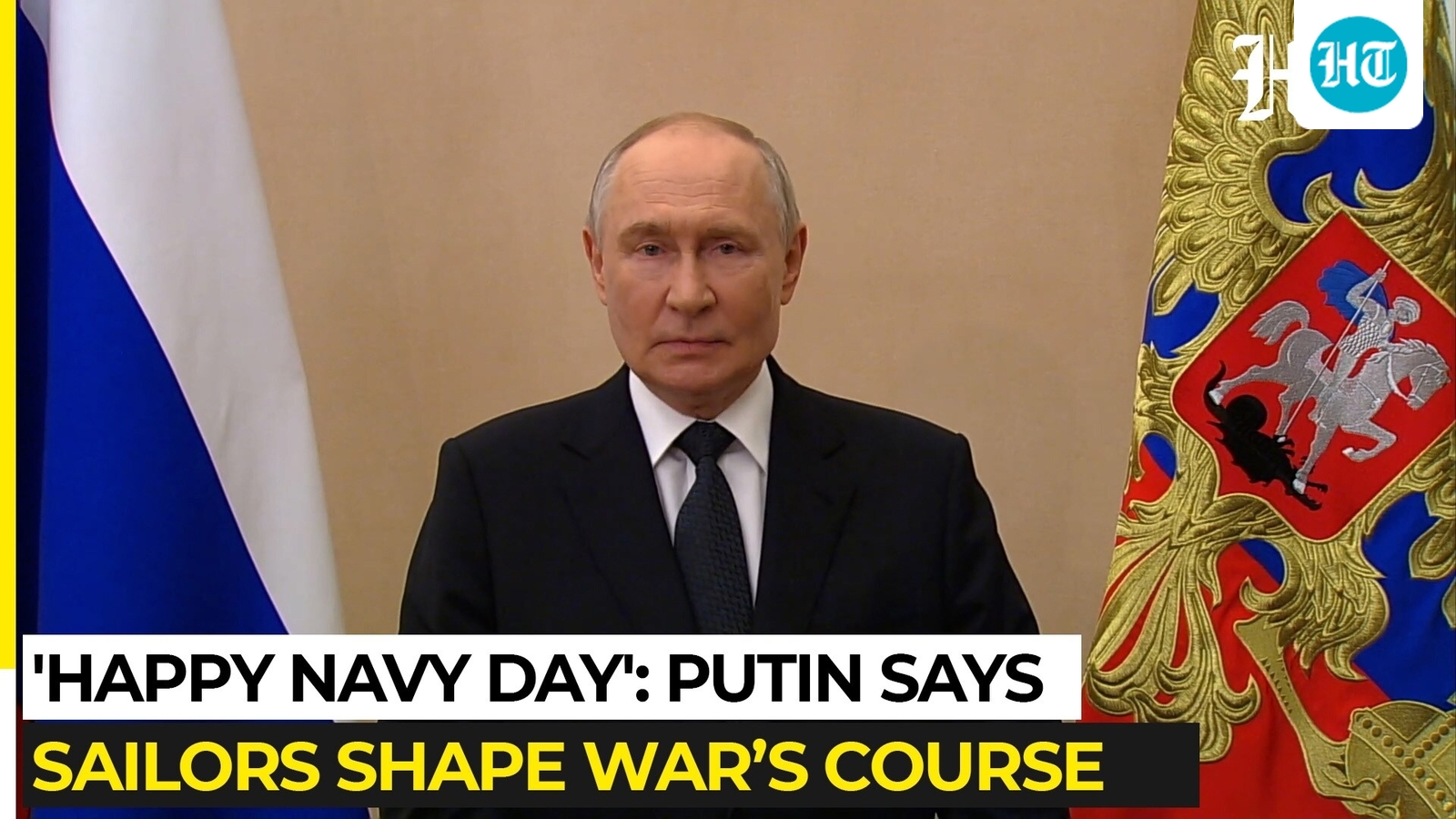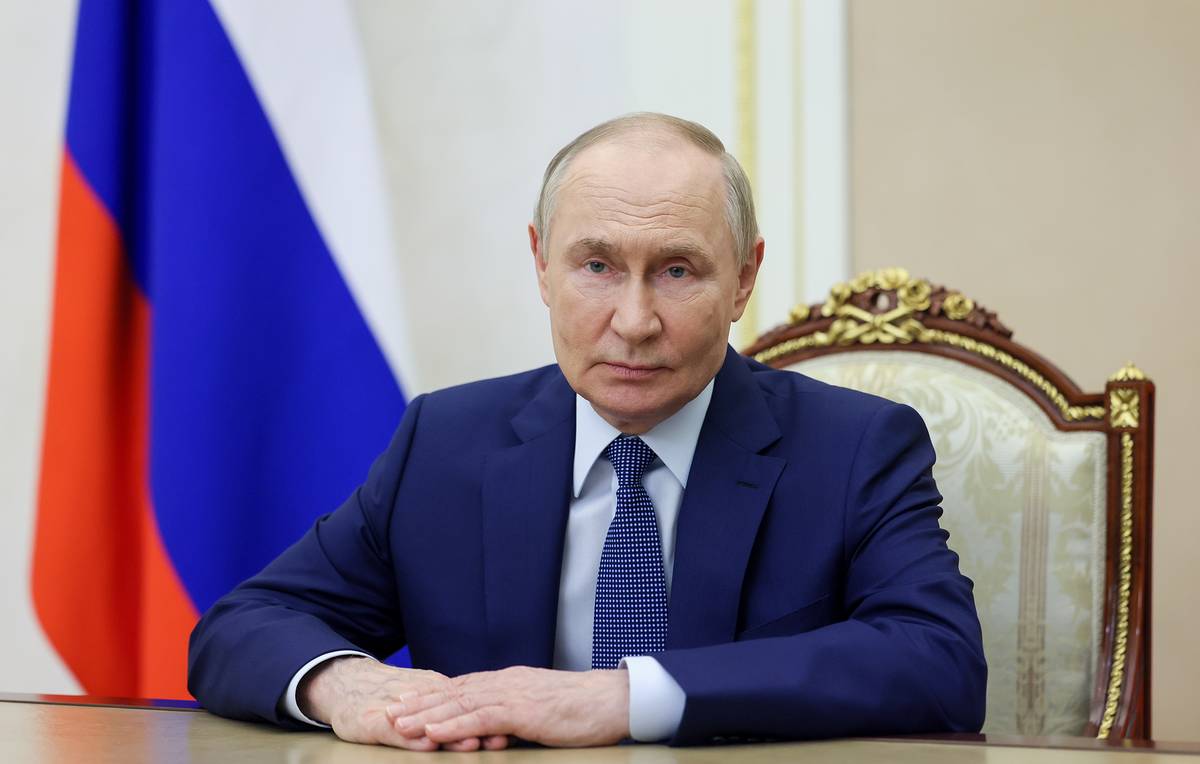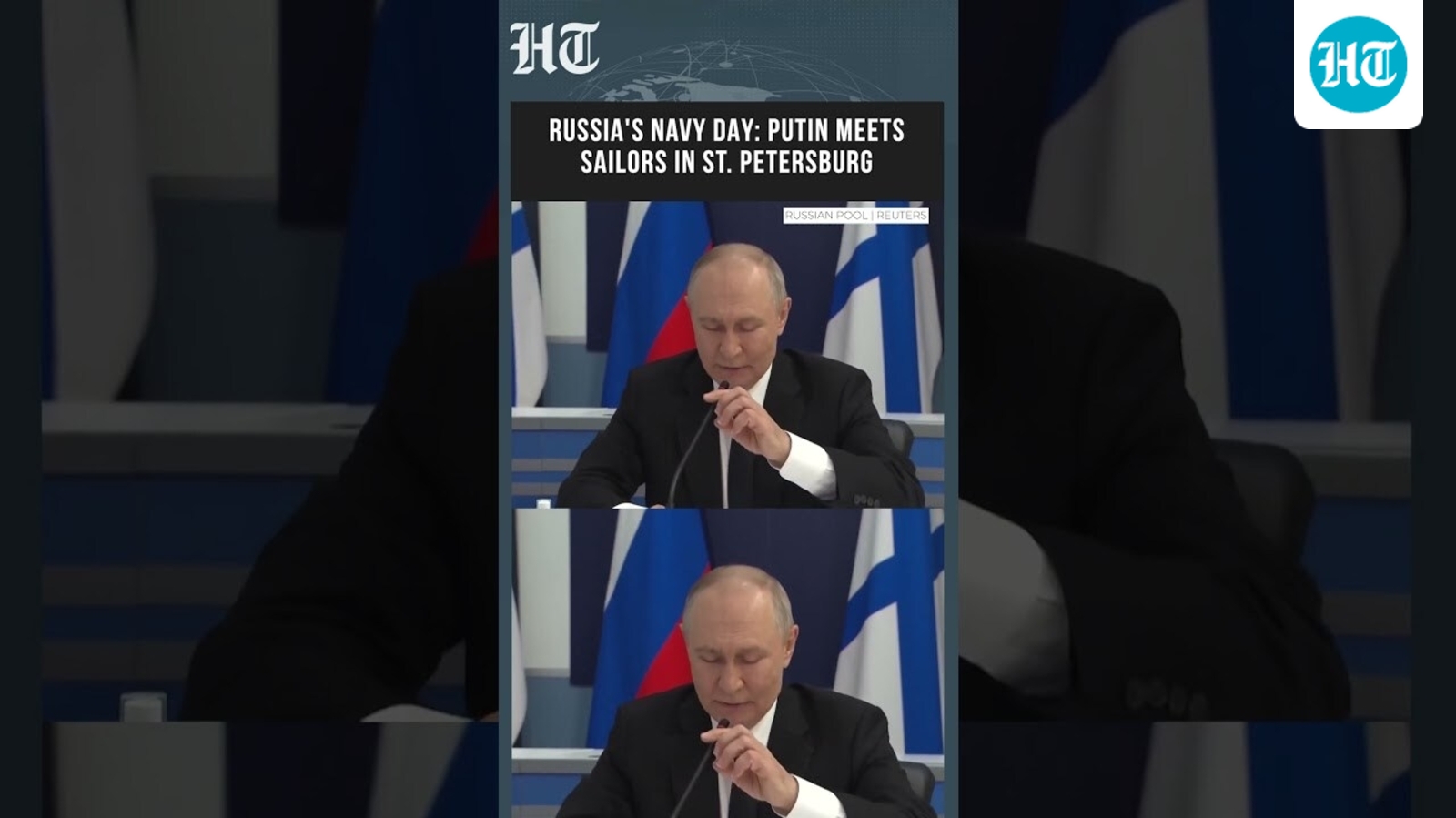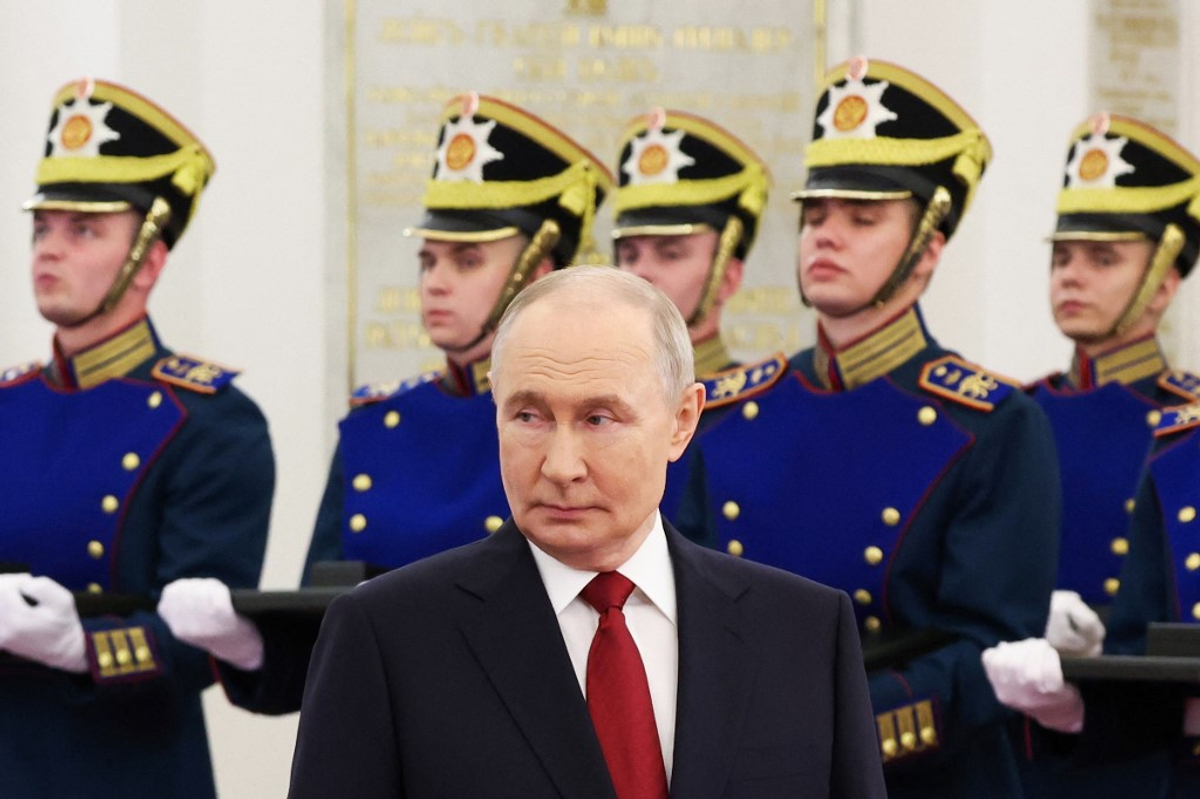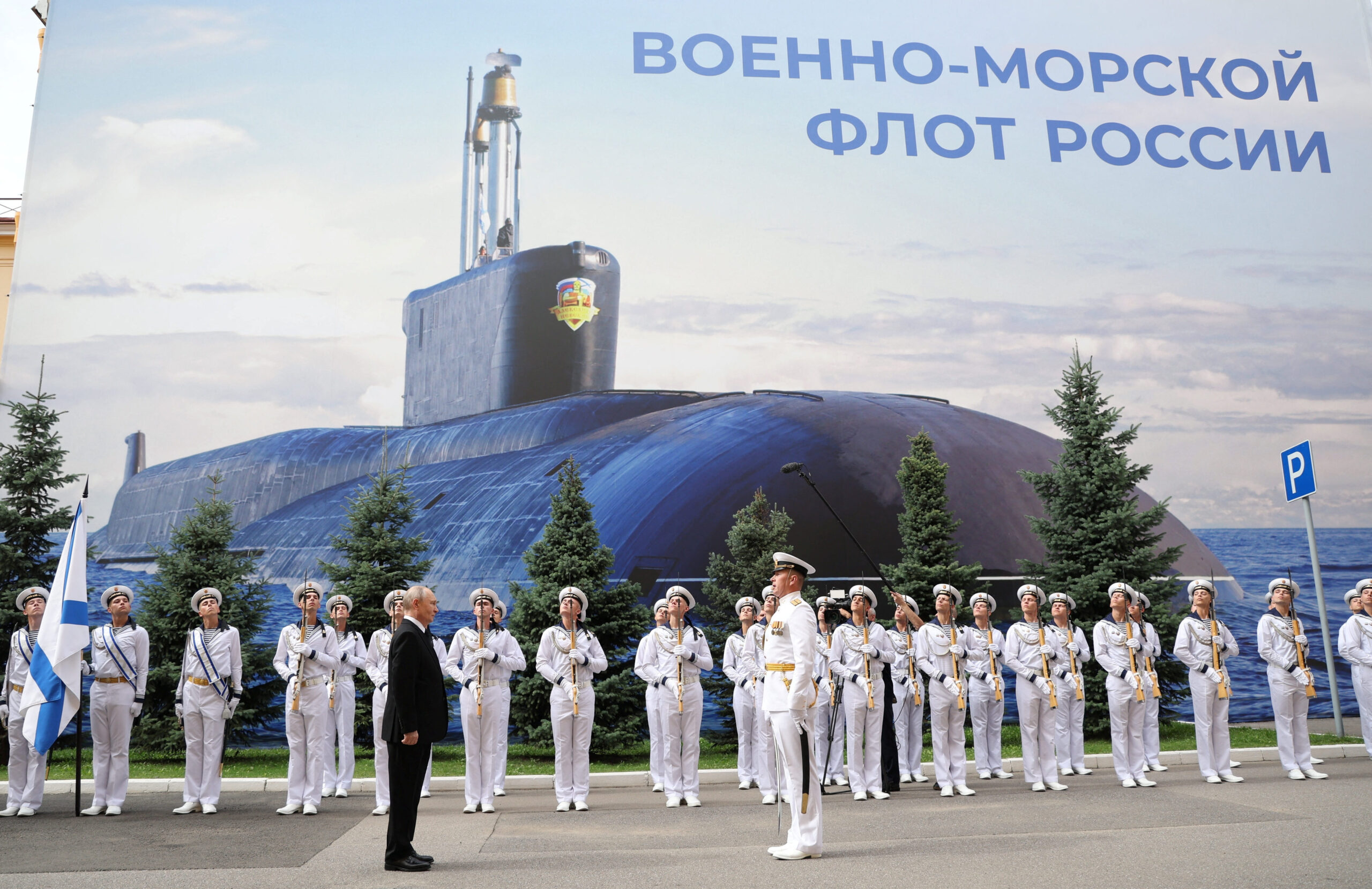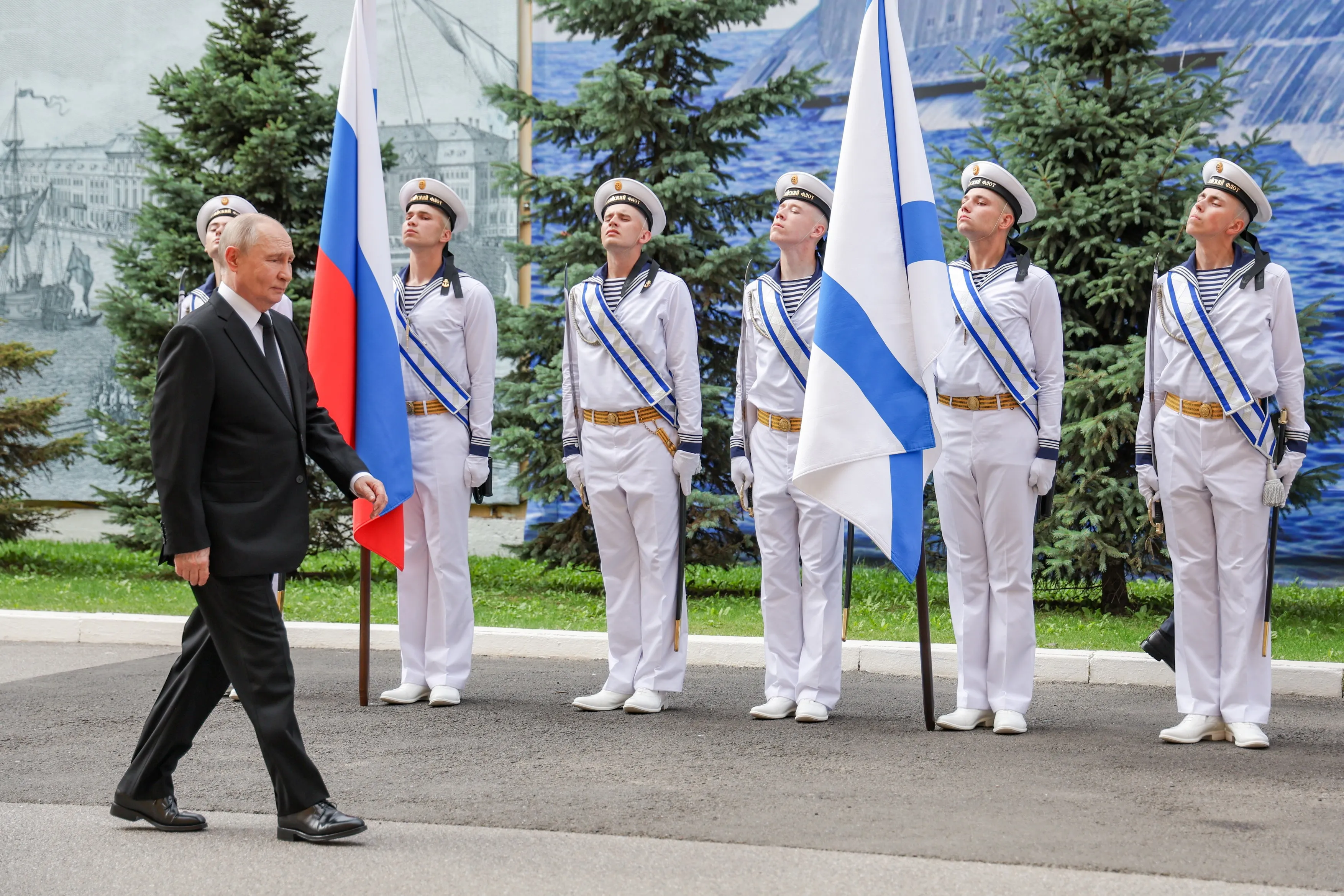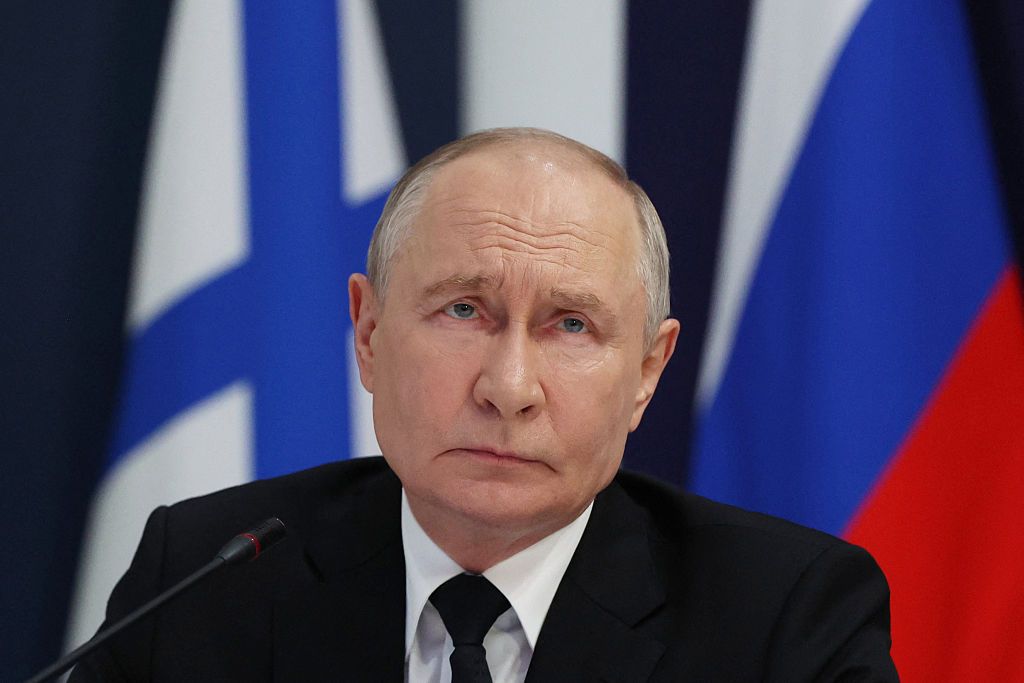
On the last Sunday of July, Russia traditionally celebrates Navy Day—one of the military holidays, alongside Victory Day on May 9, that the Kremlin has long used to project the image of a great power. It was once a carefully choreographed display of strength: gleaming warships, fluttering flags, military bands, booming commands, vessels lined up along the Neva River, and Putin cast not merely as supreme commander-in-chief, but as the custodian of Russia's imperial legacy. Yet first Victory Day, and now Navy Day, have become something entirely different—almost diagnostic of the Kremlin's mounting military and political constraints.
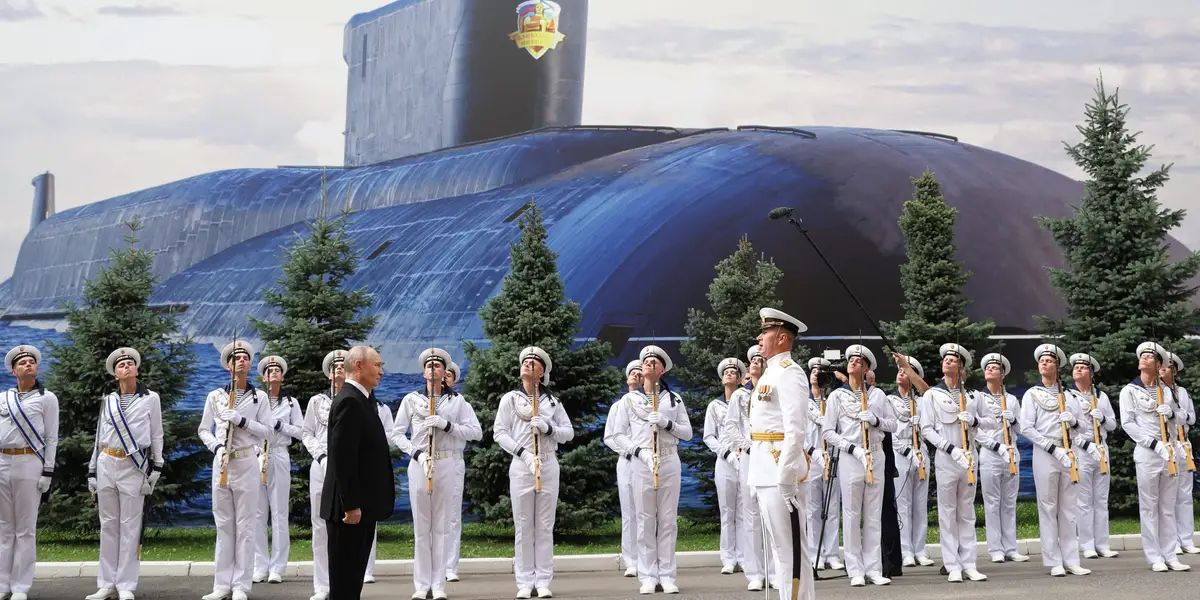
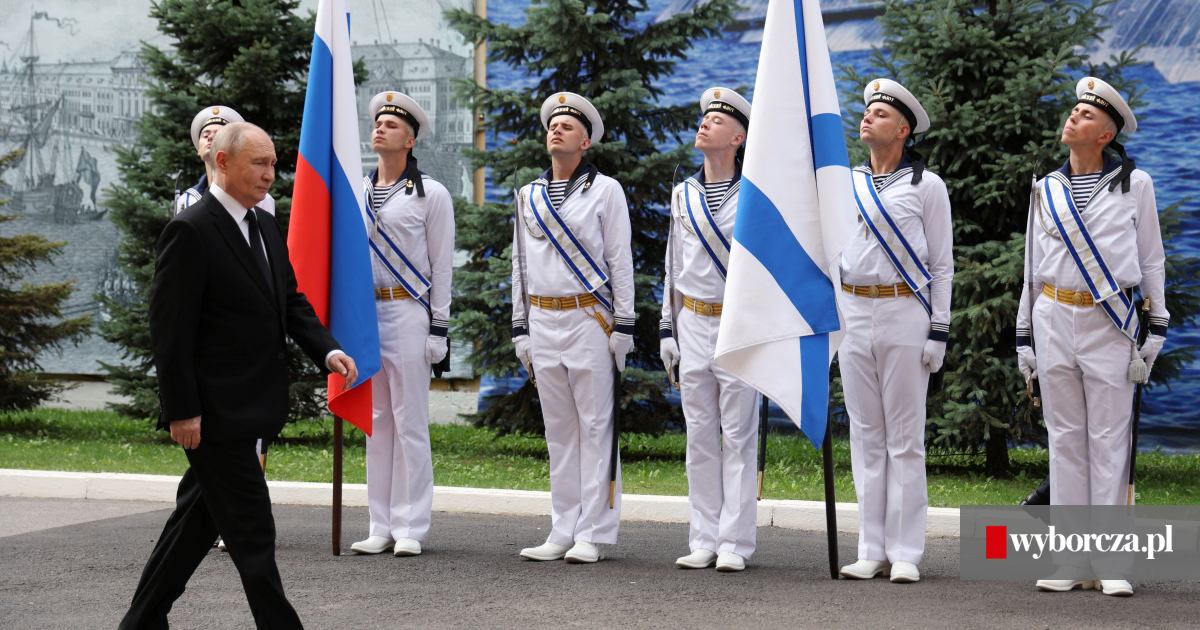
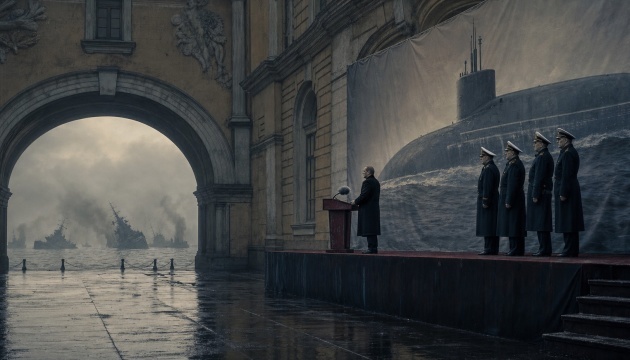
Instead of the Neva embankment, this year's ceremony took place in the back courtyard of the Admiralty building in St. Petersburg. Instead of ranks of warships, there was a modest formation assembled for Putin and the television cameras. And instead of demonstrating command of the seas, the centerpiece was little more than a banner depicting a submarine.
Naturally, such a departure required an explanation—and the Kremlin had one ready.
Nikolai Patrushev—the former FSB director, former secretary of Russia's Security Council, current head of the Maritime Board, and one of Putin's closest confidants—argued that large-scale Navy Day parades had simply outlived their usefulness. "If we keep organizing them, that wouldn't be the right approach. Warships should be carrying out military missions," he said.