(Image credit: Future)
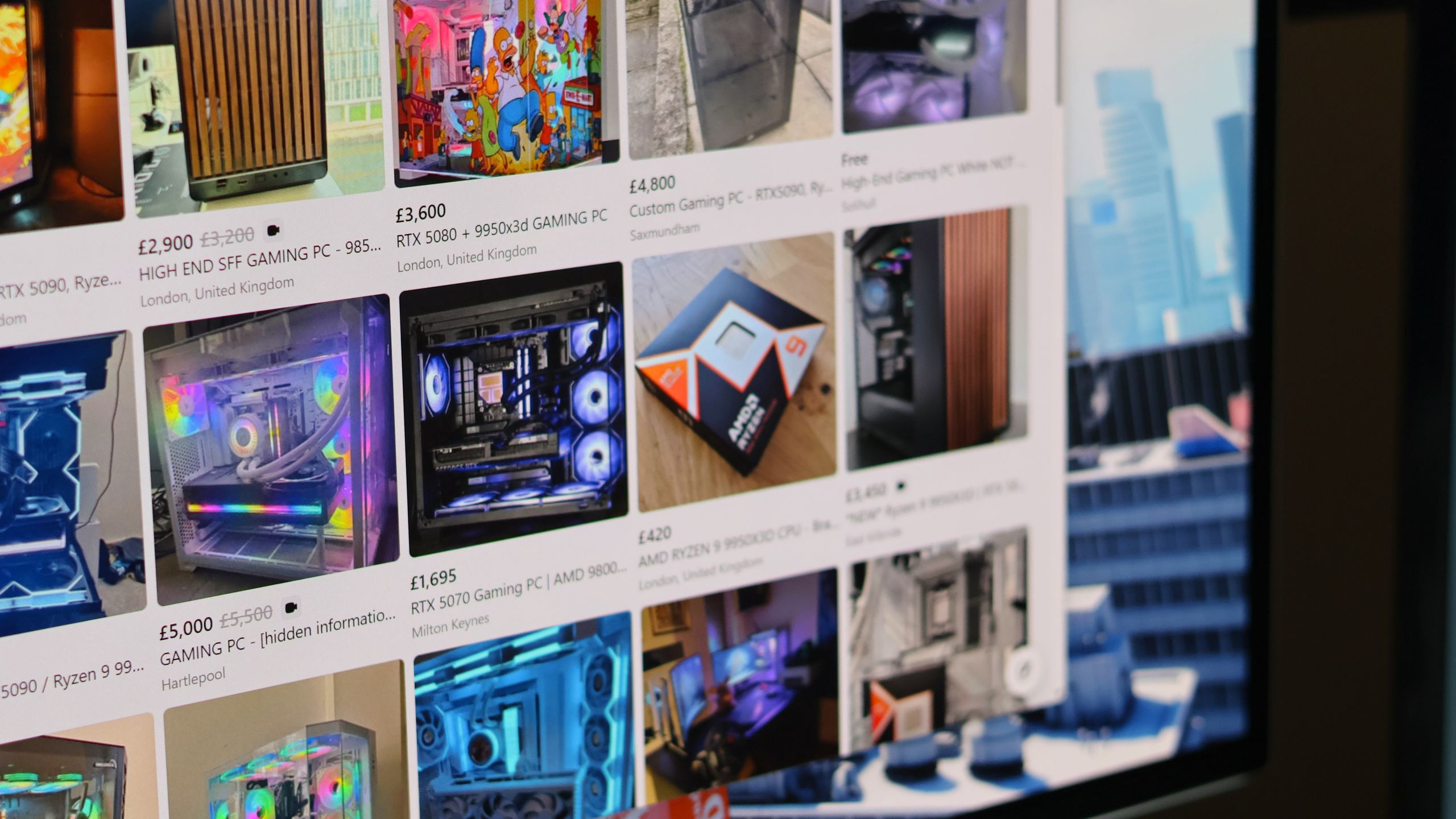
In one year, the entire market for owning or building a PC has changed considerably. The AI boom has caused prices for brand new GPUs, SSDs, and RAM to skyrocket. The demand by consumers, however, hasn’t just disappeared overnight, but in a market where even entry-level products are no longer budget-friendly, buying second-hand may suddenly be your only option.That’s not to say that second-hand pricing is better, but if you’re savvy, there can be diamonds in the rough out there. Unfortunately, buying anything online can be a minefield. From a misleading description to a full-blown scam in progress, online marketplaces provide plenty of opportunities to lose your cash with parts that aren’t suitable. To stay ahead of the risk, you’ll want to keep these key points in mind when you’re shopping online for second-hand PCs, laptops, or parts.Understand the rules and protection offered by online marketplaces
Why you can trust Tom's Hardware
Our expert reviewers spend hours testing and comparing products and services so you can choose the best for you. Find out more about how we test.
(Image credit: eBay)Nobody sets out to be scammed, but it doesn’t mean it won’t happen. If you’re using online marketplaces like eBay or Facebook Marketplace, you’ll want to understand what (if any) protection exists to try to prevent that from happening. Likewise, understanding the rules of engagement on a platform can help you to fight back if you think there’s a bad ad in place.eBay’s Money Back Guarantee, for example, protects a buyer if the item they’ve bought doesn’t arrive. It also protects you if it arrives broken, damaged in some way, or faulty. More importantly, from a scam-avoidance point of view, however, is the protection eBay will also refund the buyer if it doesn’t match the listing.How you pay is also one of the biggest and weakest links in the chain. It’s up to you if you pay by cash, but if you’re purchasing with a credit card, depending on where you’re from, you may have additional retail protection to fall back on in a crisis. If crypto, bank transfers, or gift cards are mentioned, walk away: fast.I always like to take a screenshot of the item I’m buying before I make any offers. Listings can easily be removed or edited without warning, so it’s a good way to start a chain of evidence in case you run into issues. The information in the listing, as well as on the user’s profile, can also help you decide how much risk you’re taking, especially if you’re buying from an established seller with a lot of feedback.Ask for proof of ownership as soon as possibleWhen you buy from a reputable store, you’re not likely to worry about the provenance of the item you’re buying. That changes when you’re buying second-hand from mysteryseller4201. When a seller offers a shiny bit of kit at a good price, it’s fair to ask for proof of ownership (or proof that it’s even real).That doesn’t mean the risk is eliminated entirely, but if there’s a backstory, and even a receipt or order confirmation to go with it, you’re walking on steadier ground. A legitimate seller won’t mind you asking these kinds of questions, especially if the item is fairly sought after. You don’t need their personal details, but if you can spot where they bought it from and when, that can help to filter out the problem sellers.You’ll also need to make sure that any products you buy aren’t still linked to the user’s accounts. This is tricky to verify remotely, but easy to do if you’re picking up an item in-person from a safe location. Apple products, for instance, are typically tied to a person’s Apple ID, and the seller will need to remove it from their account for you to use it.Treat everything as if it’s broken until you see physical proof to change your mind