(Image credit: Future)
As a computing writer for Tom’s Guide, part of my job is helping readers save money on PCs and components. That has become much harder thanks to RAMageddon, which has driven up the cost of memory and, by extension, most electronics. PC gaming has been hit especially hard. It was already a relatively expensive hobby, and price increases have made the barrier to entry even higher.That doesn’t mean it’s impossible to get into PC gaming in 2026. You’ll almost certainly pay more for machines and components than you would have a year ago. But if you know what to look for (and what to avoid), you can still find a capable setup that fits your needs and lasts for years.In this guide, I’ll walk through the three main ways people start PC gaming right now: a gaming handheld, a pre-built desktop, and building your own PC. I’ll break down the pros and cons of each, then explain which path makes the most sense depending on your budget, space, and priorities.Gaming handhelds
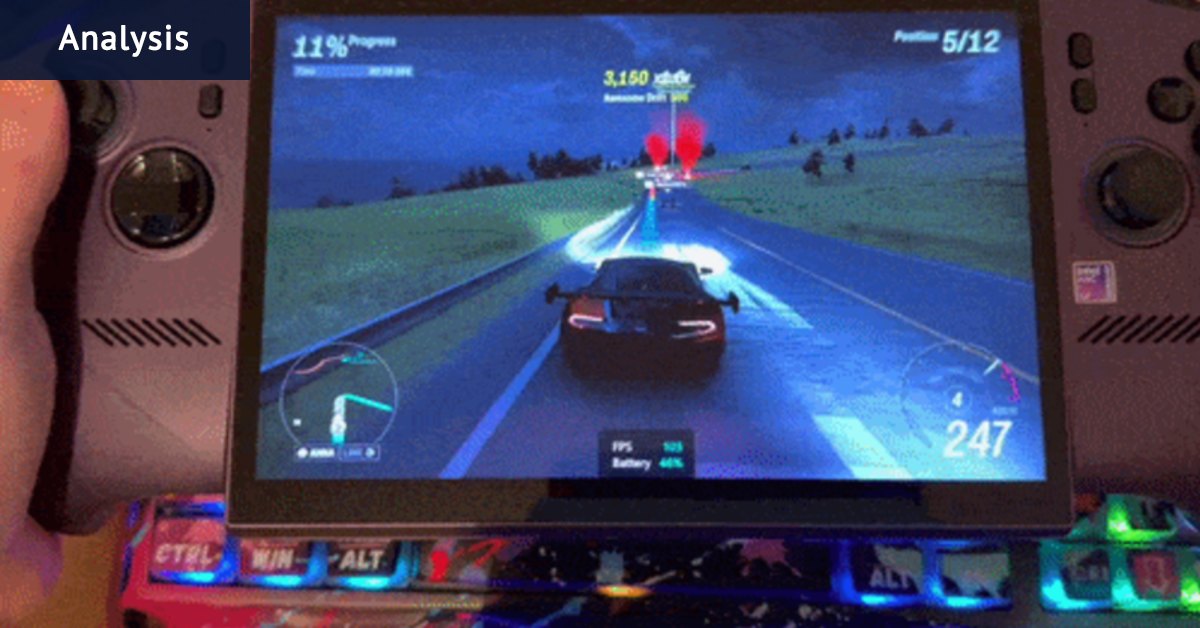
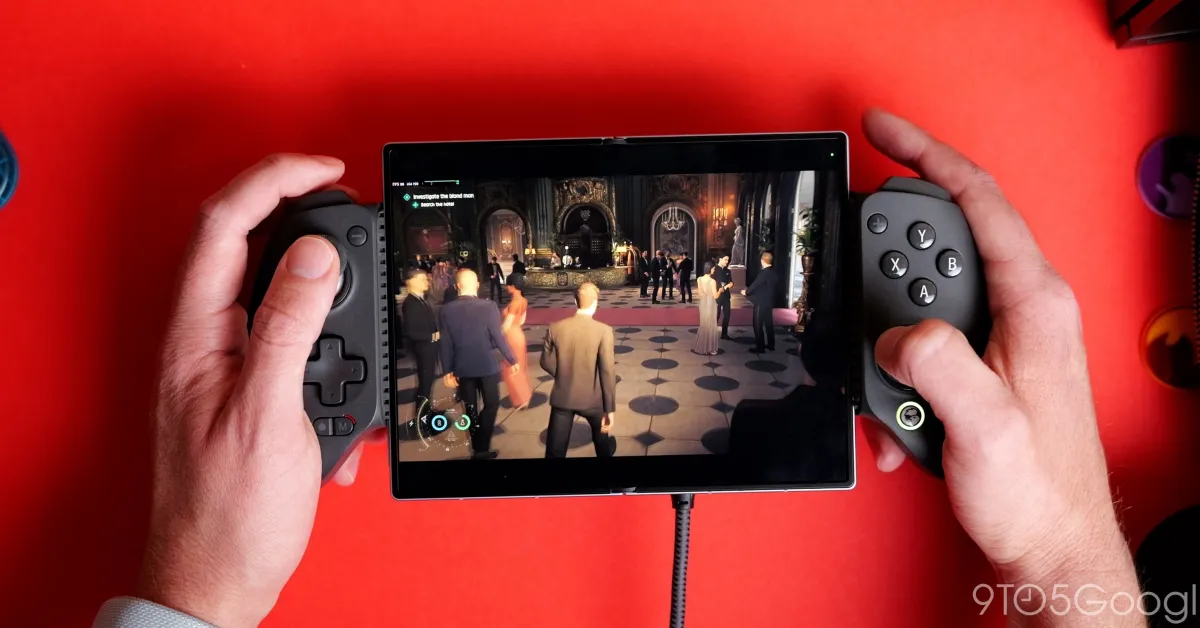
(Image credit: Future)The price of the best handheld gaming consoles has climbed sharply this year. Where the Steam Deck OLED once topped out at $649, the 512GB model now starts at $789. Other notable handhelds have seen similar increases, though entry-level options like the Asus ROG Xbox Ally (around $600) remain relatively more accessible than the higher-end Legion Go 2.Even with the higher prices, gaming handhelds are still one of the strongest low-friction ways to start PC gaming right now — especially while discrete GPUs, RAM, and other components stay expensive. These self-contained systems run the best PC games from Steam (and other libraries), either on SteamOS or Windows.The advantages are clear. Portability means you can play almost anywhere. Setup is relatively simple, particularly on SteamOS devices, where you can get into games with less tinkering than a full Windows 11 machine. Most models also support docking to a TV or monitor, which often improves performance once the handheld is powered and no longer thermally limited. While they’re no longer the bargains they once were, several capable options still sit under $1,000.They do come with real trade-offs, though. The biggest is the performance ceiling: most current AAA titles run at 720p–1080p on low-to-medium settings, typically in the 30–60 fps range. Battery life often drops to one or two hours during demanding games (longer on lighter titles), and Windows handhelds can introduce additional UI friction and software overhead. Storage also fills up quickly on 512GB models.Get instant access to breaking news, the hottest reviews, great deals and helpful tips.Despite those compromises, the combination of portability, access to a PC library, and a relatively contained total cost still makes handhelds a solid option for many newcomers—especially anyone who wants to start playing without committing to a full desktop setup.Pre-built gaming PCs