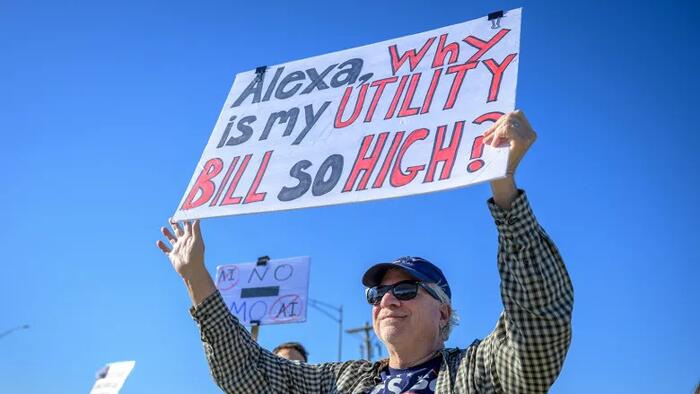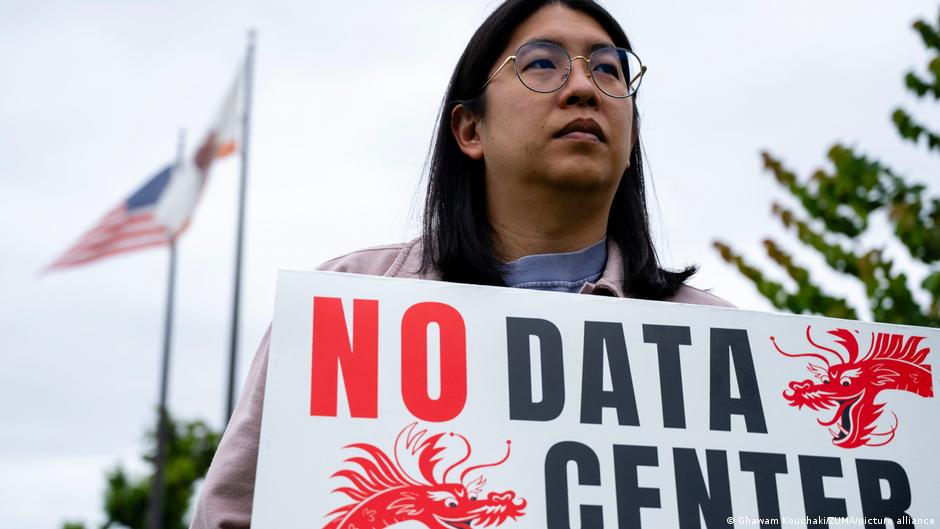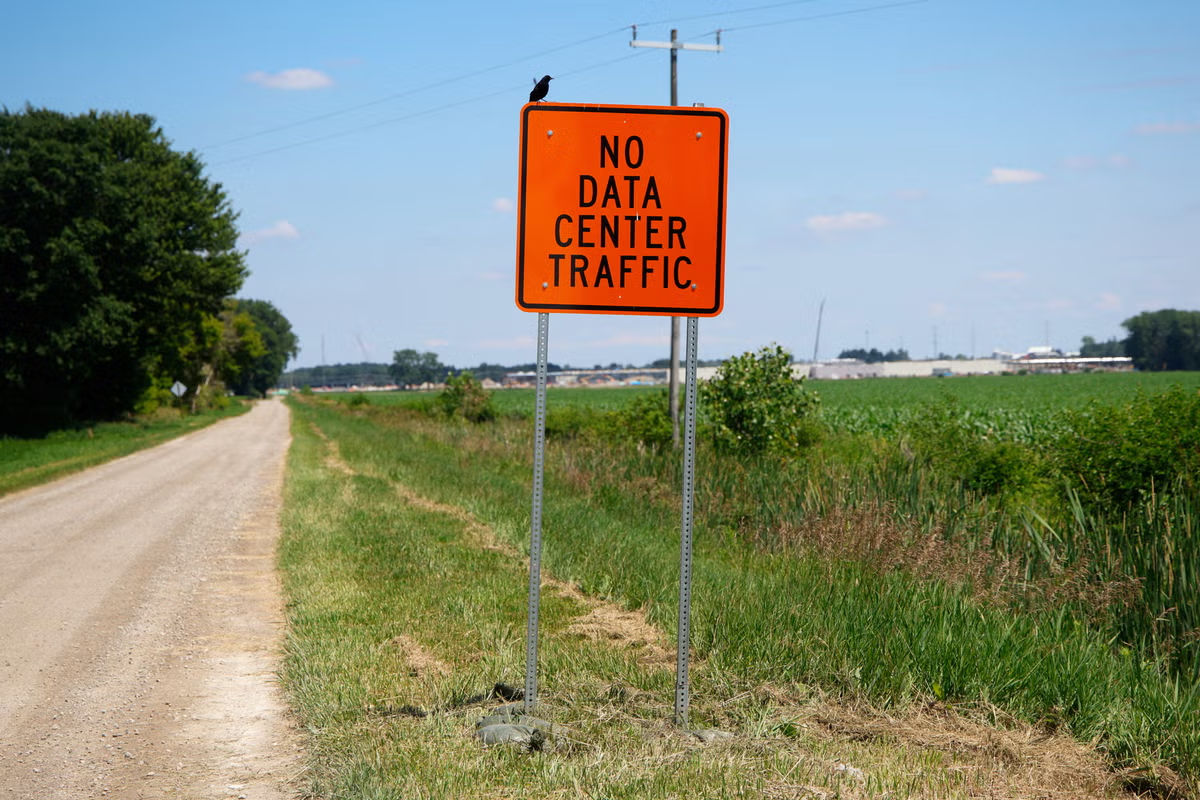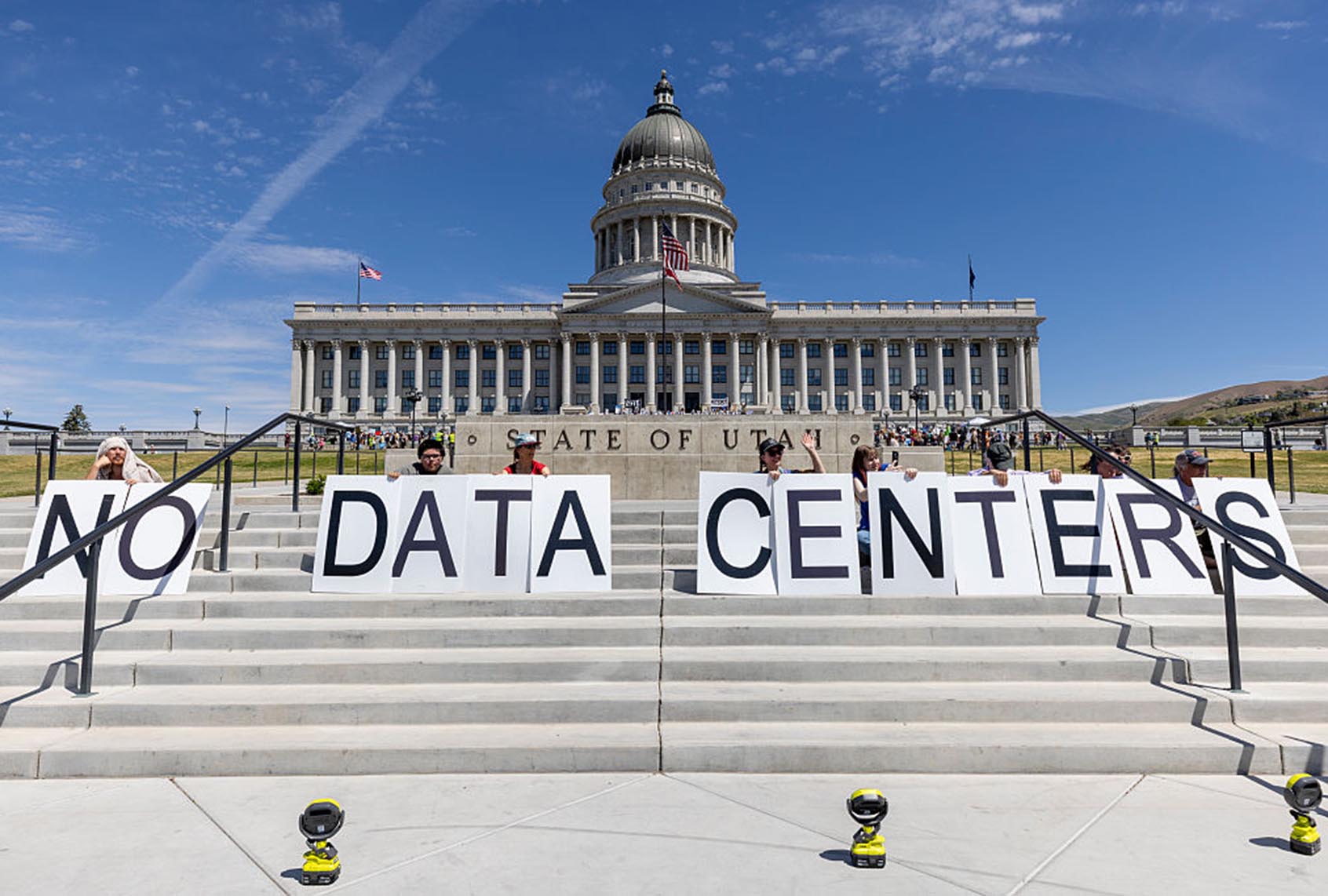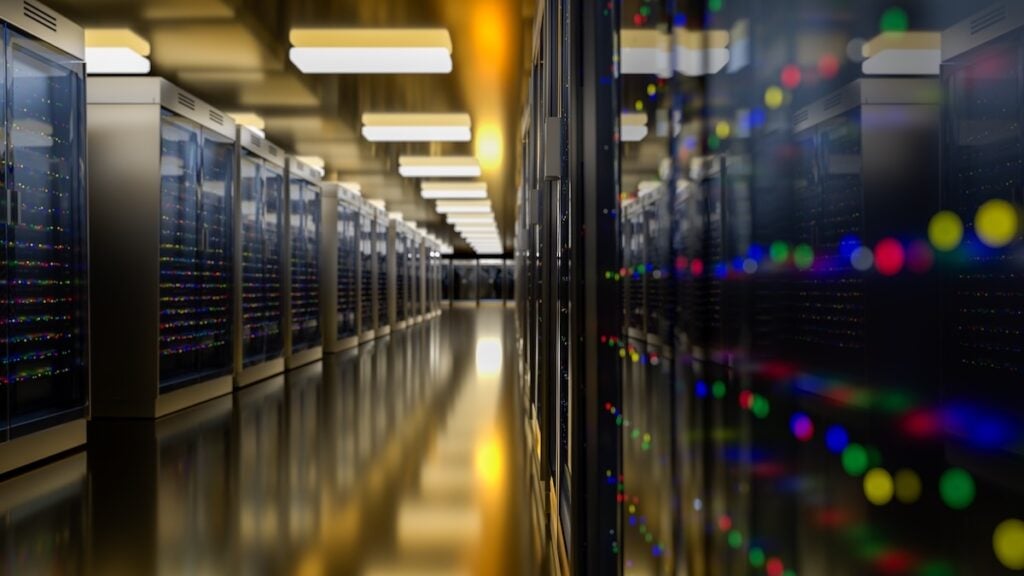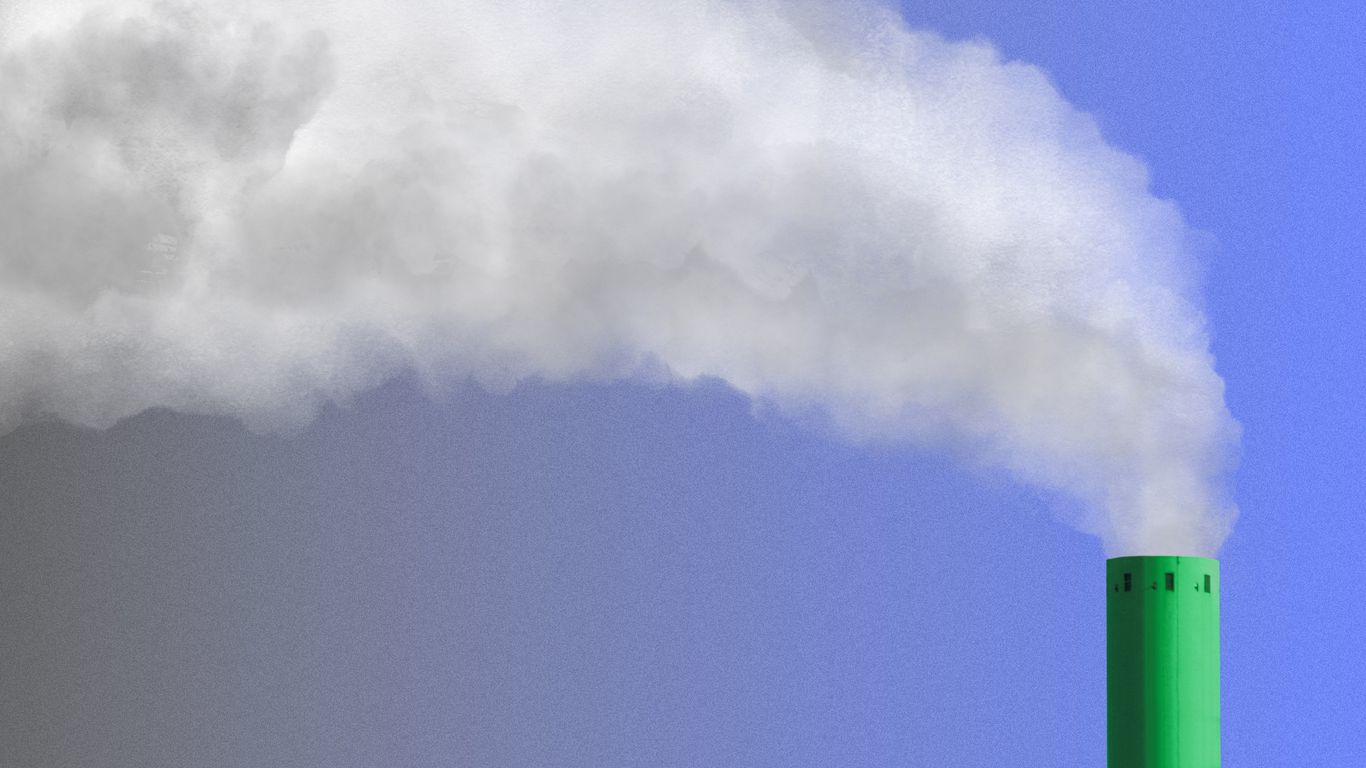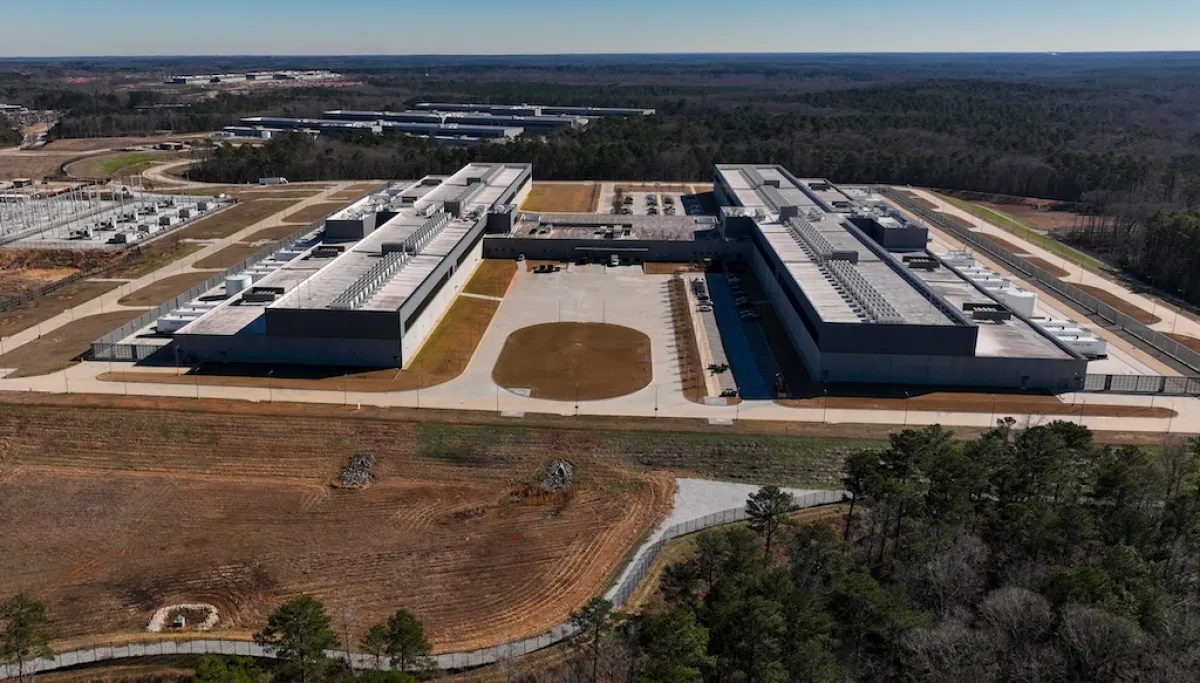
The stream that coursed over Maily Kocinski’s Wisconsin family farm for 47 years dried up after construction began on Meta’s AI data center in nearby Beaver Dam. When it returned, it ran murky white. The state’s natural resources department left her repeated requests for help unanswered. Private testing found heavy metals in the stream, and Kocinski urged lawmakers to pass protections. A bill proposed to protect Wisconsin ratepayers and the energy grid passed the Assembly but stalled in the Senate.Residents like Kocinski, and people across the country, deserve protection for their water and their air. Yet the Environmental Protection Agency alarmingly announced in June it won’t set national standards for AI data centers, even as we don’t yet have a full picture of air or water impacts (let alone what will happen to our utility bills). The bad news arrives as 1,500 new data centers are being developed nationwide, with the majority in rural areas, according to a Pew Research Center analysis.A 2026 study by the Environment and Energy Study Institute — a bipartisan congressional nonprofit group founded by Congress — states AI data centers are contributing to PFAS contamination, or forever chemicals. Servers, semiconductors, cooling systems, and fire suppressants can all contain PFAS. A United Nations report states that pollution and energy use will double in four years as AI expands.
The data center nightmare uniting MAGA voters and socialist Democrats
Unchecked AI data center growth threatens clean air and water across America, driving bipartisan demands for federal EPA action.
TL;DRAI
Meta's Wisconsin AI data center polluted water with heavy metals; EPA rejected national AI data center standards despite 1,500 new facilities planned nationwide. Enterprise implications: regulatory risk will increase capex (compliance, remediation), restrict data center placement, and force power-infrastructure redesigns for AI ops.
880 words~4 min read