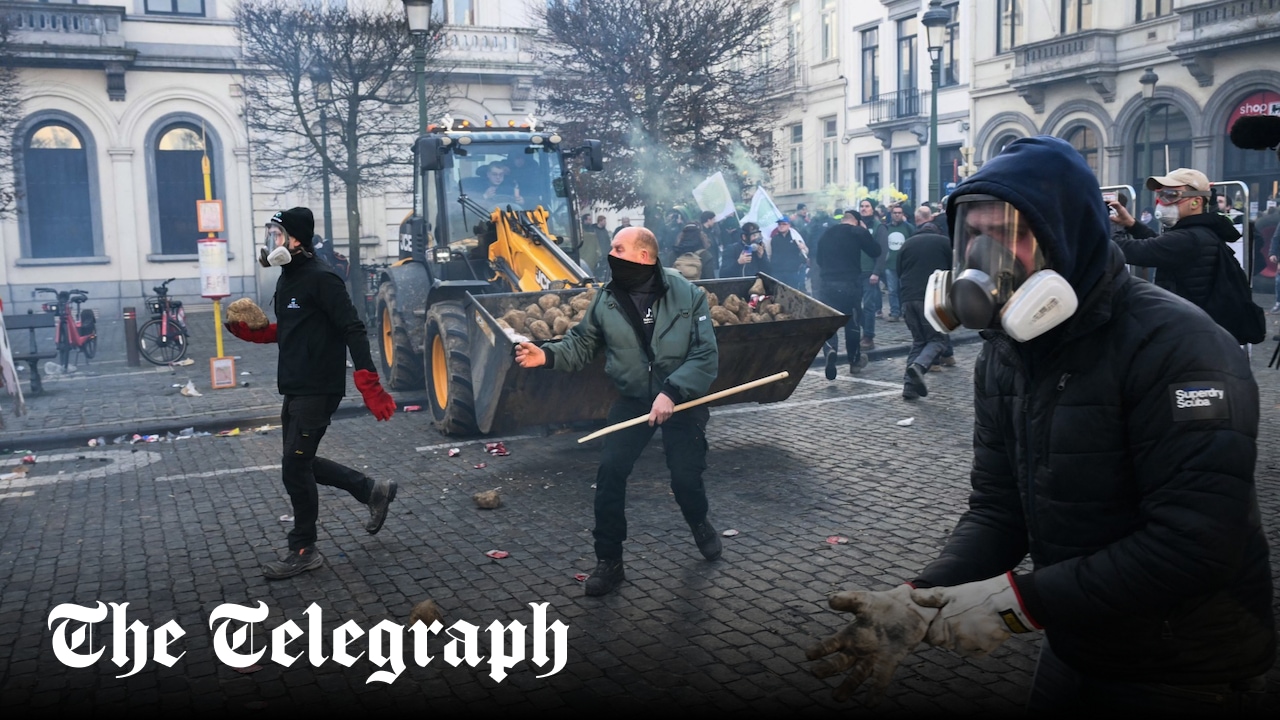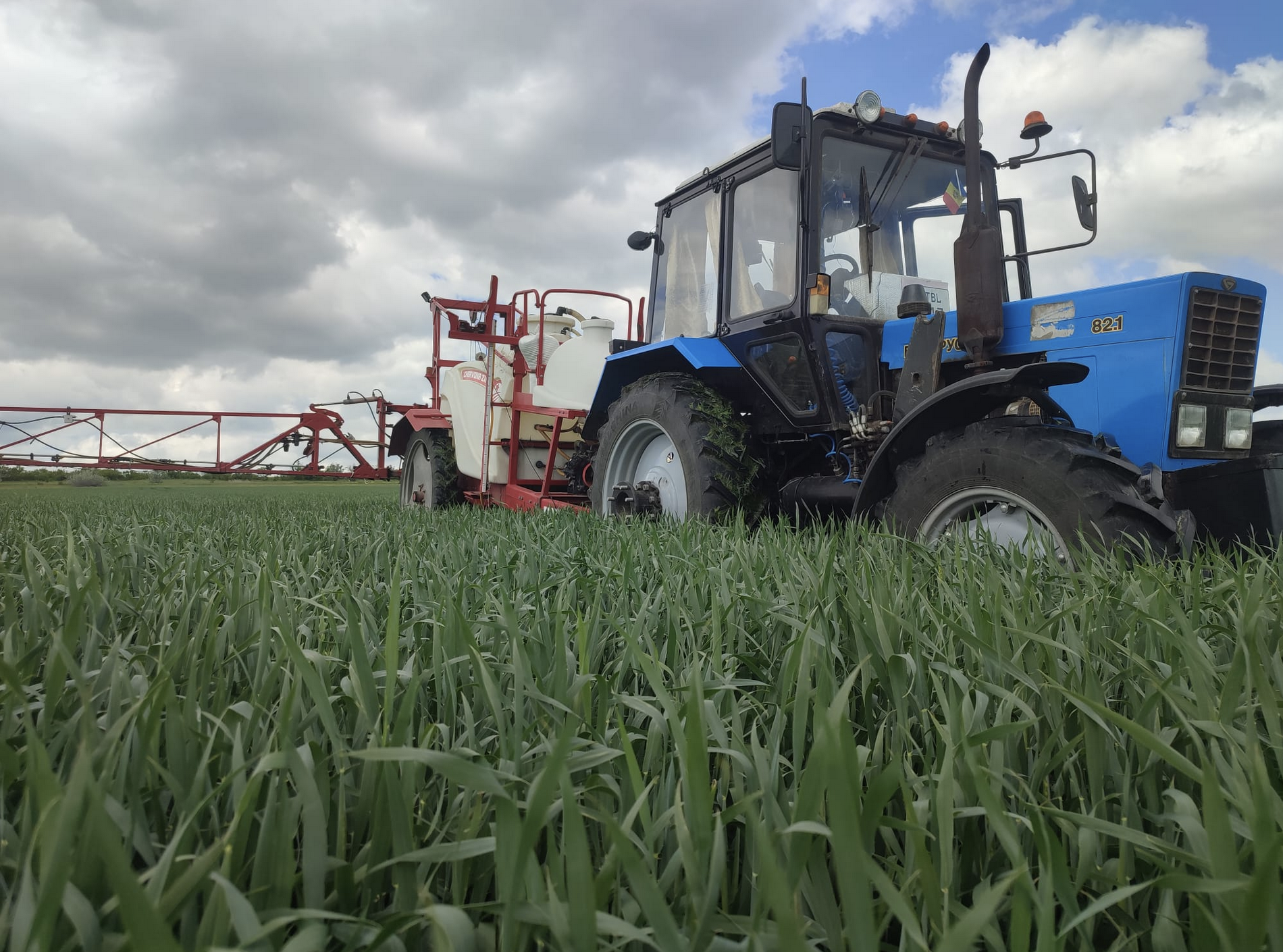
It doesn’t matter when you read this: somewhere in Europe, farmers have taken their tractors to the streets and are protesting against one policy or another. It may be due to the rising cost of fuel, unfair competition from much cheaper products coming from less developed markets, the burden of European phytosanitary regulations, or any cut to the CAP, the European Common Agricultural Policy. The CAP is probably one of the biggest puzzles into which yet another piece may now need to fit: the accession of Ukraine (and Moldova).
Even if we discount the territorial amputations suffered by Ukraine as a result of the Russian invasion—Crimea and parts of the Donbas—Ukraine still has 32 million hectares of usable agricultural land, of which 26 million are already under cultivation. That is twice the amount of arable land in France (17 million hectares) and three times that of Spain and Poland (11 million each, according to the World Bank). In the event of accession, Ukraine would become the EU’s leading producer of cereals and oilseeds—rapeseed, sunflower and soybeans.
Next to it, Moldova is little more than an appendage (1.87 million). But that will not necessarily benefit the Moldovans: Moldova’s accession trajectory has largely advanced in parallel with Ukraine’s, benefiting from the geopolitical momentum created by Kyiv’s candidacy while remaining subject to its own merit-based assessment. But it also gets some of the associated risks and anxieties of the bigger candidate.