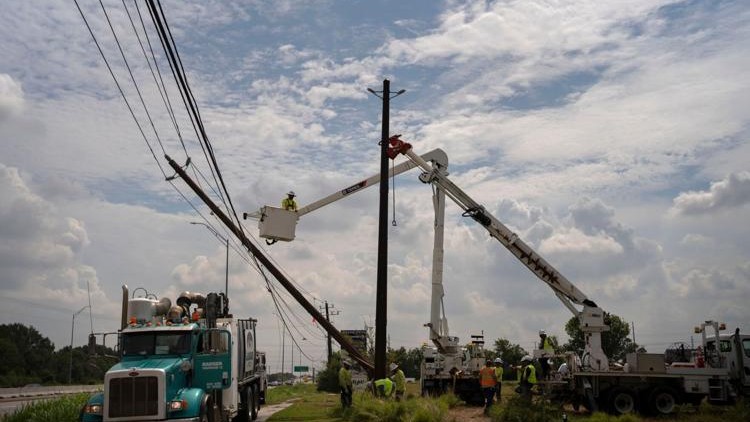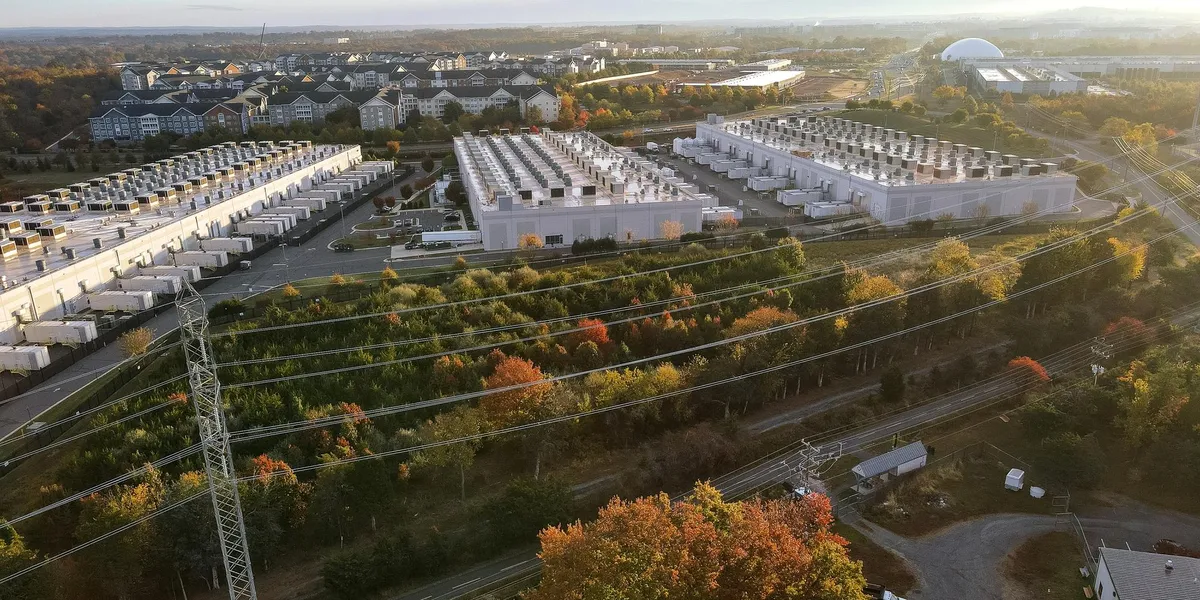
The global energy sector is undergoing one of the most significant transformations in its history. As countries accelerate the transition toward cleaner energy, electrification, and decarbonization, power grids are becoming increasingly complex. Traditional grid management approaches, designed for predictable, centralized power generation, are no longer sufficient in an environment characterized by distributed renewable resources, electric vehicles (EVs), battery storage systems and rapidly changing electricity demand. Artificial intelligence has emerged as a key enabler of this transformation. Rather than simply automating existing processes, AI is redefining how power systems are monitored, managed and optimized. By combining machine learning, predictive analytics, computer vision and advanced optimization techniques, AI is enabling utilities to operate smarter, more resilient and more sustainable energy systems.From Reactive to Predictive Grid ManagementHistorically, power system maintenance has been largely reactive or scheduled according to fixed maintenance intervals. While effective for conventional infrastructure, these approaches often result in unnecessary maintenance costs or, conversely, unexpected equipment failures that lead to costly outages.AI fundamentally changes this model through predictive maintenance. By continuously analyzing data from sensors installed on transformers, substations, transmission lines and other critical assets, machine learning models can identify subtle patterns that indicate equipment deterioration long before failures occur.Temperature fluctuations, abnormal vibration signatures, insulation degradation and changes in electrical characteristics can all be detected automatically. Maintenance teams can therefore intervene only when needed, extending equipment life while significantly reducing downtime and maintenance expenditure.As utilities continue to deploy Internet of Things sensors throughout the grid, predictive maintenance will become increasingly accurate, allowing asset management decisions to be based on real-time equipment health rather than fixed schedules.Forecasting Demand With Greater AccuracyElectricity demand has become far more dynamic than ever before. Weather conditions, population growth, economic activity, distributed solar generation, EV charging behavior and consumer lifestyles all contribute to highly variable electricity consumption patterns.Traditional forecasting methods struggle to capture these complex relationships.Modern AI models excel at recognizing nonlinear patterns across massive datasets. Deep learning algorithms can combine historical demand, weather forecasts, demographic information, electricity prices and even local events to produce highly accurate short- and long-term demand forecasts.Improved forecasting delivers benefits throughout the electricity value chain. Grid operators can schedule generation more efficiently, reduce reserve requirements, minimize operational costs and improve overall grid reliability.Accurate forecasting also supports the integration of renewable energy, helping operators anticipate fluctuations in solar and wind generation while maintaining system stability.Optimizing an Increasingly Complex GridOne of the greatest challenges facing today's electricity networks is managing a system with thousands, or even millions, of distributed energy resources.Residential rooftop solar panels, battery energy storage systems, EVs and smart appliances are transforming consumers into active participants in energy generation and storage.AI enables utilities to coordinate these distributed resources in real time.Advanced optimization algorithms continuously determine the most efficient power flows, balancing electricity supply and demand while reducing transmission losses and preventing network congestion.AI also supports dynamic voltage regulation, automated switching, fault isolation and restoration following disturbances.Rather than relying solely on predefined operating rules, intelligent systems learn from historical network behavior and continuously improve operational decision-making.The result is a grid that is more adaptive, more resilient and capable of responding rapidly to changing operating conditions.Supporting the Renewable Energy TransitionRenewable energy introduces variability that conventional power systems were never designed to accommodate. Solar generation depends on cloud cover, while wind output changes with weather conditions.AI helps overcome these challenges by significantly improving renewable generation forecasting.Satellite imagery, weather prediction models and historical generation data can be combined using machine learning to estimate renewable output hours, or even days, in advance.Better forecasts enable operators to schedule backup generation more efficiently and maximize renewable utilization while maintaining system reliability.AI is also playing a growing role in optimizing battery energy storage systems. Intelligent control algorithms determine when batteries should charge or discharge based on electricity demand, renewable generation, market prices and grid conditions.This capability improves renewable integration while enhancing grid flexibility.Improving Grid Resilience and CybersecurityPower systems are increasingly exposed to extreme weather events, cyber threats and unexpected operational disruptions.AI strengthens grid resilience by detecting anomalies in real time.Machine learning algorithms can identify unusual operating conditions that may indicate equipment malfunction, cyberattacks or physical infrastructure damage.Instead of waiting for alarms generated by conventional protection systems, AI continuously analyzes millions of data points to identify abnormal behavior at its earliest stages.Computer vision technologies also enable automated inspection of transmission infrastructure using drones and autonomous robots, reducing inspection time while improving worker safety.As energy systems become increasingly digital, AI will play an essential role in strengthening cybersecurity through continuous monitoring, threat detection and rapid incident response.Human Expertise Remains EssentialDespite its transformative potential, AI should not be viewed as a replacement for engineers or system operators.Electricity networks are critical national infrastructure where operational decisions have significant economic and societal consequences.AI should therefore function as an intelligent decision-support tool rather than an autonomous decision-maker.Human expertise remains essential for validating recommendations, interpreting unusual situations, managing emergencies and ensuring compliance with regulatory requirements.Successful AI adoption also depends on high-quality data, transparent algorithms, cybersecurity, workforce development and robust governance frameworks.Building trust in AI systems will require explainable models, rigorous testing and clear accountability for operational decisions.Looking AheadThe future electricity grid will be increasingly intelligent, interconnected and data driven. AI will not simply improve existing operations; it will redefine how energy systems are planned, operated and maintained.As digital technologies continue to mature, AI will enable utilities to deliver higher reliability, lower operating costs, greater renewable integration and improved customer service while supporting global decarbonization goals.The challenge now is no longer whether AI belongs in modern energy systems, but how quickly organizations can adopt it responsibly and effectively.Those utilities that successfully combine advanced AI technologies with engineering expertise and strong governance will be best positioned to build resilient, efficient and sustainable energy systems for the decades ahead.ConclusionIn my view, AI is one of the most transformative inventions in human history. Much like electricity and the internet reshaped our world, AI has the potential to revolutionize virtually every industry from healthcare and education to manufacturing, transportation and energy. In the energy sector, AI is not simply improving efficiency; it is redefining how power systems are designed, operated and maintained.I believe we are only witnessing the beginning of this technological revolution. Over the coming years, AI will drive unprecedented innovation, enabling smarter, cleaner and more resilient energy systems while empowering engineers and decision-makers to solve challenges once thought impossible.The AI era is not a distant future; it has already begun, and its impact will define the next generation of human progress.Dr. Rula Sharqi is an associate professor at the School of Engineering and Physical Sciences at Heriot-Watt University Dubai. The views expressed in this article are those of the author.
AI Reshapes Power Systems
In this opinion piece, Heriot-Watt University Dubai’s Rula Sharqi examines how AI is reshaping electricity grid operations.
TL;DRAI
AI shifts utilities from reactive to predictive grid management, orchestrating millions of resources through machine learning and optimization. For tech leaders: ML infrastructure investment is critical; grids turn code-driven; cybersecurity and asset management define resilience.
1,110 words~5 min read