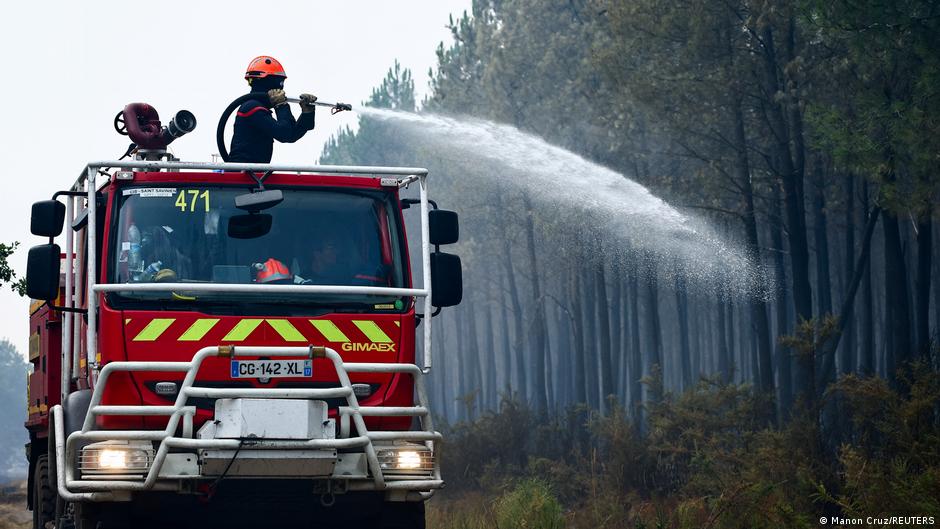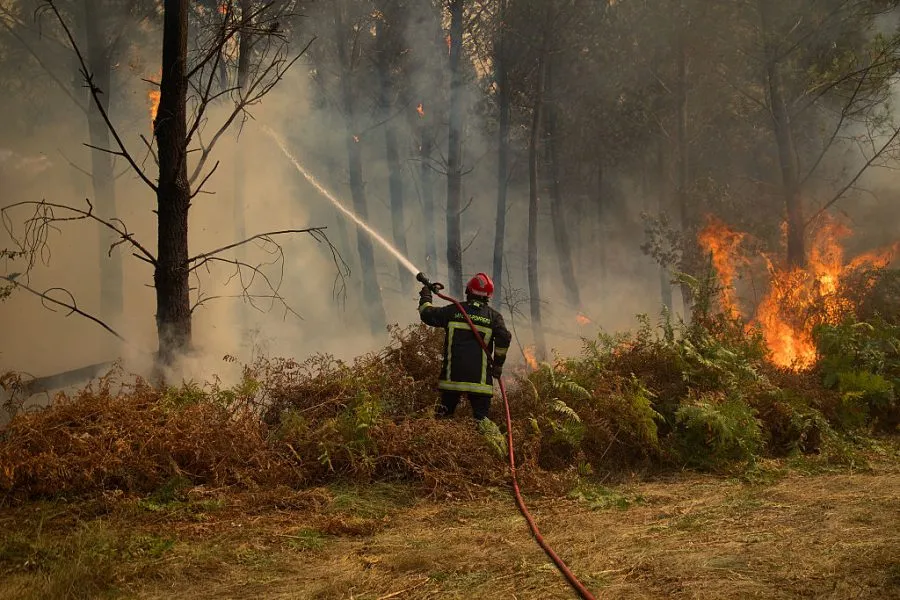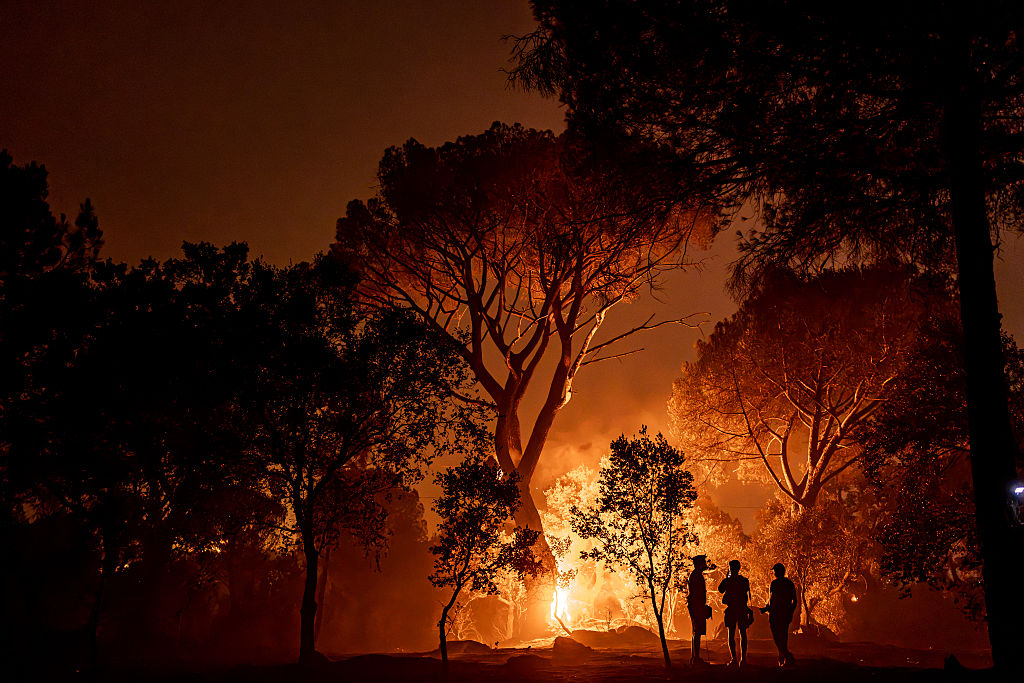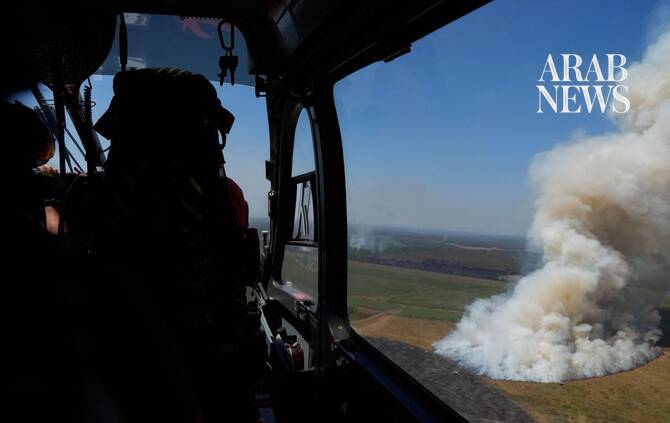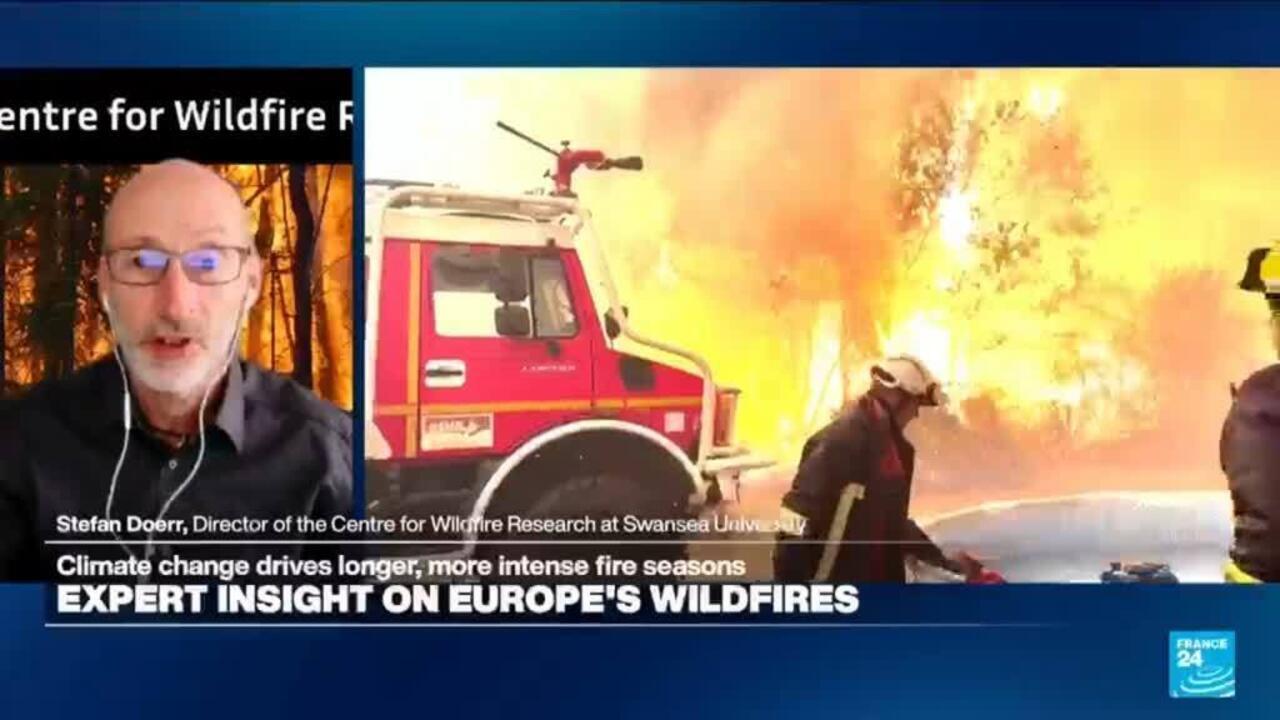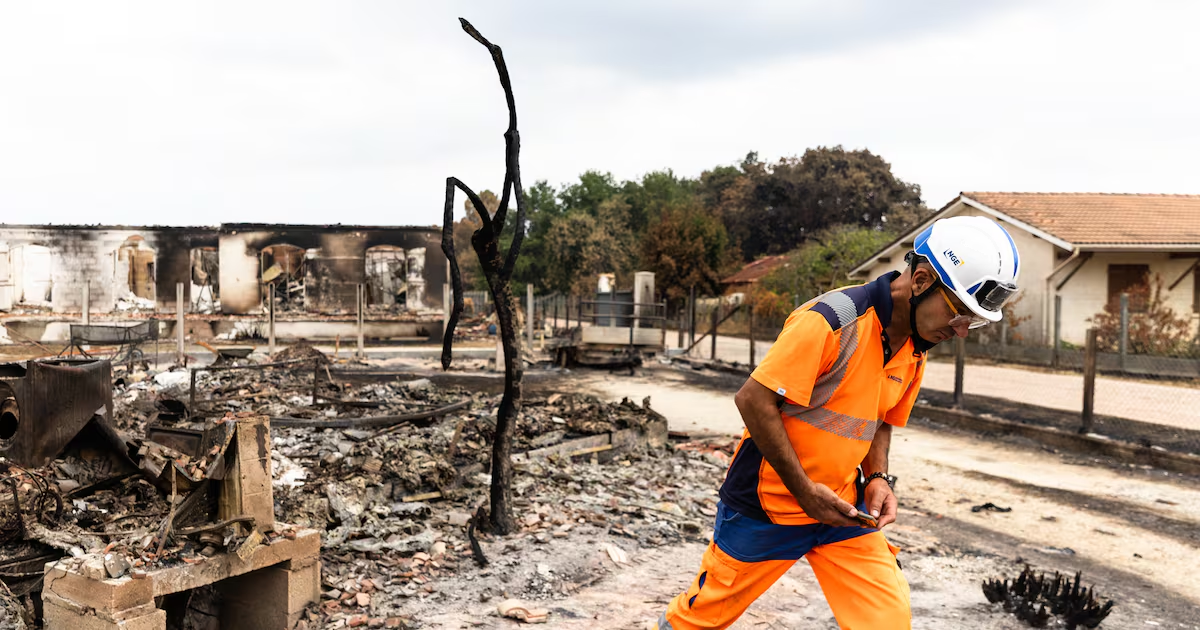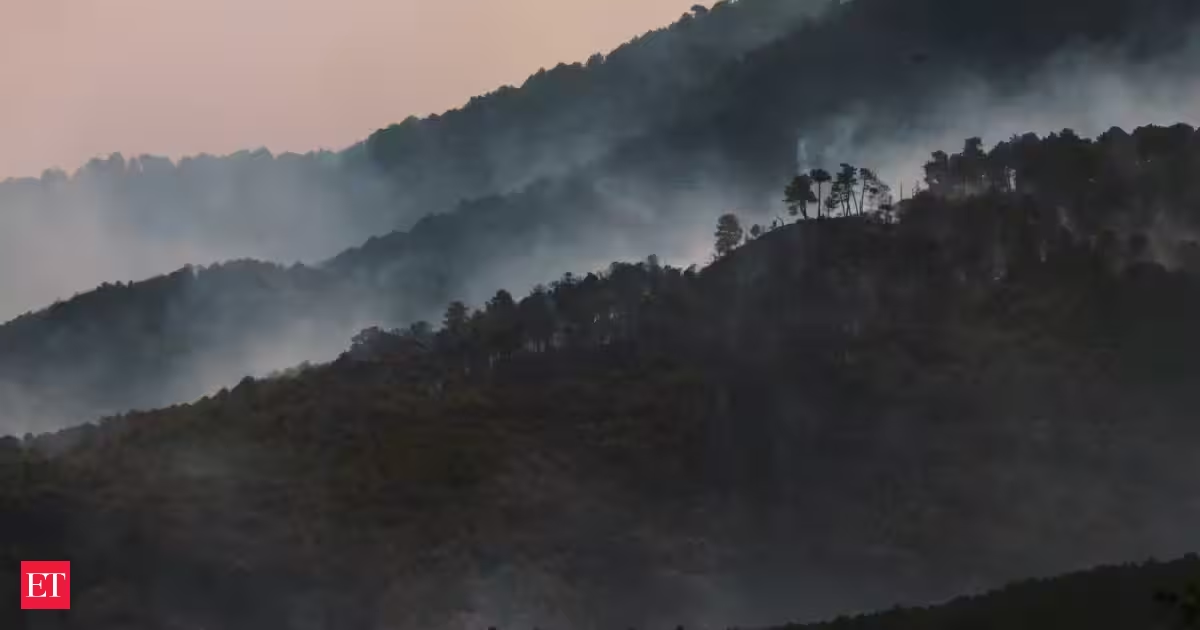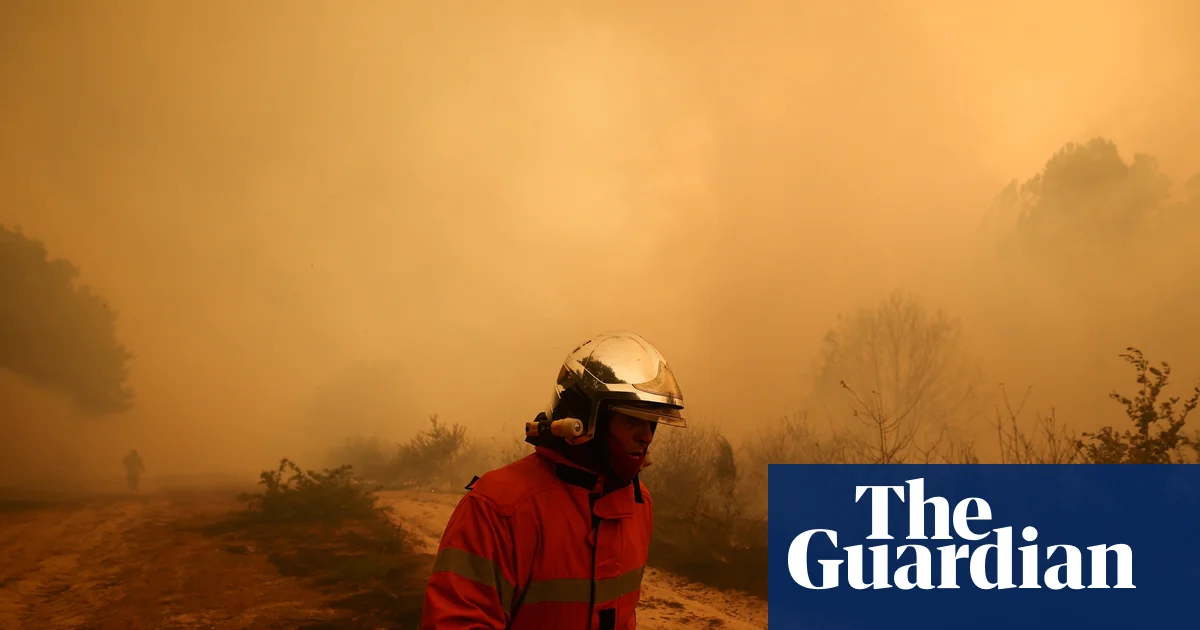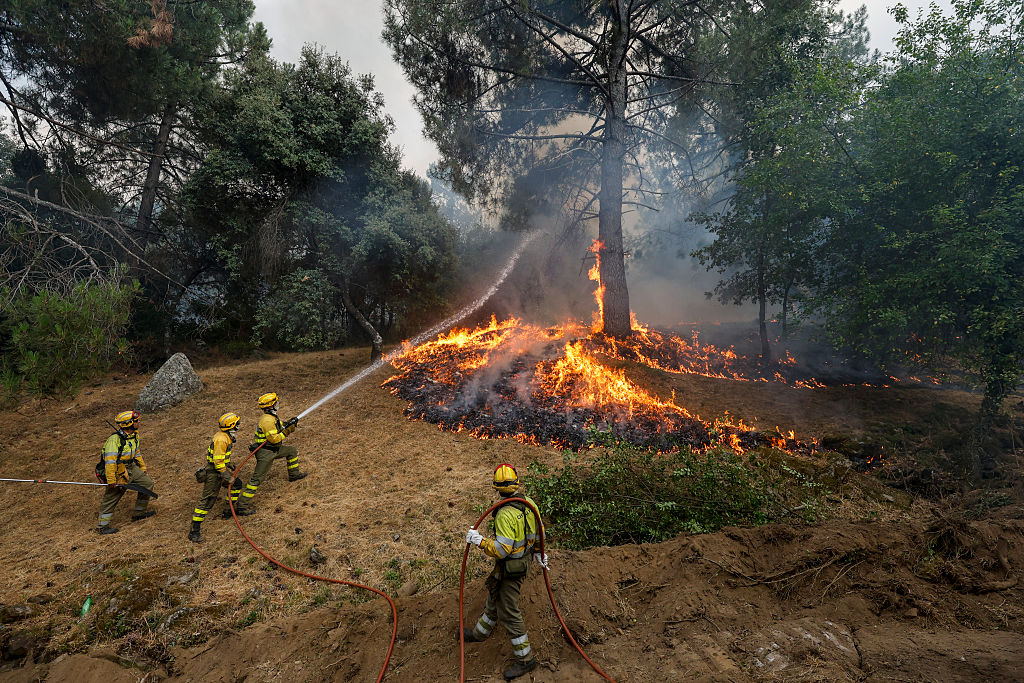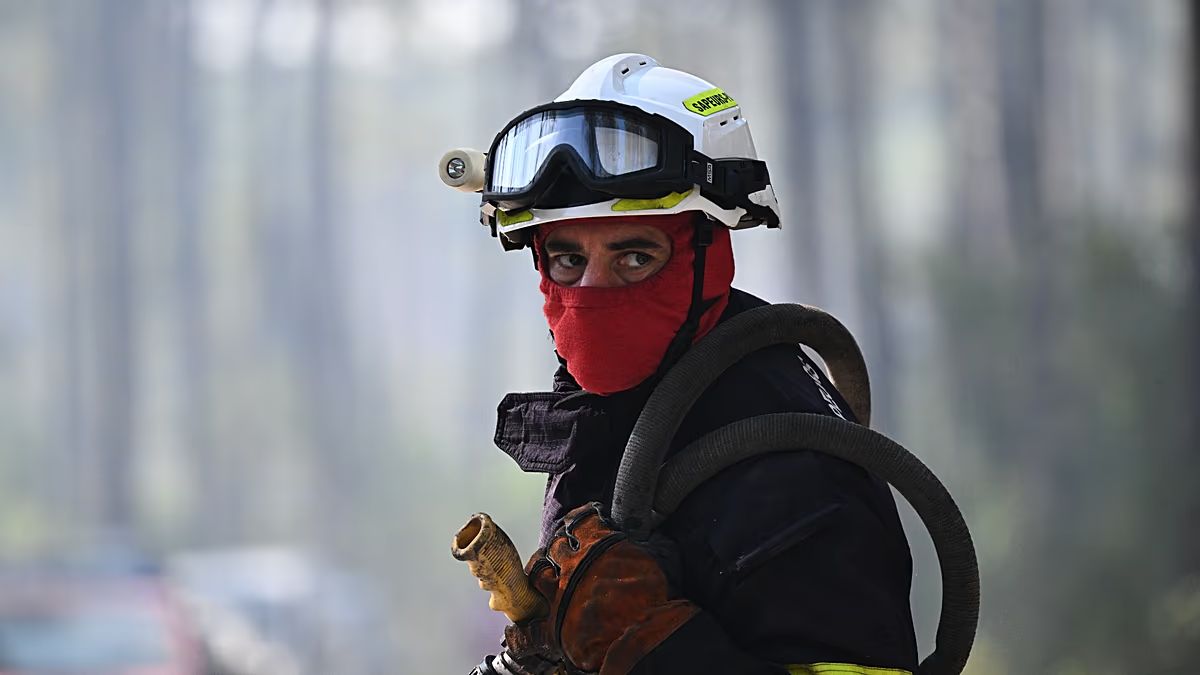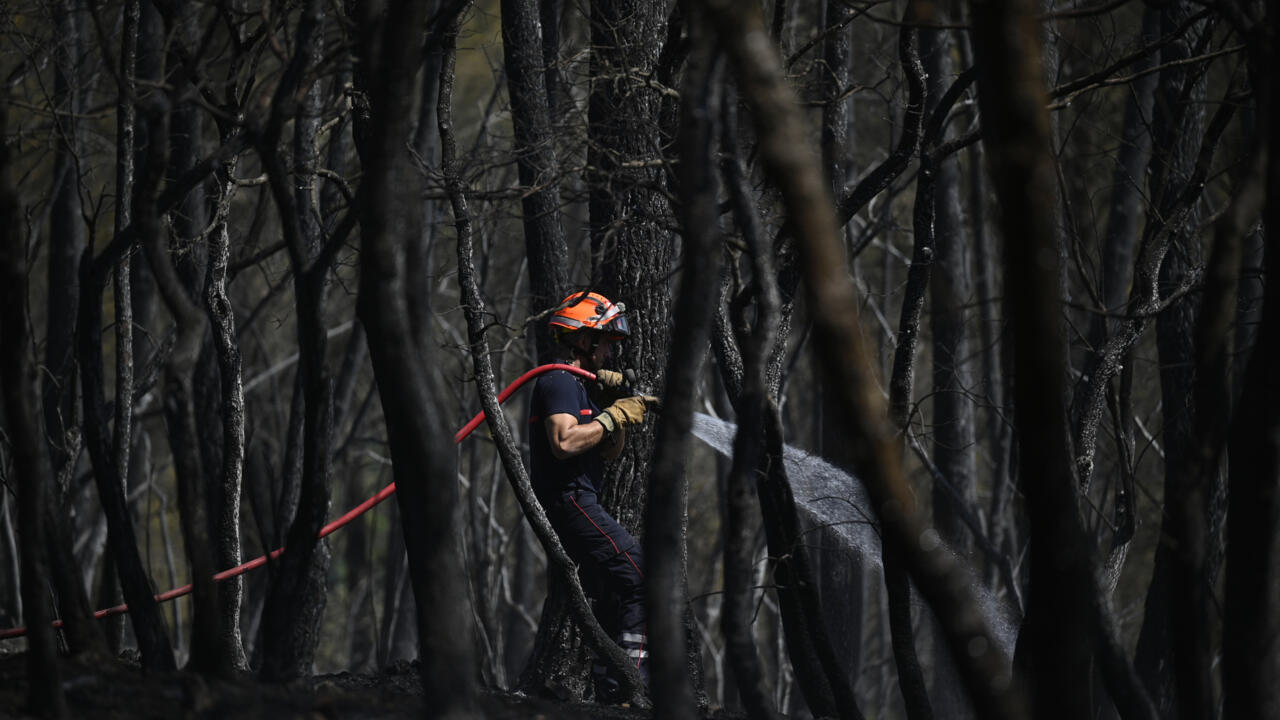
European authorities are confronting increasingly extreme wildfire seasons as climate change makes each one more destructive. But while the EU has made real progress coordinating its emergency response, the fight against intentional ignition remains fragmented.
Over the past few years, the EU has significantly strengthened its capacity to respond to wildfires. Through the EU Civil Protection Mechanism, the European Commission coordinates assistance between member states, while the rescEU reserve has expanded Europe's shared pool of firefighting aircraft, equipment and other emergency resources.
But while Europe is getting better at fighting wildfires once they start, it still has little common understanding of one of the first questions investigators ask: how did the fire begin?
Intentional ignition remains largely a national matter, with criminal laws, investigation methods and reporting practices varying widely across the bloc. The result is a blind spot: the EU can map fires from space and coordinate emergency responses across borders, but it has no comparable European picture of who starts deliberate fires, or why.
"Not all these fires are accidents. Some are deliberately set: it is a crime, punishable by 15 years of criminal imprisonment," French Prime Minister Sébastien Lecornu wrote on X during the latest wildfire crisis. "Security forces are fully mobilised to identify arsonists. They will be found, arrested, and held accountable for their actions before the courts."