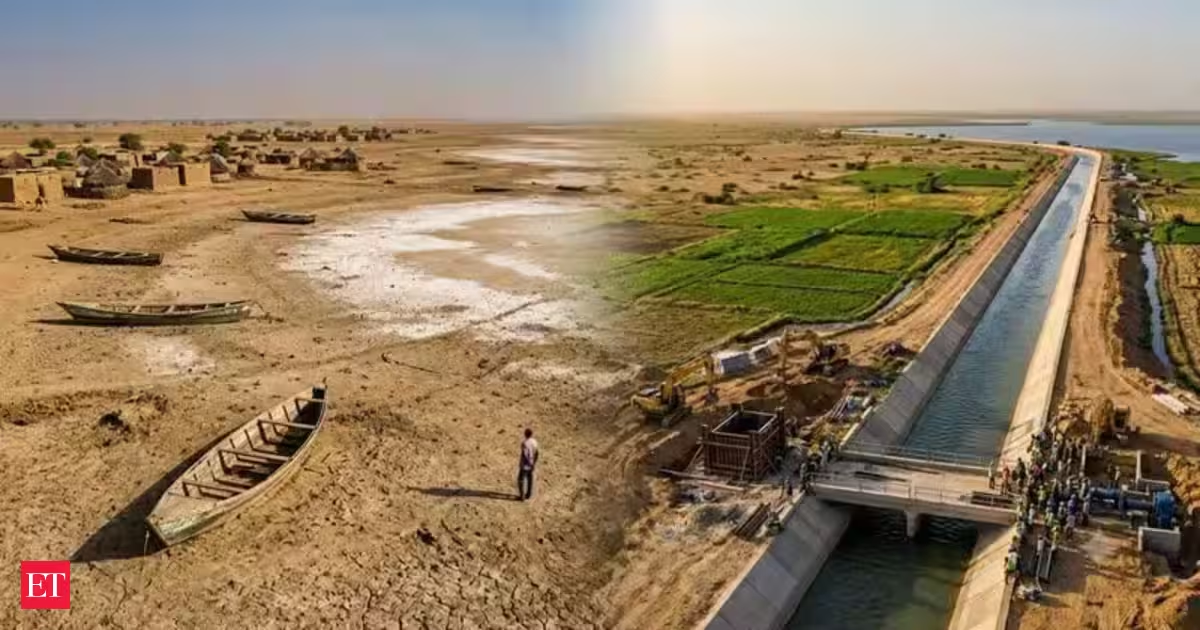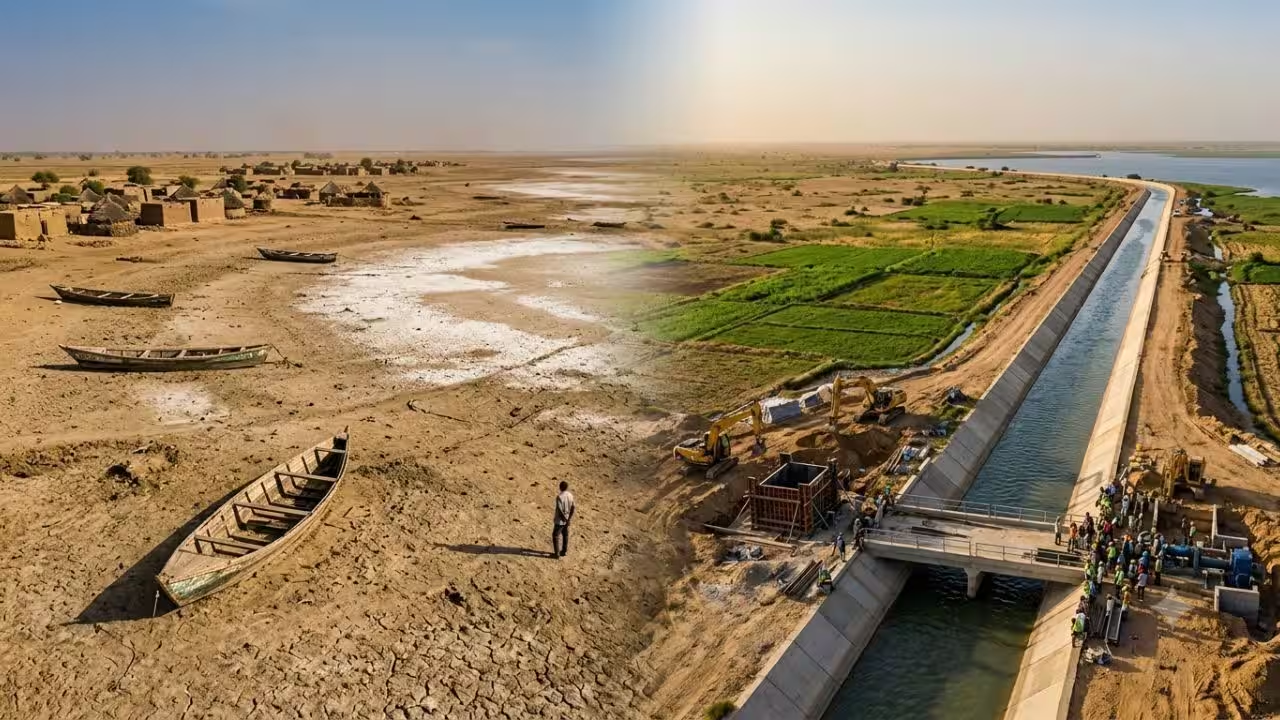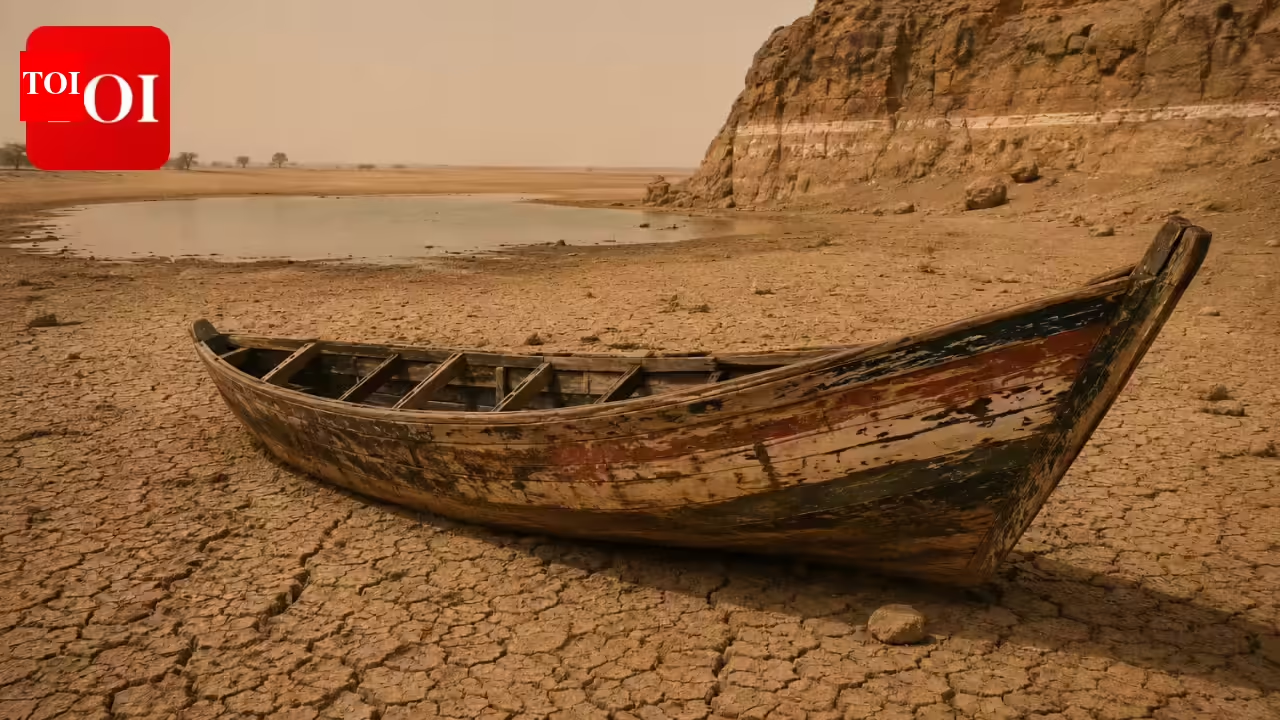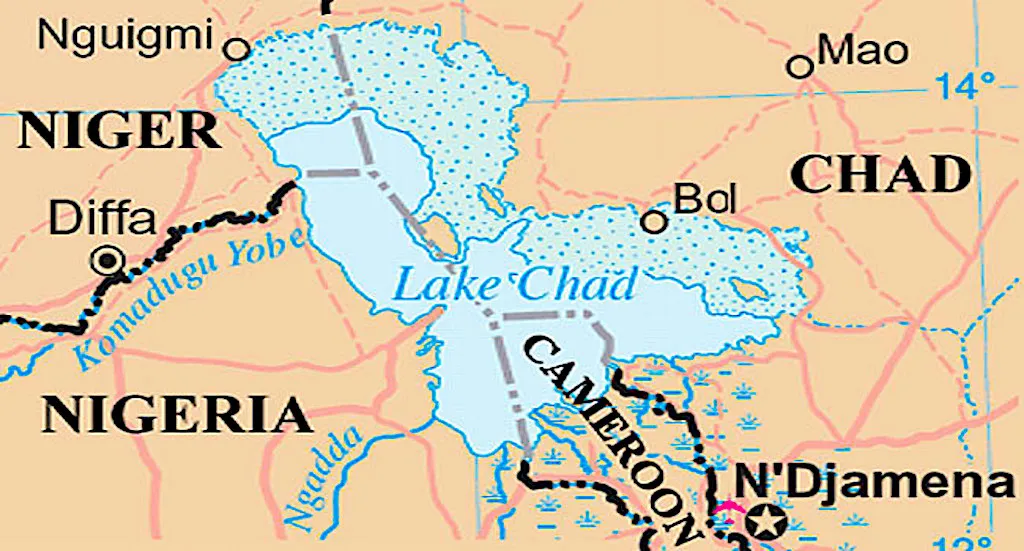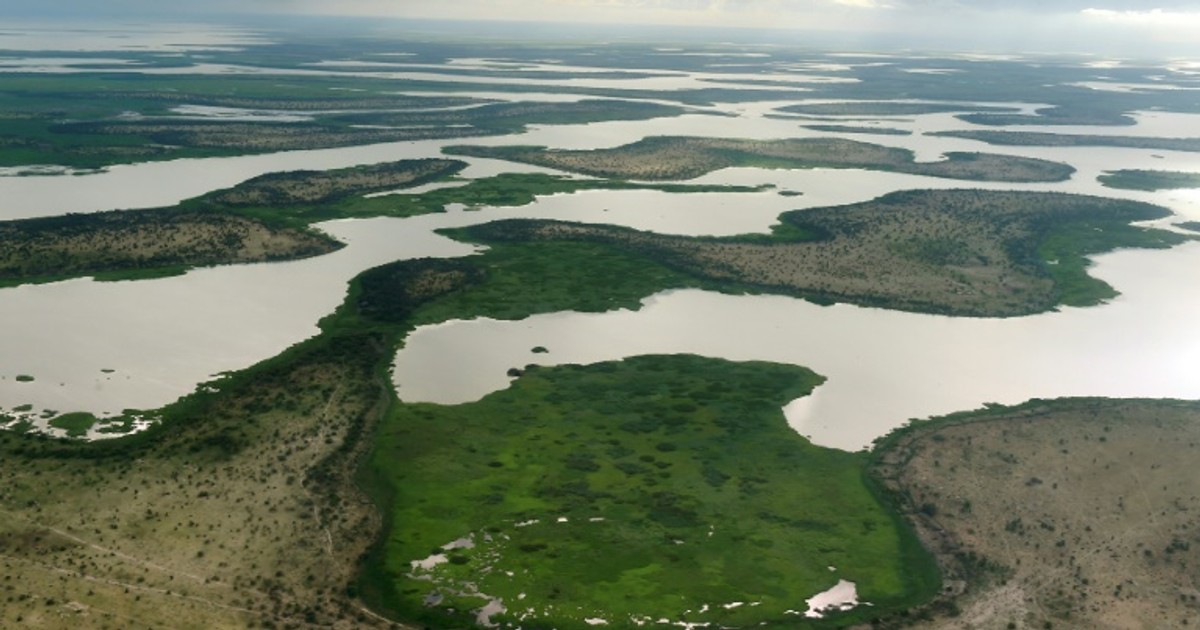
When British explorer Hugh Clapperton reached Lake Chad in 1823, he encountered one of Africa’s largest inland lakes, but two centuries later, it has lost about 90% of its surface area, putting millions of livelihoods at risk and prompting renewed calls for a $50 billion plan to redirect water from the Congo River Basin.
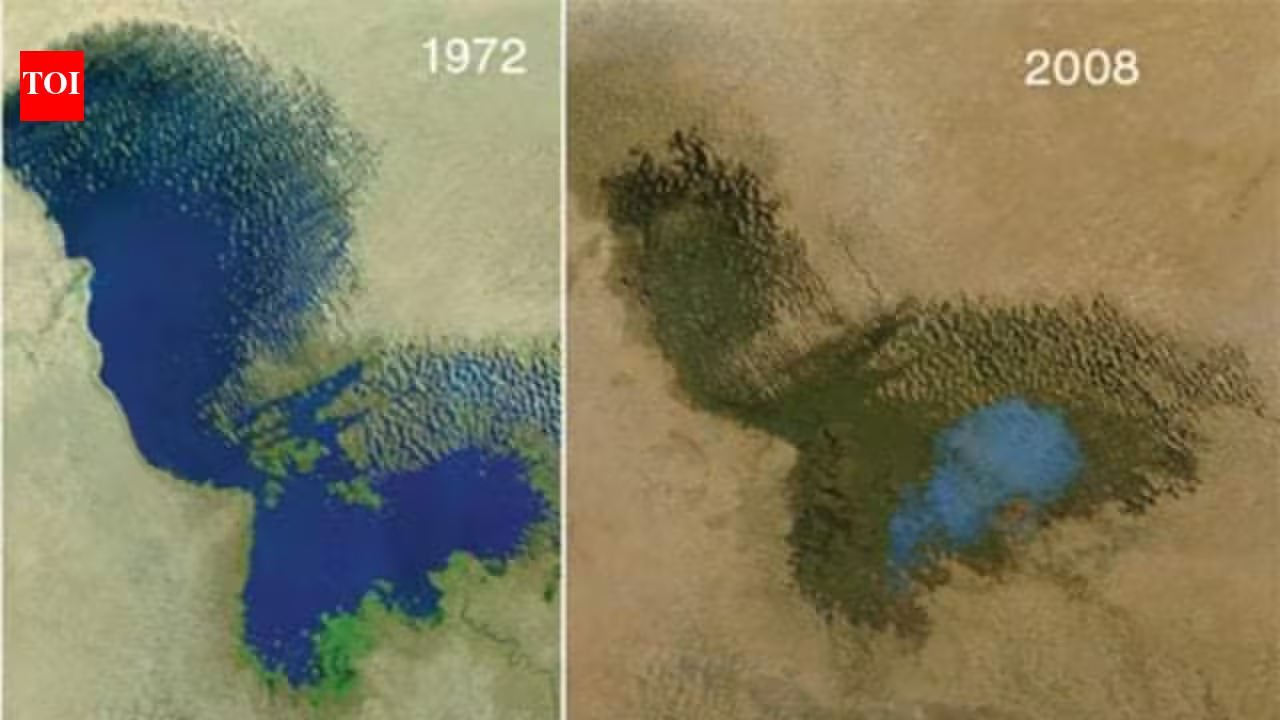
Once one of Africa’s largest inland water bodies, Lake Chad covered roughly 25,000 square kilometres at its peak, although its size has always fluctuated with rainfall and seasonal conditions.
In 1823, British explorers Hugh Clapperton, Dixon Denham and Walter Oudney became some of the first Europeans to document the lake and the surrounding kingdoms.
Since the 1960s, however, Lake Chad has lost about 90% of its surface area.
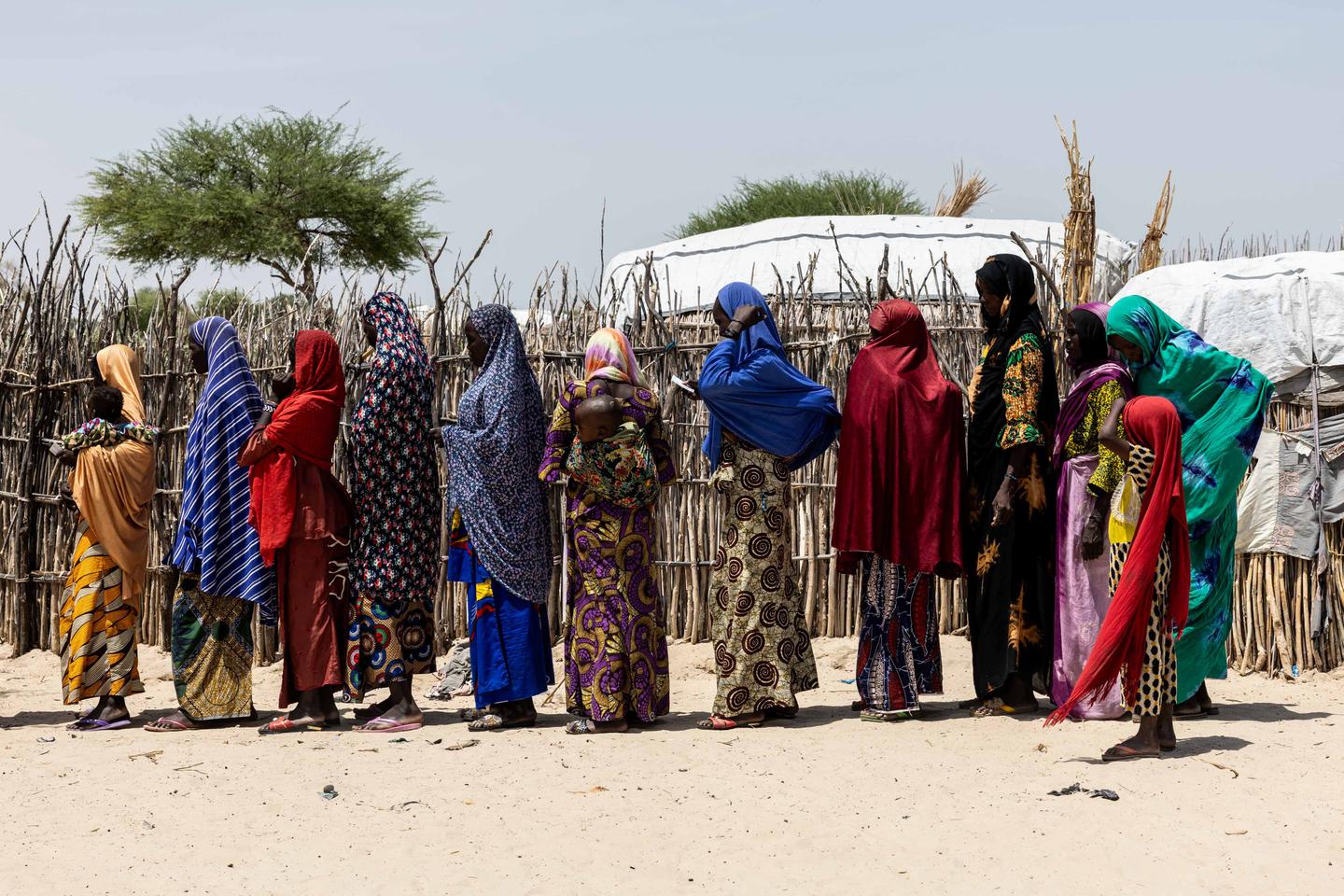
Today, the wider basin supports close to 50 million people across Cameroon, Chad, Niger and Nigeria. Fishing, farming, livestock production and cross-border trade remain important sources of income.