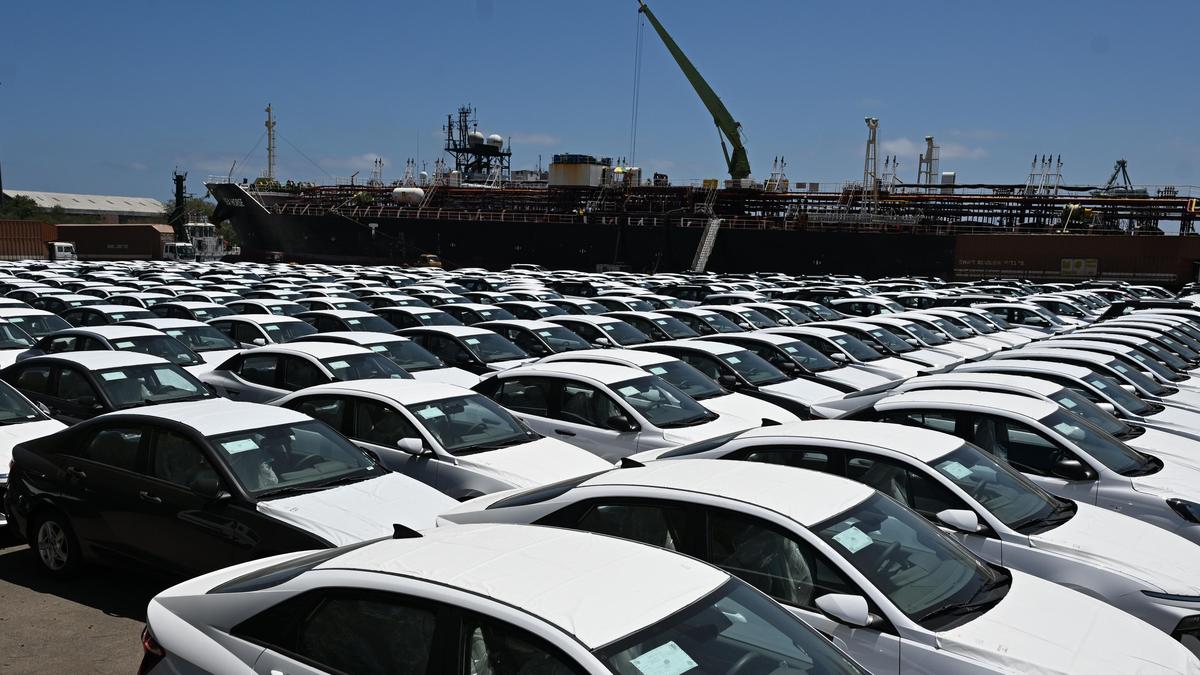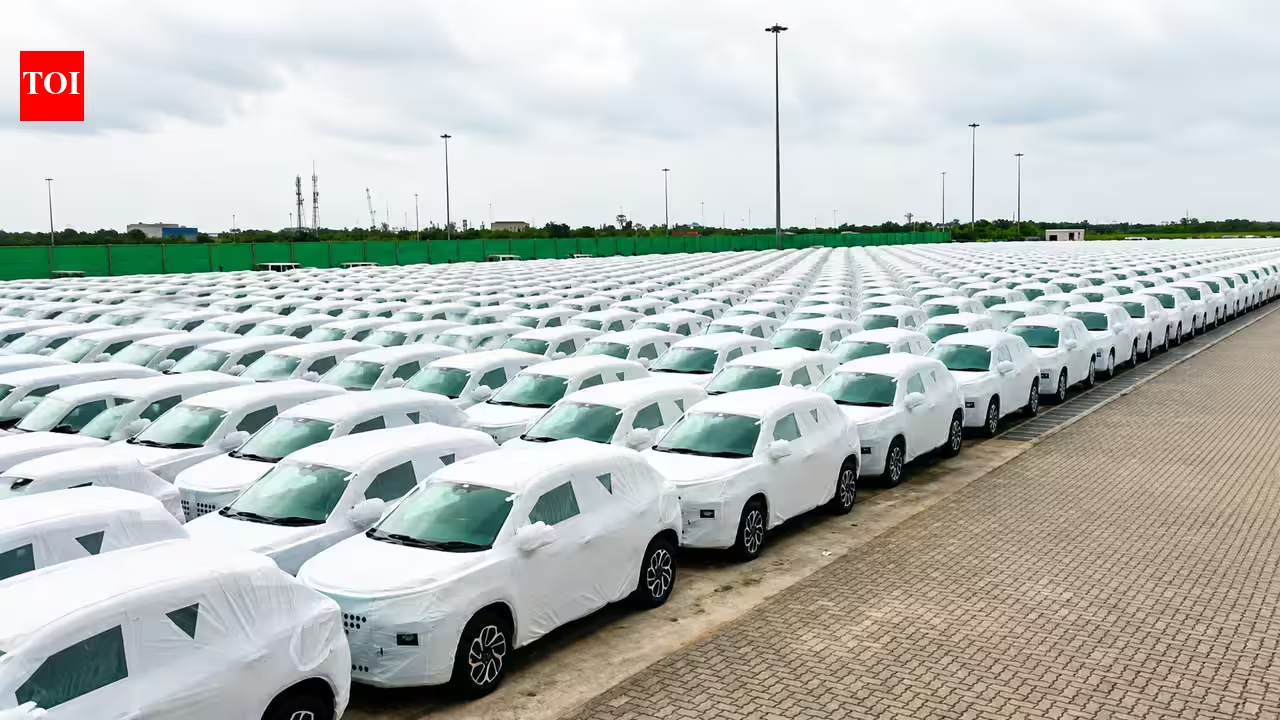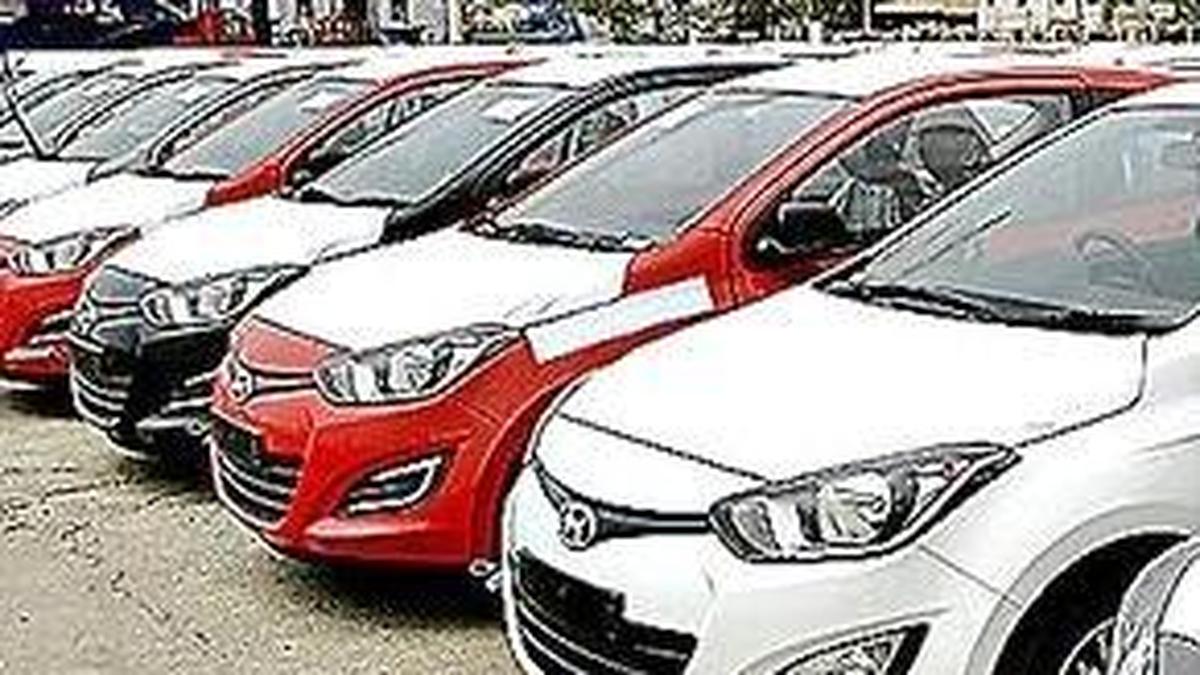
More than one in every two passenger vehicles exported from India in the first quarter of FY27 was manufactured by Maruti Suzuki, highlighting the company’s growing dominance in overseas markets. India’s passenger vehicle (PV) exports rose 8.8 per cent year-on-year to 222,392 units during the April-June quarter, according to industry data reviewed by businessline. However, much of the growth came from Maruti Suzuki, while Hyundai Motor India, Nissan, Volkswagen and Mahindra & Mahindra reported lower shipments.Maruti exported 123,330 vehicles during the quarter, up 28.2 per cent from 96,181 units a year earlier. Its share of India’s PV exports rose to a record 55.5 per cent from 47.1 per cent, with the company exporting more vehicles than all other passenger-vehicle manufacturers combined. Maruti now ships 18 models to nearly 120 countries.Hyundai remained India’s second-largest exporter despite a 19.6 per cent decline in shipments to 38,708 units. Exports at Nissan, Volkswagen and Mahindra fell 23.5 per cent, 32.5 per cent and 29.2 per cent, respectively. Honda, Kia, Renault and Tata Motors, however, posted export growth from smaller bases.The contrasting performance highlights the divergent global strategies being pursued by automakers. While Maruti is scaling exports through Suzuki’s global manufacturing network, Hyundai is positioning India as a hub for emerging markets and Mahindra is focusing on premium SUVs and electric vehicles.India Powers Suzuki’s Global AmbitionsIndia’s growing role in Suzuki’s global supply chain has become increasingly visible. In June 2025, Suzuki overtook Mercedes-Benz as Japan’s largest automobile importer for the month, driven by India-built Fronx and five-door Jimny Nomade models. It had also topped import rankings in April.Maruti’s largest export destinations in Q1 FY27 were South Africa, Japan, Chile, Angola and Mexico. Its export portfolio is increasingly SUV-led, with the Fronx emerging as India’s most-exported passenger vehicle at 23,803 units, followed by the Jimny (21,840 units), e Vitara (15,210 units), Baleno (11,163 units) and Dzire (10,798 units).Significantly, six of India’s eight most-exported passenger vehicles during the quarter were Maruti models, highlighting the company’s expanding presence in global markets.Hyundai Eyes RecoveryDespite a weak quarter, Hyundai continues to see exports as a key growth driver. The company attributed the decline to congestion on West Asian shipping routes and a supplier fire that led to a production loss of roughly 13,900 vehicles in June.Management has guided for 8-10 per cent export growth in FY27 and aims to increase exports to about 30 per cent of total production by FY30 from around 21 per cent in FY26 as capacity at its Pune plant comes on stream.Brokerages including Nomura, Motilal Oswal, ICICI Securities and Elara Capital expect exports to recover as shipments of the new Venue, Verna, Exter and the upcoming Creta EV gather pace. Hyundai is also strengthening India’s role as a manufacturing base for Latin America, Africa and South Asia.EV Exports SurgeIndia’s electric passenger-vehicle exports jumped nearly fourteen-fold to 15,641 units from 1,122 units a year earlier. Maruti’s e Vitara alone accounted for 15,210 units, representing more than 97 per cent of the total.Manufactured at the company’ Hansalpur facility in Gujarat, the e Vitara was exported to 47 countries during the quarter, including 20 new markets, mainly in Europe. The UK emerged as the largest destination, followed by South Africa.Since exports began in August 2025, Maruti has shipped more than 40,000 e Vitaras globally. The model is helping Suzuki expand beyond its traditional export markets in Africa, Latin America and West Asia into Europe and Japan, adding a developed-market dimension to India-made vehicle exports.Different Paths, Same OpportunityOther automakers are also expanding their overseas footprint. Nissan continues to use India as a production hub for the Magnite, while Skoda Auto Volkswagen India has widened exports of its India-developed MQB-A0-IN models, including the Virtus, Taigun, Kushaq and Slavia.Mahindra is pursuing a premium-led strategy focused on markets such as South Africa and Australia. Analysts expect exports to gain momentum as SUV capacity expands and the company rolls out its INGLO-based electric vehicles globally.Brokerages remain positive on the long-term outlook for PV exports, viewing India as an increasingly important global manufacturing base. Maruti is expected to benefit from Suzuki’s global sourcing strategy and Toyota’s distribution network, Hyundai from new products and added capacity, and Mahindra from premium SUVs and electric vehicles.Published on July 29, 2026
Maruti Suzuki drives over half of India’s PV exports as industry shipments rise 8.8% in Q1 FY27
Maruti Suzuki dominates India's passenger vehicle exports, driving 55.5% share as overall shipments rise 8.8% in Q1 FY27.
703 words~3 min read