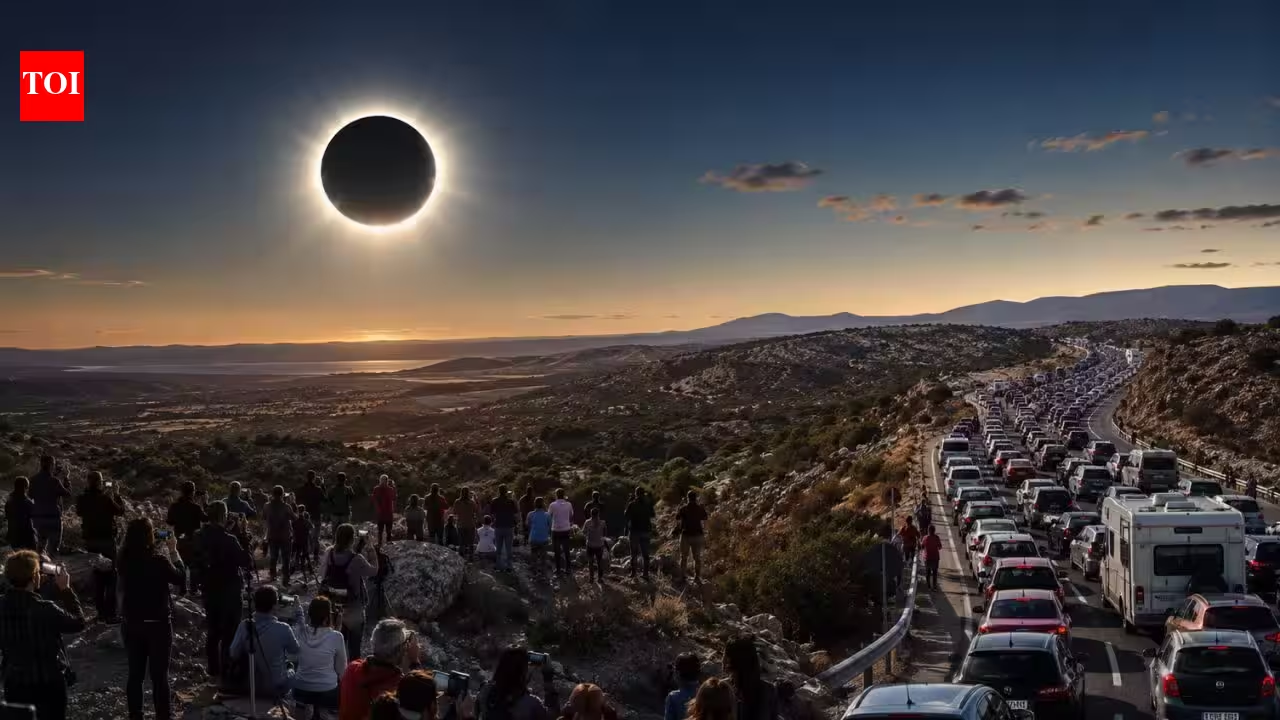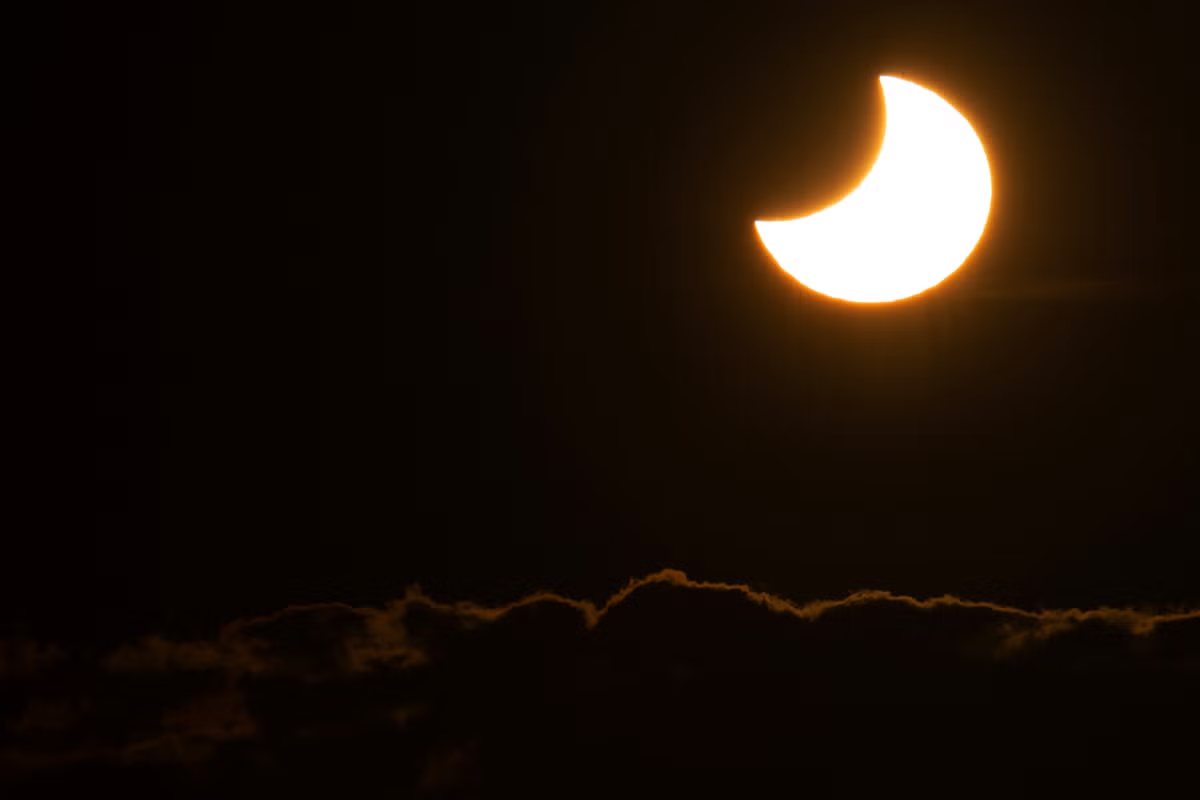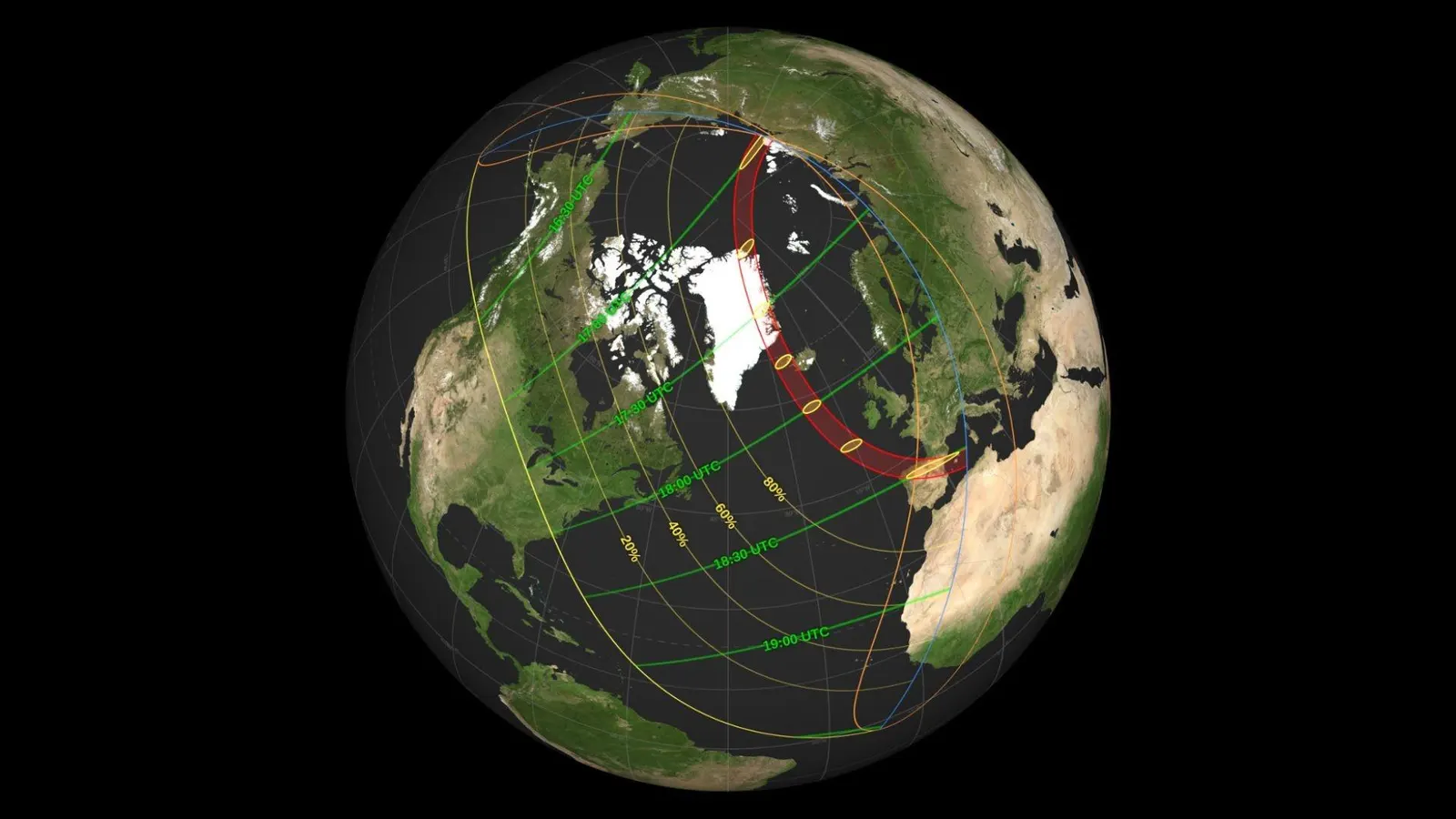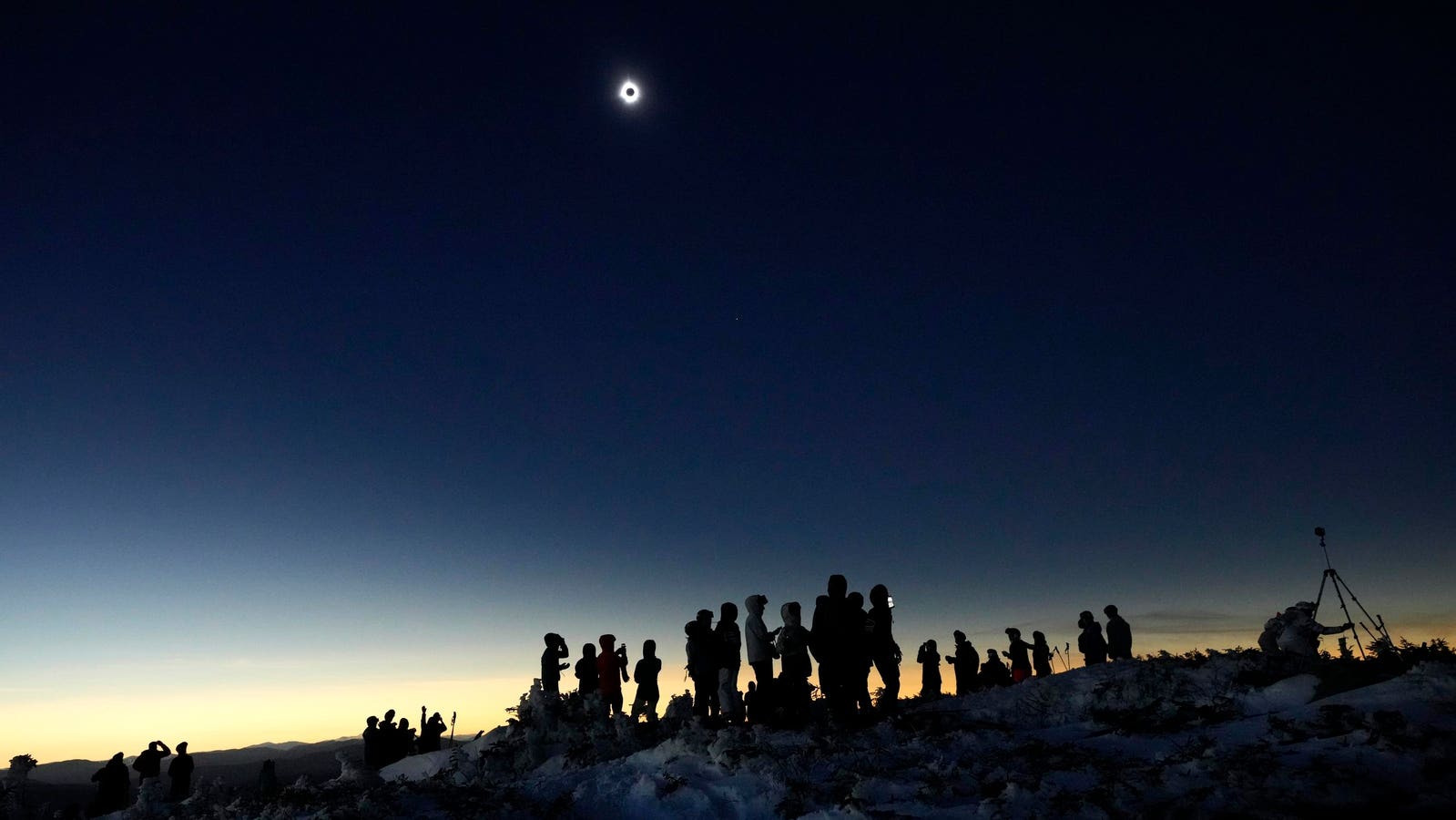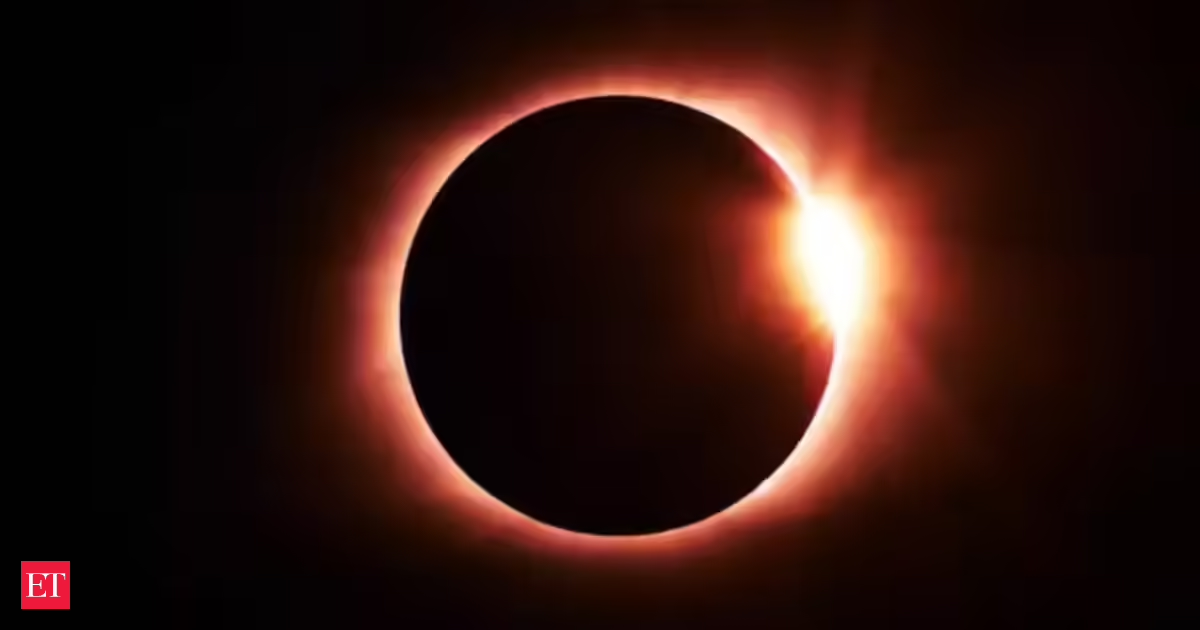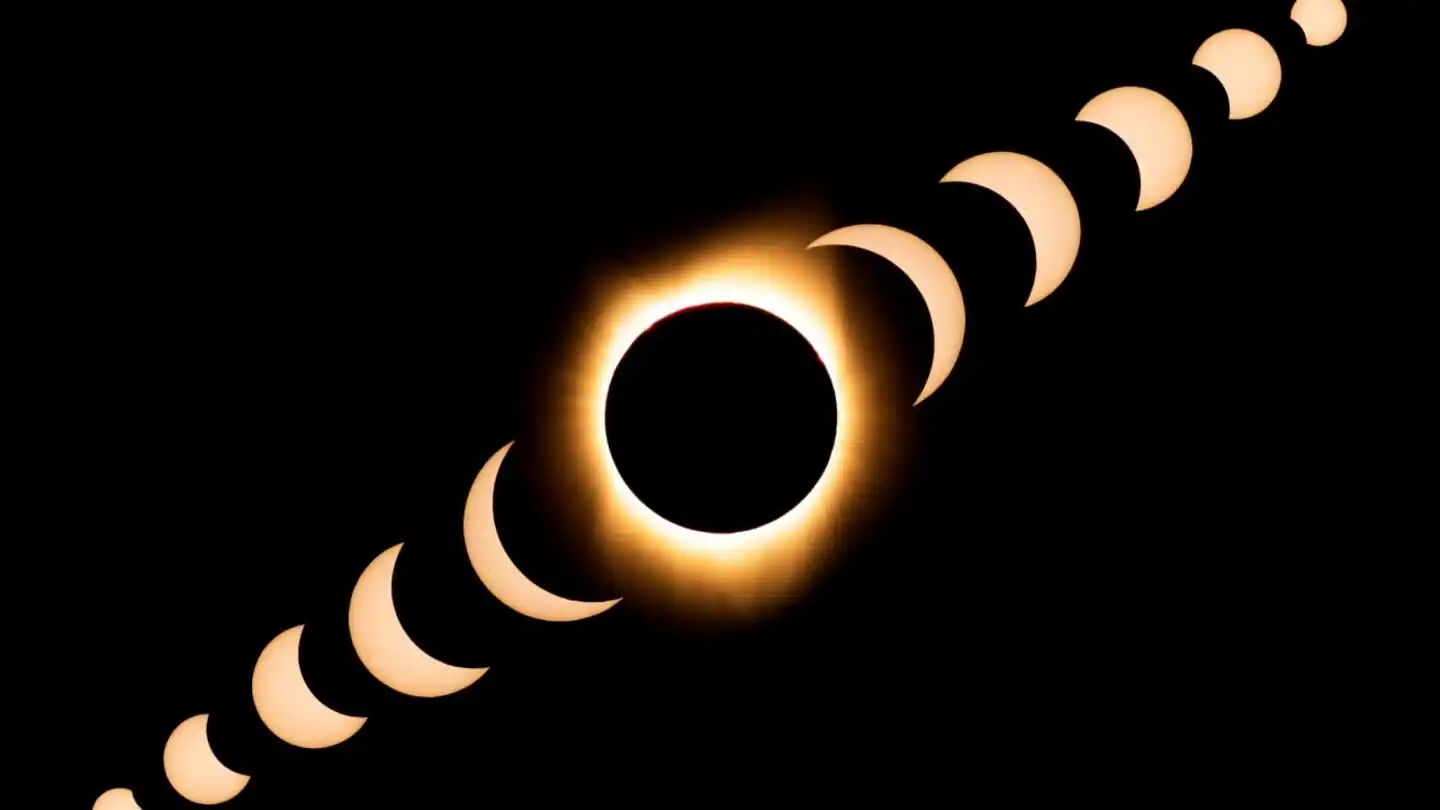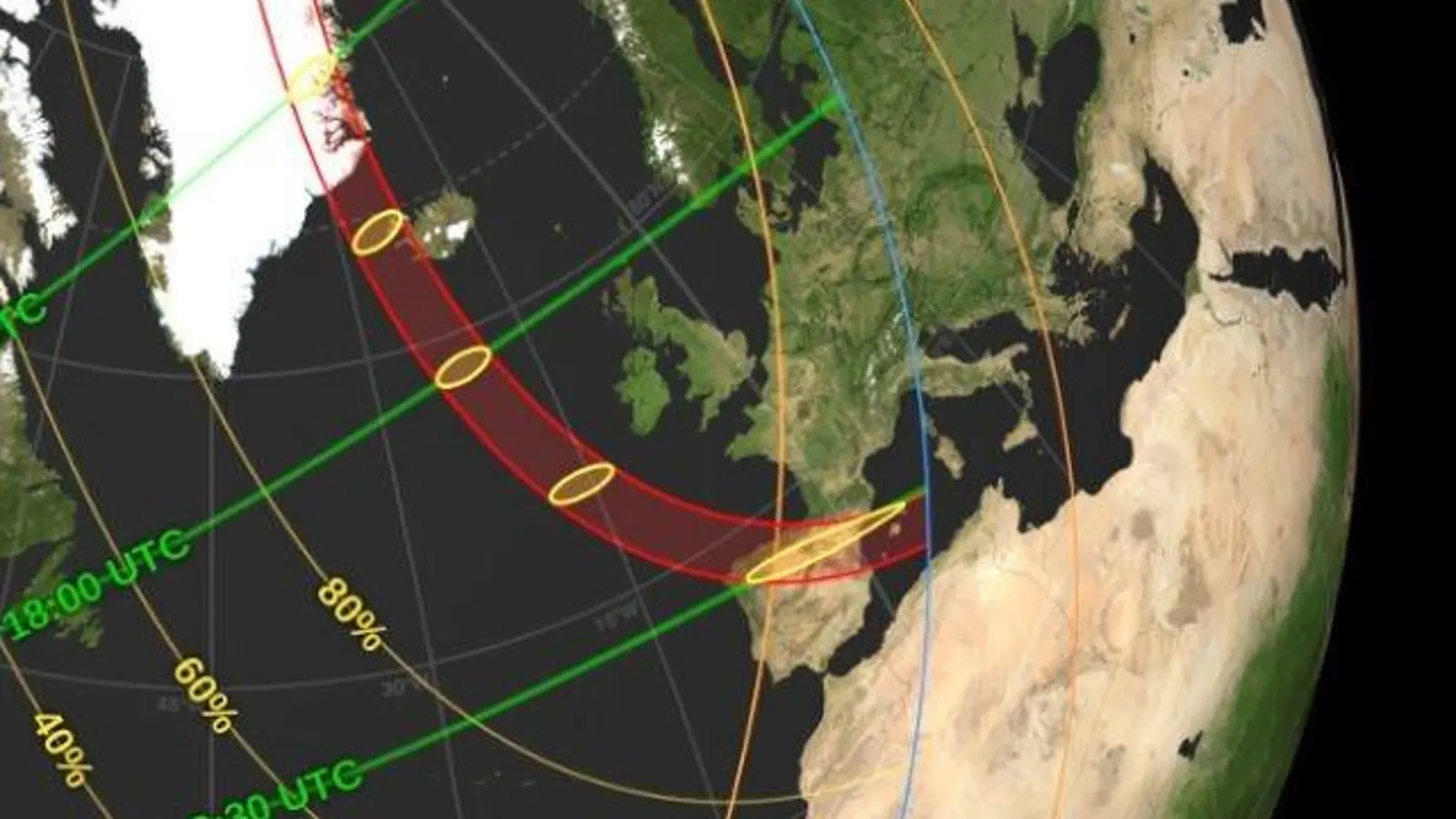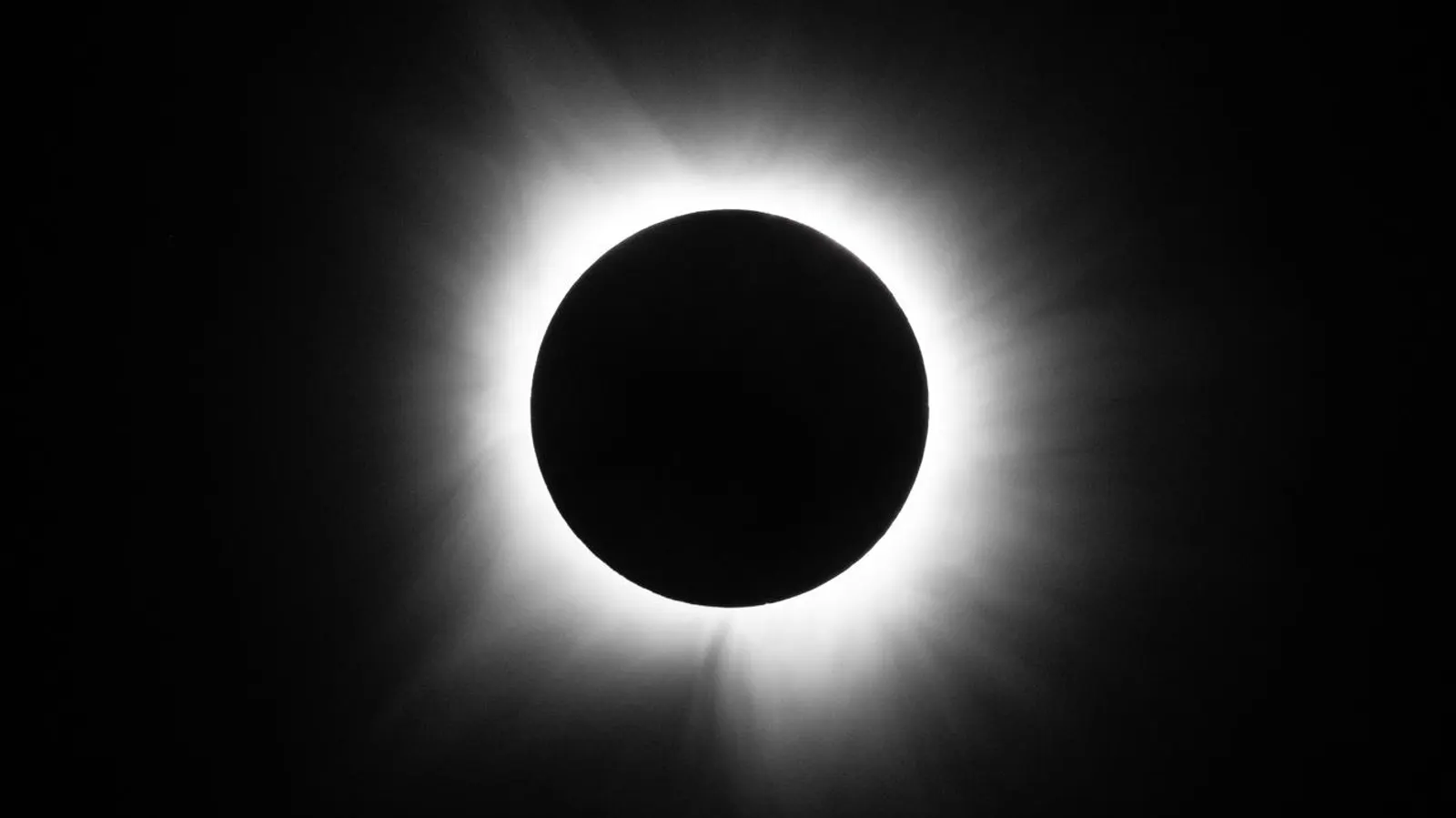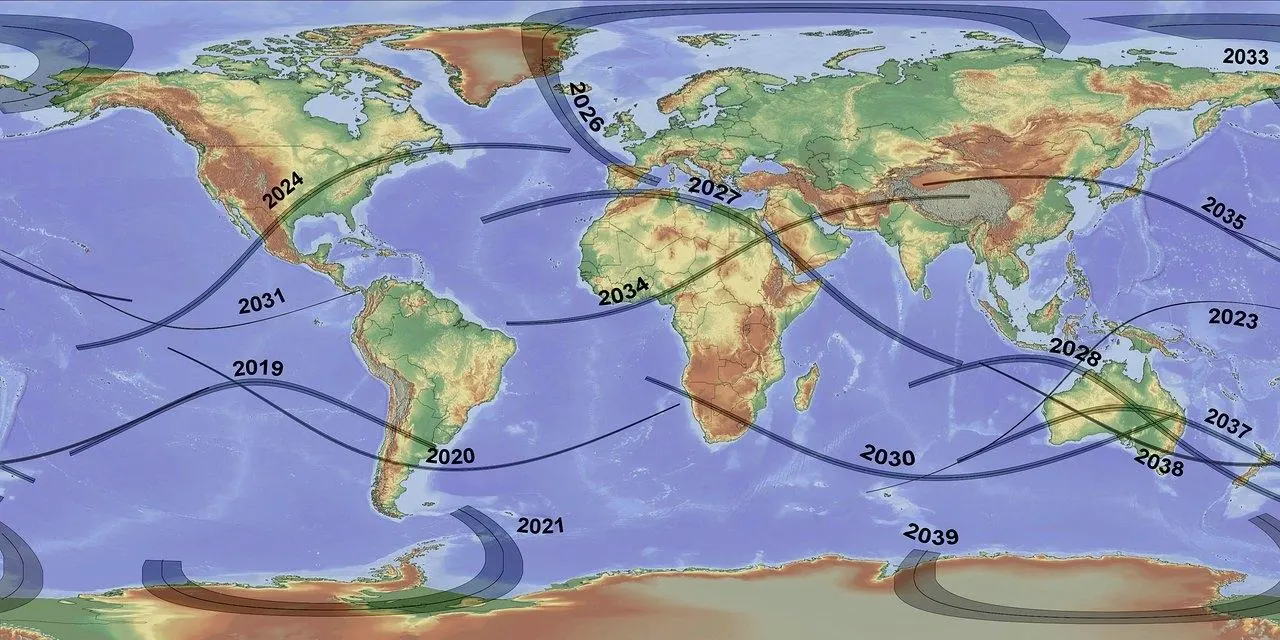
This map of the world shows the paths of all total solar eclipses during the period 2019–2040. T. Matsopulos/NASAA new global analysis by NationalEclipse.com has revealed when every country on Earth last experienced a total solar eclipse and when each can expect its next one, offering the first comprehensive country-by-country breakdown of eclipse timing.The research examines nearly 2,000 past and future total solar eclipse paths, comparing them with present-day national borders to determine how frequently each country experiences the rare celestial event. “One of the biggest surprises was discovering that almost two-thirds of countries and territories have experienced a total solar eclipse in the last 100 years,” said Dave Clark, operator of NationalEclipse.com.It comes just weeks before a total solar eclipse in Arctic Russia, eastern Greenland, western Iceland, northern Spain and a tiny corner of Portugal on Aug. 12.Iceland last experienced a total solar eclipse in 1954, while Spain has not seen totality since 1912, making the 2026 event especially significant for observers in both countries.ForbesTotal Solar Eclipse ‘Map Of Nope’ Meme Is A Must-See Before AugustBy Jamie Carter‘Once Every 375 Years’There’s a consensus among eclipse experts that, on average, a total solar eclipse occurs in the same place on Earth about once every 375 years. In reality, eclipse visibility is hugely uneven. “This analysis shows that entire countries can go much longer than 375 years without a total solar eclipse,” said Clark. In fact, some nations wait many centuries between periods of totality.Malta Gets Longest Eclipse Dry SpellAccording to the analysis, Malta has gone the longest without witnessing a total solar eclipse. The Mediterranean island nation last experienced totality in 1178. Its next total solar eclipse will occur on April 21, 2088 — its first in 910 years. It’s the longest combined interval between a previous and next total solar eclipse. It will, however, see an annular solar eclipse — when the moon isn’t quite large enough to completely cover the sun, creating a “ring of fire” around its silhouette — on June 1, 2030.Saint Lucia ranks second in the pantheon of countries waiting to witness a total solar eclipse, having last experienced one in 1286. It will next see a total solar eclipse on Oct. 17, 2153 — a gap of 867 years.ForbesNASA Drops Map Of Next Total Solar Eclipse — And It Visits The U.S.By Jamie CarterFuture Waits Into The 25th CenturyWhile some countries have recently enjoyed total solar eclipses — notably the U.S. with landmark events in both 2017 and 2024 — others face remarkably long waits before the next one arrives. Equatorial Guinea tops the list for the longest wait, with its next total solar eclipse not expected until 2461. Andorra follows closely behind, with its next opportunity coming in 2433.The findings illustrate that geography alone does not determine eclipse frequency, with several larger countries also experiencing lengthy gaps between events.Surprising FindingsIt would perhaps appear intuitive that the larger the country, the more common an eclipse. “You would expect that tiny countries would naturally have the longest wait between eclipses,” said Clark. “But there are plenty of examples where much larger countries have longer current dry spells, like the Netherlands (420 years) and Ireland (366 years), than tiny city-states like Singapore and Monaco.”A visualization of the August 12, 2026, total solar eclipse. NASA's Scientific Visualization StudioEclipses As Event-Driven TourismEclipse-chasing has been around for decades, with many thousands of people purposely visiting remote places to witness totality. However, the modern travel industry is only now realizing its existence. “Aug. 12 has turned into one of the clearest examples of event-driven tourism we have ever tracked,” said Marcin Starkowski, Group PR Manager at the eSky.com online travel agency. “Travelers are treating it less like a typical holiday and more like a once-in-a-lifetime appointment.” Its data for the week around Aug. 12 has flight and hotel packages to Spain up 69% year on year at the same booking lead time; flight-only sales to Spain have risen 58%, and flights alone to Iceland have increased 76%. That these flights were being booked in June and July surprised the agency. “That tells us customers are not waiting for a last-minute deal this time, said Starkowski. “They are locking in flights and accommodation early … there is no second chance if you end up in the wrong spot.”To an eclipse chaser, booking a month or two before an eclipse does not show pace nor planning, but a last-minute dash — most eclipse chasers know where they are going at least a year, if not two, in advance. Wishing you clear skies and wide eyes.
Which Countries Wait Longest For A Total Solar Eclipse?
A new study reveals when every country last saw and will next see a total solar eclipse, with Malta topping the list for the longest total solar eclipse drought.
763 words~3 min read