This story was produced by The Hechinger Report, a nonprofit, independent news organization focused on inequality and innovation in education.
Two days before the sweltering July 4 weekend, Martina Meijer, a New York City elementary teacher who occasionally substitutes over the summer, covered a class. The city’s summer school programhad just begun and that day temperatures reached 100 degrees.
“Even though the AC was on, it wasn’t working very well,” said Meijer. “There was no programming, no schedule, no plans shared.”
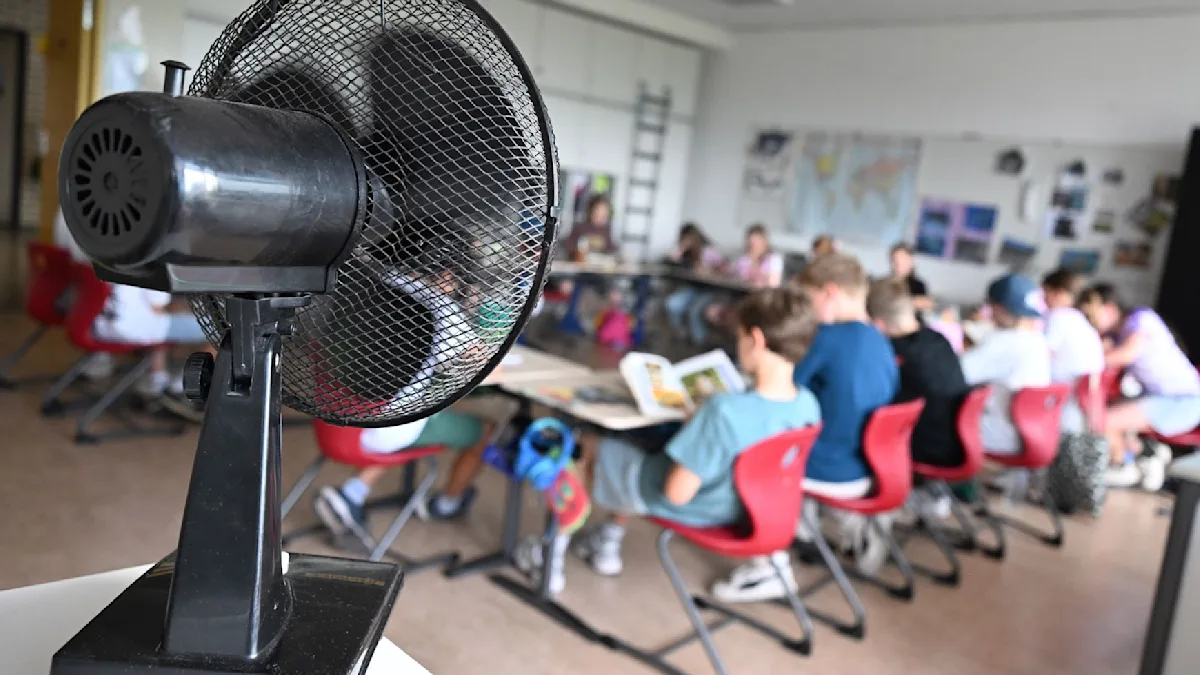
For four hours straight, Meijer and her students remained in the classroom. The stifling heat drained their energy, leaving them lethargic and making it difficult to focus. When she called the main office to ask if she could take them to the gym or outside for recess, school officials told her the weather was too hazardous, she said. They instructed her to stay in the classroom and give her class of 15 students indoor movement activities — commonly known as “brain breaks” — by following YouTube tutorials.
While many school districts prioritize placing students and staff in schools with air conditioning during summer programming, the blistering temperatures around the country sometimes mean it’s not enough. Problems like malfunctioning air conditioners still persist, and cooling systems have their limits during periods of intense heat like this July’s heat dome.