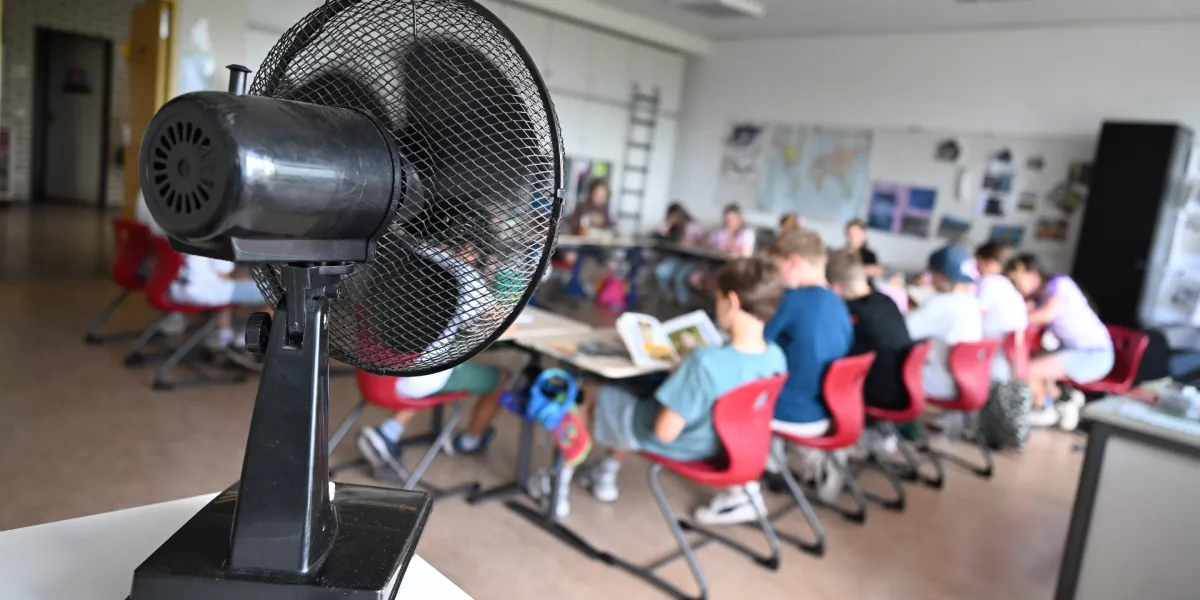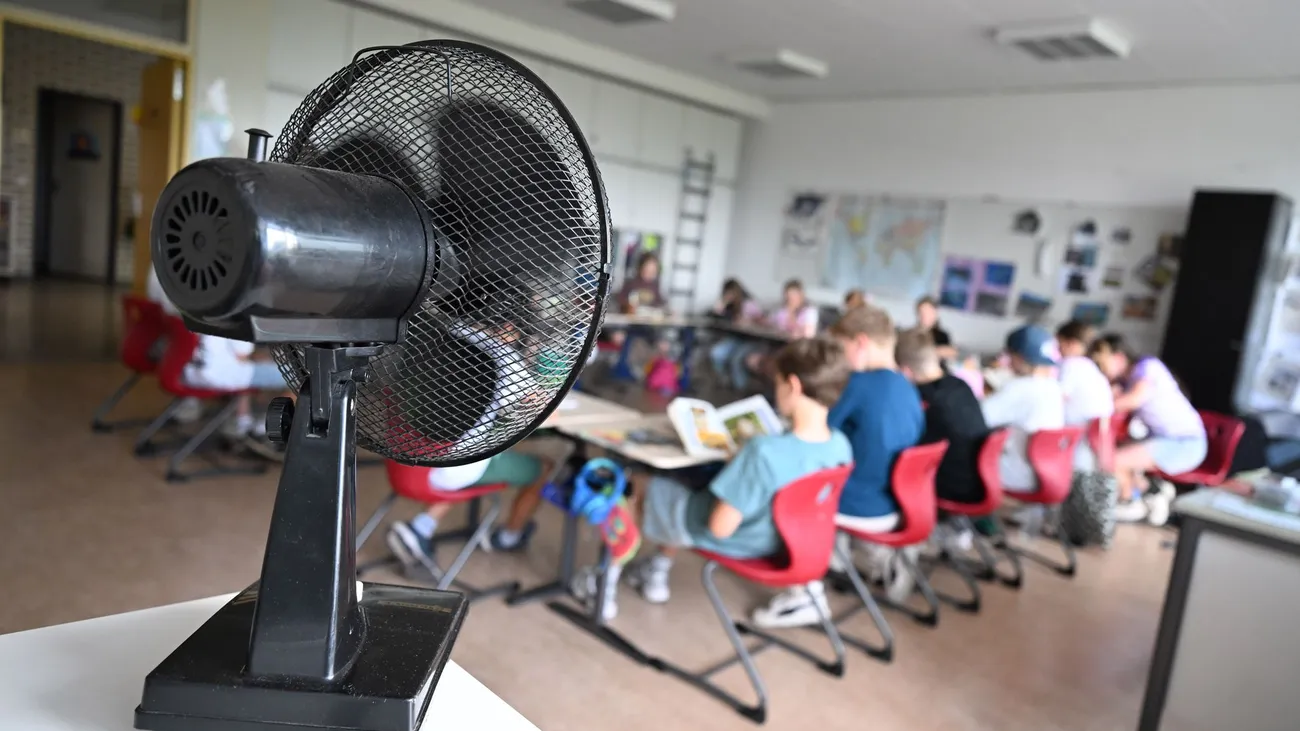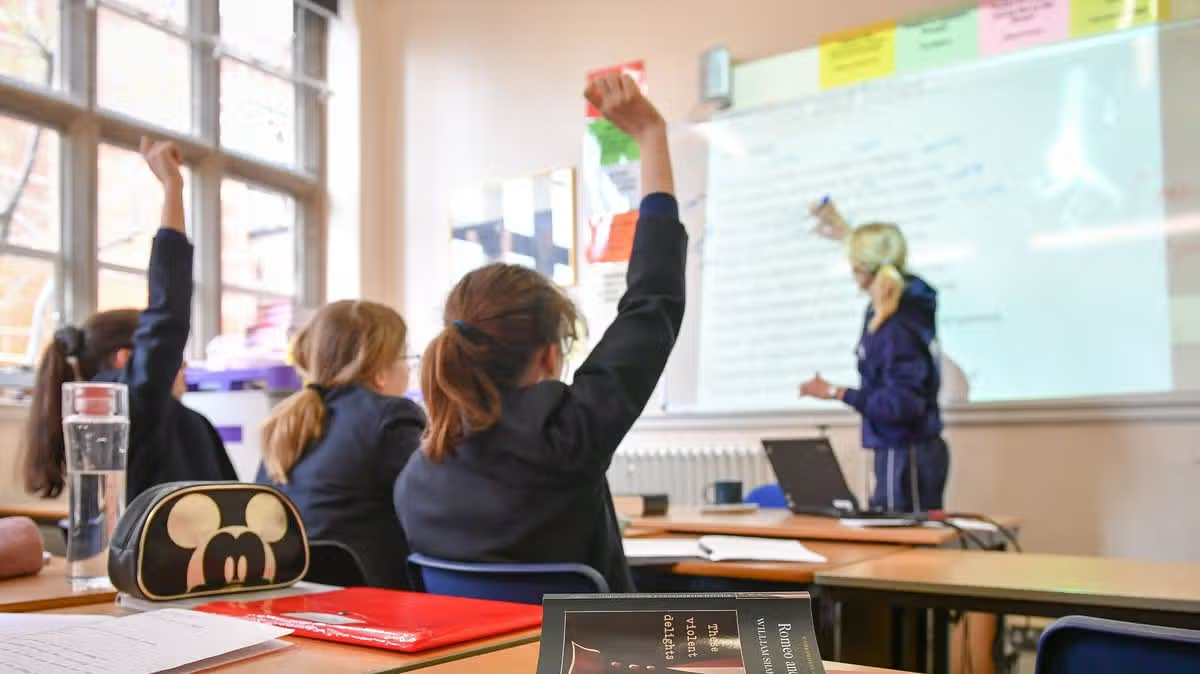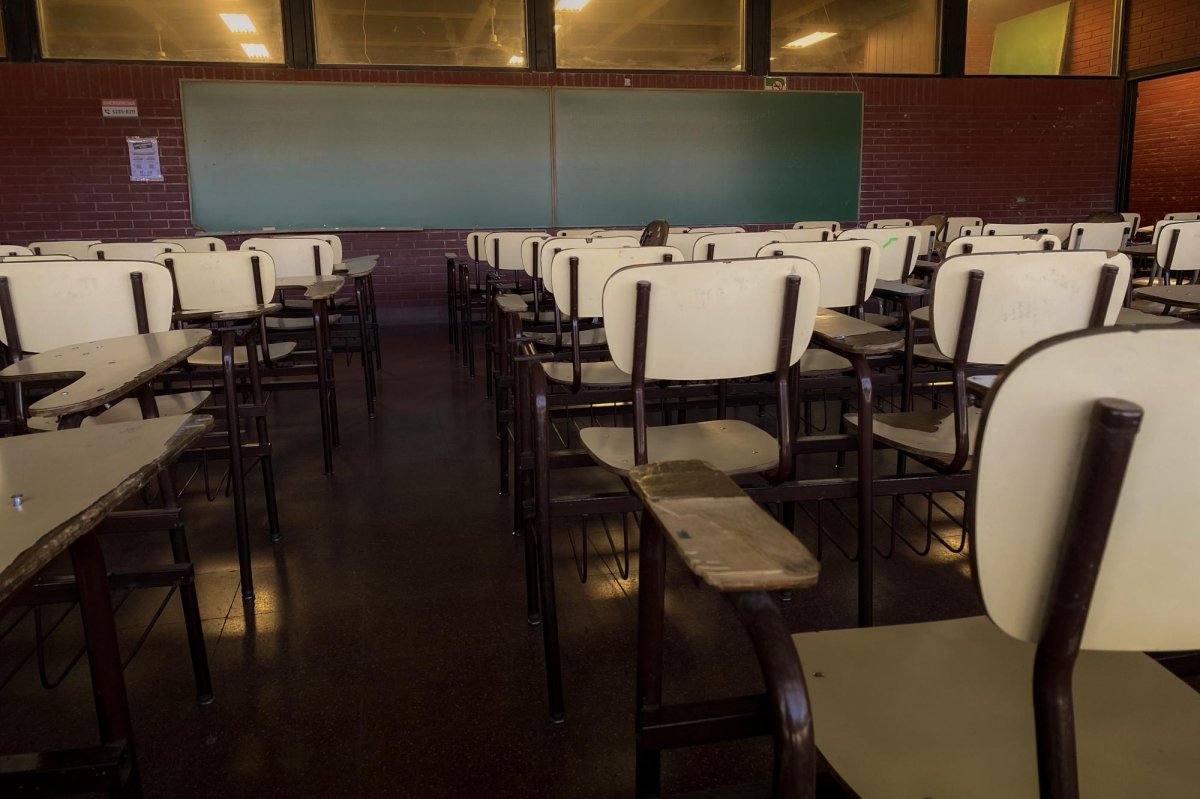
Retrofitting old classrooms with air conditioners, even when necessary to maintain a cool classroom, isn’t always financially possible. File Photo by Pablo Barrera/EPA
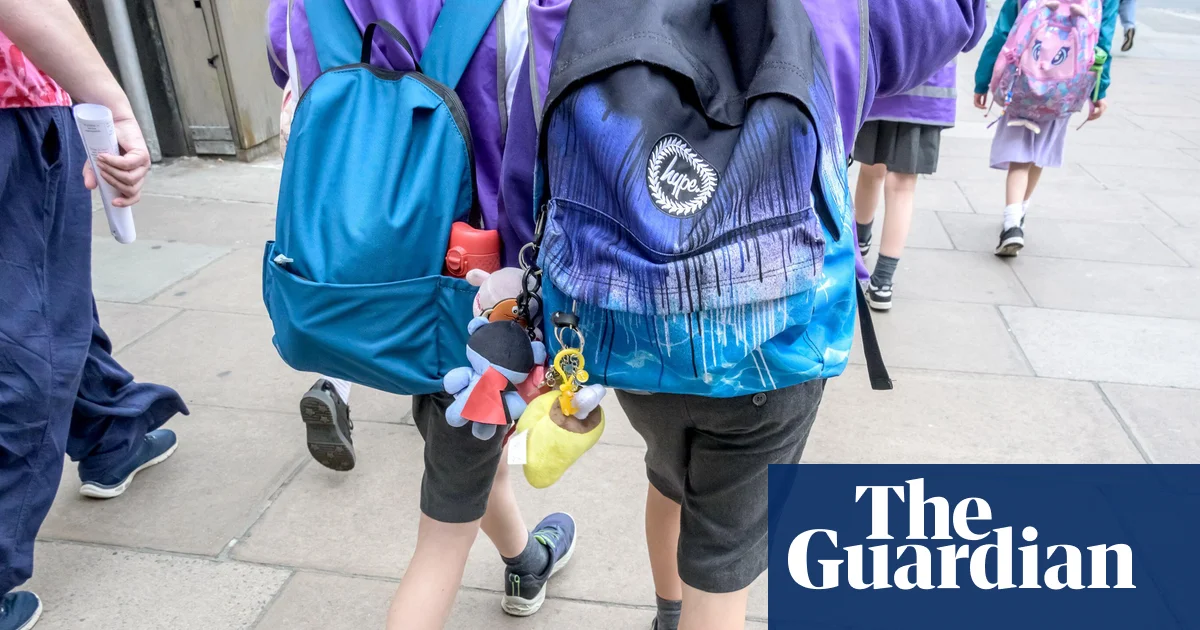
July 27 (UPI) -- As temperatures in Phoenix soared to 117 degrees Fahrenheit, or 47 degrees Celsius, in July 2026, children living there headed outside to walk to and from school, play during recess and suit up for baseball practice.
These routines have long been part of the school day, but with a rising number of school districts in Arizona, as well as across the country, starting their academic year in mid-July or August, kids are spending more time at school during some of the hottest days of the year.
Heat doesn't just affect places like Phoenix, which is well known for its scorching temperatures that don't always drop by much in the evenings.
Many U.S. cities, from Los Angeles to Houston, are oppressively hot when the new school year begins in August or September -- and they are only getting warmer. The increased frequency, intensity and duration of extreme heat has become a common concern across many places in the United States and other countries.