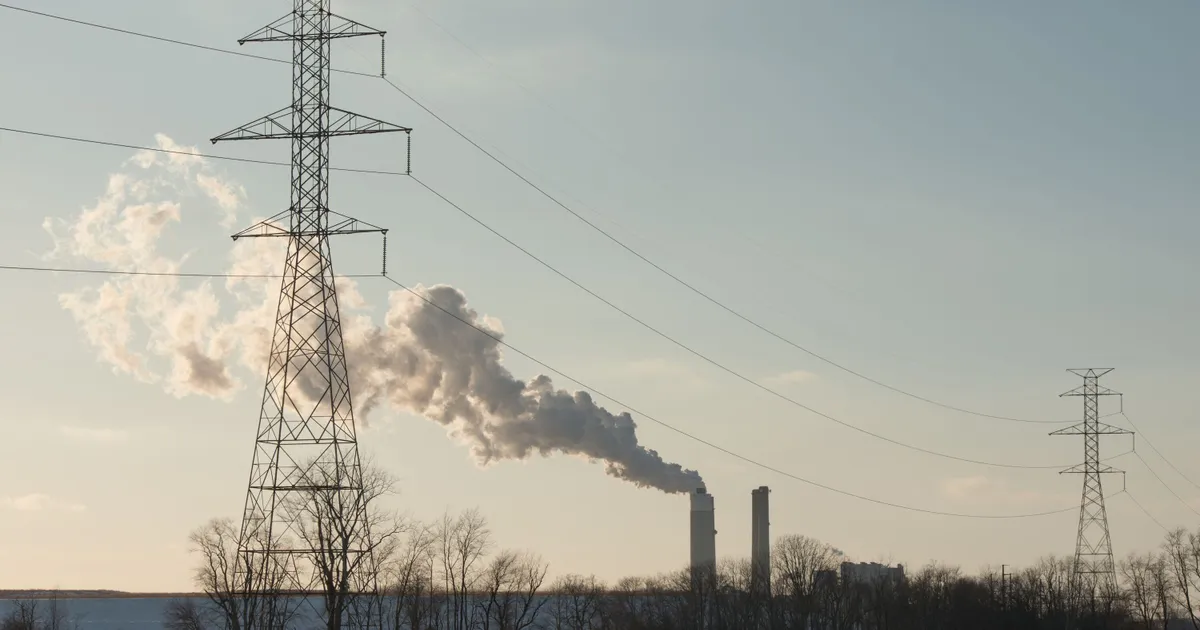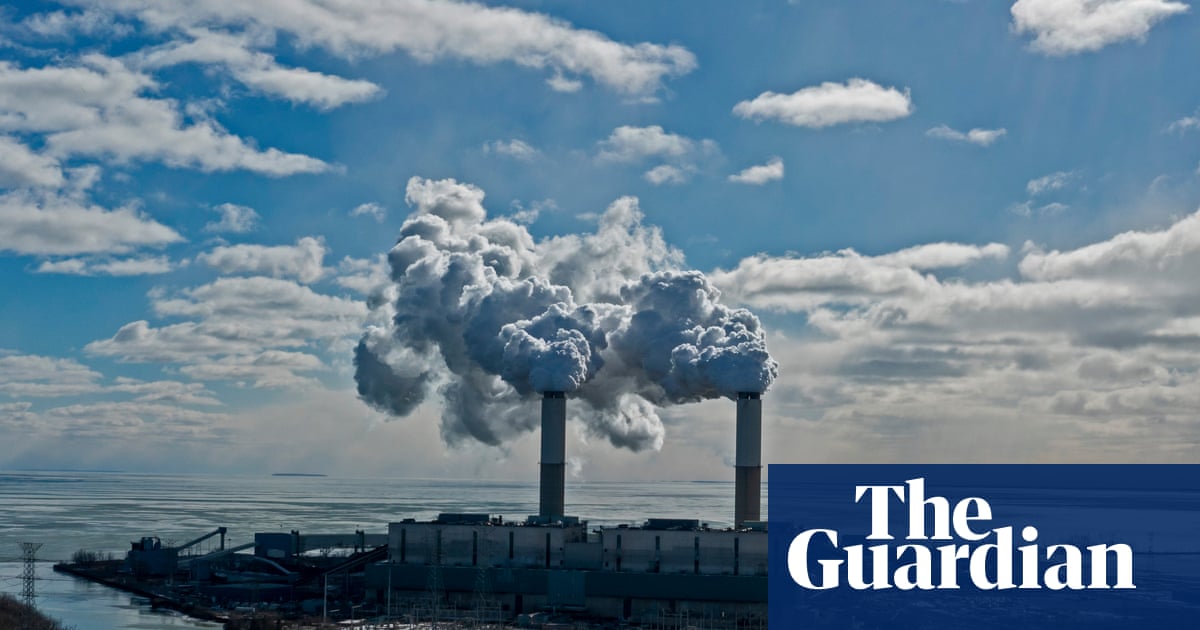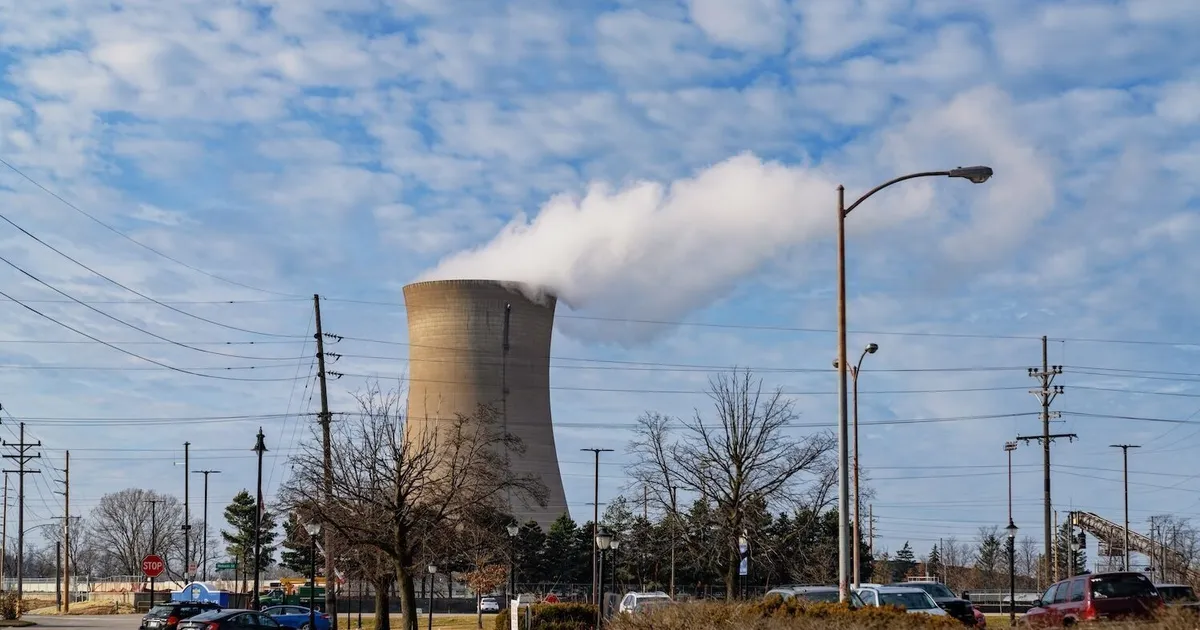
Indiana — a state with a long history of coal mining and coal-fired power — has started undergoing a clean energy transition in recent years. It was among the top three states for solar installation last year, and more than a dozen coal plants have closed since 2010.
But the state government’s eager embrace of data centers and the Trump administration’s deregulation efforts might be shifting the needle back toward coal.
Last year, the U.S. Department of Energy issued emergency orders to keep two Indiana coal plants open, despite the grid operator saying it had an adequate supply of power. And now, two rules proposed by the Environmental Protection Agency could make it easier for aging coal plants to keep running.
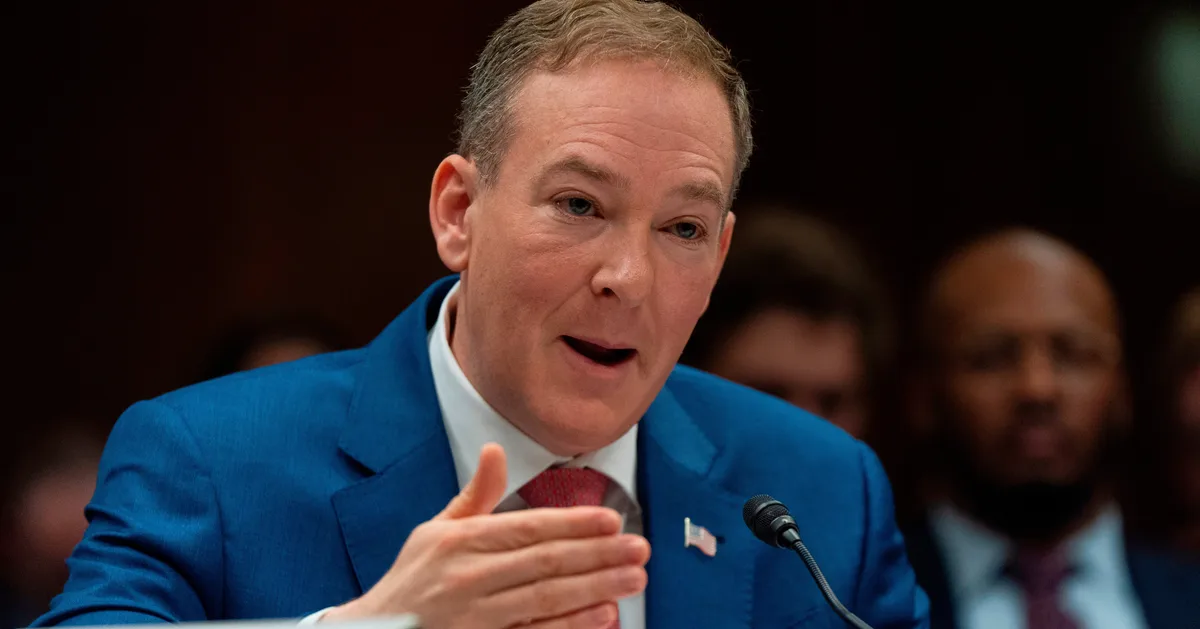
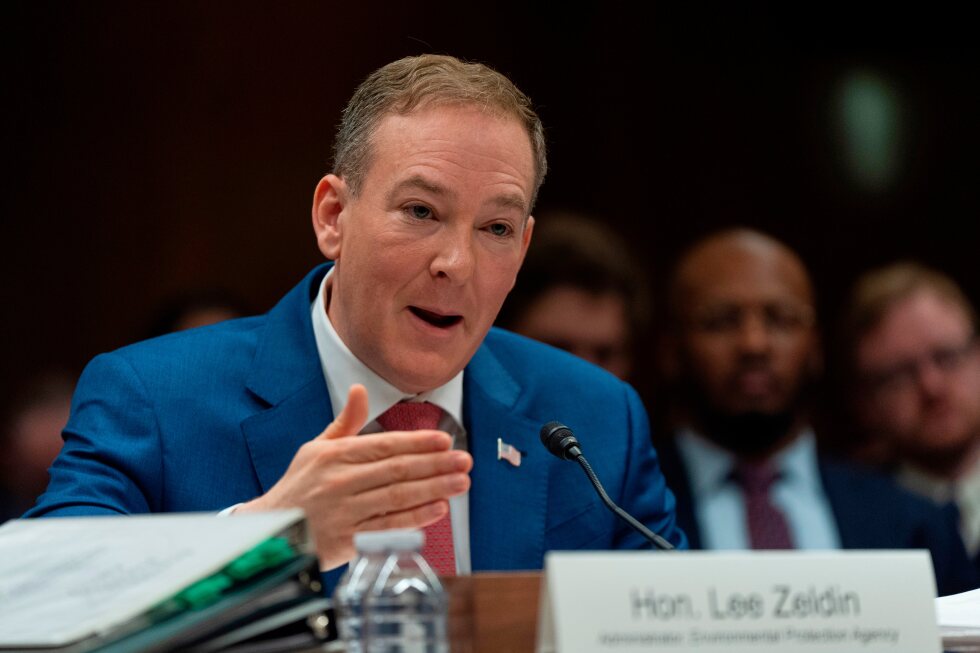
On April 9, the EPA proposed a major rollback of regulations governing coal ash, which can contain heavy metals such as arsenic, lead, and mercury. The change would affect dozens of sites at more than 20 plants in Indiana, including areas where coal ash was dumped or scattered in decades past, as well as landfills and ponds holding ash.
Then on May 14, the EPA moved to gut Clean Water Act regulations requiring toxins to be removed from wastewater seeping out of coal ash repositories.