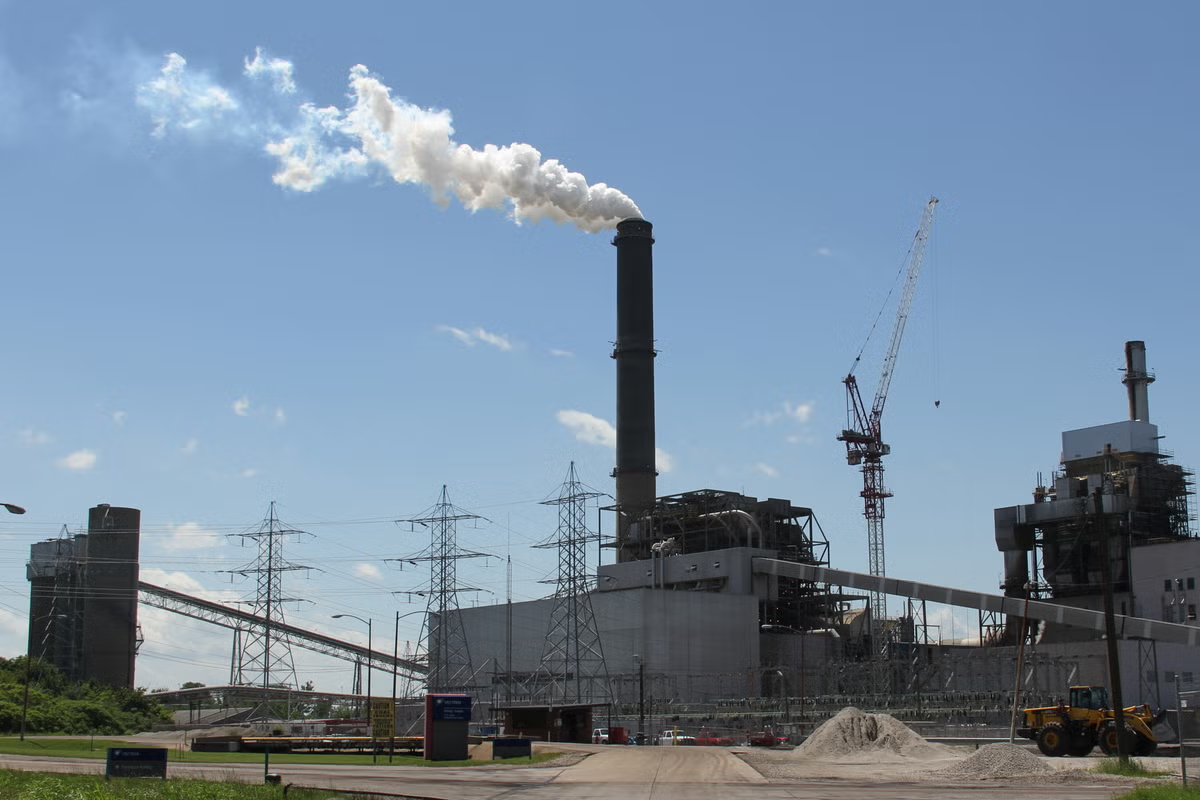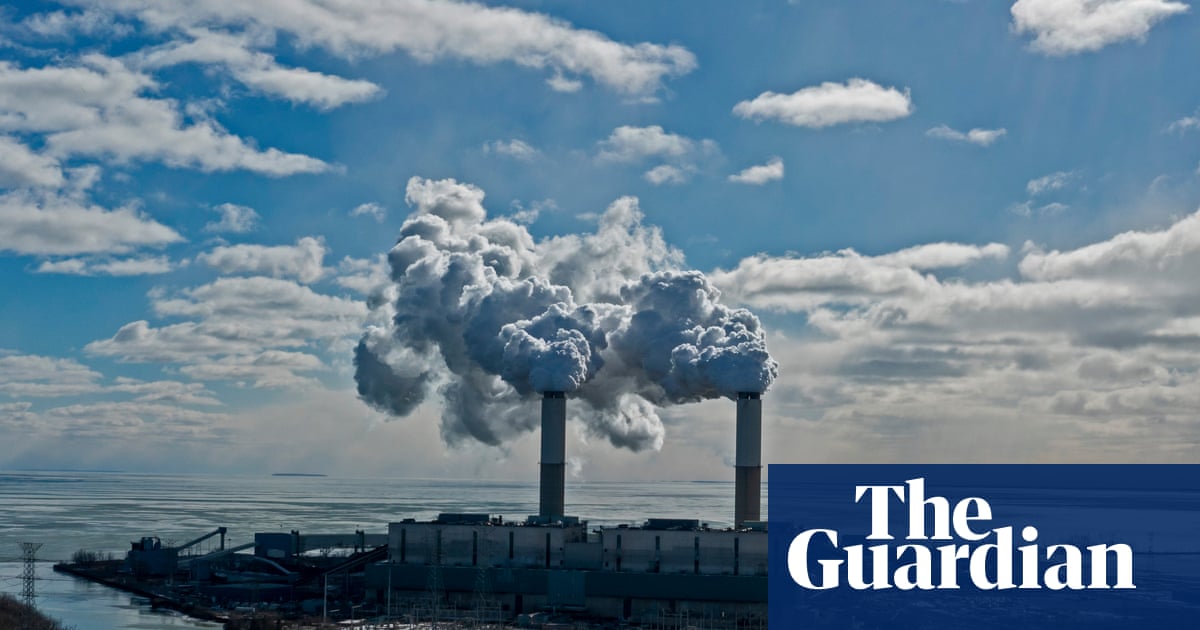
One plant produces more arsenic pollution than any other in US, and the other has been slated for closure since 2021
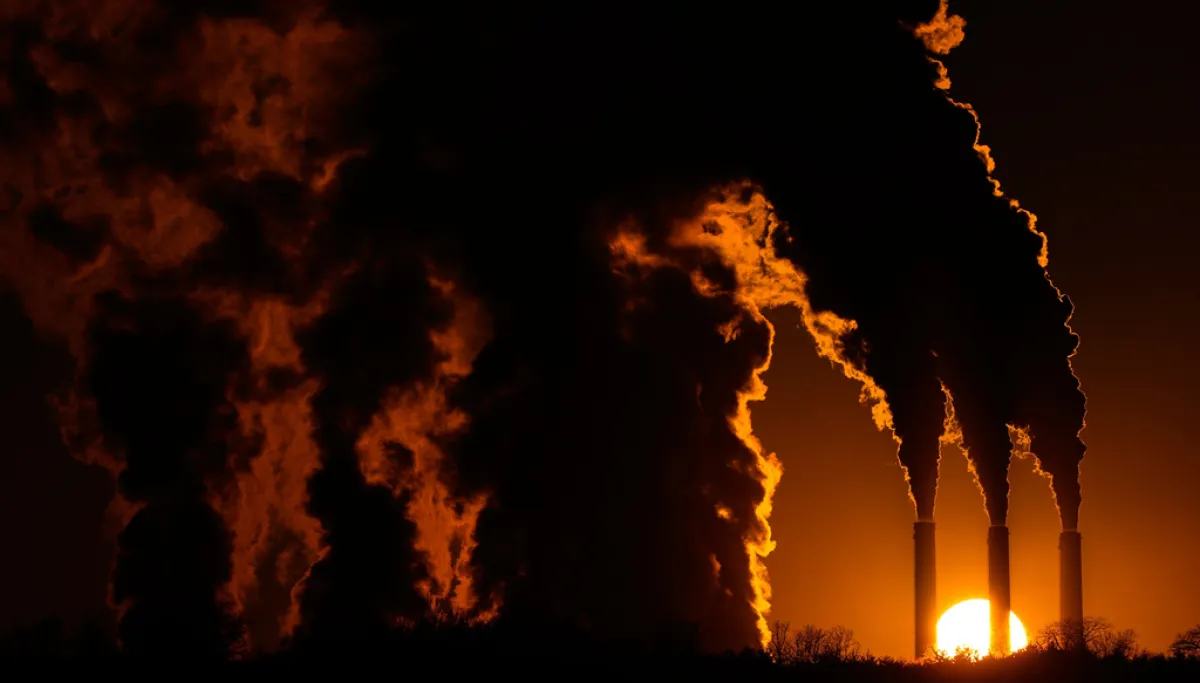
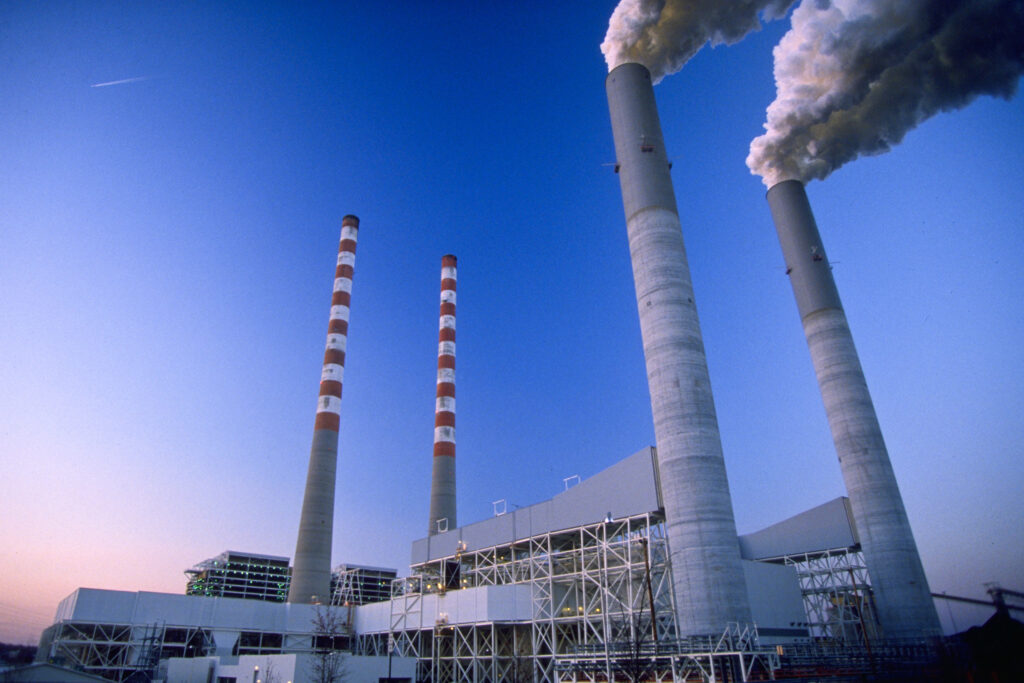
The Trump administration is moving to keep open two Michigan coal plants that emit about 45% of the state’s greenhouse gas pollution, which opponents say is an indication of how the US president plans to wield his controversial national energy emergency executive order.
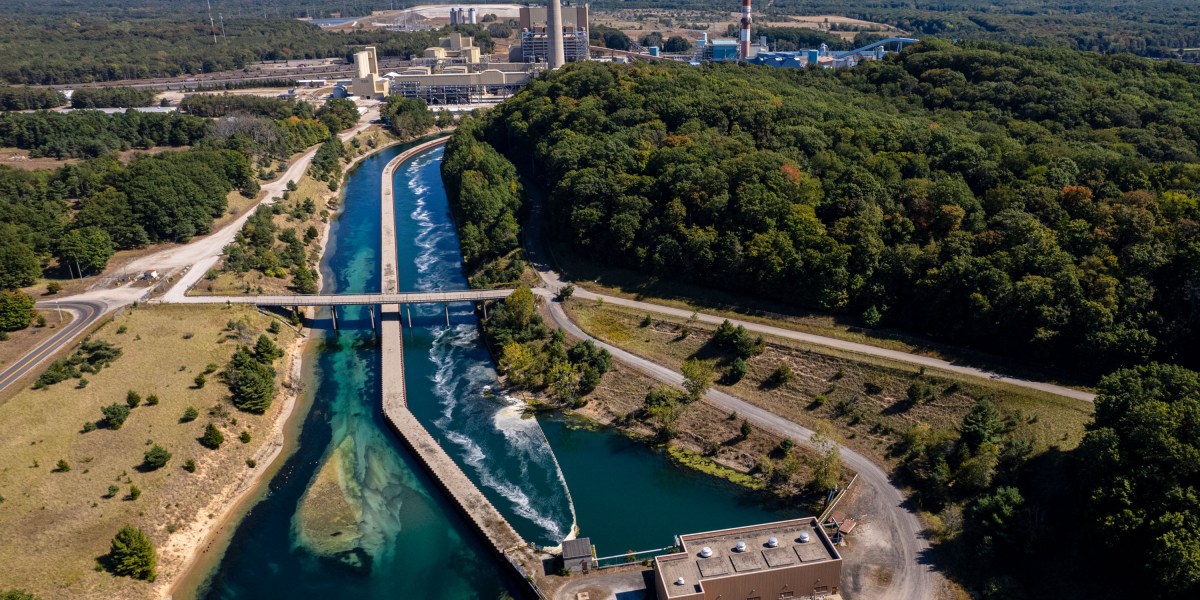
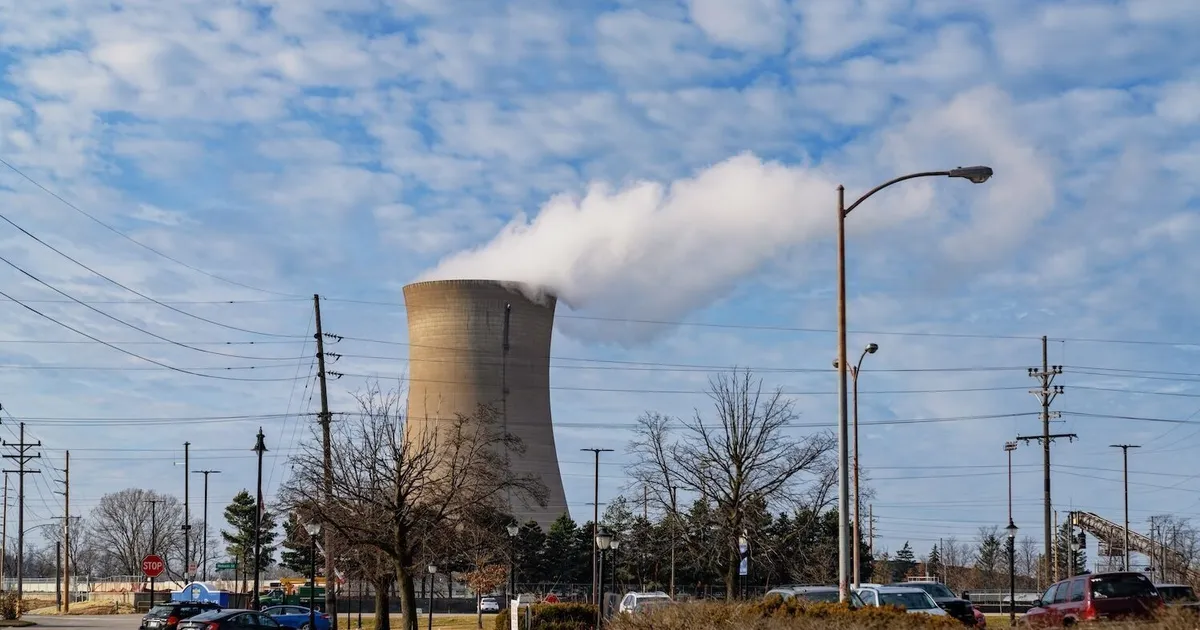
Already, the US Department of Energy (DoE) has ordered the JH Campbell coal plant on Lake Michigan to remain open beyond its 31 May closure date, while the administration is expected to prolong the life of the Monroe power plant on Lake Erie, currently scheduled to begin closing in 2028.
Opponents say the order has little support in Michigan, could cost ratepayers hundreds of millions of dollars, and is ideologically driven. The state’s utilities have said they did not ask for the plants to stay online, and the Trump administration did not communicate with stakeholders before the order, a spokesperson for the Michigan public service commission (MPSC), which regulates utilities and manages the state’s grid, told the Guardian.
“The unnecessary recent order … will increase the cost of power for homes and businesses in Michigan and across the midwest,” the chair of the MPSC, Dan Scripps, said in a statement. “We currently produce more energy in Michigan than needed. As a result, there is no existing energy emergency in either Michigan or [the regional US grid].”