EPA found only 27 of 219 plants needed upgrades; 71 later got exemptions as Donald Trump scrapped mercury limits
Almost all coal-fired power plants in the US had the ability to comply with rules limiting their emission of dangerous pollutants such as mercury that can cause brain damage in children. Despite this, Donald Trump’s administration decided to demolish the standards anyway.
Last week, the Trump administration said it is loosening restrictions on air toxins from mercury, lead and other heavy metals that are released by coal plants. Such pollution is known to be neurotoxic and has been linked to irreversible brain damage in children and infants, as well as heart disease and cancer in adults.
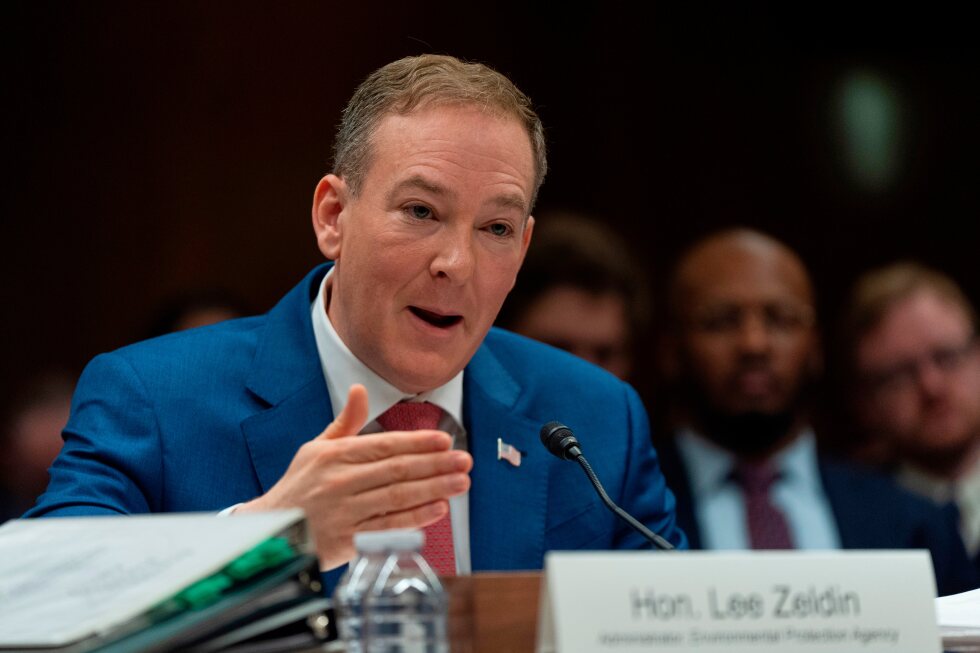
Stricter limits were placed on mercury, lead and arsenic pollution in 2024 under Joe Biden’s administration, updating the Mercury and Air Toxics Standards (Mats) first enacted in 2012, but have now been ditched by Trump. The pollution cuts “would have destroyed reliable American energy”, said Lee Zeldin, administrator of the Environmental Protection Agency.
However, the EPA’s own previous analysis shows that only 27 coal plants across the US, out of around 219 total coal facilities, would have to adopt any sort of technological upgrade, such as filters in their smokestacks, to meet the stronger standards.