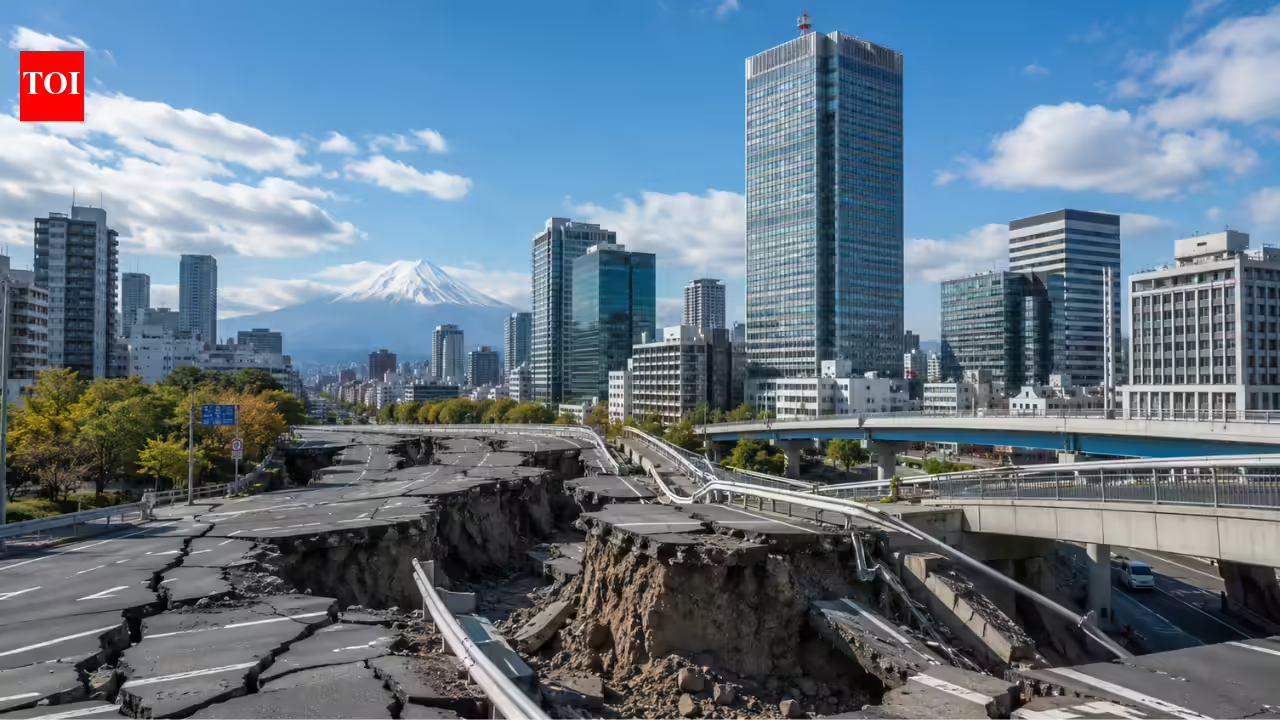
Almost no other country in the world is rocked by such frequent and damaging earthquakes as Japan – an island nation that sits on the boundary of four tectonic plates, the constantly-shifting slabs of the Earth’s crust.
It also lies on the “Ring of Fire,” a 25,000-mile arc that stretches around the Pacific, where the world’s most active volcanoes are located – and the most earthquakes take place.
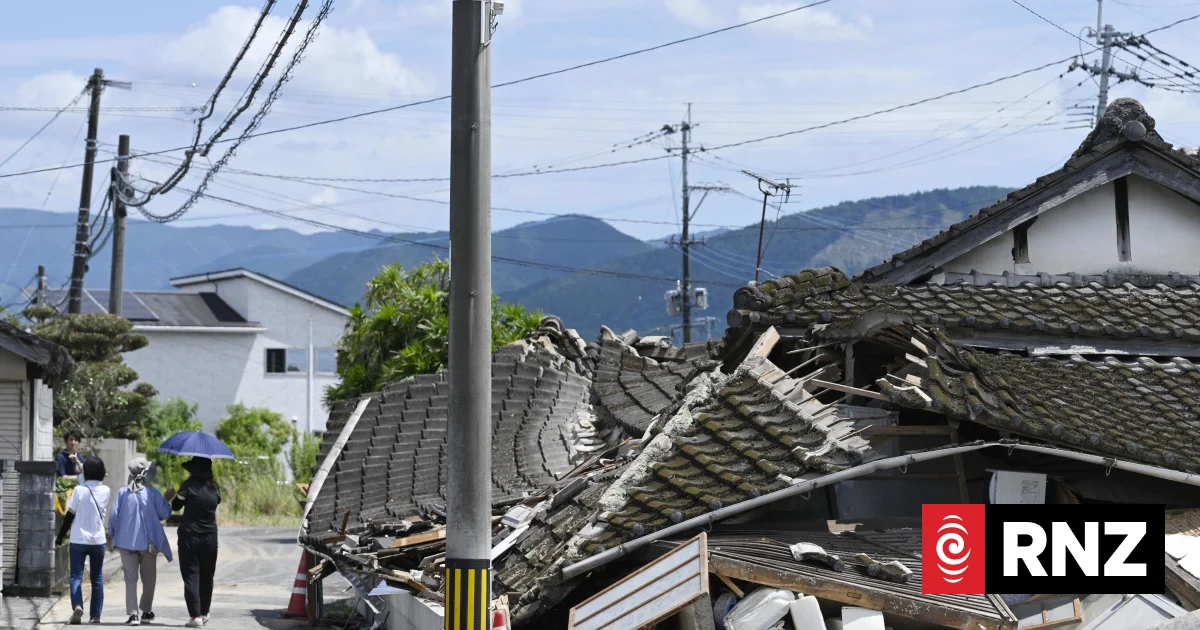
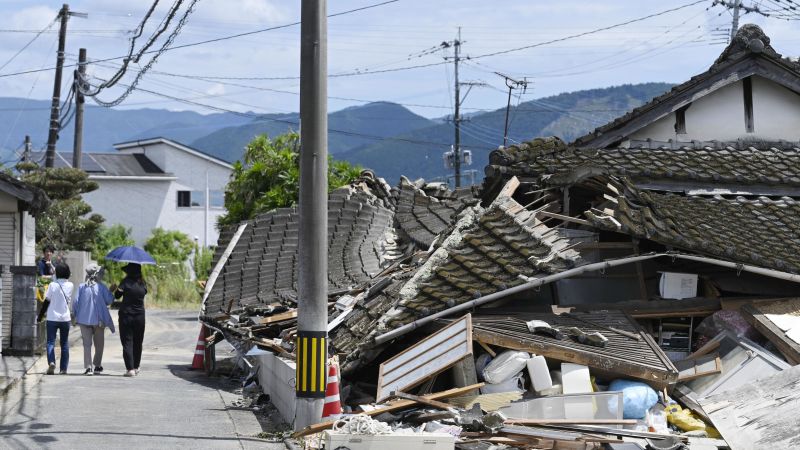
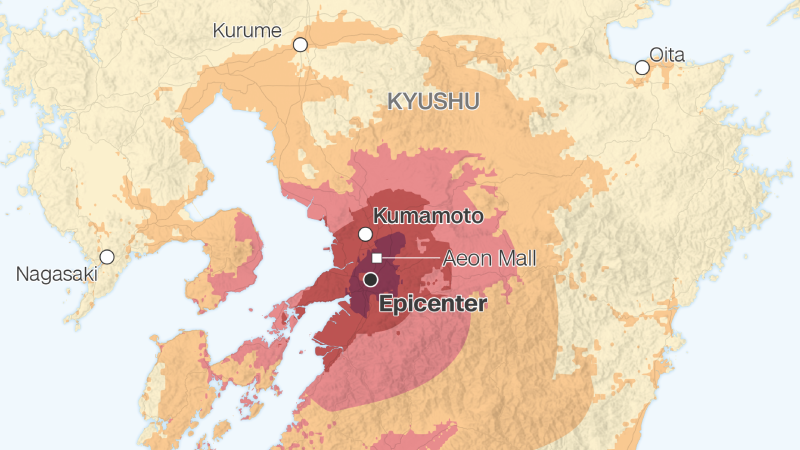
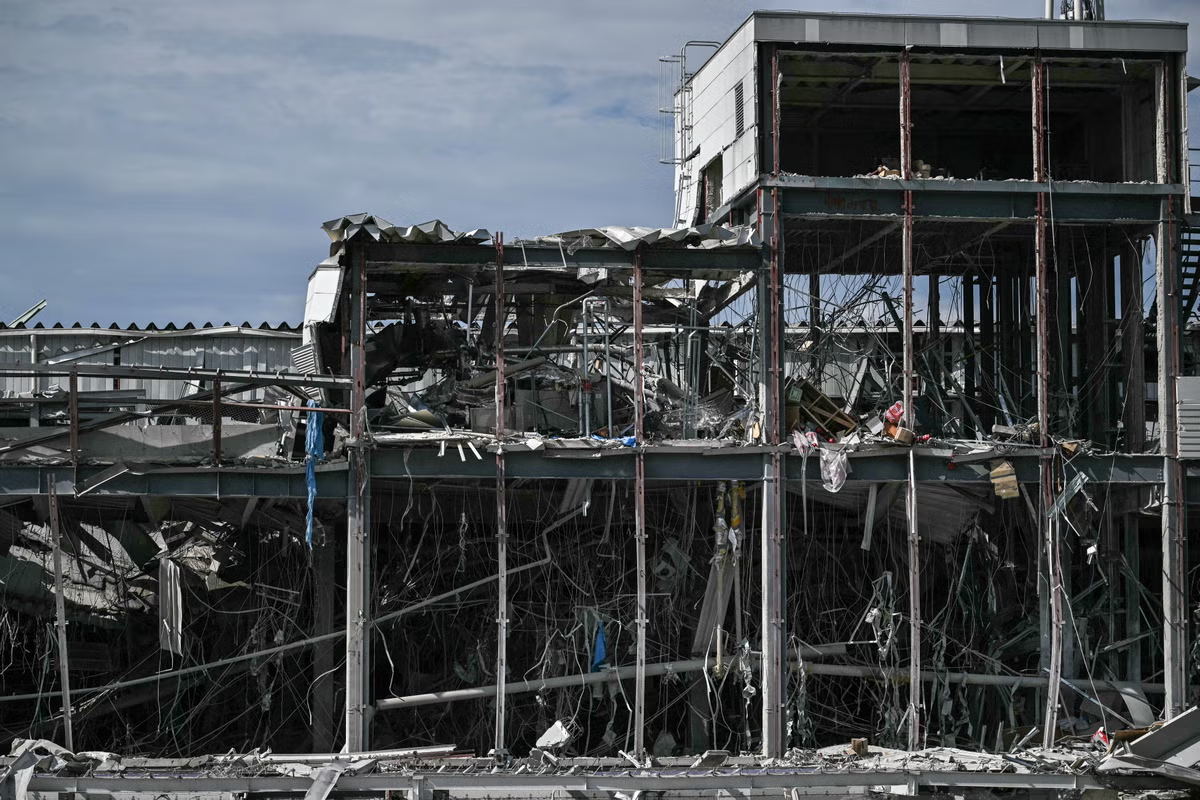
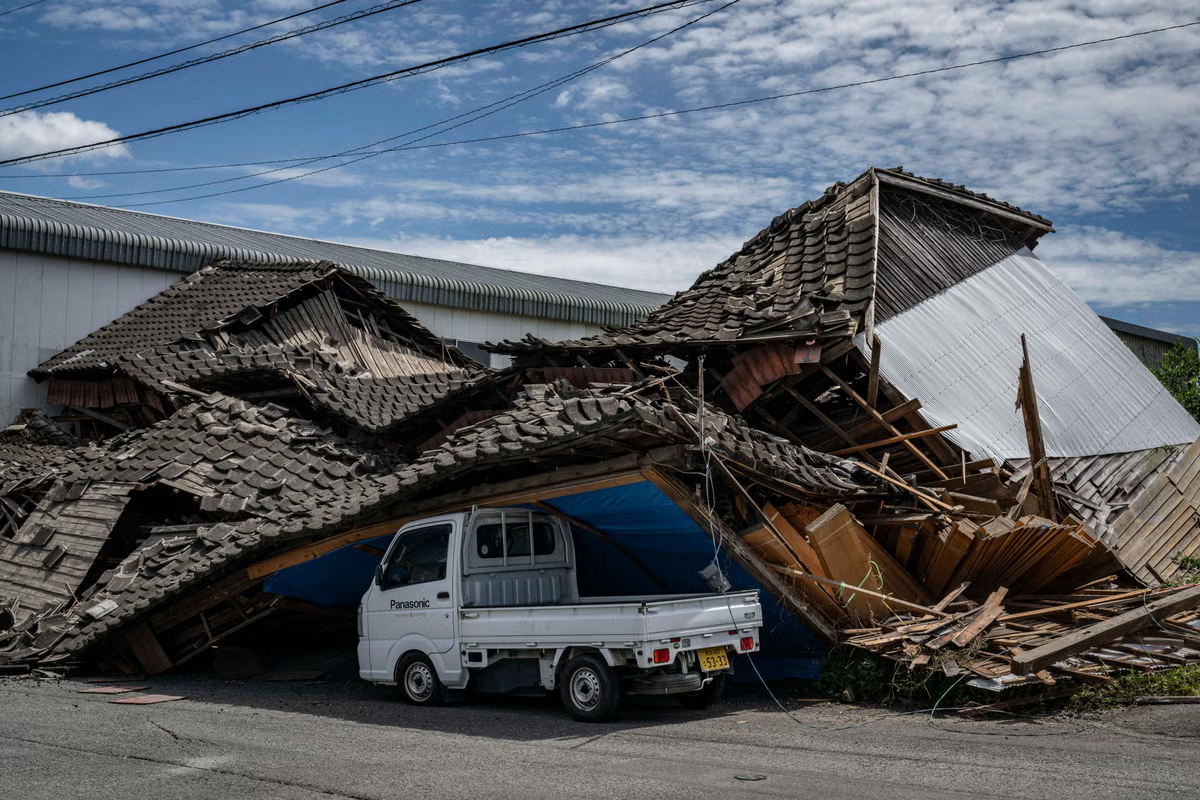
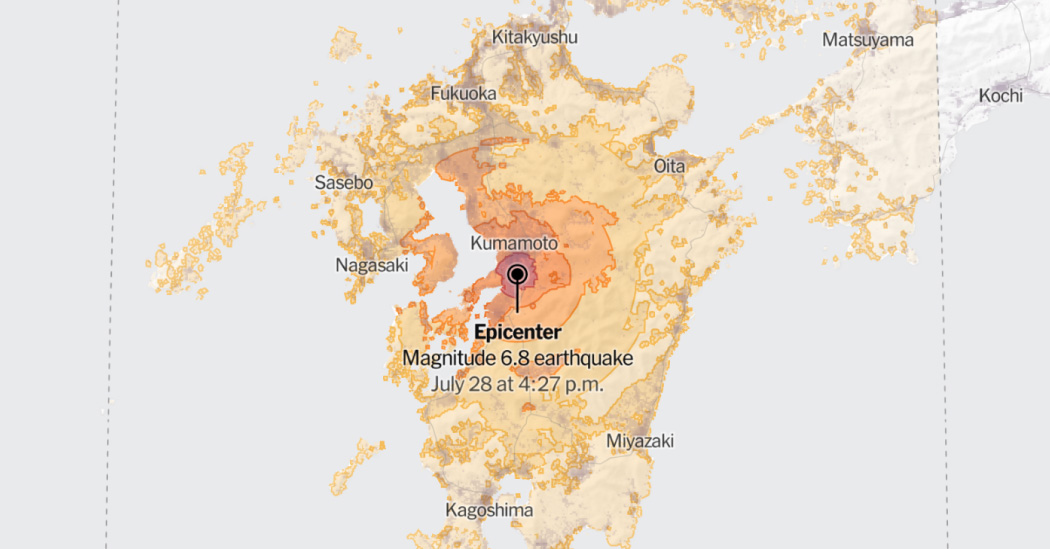
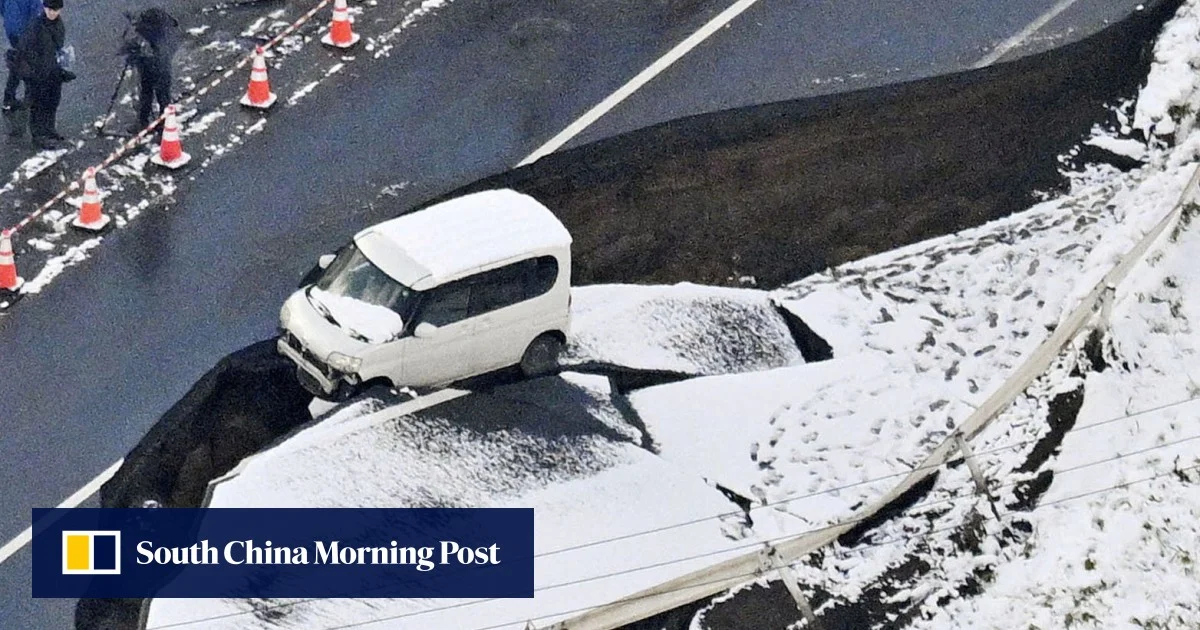
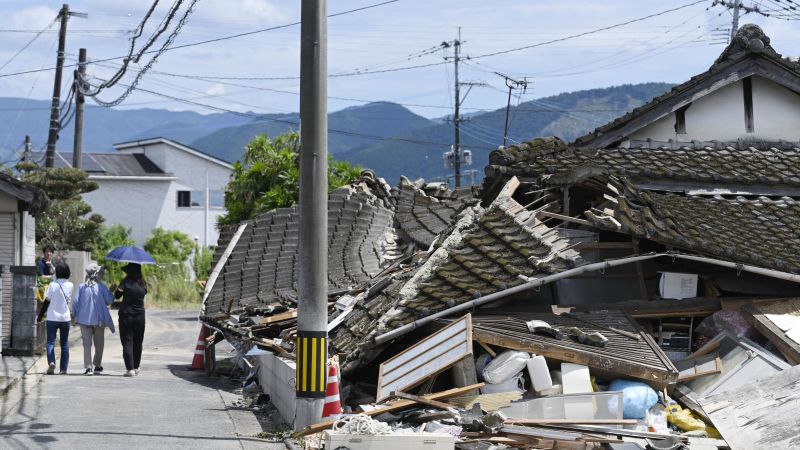
The impact of these quakes was on full display this week after a deadly 6.8-magnitude earthquake hit Japan’s southern Kumamoto prefecture, prompting thousands of emergency responders to mobilize in search, rescue and relief efforts.
But Japan is well-prepared for disasters like these, having invested billions of dollars into cutting-edge quake detection technology, response and evacuation systems, and quake-proof infrastructure.
For residents, quakes are a regular part of life – children start practicing earthquake and evacuation drills from kindergarten. But the threat looms large in the public imagination, especially with the government regularly warning that Japan could eventually see a once-in-a-century “megathrust earthquake.”