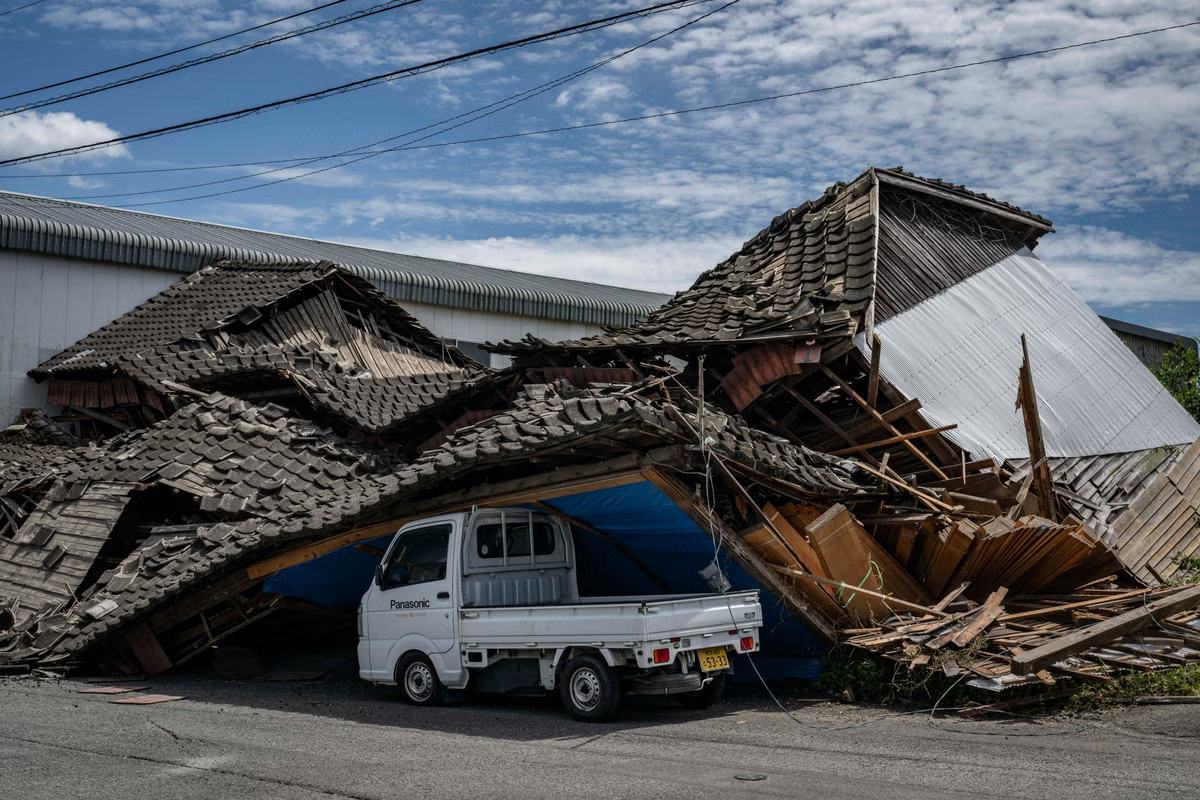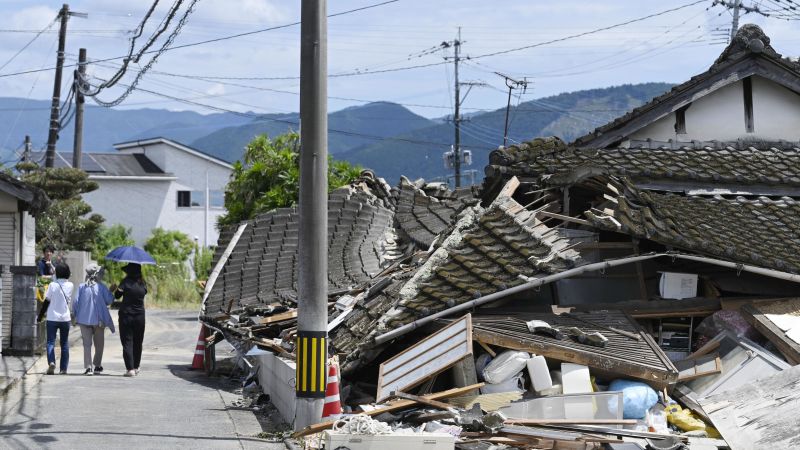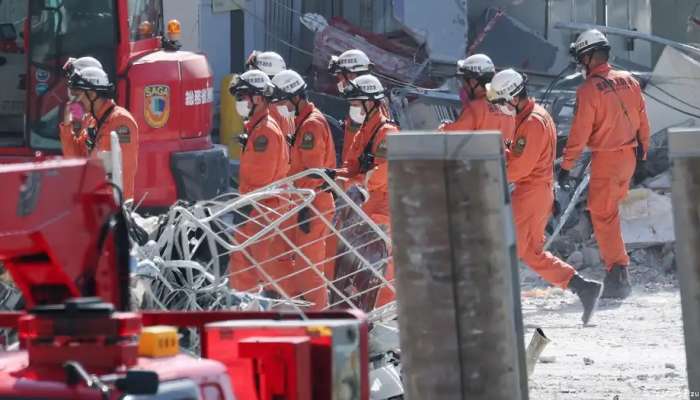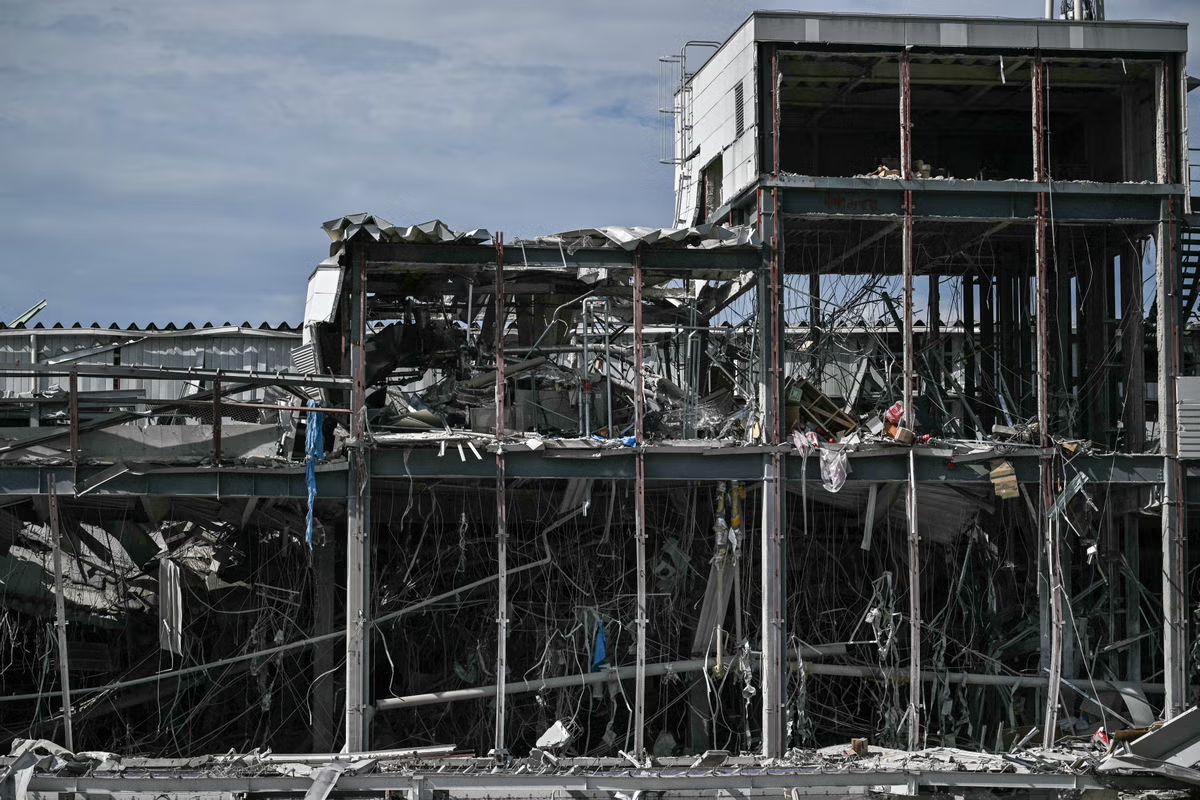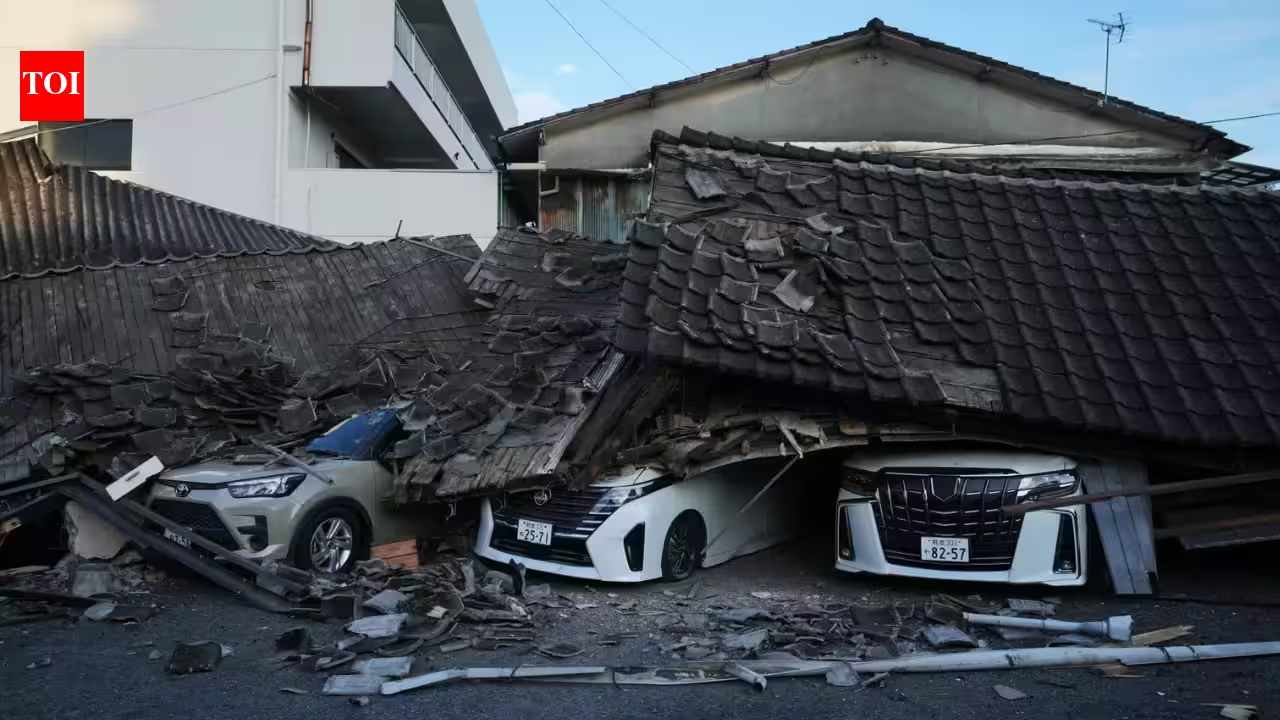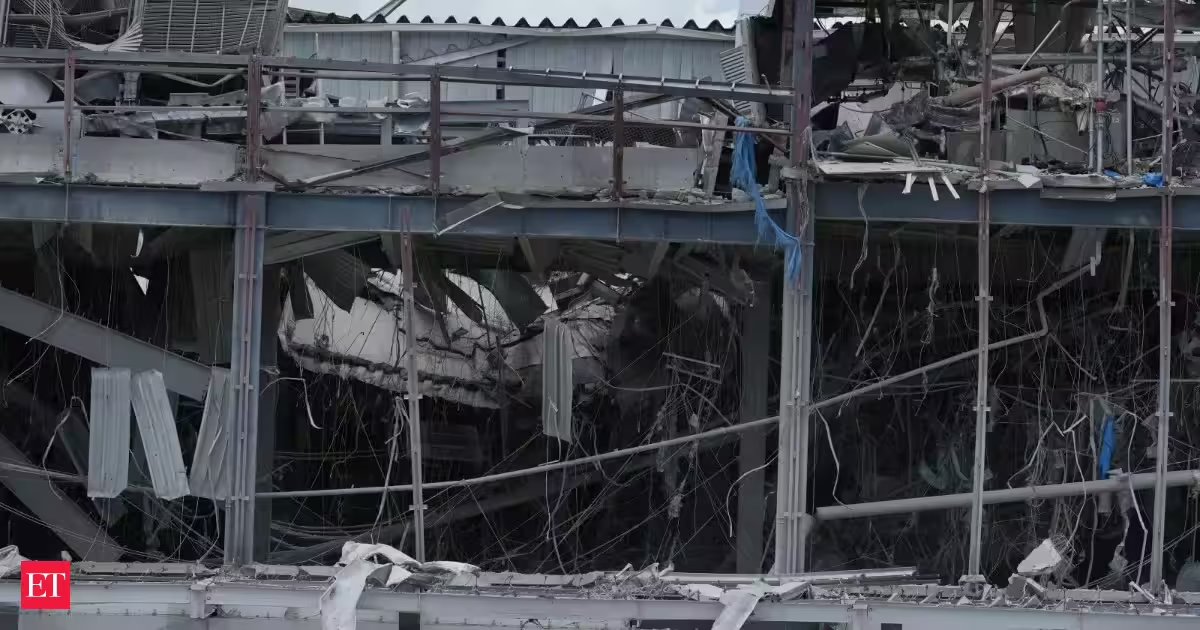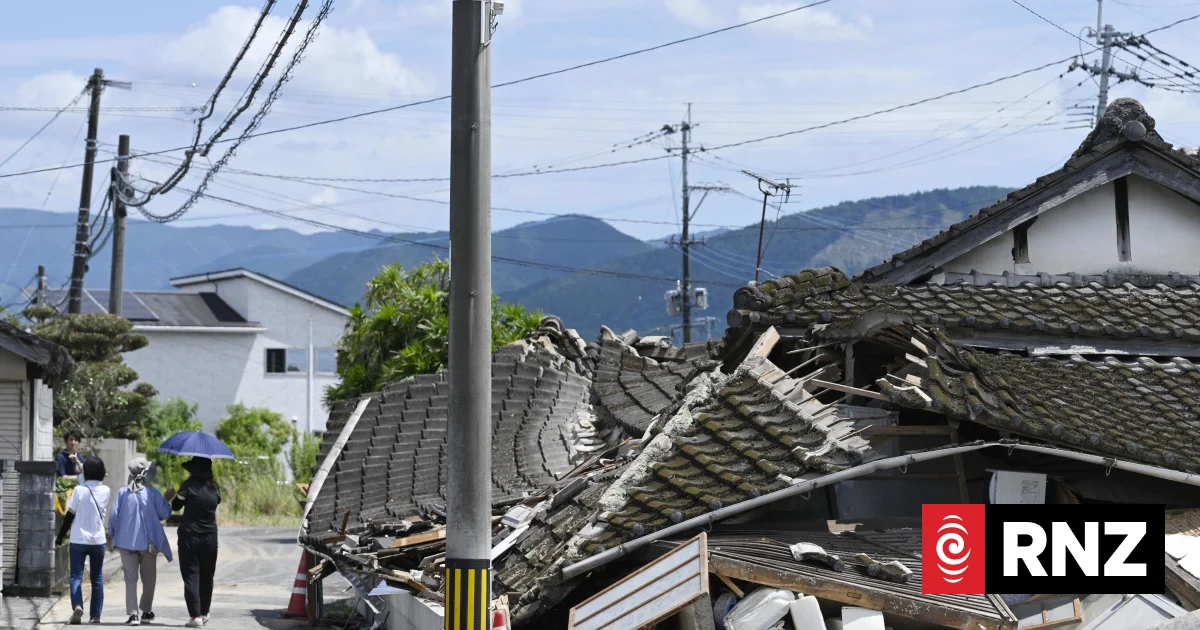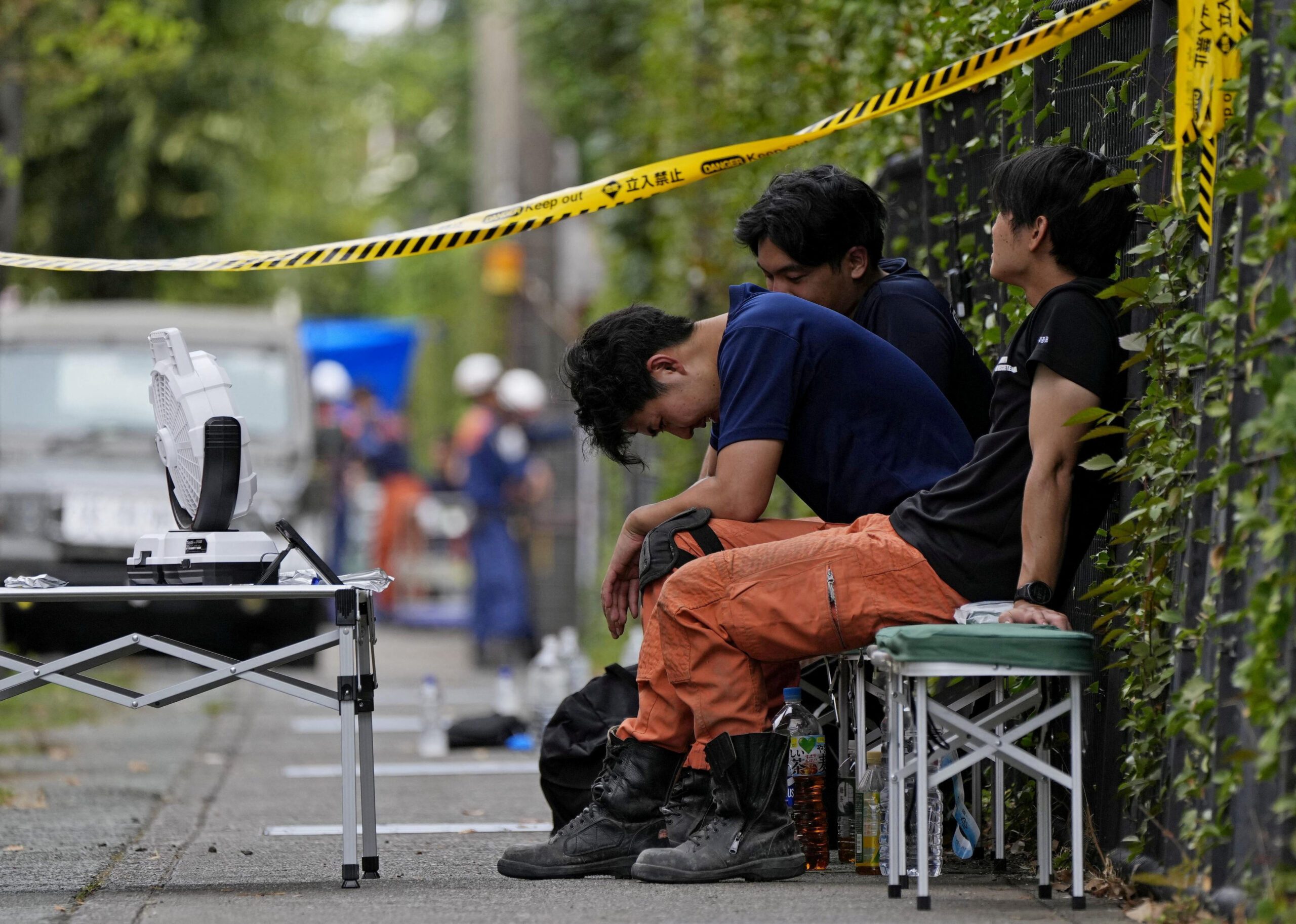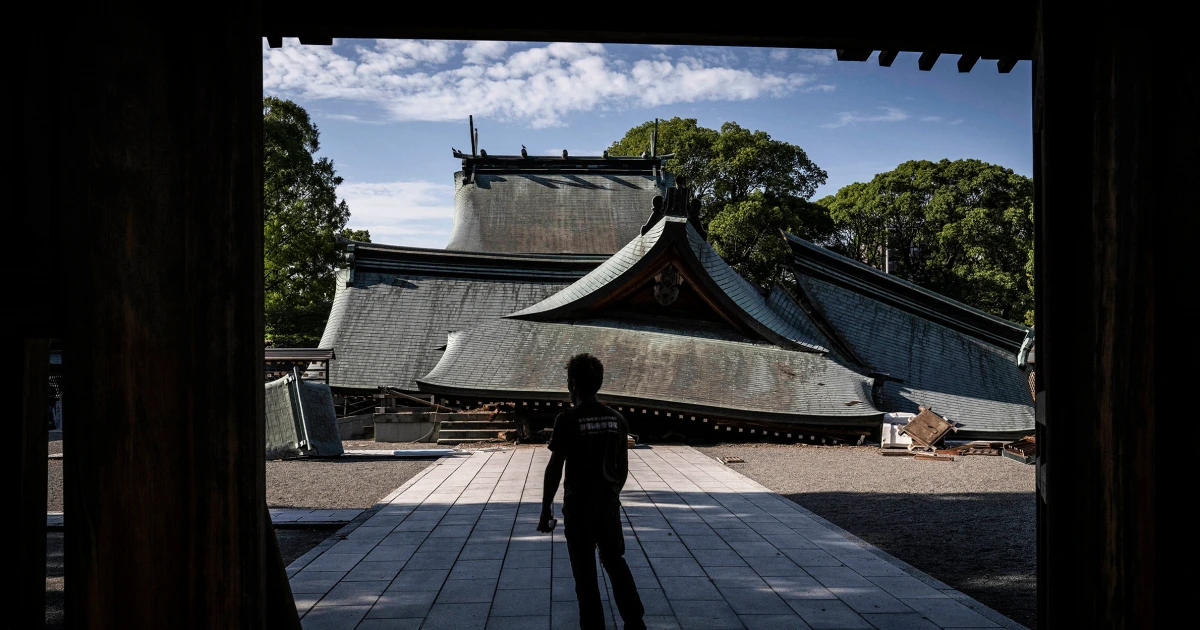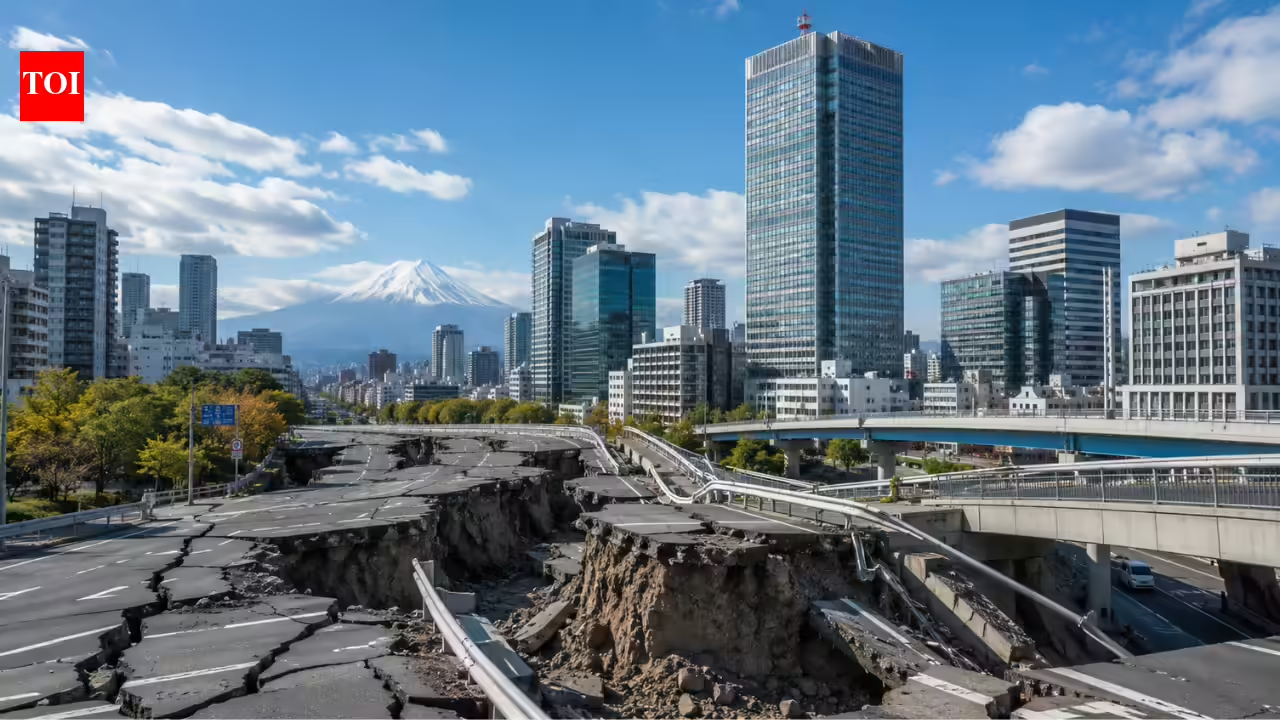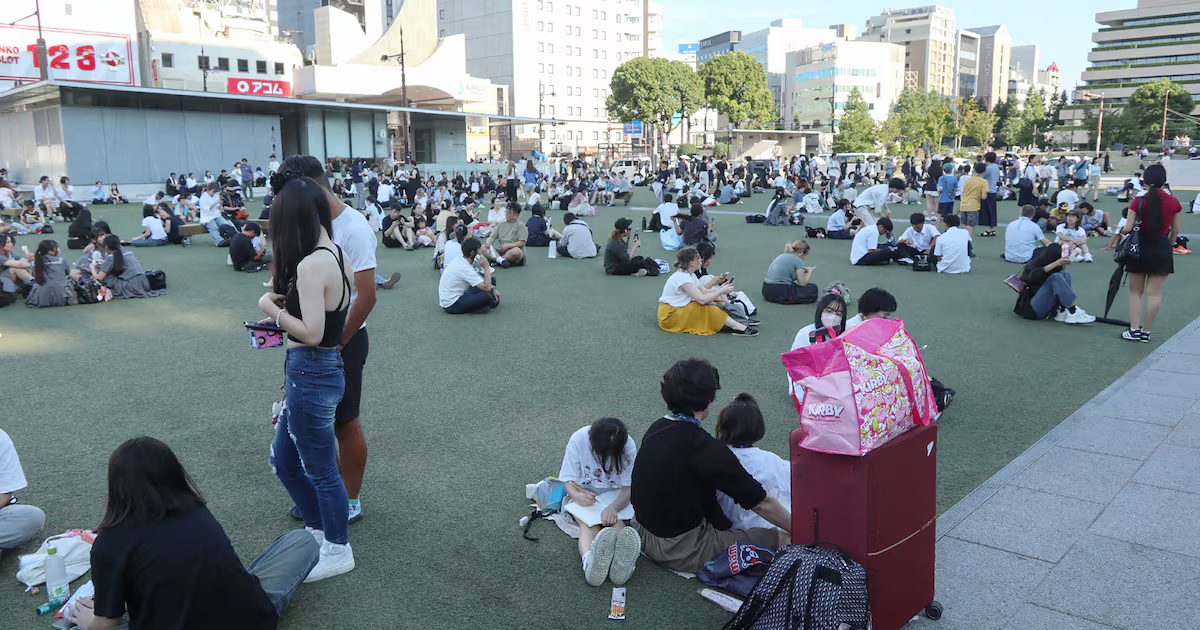
Tuesday’s powerful earthquake in Japan caused widespread destruction, with buildings collapsing and transport disrupted. Rescue efforts are still under way. Yet despite its severity, the death toll could have been far higher.The “Ring of Fire”, a horseshoe-shaped zone around the Pacific Ocean marked by sliding and colliding tectonic plates, accounts for 90 per cent of the world’s earthquakes. Japan sits right on top of it. Millions of Japanese people must live with the possibility of the ground giving away beneath their feet.Japan is haunted by natural disasters, including the March 2011 quake and tsunami in its northeast that took more than 18,500 lives. Yet scientists still cannot accurately forecast the time and place of a quake. What they increasingly can do is reduce the deadly effect of such disasters. Japan has the tightest building codes in the world and its innovative quake-proofing has dramatically reduced loss of life. While the Kyushu disaster on Tuesday was horrific, the death toll is likely to be far smaller than those from recent quakes in Venezuela or the Philippines where many people were crushed under toppled buildings.Reporters watch the news showing a large quake and possible one-metre tsunami wave in southern Japan. Photograph: Andrew Caballero-Reynolds/Getty All buildings constructed in Japan after 1981 must be able to withstand collapse in an earthquake with an impact on the Japanese seismic scale of upper six or higher. The regulations were strengthened again after the 6.8-magnitude quake that killed 6,400 people when it struck the city of Kobe in 1995.The impact of these codes is evident after each quake. In Kyushu, many traditional wooden homes, with their heavy clay-tiled roofs, collapsed along with old Buddhist temples and Shinto shrines. But newer houses remained remarkably unscathed, like new teeth in otherwise rotten dentures. A shopping mall in Kumamoto built in 2005 appears to have been destroyed by a gas explosion. One of the more striking features of the central Tokyo skyline in the last few decades has been the clutch of once-unthinkable skyscrapers that has sprouted up. Much of the city was flattened in a quake in 1923. Tall buildings today are built on rubber bearings or springs that allow them to move with the earth rather than against it. About a fifth of buildings across Japan predate 1981, however, which is partly why the older the property in Japan the cheaper it tends to be. But houses have a far shorter lifespan than in, say, Ireland, and are typically rebuilt every 40 years. The race is on to replace these older constructions.Replacing the pre-1981 structures requires tax incentives and subsidies for poorer folks, says Robert Geller, a renowned Japan-based seismologist. There is plenty of room for improvement after the Big One hits, he says. A perennial issue is the comparative lack of feminine products for women in evacuation centres. “But we’re going in the right direction,” he says. “Other countries should also do that, but they should also note the shortcomings and try to do better. Resources are required and there are always going to be lots of competing demands, so whatever is done in any nation will also be a compromise between what’s ideal and what’s possible.”Many experts are convinced that a large quake could hit Tokyo, one of the world’s most crowded cities, and the Tokai region, along the Pacific coast southwest of Tokyo. The stakes for the country could hardly be much higher.
Japan’s earthquake death toll could have been far higher. Here is why it was not
Strict building codes, innovation and learning from past disasters make the country an earthquake-resilient society
568 words~3 min read