This content was published on
July 29, 2026 - 08:40
4 minutes
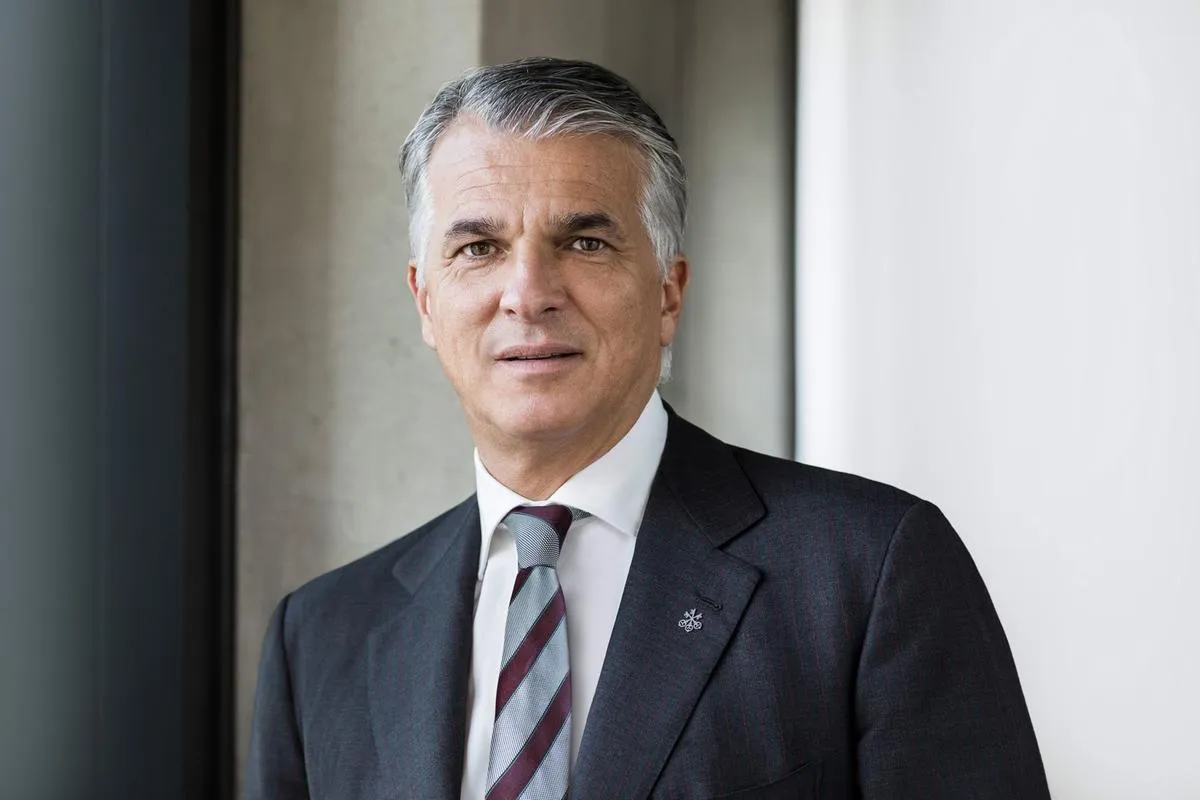
(Bloomberg) — UBS Group AG announced a new $3 billion share buyback program, aided by a quarter in which wealth management assets beat estimates and trading revenue surged.The repurchase program, following a $3 billion plan completed this month, will start with at least $1 billion of buybacks over the next three months, and run until the second quarter of next year, the Zurich-based bank said Wednesday. UBS posted net income of $2.8 billion for the second quarter, higher than forecast.UBS benefited in the period from trading activity that brought a record windfall to Wall Street peers, as geopolitical tension and the AI boom continue. Robust earnings over successive quarters are helping UBS offset the effect on its share price of Switzerland’s capital debate which could see the bank forced to maintain billions of dollars in extra equity.In its outlook, UBS sounded caution for the upcoming quarter against the backdrop of ongoing conflict in the Middle East and volatile energy prices. At the same time, client activity remains “healthy,” it said.US investment banks pulled in a record second-quarter haul of $47 billion, fueled by the Iran war and subsequent market volatility and oil-price swings. Barclays Plc’s investment bank posted a 32% gain in fees and underwriting revenue in the quarter, while Deutsche Bank fixed-income traders outperformed most US peers.UBS shares were indicated up 1.1% in pre-market trading by Julius Baer. The stock hit record highs in mid-July, though gains have still lagged European peers.Net new money at the key Global Wealth Management division came in at $36 billion, compared with analyst estimates for $21 billion. Revenues at the investment bank jumped 26% driven by both trading and advisory, UBS said. Revenue from helping firms raise equity and sell debt jumped 55%, while equities traders posted a 53% gain.In its Americas wealth business, UBS posted net inflows of $1 billion, even after a $10 billion outflow related to the tax season in the US. UBS has been trying to boost its US business for years and recently received the green light for a full-blown US bank license.“UBS reported a strong set of results, not unexpected post peer results,” said Anke Reingen, co-head of financials research at RBC Capital Markets in London. “The top line benefited from supportive markets and operating leverage meant a large part went through to profits.”The bank reported further progress in integrating Credit Suisse, which it bought in a government-backed rescue in 2023.“We are getting almost at the end of the tunnel,”UBS Chief Executive Officer Sergio Ermotti said in a Bloomberg TV interview Wednesday. “Three years ago, we reported our first consolidated numbers post the acquisition of Credit Suisse and now we’re seeing the results of all the hard work.”UBS published a 28-page document setting out arguments relating to the Swiss capital debate which is working its way through the political system. The takeover has prompted a government call for more capital on account of UBS’s greater size and complexity.What Bloomberg Intelligence SaysUBS’ strong underlying 2Q earnings momentum looks sustainable into 2027, lifted by a 53% surge in equity-trading revenue and 16% group revenue growth, and could move full-year estimates 1-2% higher after management confirmed all financial goals. A new $3 billion buyback confirms capital-return capacity— Philip Richards and Uzair Kundi, Bloomberg IntelligenceThe government wants to force UBS to raise the amount of common equity capital it holds domestically against its foreign operations to 100% of each unit’s equity value, from 60% at present. UBS estimates that this would require it to add about $22 billion in CET1 capital, and argues that would hurt its competitiveness.Earlier this month UBS took aim at the Swiss National Bank, contesting officials’ claim that UBS already can absorb the impact of the new regulations.In late April, the government watered down part of the reforms but refused to back down on its core demands. The package is now being debated in parliament and the process is expected to last until next year.–With assistance from Isabel Demetz, Levin Stamm and Macarena Muñoz.(Updates with analyst comment, further details throughout)©2026 Bloomberg L.P.