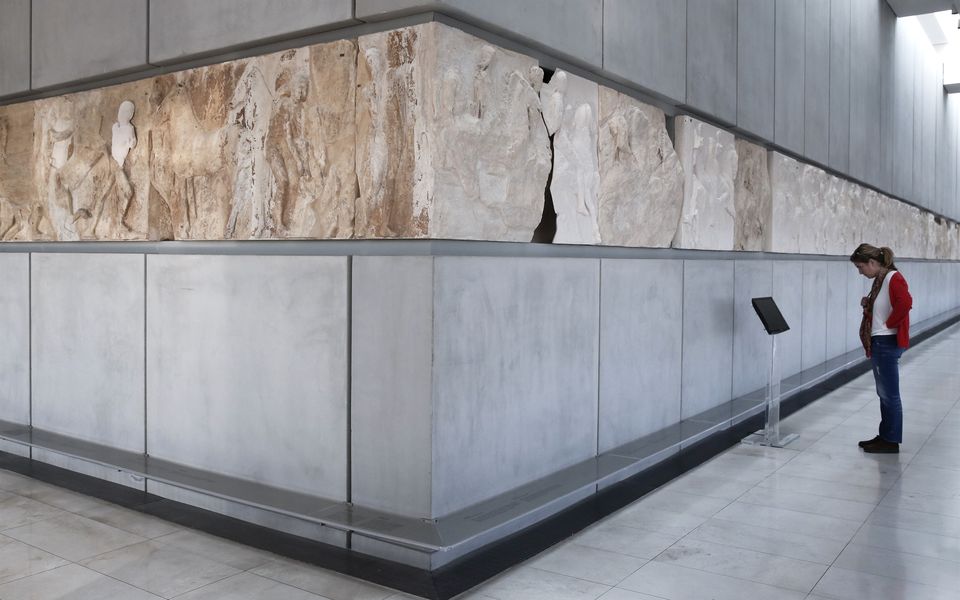
A visitor to Athens’ Acropolis Museum looks at the frieze of the Temple of Parthenon, with the white parts representing the frieze segments displayed at London’s British Museum, in a file photo. [AP]
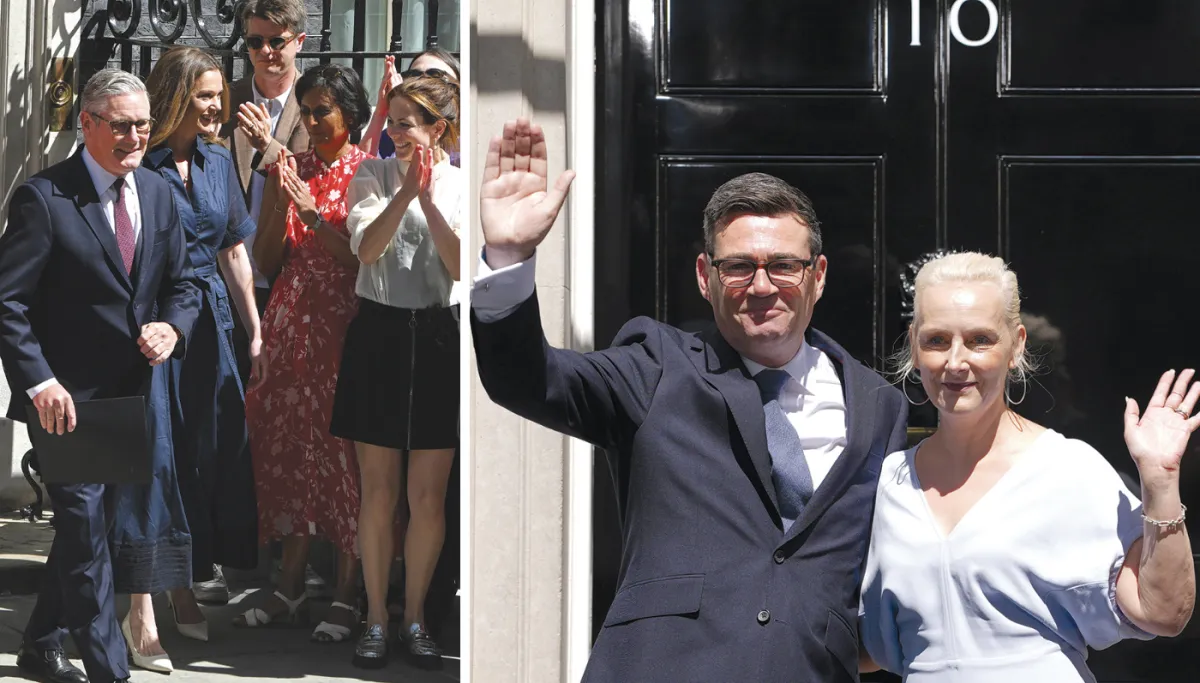
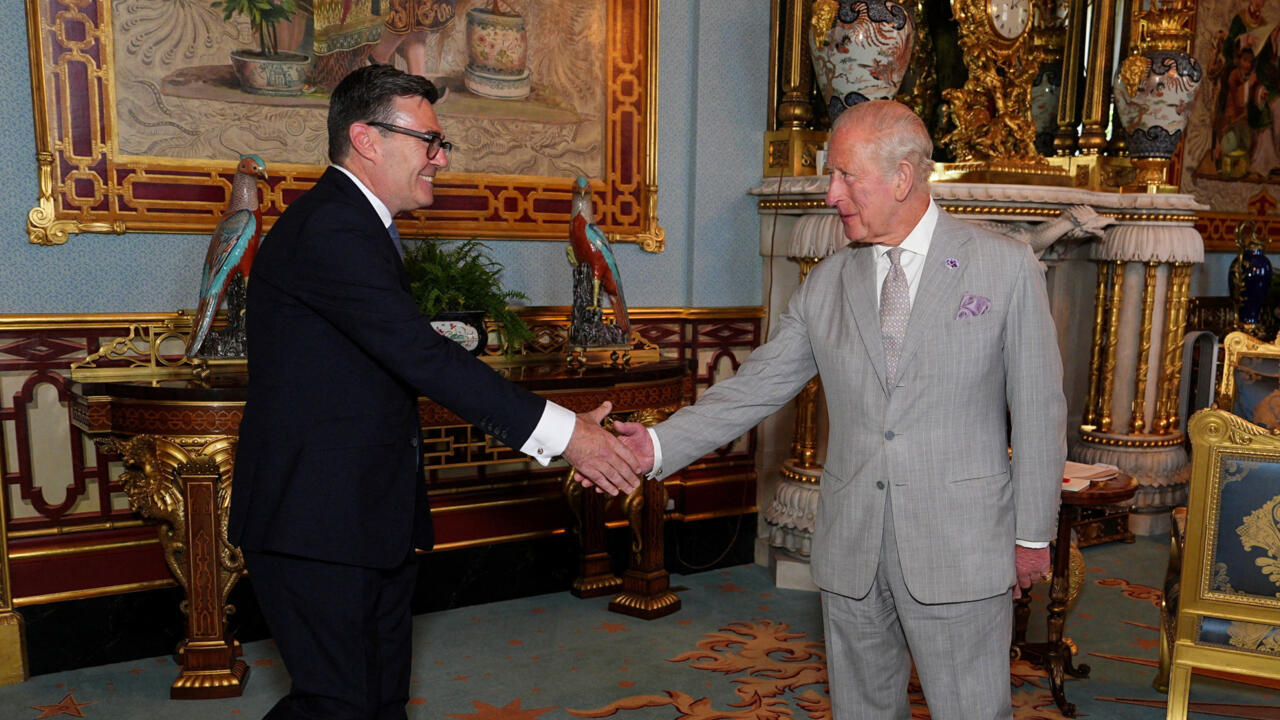
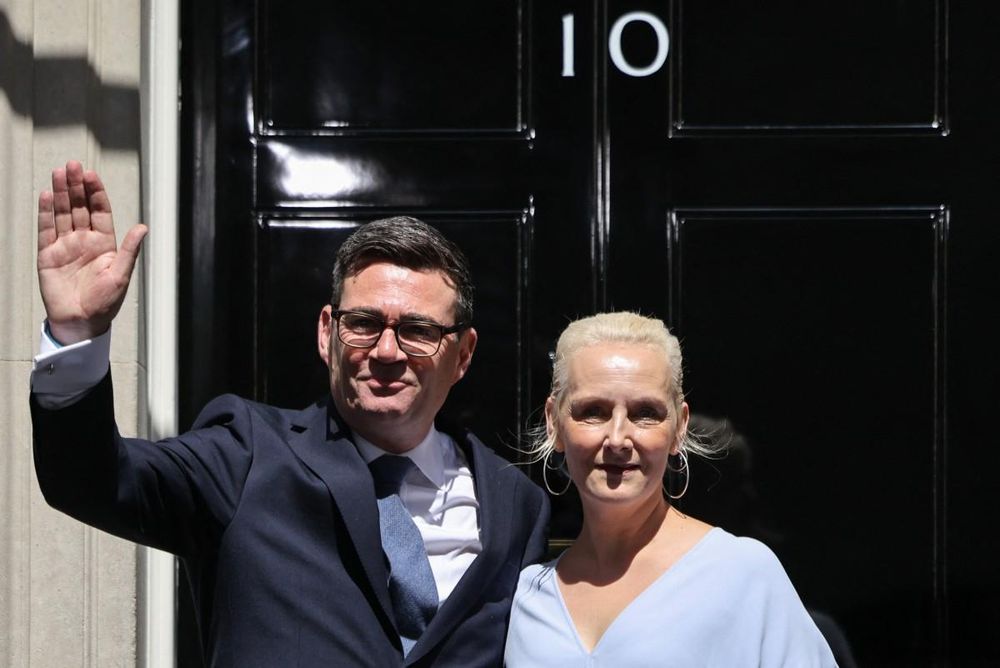
Andy Burnham’s elevation to the office of UK prime minister has once again brought the debate over the return of the Parthenon Sculptures to the forefront. Burnham has previously expressed his support for their return to Athens. The question now is whether he will act on that position as prime minister.
Greece’s claim to the Parthenon Sculptures dates back to the earliest years of the modern Greek state. As early as July 1836, during the reign of King Otto, the Greek government requested the return of four sections of the frieze from the Temple of Athena Nike, on the southern wing of the Acropolis Propylaea, which had been removed by Lord Elgin. Particularly noteworthy is the fact that, in the letter sent from Athens to London, the Greek authorities explicitly described the legality of Elgin’s actions as “entirely doubtful” and also challenged them on moral grounds in the name of “human rights.” Greece’s request was summarily rejected by the British authorities, without any explanation.
In July 1982, Culture Minister Melina Mercouri publicly announced the Greek government’s intention to seek the return of the Parthenon Sculptures and other Acropolis antiquities from the British Museum, where they had been housed since the early 19th century after being removed from the ancient monument by Lord Elgin. The request was formally submitted in October of the following year. London’s response, delivered in April 1984, was unequivocally negative.