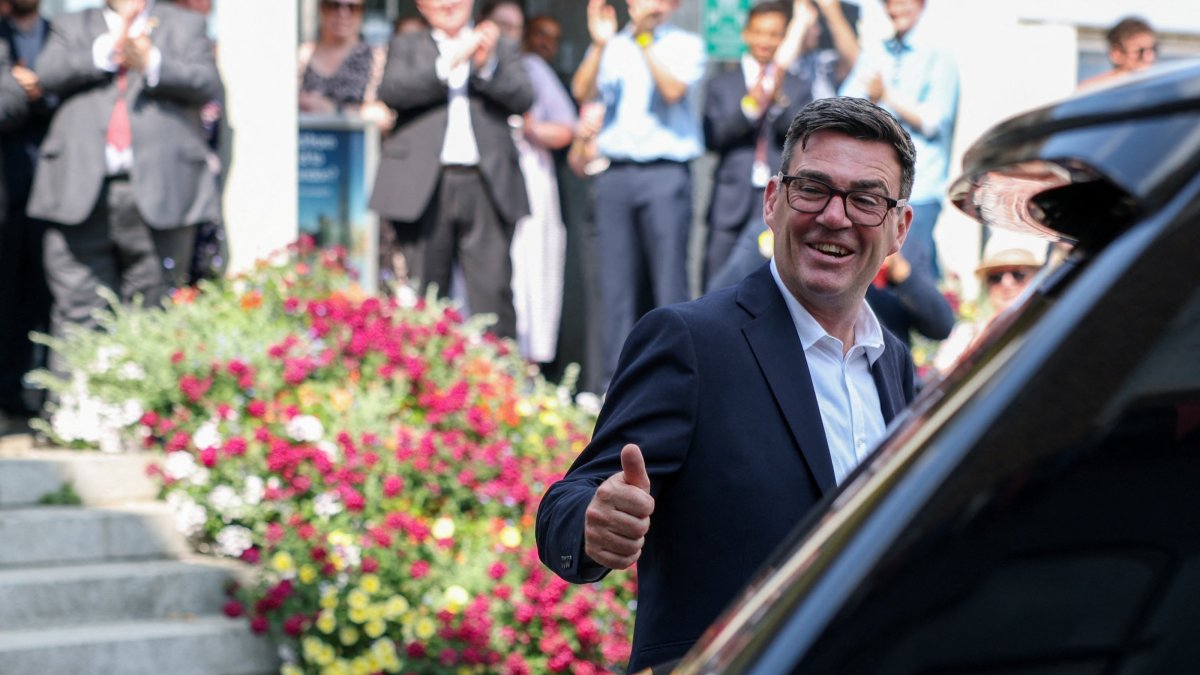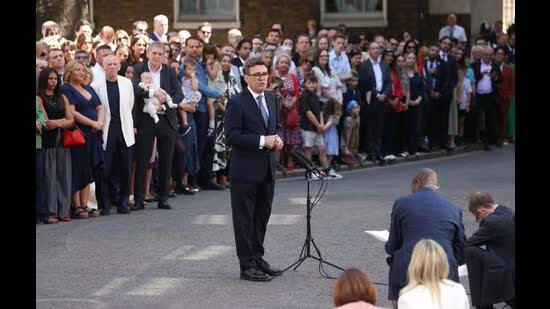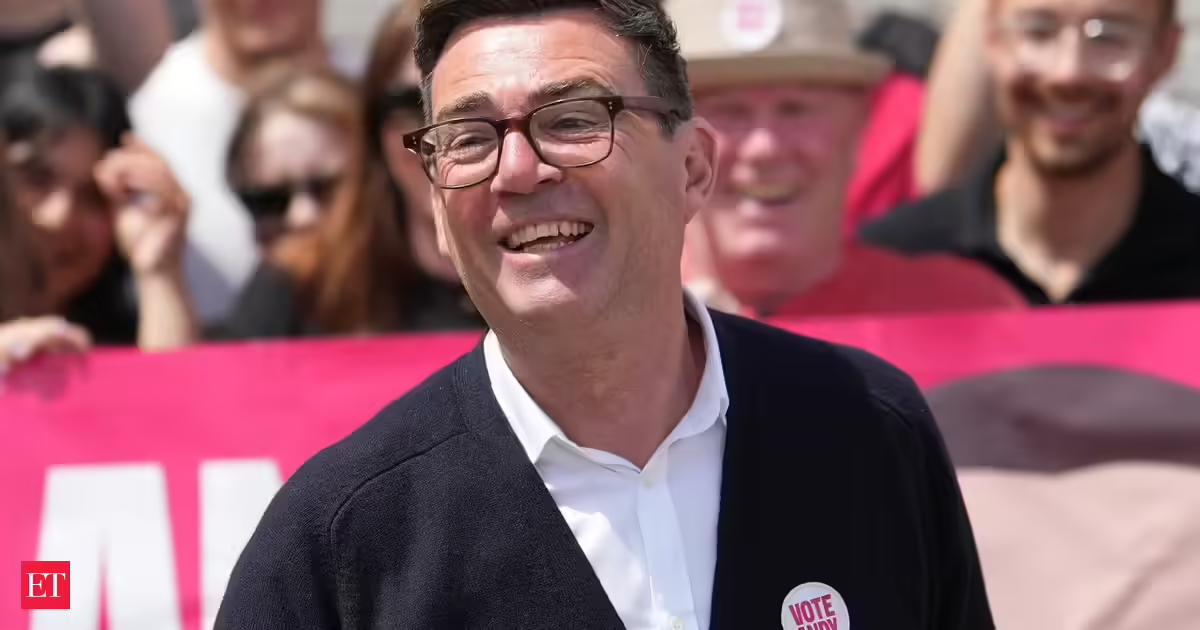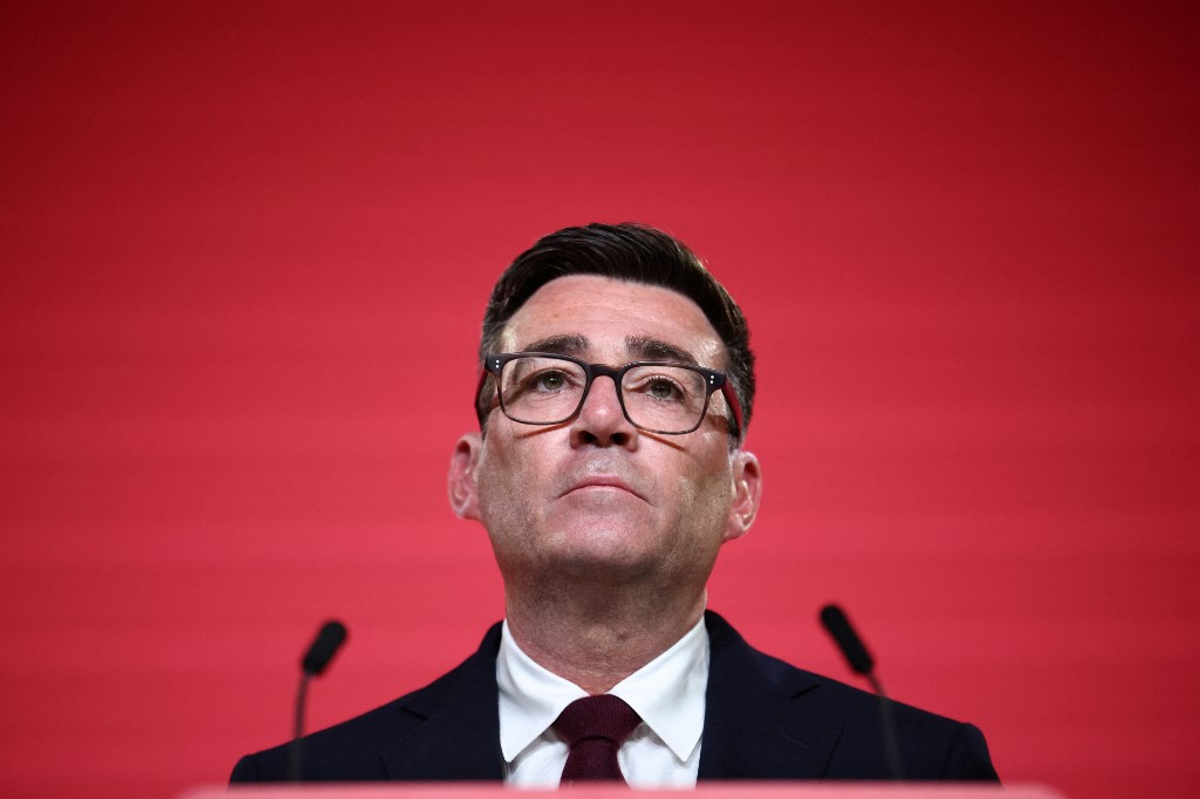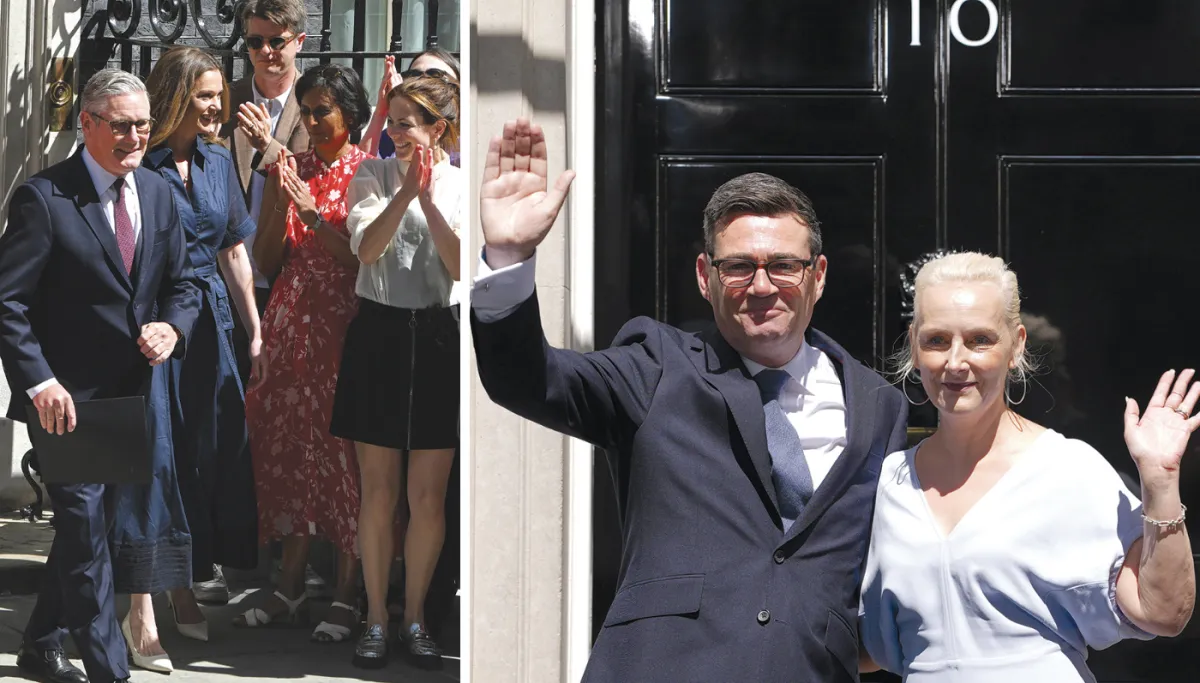
On July 20, Andy Burnham became Britain’s seventh prime minister in the last 10 years, its fourth in the last five years, and its second since the Labour Party won the 2024 general elections. He inherits an 80-seat parliamentary majority. The opposition is divided. The media are largely sympathetic. Burnham is the only party leader with a net-positive poll rating. In normal times, these advantages would allow a prime minister to reshape the British state and set a new course. But these are not normal times.Burnham also inherits a flatlining economy, explosive public debt, overcrowded prisons, backlogged courts, failing hospitals, rising crime, a border and illegal migration crisis, a domestic terrorism problem with roots in the radical Left, and a social chasm between Britain’s Muslims and everyone else. The state created all of these problems in concert with elected politicians, both Conservative and Labour. The state now fails to correct them. The politicians blame each other.Burnham blames Margaret Thatcher. She left office in 1990 and has been dead for 13 years. Britain, Burnham said on July 20, took “a series of wrong turns in the 1980s.” A divided society and a stagnant economy are the wages of “neoliberalism.” Burnham, who calls himself both a socialist and “pro-business,” proposes a total economic and social reset. He has not yet informed Britons how he will lead them back to the 1970s, which everyone who was there remembers as a decade of disaster, and undo the 1980s, which many who were there remember as a decade of revival, or the 1990s, which even young people who weren’t alive at the time now call an age of hope and plenty.
Andy Burnham's burden
In normal times, Burnham's advantages would allow a prime minister to reshape the British state and set a new course. But these are not normal times.
2,640 words~12 min read