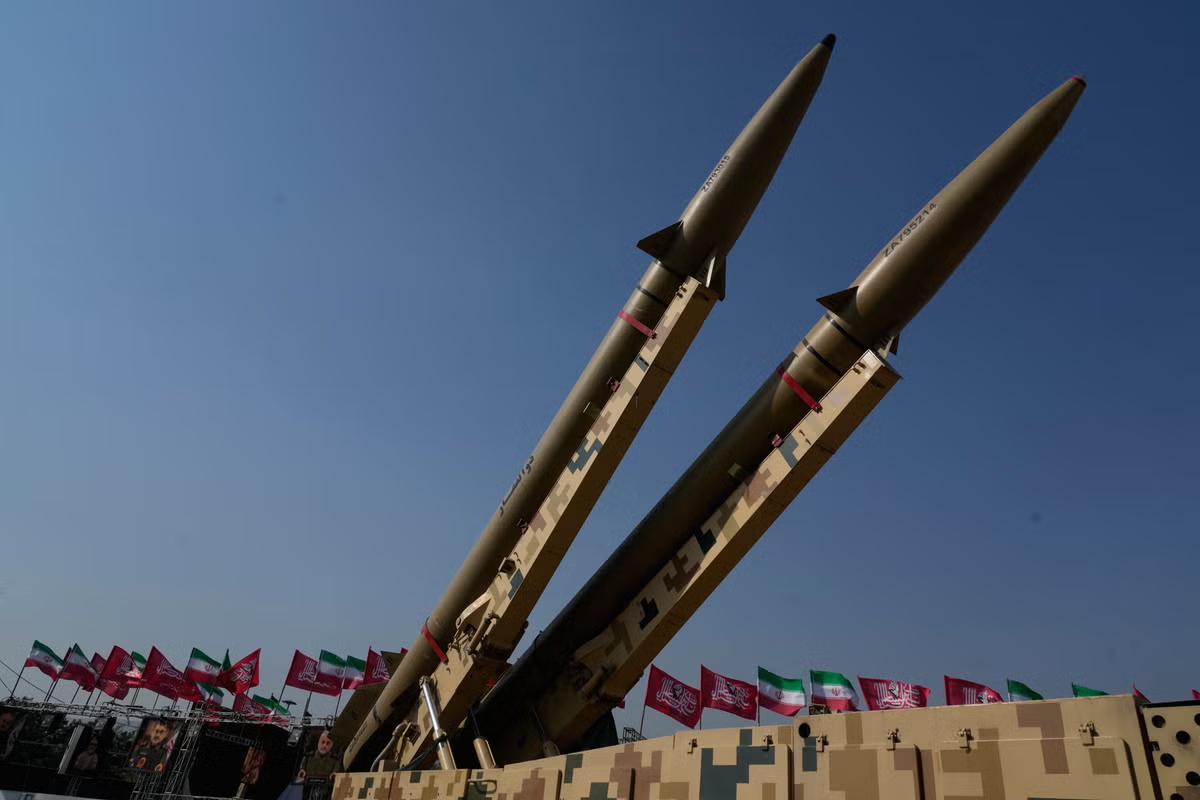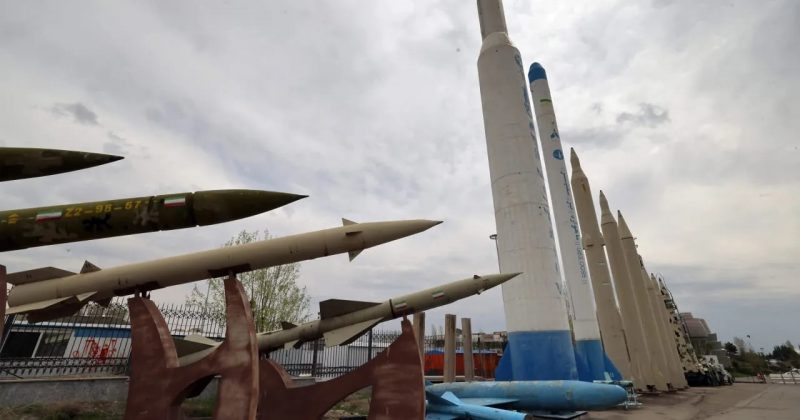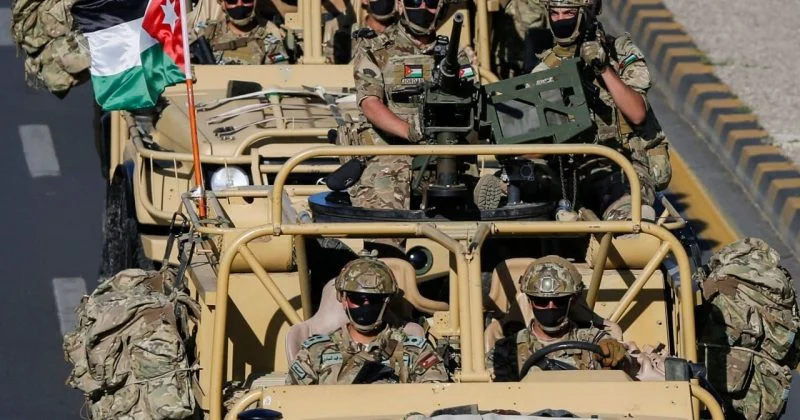
Jordan’s air defences intercepted five missiles launched from Iran on Wednesday, the country’s military said, hours after the US military said it had knocked down an Iranian missile barrage launched against American forces in the Middle East, shattering a brief pause in fighting.In a statement, the Jordanian military said the missiles had been “intercepted and destroyed”.Earlier, US Central Command said it remained “vigilant and at a high state of readiness”, and that it had worked with Saudi Arabia’s forces to strike sites in Iraq that Tehran-backed militias had used to launch attacks in recent days.In announcing the strikes in Iraq, the US warned that further attacks on American troops or Saudi Arabia’s energy infrastructure risked additional action.Graphic: PA The United States and Iran had experienced a period of calm, during which neither announced attacks for about three days following weeks of escalation over the strategic Strait of Hormuz, the Gulf waterway and narrow chokepoint through which 20 per cent of the world’s traded oil normally flows.The fighting flared at the end of a month packed with multiple pressure points on US president Donald Trump.In recent weeks, four US troops died during the fighting, while the Pentagon asked an increasingly sceptical Congress for money to cover the conflict’s ballooning costs.Iran launched its ballistic missile attack before American and Saudi forces carried out strikes in Iraq, according to a US official, who stressed that the two attacks were not connected.“US and Saudi fighter aircraft struck multiple terrorist logistics and weapons sites across eastern Iraq in a strong response to over 30 IRGC-directed aerial drone attacks in the last 72 hours,” US Central Command said, using an acronym for Iran’s paramilitary Revolutionary Guard.It said the Revolutionary Guard “and its terrorist proxies must cease these attacks to avoid further US military response”.[ How Iran has adapted its missile war and given the US a strategic dilemmaOpens in new window ]The Saudi defence ministry acknowledged the strikes in a post on social media, warning that “the Kingdom emphasises that it does not seek escalation but will respond to any aggression it faces”. The renewed hostilities led to a rise in oil prices, with Brent jumping almost 4 per cent to trade above $87 a barrel, rebounding from its biggest three-day decline since April 2020. – AP
Jordan intercepts Iranian missiles and US and Saudi Arabia target militias in Iraq
Flare-up comes after apparent three-day pause in fighting
381 words~2 min read