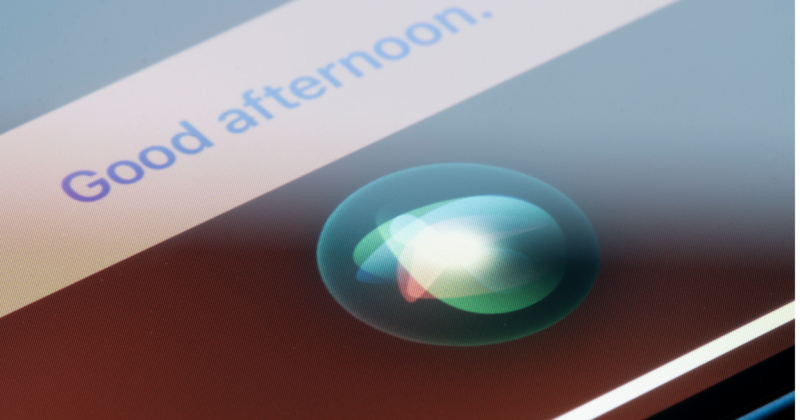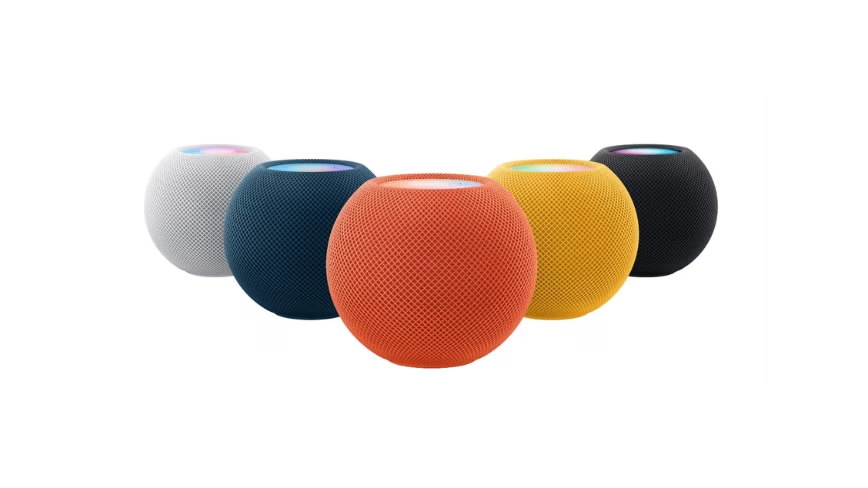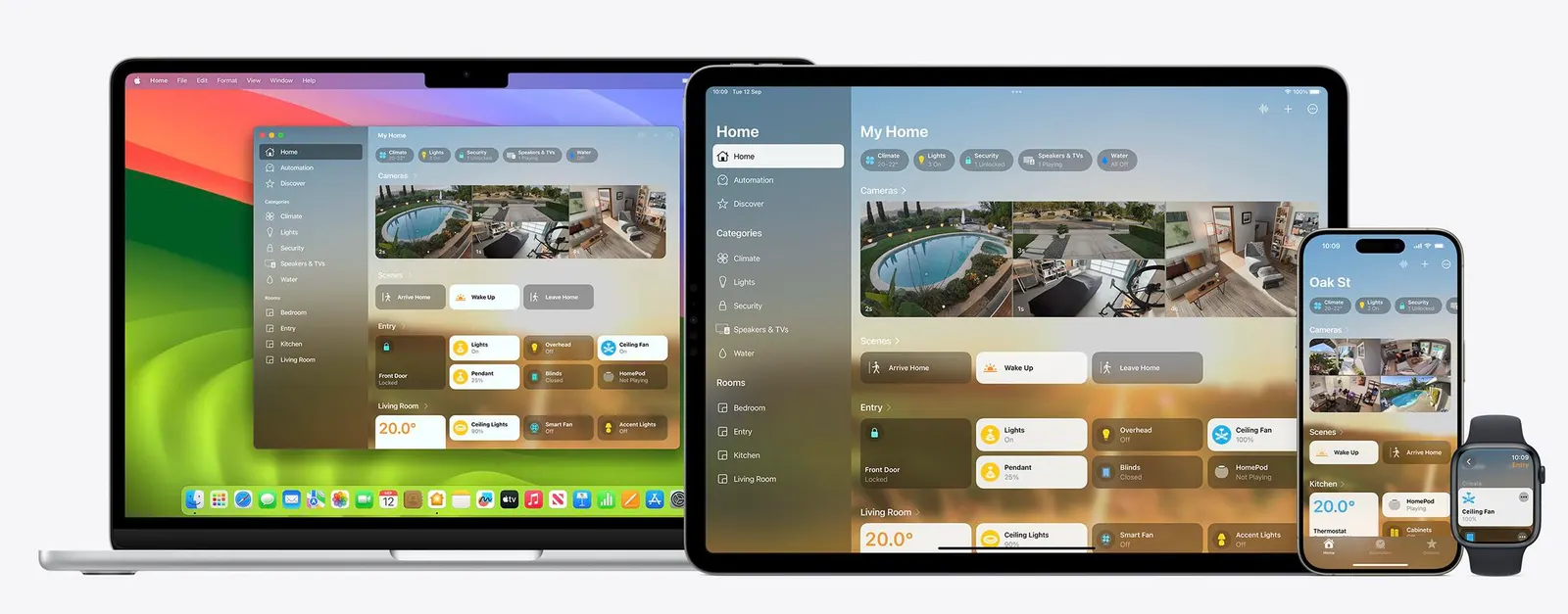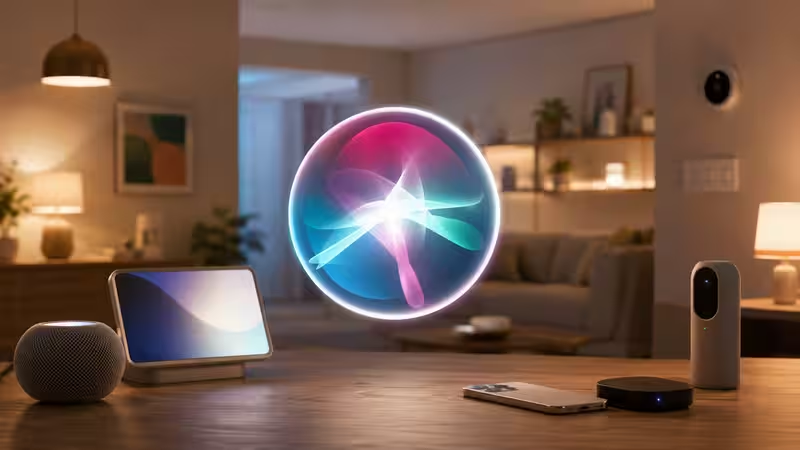
Apple is reportedly preparing a seven-inch smart-home display, a new Apple TV and a refreshed HomePod mini built around Siri AI. The display may recognise faces, show personal calendars and notes, manage cameras and locks, handle FaceTime calls and work as an intercom. The hardware remains unannounced and may arrive between October 2026 and early 2027. Apple’s harder task is software: Siri must identify different family members, protect private information and control high-consequence devices reliably. Amazon and Google already sell AI-first home products, while Samsung has put smart-home controls into televisions and appliances. Apple could still find an opening through privacy, local processing and tighter links with the iPhone, but another Siri delay would strip the reported hub of its purpose.Apple has spent years teaching Siri to switch off a lamp. It now appears ready to ask the assistant to do something far harder: understand the people who live behind the front door.About The AuthorAt heart, I am a storyteller drawn to the watershed moments that bend the technology landscape. I braid narrative with data, humanise statistics, and trace the arc from first spark to world-changing impact. My reportage, features and reviews are witty, sardonic, visual and vivid, using anecdote to illuminate rather than eviscerate.
Apple Is Putting Siri AI In Charge Of The Home—Can It Catch Amazon And Google?
Apple is gearing up to launch a new seven-inch smart-home display along with innovative home devices, set to be unveiled between late 2026 and early 2027. These upcoming products will utilize an advanced version of Siri AI, promising a more intuitive user experience. However, Apple must navigate significant software hurdles to ensure seamless, private functionality, aiming to set itself apart with robust privacy measures and improved integration with iPhone.
TL;DRAI
Apple launches 7-inch Siri-powered display (Q4 2026 - early 2027) targeting iPhone users through privacy and local processing. Siri must identify household members and control critical devices reliably, but Apple's history of delays threatens execution.
3,908 words~18 min read