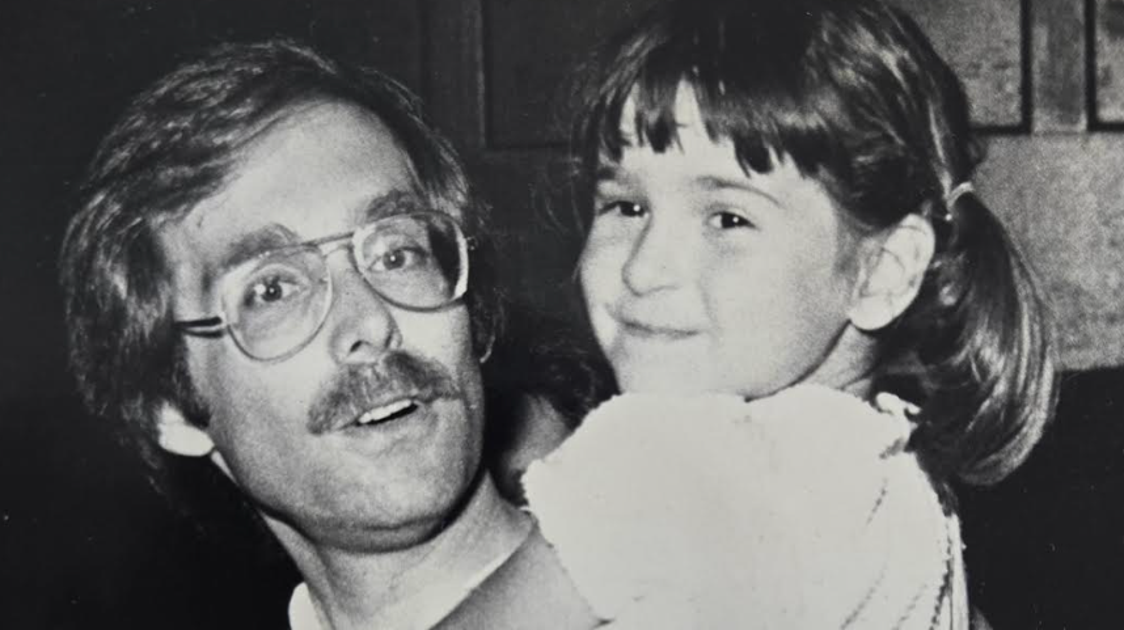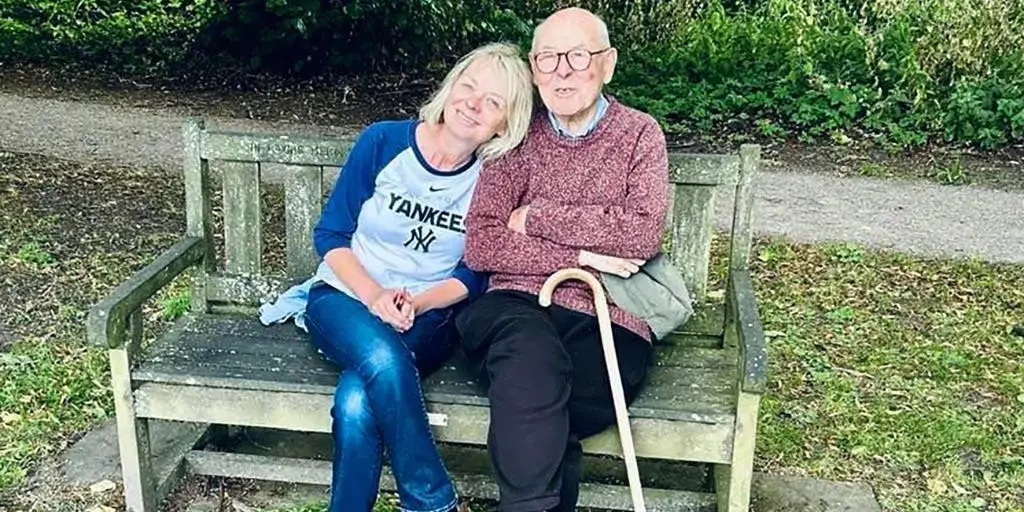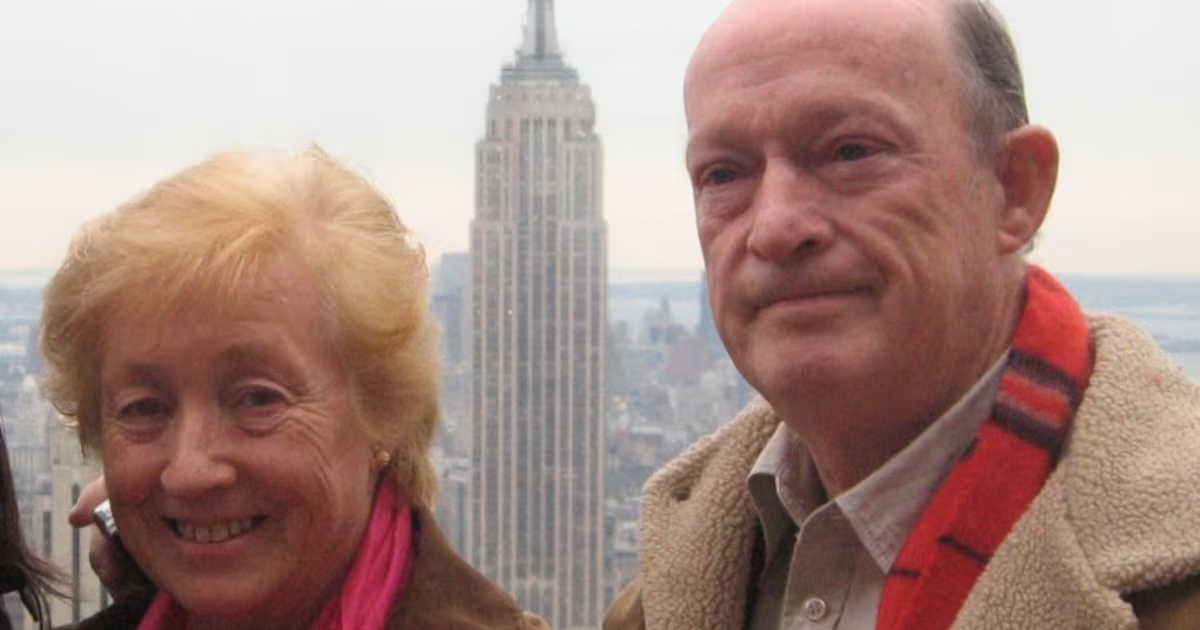
The limo stopped at 57th and Madison, when its window wound down. Enough to steal a glance inside, should a white SUV happen to spark anyone’s interest.It didn’t. See, nobody cared. New Yorkers are like that. Even the part-time ones.I noticed, though, and discreetly tapped my father on the shoulder, nodding in the direction of the extraordinarily long vehicle, few of which he’d have seen growing up in Dublin’s Liberties. “Jennifer Lopez,” I said. He looked at me as if I’d told him that grass was green, or an incredibly famous, and indeed, quite glamorous, actor/singer was just a few feet from us. That is, he wasn’t bothered. Celebrities didn’t do it for him. At least, not today’s ones. Were it Frank Sinatra, Sammy Davis jnr or Grace Kelly, though, he’d have probably have said “Howya”, and gone about his day. [ The Irish woman in New York tapping successful emigrants to fund education back homeOpens in new window ]He’d visit me often in New York, a city that was supposed to have been my temporary home. Life, however, got in the way. I was hired as a sportswriter for an Irish newspaper and that was it. Decades later, I’m still here. A dual citizen married to a California girl, with three children born in a Hell’s Kitchen hospital. ‘I began to dread our trips home. I’d wonder what version of him I’d see, none of which were the way I’d remember him’During his visits, my father would point out Irish contributions, as if I’d been unaware of them. I often pretended I was. The Hunger Memorial in Battery Park City; St Patrick’s Cathedral; the 9/11 museum where he’d poignantly remarked upon the hundreds of Irish names; and the dozens of bars we’d passed: McSorley’s, Eamonn’s, Langan’s and O’Brien’s. A proud Irish man who immersed himself in our literature and history, he’d glow with pride when strolling the city’s sidewalks, as if to say, “Yeah, we helped build this place.” On one stateside sojourn we walked the Brooklyn streets, chancing upon a long-standing Jewish bakery which he insisted upon visiting once the aroma of fresh challah hit us from a crosstown block away. He chatted with the owner, an elderly native of the now incredibly hip Williamsburg neighbourhood, who’d been opening his store every morning for almost six decades. An award-winning baker himself, with a 40-year career behind him, my Dad delighted in hearing his stories, and told a few himself. They talked of Brooklyn and babkas, Gaeilge and gur cake. Had they been 50 years younger, these two men would no doubt have established a transatlantic Instagram friendship. [ From a Monaghan farm to New York high fashion: ‘Ireland is still a very big part of my life’Opens in new window ]It was just another New York moment that he’d contributed to my Big Apple days. Like when we met the boys from the Bronx. We’d stopped at a bar on the Upper East Side. He got talking to construction workers beside us. Lenny and Pete, Bronx boys on a break from a scaffolding project on 74th Street, who were fascinated with this retired baker from Dublin’s inner city. His accent, his manners (“A goddamned gentleman”, according to Pete), his interest in their lives, enthralled them.Michael Fitzpatrick lives in New York with his wife, Mei, and their three children, Liam, Emmett and Fiona These two lifelong pals told him about the Bronx, where they grew up in a Puerto Rican neighbourhood, and apologised with a “so sorry about my language, Liam” every time an F-bomb landed. Pete told how he’d once dated “an Irish broad” and that her people came “from County Connemara or some place”.My Dad told them tales of Crumlin and the Liberties in the 1950s. “And I thought we was poor,” quipped Lenny.They didn’t want us to leave. “You’re no craic, Mike,” said Pete, erupting with laughter at getting to use the word he’d just learned from my Dad. New York City, and its accents, attitudes and atmosphere, didn’t belong to my Dad, but he did like to borrow them from time to time. As he progressed in age, though, a cruel illness was in its infancy. He’d mix us up, calling me by my brother’s name, and he’d repeat stories he’d only recently told. Questions just answered were asked again. He’d confuse the phone with the remote control, and worried if our Mam had to leave the house. I got “the call” in the summer of 2022. It was something I’d been semi-prepared for. As an immigrant, it’s always a possibility that something could go wrong “back home”. Dad had fallen outside our home in Lucan, Co Dublin. He’d struck his head on the concrete pavement, resulting in some worrying lacerations and severe facial bruising. He’d also endured a brain-bleed, and was diagnosed with dementia. Margaret and Liam Fitzpatrick on the New York Subway His days wandering the avenues and boulevards of New York City were over. After several weeks in Dublin’s Connolly Hospital, it became clear that he wouldn’t be returning to Lucan either, and he was moved to the Ryevale Nursing Home in Leixlip. There were visits, of course, as my older siblings and I returned from Western Australia and the US, while our youngest sister somehow managed to keep things afloat, while also running her family’s business and dealing with not just her own teenagers but also our heartbroken mother.I began to dread our trips home. I’d wonder what version of him I’d see, none of which was the way I’d remember him.He whispered that I should leave, so that he could sleep, before quietly adding in a rare moment of utter clarity; ‘I want to dream about my children’On these visits, that deep-down frustration that we’d never understand, being unable to express himself, often boiled over, and there were many tears, on the sides of the visitors and the visited.This wasn’t our Dad. This was dementia, having taken human form, in the shape of the strongest, most inspiring and encouraging person we’d ever know. He’d had little when he was growing up in 1950s Dublin, but managed to give his five kids everything they needed. Married to our Mam for 60 years, he’d charted a course through the stormy economic seas of Ireland in the ’70s and ’80s, getting to enjoy his family’s successes and doting on 10 grandchildren. [ ‘People have been stranded here for decades’: Limerick priest helps undocumented Irish in New YorkOpens in new window ]On what turned out to be the last time I saw him, he was in great form. I’d witnessed previous visits where there was confusion, anger, tears and lethargy. This time, for whatever reason, was far gentler.Seeing a photo of my kids, he remarked upon how big they’d got. It was the first sign of recognition I’d witnessed from him in more than two years – since his illness’s early days in fact, when there were brief flashes of the old Liam Fitzpatrick, and we’d naively yet hopefully attempt to convince ourselves that he’d pull through and overcome this battle.He whispered that I should leave, so that he could sleep, before quietly adding in a rare moment of utter clarity: “I want to dream about my children.”I sat on the wall outside, overcome by those poetic words, as I acknowledged sympathetic nods from other visitors, themselves no stranger to these feelings – or, indeed, that wall. I got another call three months later, and it was time to go home again. The first time all five of his children, the ones he’d dreamt about, were together in the same room for some years.At his funeral, as we chatted to old neighbours, colleagues, school pals and relatives, I couldn’t help thinking of his New York visits. Lenny and Pete, and that kindly old Brooklyn baker. Jennifer Lopez too. Perhaps next time I see her I’ll tell her my Dad said “Howya”. Michael Fitzpatrick is a journalist and playwright who reports on New York stories for The Irish Times
I got ‘the call’ from home. Dad’s days of wandering New York’s streets were over
Dad whispered I should leave, so he could sleep: ‘I want to dream about my children’
1,344 words~6 min read