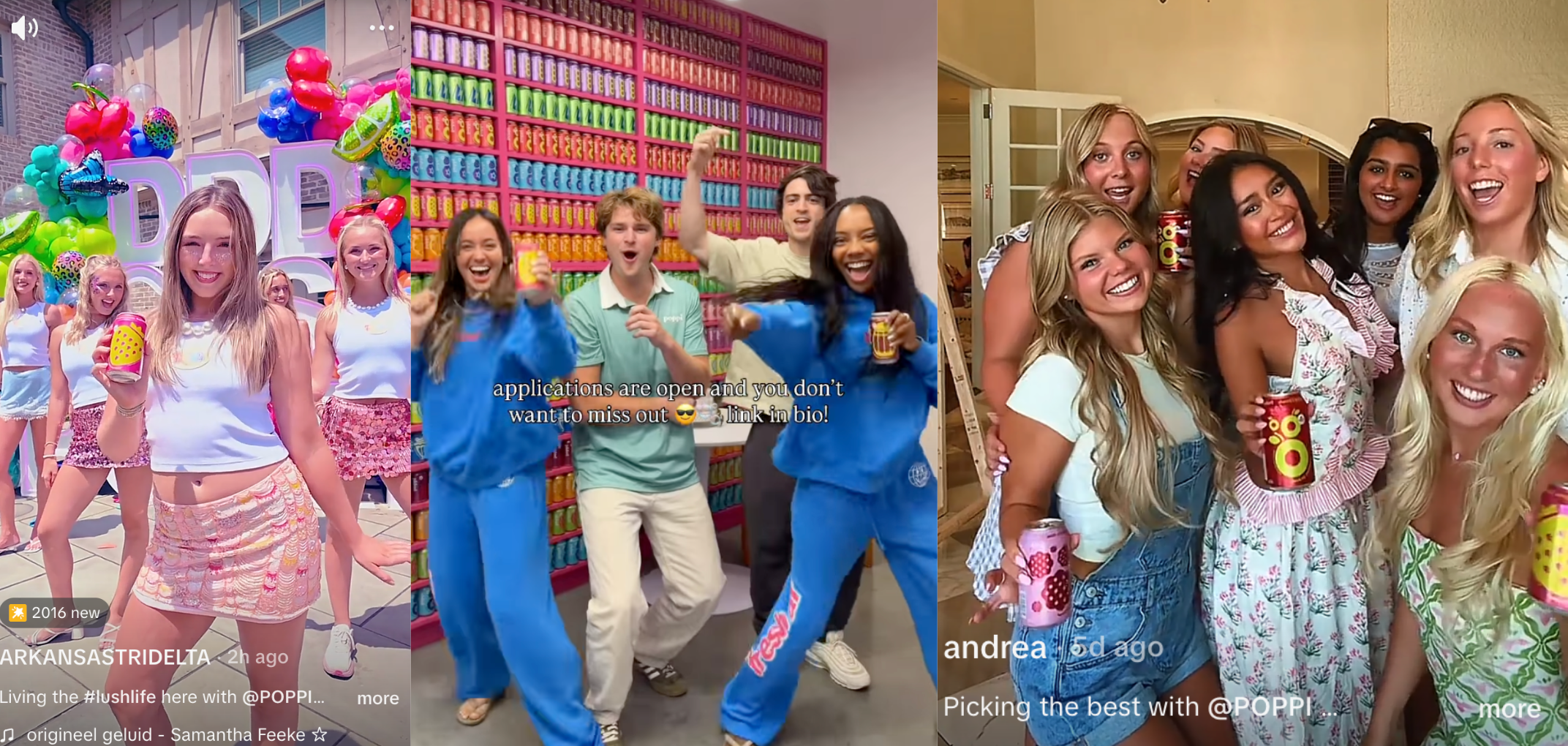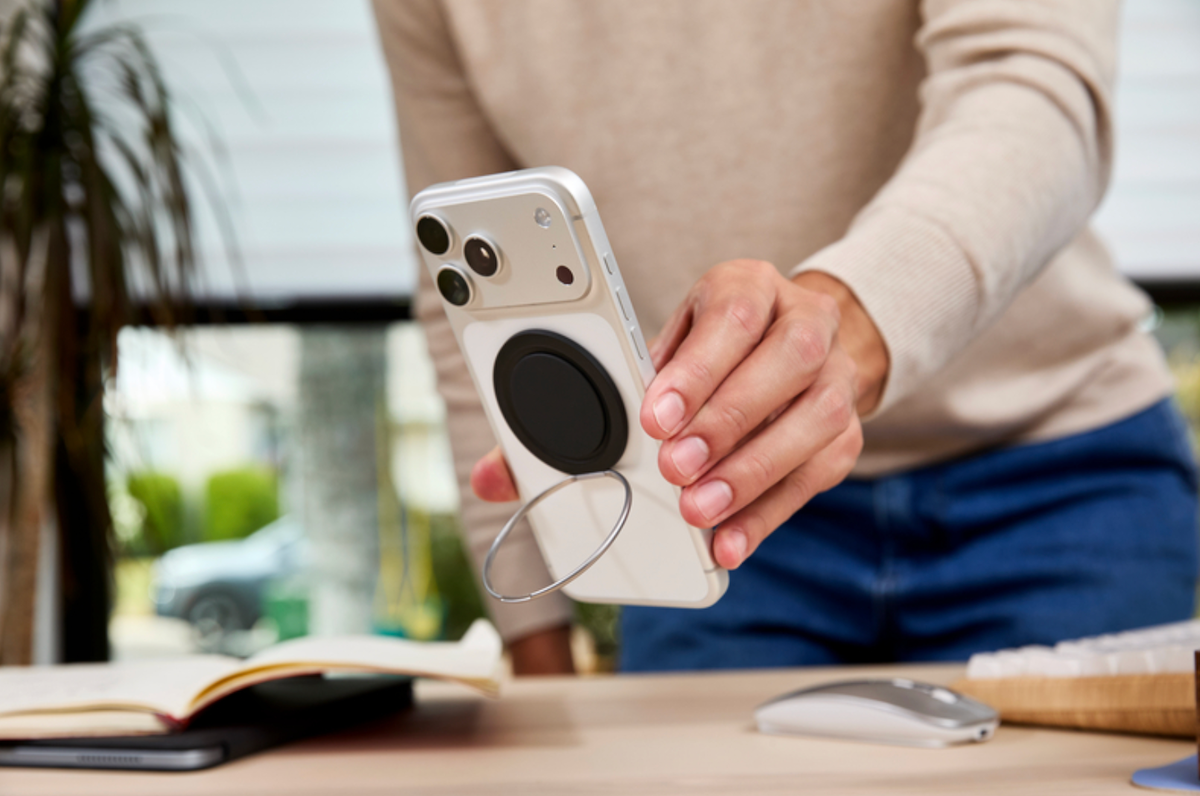
PopSockets wants a bigger grip on the phone accessory market — and it’s betting on limited-edition drops, TikTok videos and magnetic products to get it there. A large part of PopSockets’ strategy hinges on converting younger shoppers, once a major audience for the company. PopSockets — known for its button-shaped, adhesive phone grips — launched in 2014 after raising money via Kickstarter. Initially, it seeded products to middle-schoolers, who used PopSockets to personalize and prop up their phones. The brand also took off when celebrities including Gigi Hadid were spotted using the accessory.
In its second year in business, PopSockets inked deals with T-Mobile and Sam’s Club. Soon, it expanded into other retailers, including Best Buy and Target, as well as many mom-and-pop stores.
PopSockets continued to grow, and sales were pretty good at the beginning of the Covid-19 pandemic, founder David Barnett said. But a couple of years into Covid, PopSockets found itself losing traction with Gen Z — who were once those middle schoolers who had elevated the brand — as 20-somethings started using other phone accessories or no accessories at all. Folks in their 30s and 40s with more disposable income had become eager customers — “We became known as the millennial mom brand,” as Barnett put it — but PopSockets wanted to get back to the audience that had helped propel PopSockets forward in the first place.