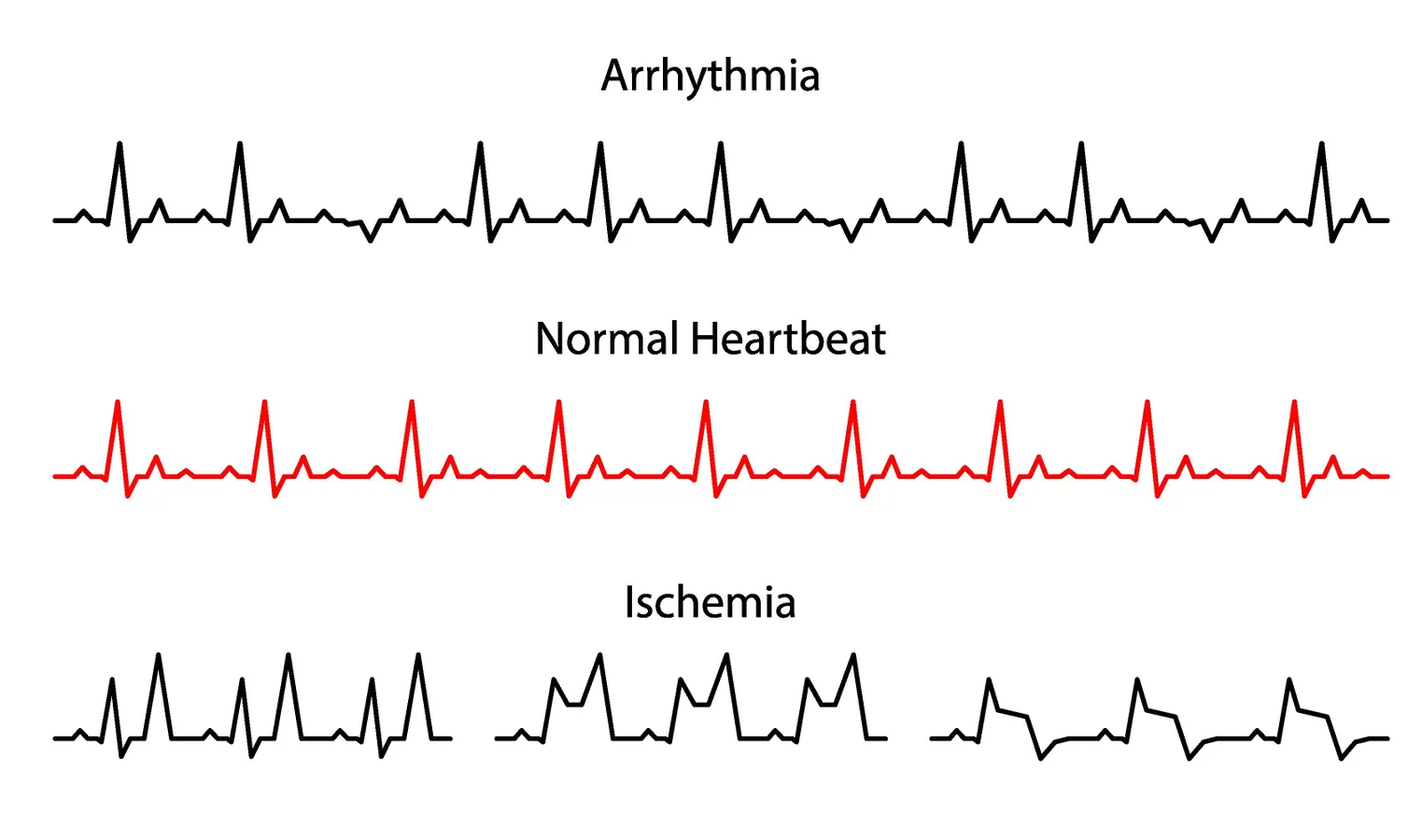
A racing heartbeat, breathlessness during mild exertion or an unexplained drop in energy can be easy to dismiss. But for some people, these may be signs of atrial fibrillation (AFib) – an irregular heart rhythm that can raise the risk of stroke, heart failure and premature death.AFib is becoming a growing healthcare concern across Asia Pacific. “As populations age and cardiovascular risk factors such as hypertension, obesity and diabetes continue to rise, the number of people affected is expected to grow,” said Dr Ahmed Abdelaal, Boston Scientific’s chief medical officer for the Asia-Pacific region. “AFib can also significantly affect a patient’s quality of life, including their energy levels, ability to work, confidence in daily activities and emotional well-being.”These patient and healthcare system pressures form the backdrop to a new Boston Scientific report, PFA in APAC, from Promise to Practice, which says earlier diagnosis, timely referrals and better access to newer treatments could help more patients across Asia Pacific benefit from advances in AFib care. Drawing on the perspectives of electrophysiologists, or heart rhythm specialists, in Australia, China, Japan and South Korea, it examines how advances in AFib treatment could reach eligible patients earlier.Established catheter ablation treatments for AFib include radiofrequency ablation and cryoablation, which use heat or cold energy. A newer option, and the focus of this report, is pulsed field ablation (PFA), which uses short electrical pulses to target the heart tissue responsible for abnormal rhythms. Evidence suggests that, in patients with paroxysmal AFib, PFA has shown effectiveness comparable to conventional thermal ablation. It also offers shorter procedure times and safety-related advantages linked to reduced effects on surrounding tissue.WHAT PFA COULD CHANGEIn the report, electrophysiologists identified several potential advantages of PFA, including easier integration into clinical workflows and higher patient satisfaction.For patients, that could mean a smoother treatment experience. For healthcare teams, it may make treatment easier to deliver more consistently.
Why earlier action could improve outcomes for people with atrial fibrillation
A growing number of people across Asia Pacific are living with a common heart rhythm disorder that can raise the risk of stroke and heart failure.
749 words~3 min read